

The Nature of Ephemera
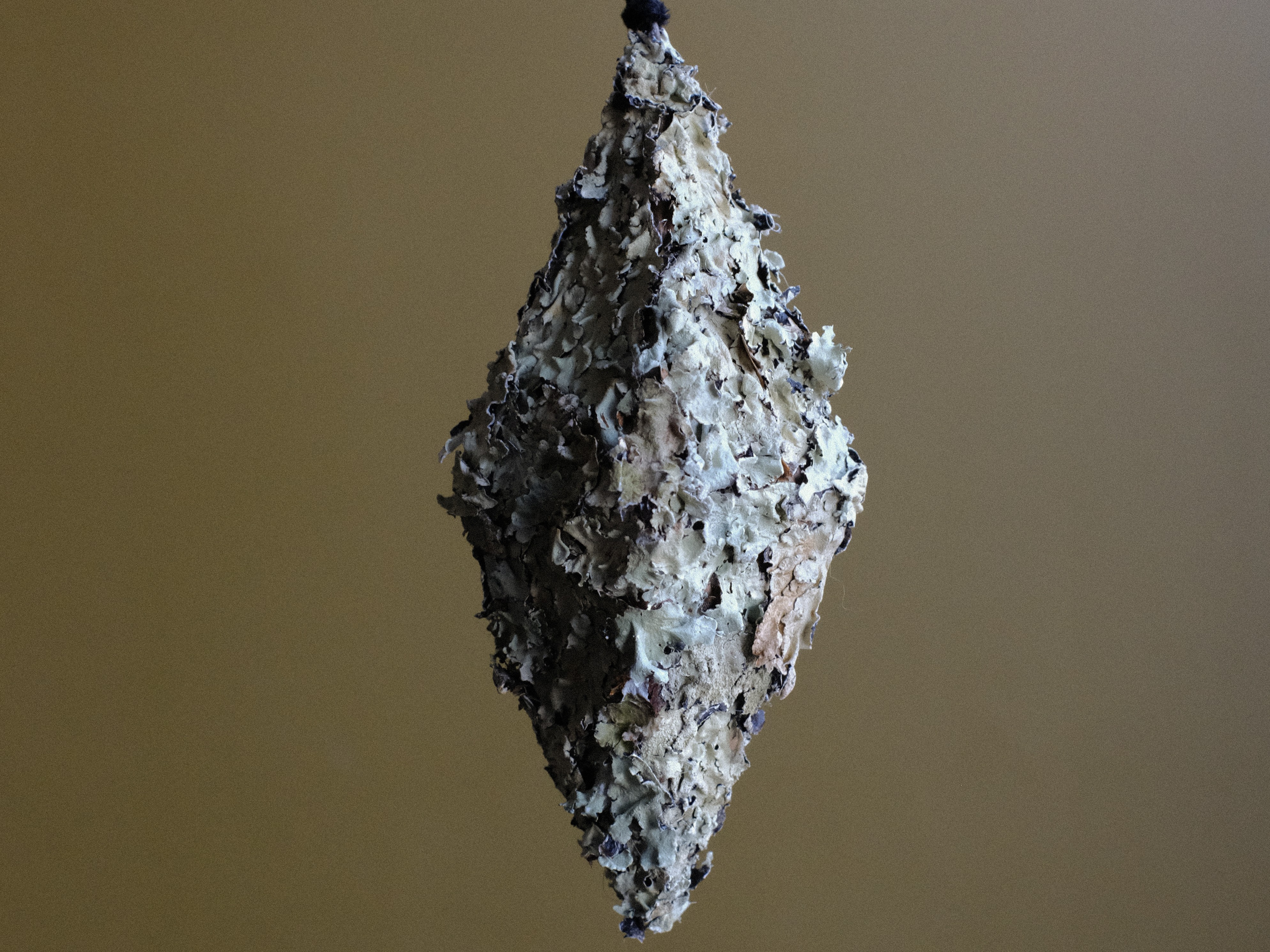
Fig I, With this ornament, we married the architectural strength of a diamond — the form not the gem —with the delicate resilience of this Lichen’s iridescent green and turquoise ruffles. Together, a symbol of solidarity and perseverance.
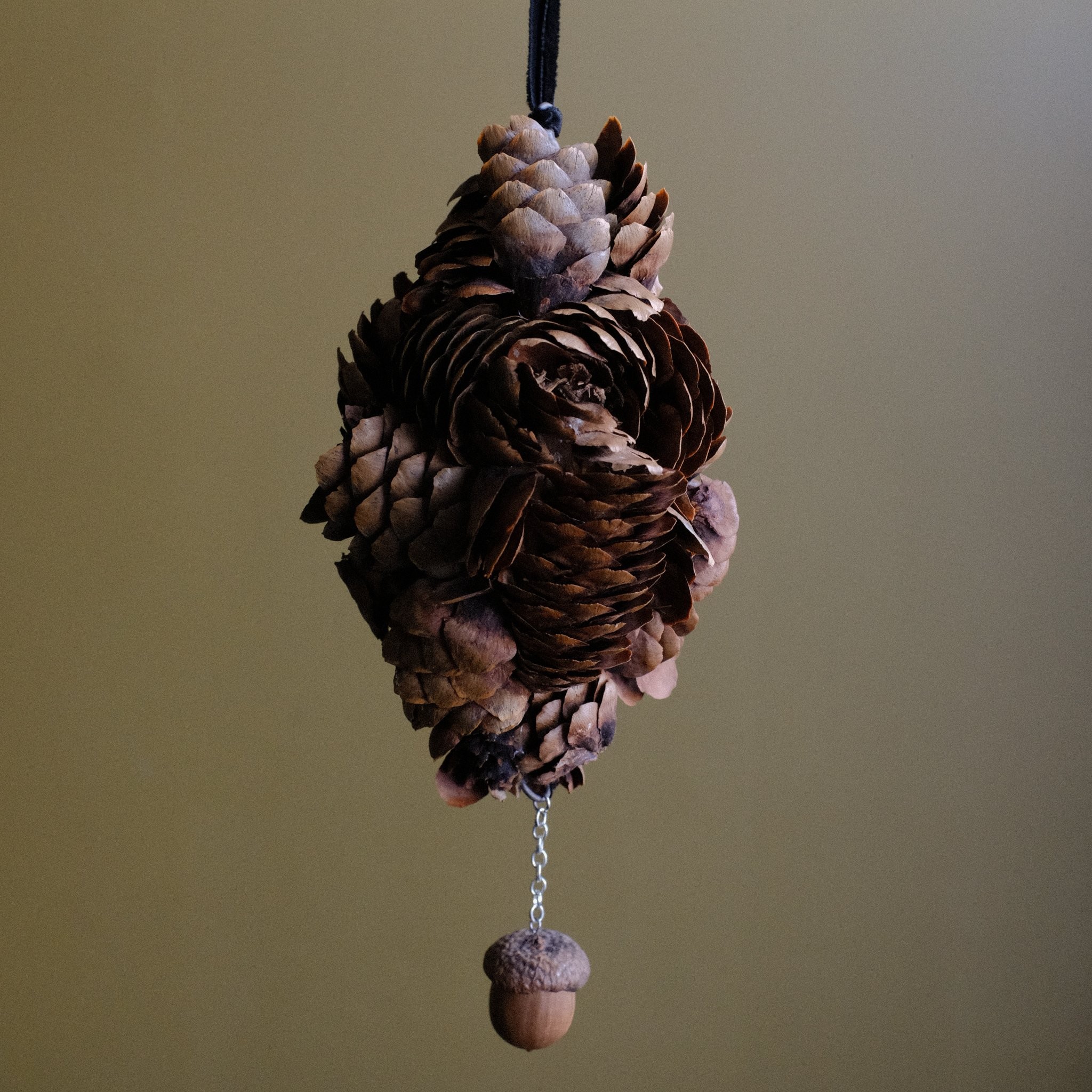
Fig II, With this ornament, we were inspired by Medieval jewelry and incense holders, collecting segments of western White Pinecones and adorning them with single acorns on silver chains; our nod to a dangling pearl earring.
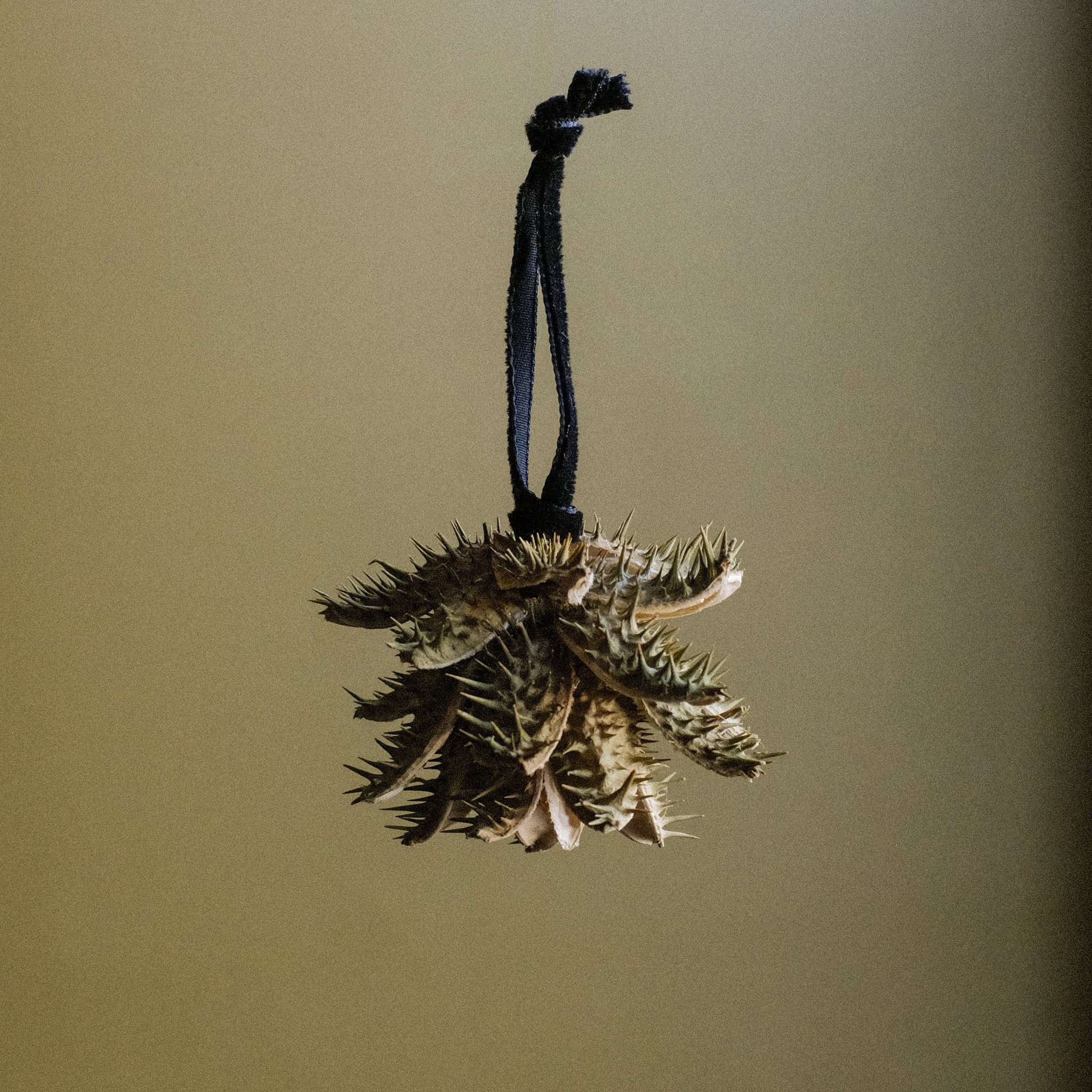
Fig III, With this ornament, we cracked open the dried pod of datura, removed every seed and fanned out its thorny wings.
Fig I, With this ornament, we married the architectural strength of a diamond — the form not the gem —with the delicate resilience of this Lichen’s iridescent green and turquoise ruffles. Together, a symbol of solidarity and perseverance.
Fig II, With this ornament, we were inspired by Medieval jewelry and incense holders, collecting segments of western White Pinecones and adorning them with single acorns on silver chains; our nod to a dangling pearl earring.
Fig III, With this ornament, we cracked open the dried pod of datura, removed every seed and fanned out its thorny wings.
Hand-crafted in our Brooklyn studio, we offered these ornaments as part of our 2024 holiday collection aiming to draw attention to some often overlooked members of the living world: lichen, acorns, pinecones and datura. These workhorses are critical contributors to our ecosystem, each playing a role in our landscape’s symphonic order from housing ladybugs and safeguarding seeds to feeding birds, pleasing deer, and helping rocks weather storms.
On display in New York, the pinecone and datura ornaments dressed the tree at The Roman and William’s Guild, just down the street from a Christmas tree at Quarters dressed exclusively in lichen ornaments.
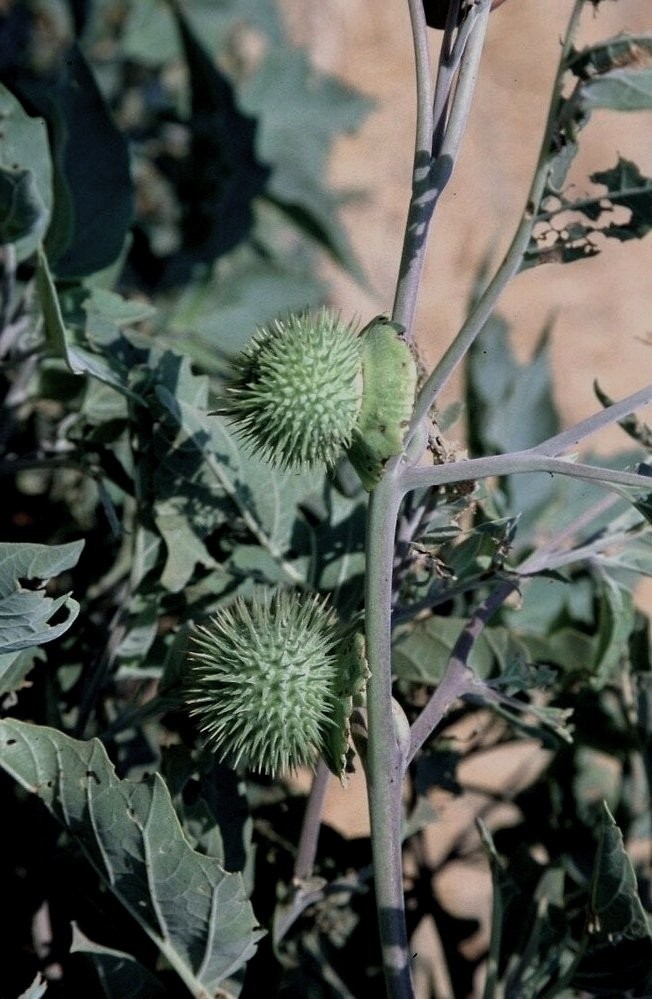
Fig I, Datura in the wild.
Datura was one of Georgia O’Keefe’s favorite flowers to paint, and its seedpods are one of our favorite elements to preserve in our dried library. The duality held in this evening bloom is remarkable, with its floral form trumpeted and soft, neighboring these spiky lockets on the plant. Known to most gardeners as “thorn apples” for their sharply-barbed casings, these Moonflower pods eventually crack open, spreading seeds for future flowers.
Fig II, The Pinecones and Acorns foraged for these ornaments were found on private land in New Jersey where permission was granted by the land steward.
Pinecones aren’t as overlooked as much as they are undervalued. Far from the shallow perception of an autumnal accessory, these woody workhorses are fierce protectors and dispersers of developing seeds for trees. Before being carried away in the warmer months by the wind, the layered scales of the cones tighten to embrace the seeds they house — preventing break-in’s from squirrels and birds — until it’s time to let them go.
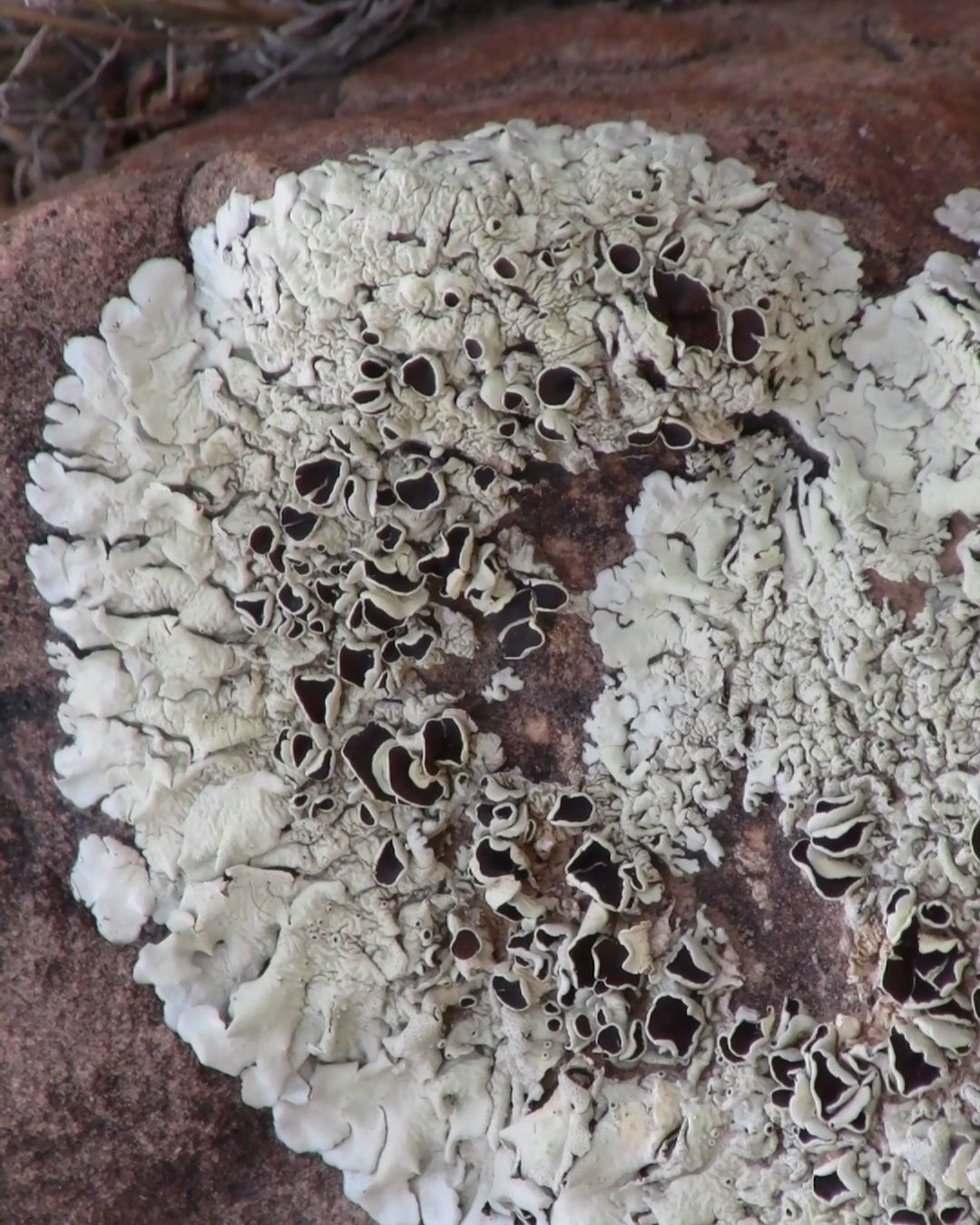
Fig III, Lichen, an extraordinary organism that lives in every corner of the world, is an often overlooked marvel. All the lichen for these ornaments was gathered mindfully so as not to disturb the greater ecosystem.
Lastly, lichen; our second favorite only to the datura. Otherworldly in a way, these impressive living things are not plants although they may seem to be. In actuality, they’re the lovechild of a fungus and an alga. With a crust-like texture and often chromatic skin, they cling to surfaces like trees and rocks and almost anything else, but not in an intrusive or parasitic manner. Quite the opposite, Lichen serves as a kind of protective shield for the stones and sticks that they blanket.
A spirit of the forest and the fields, these three ornaments together offered an indisputable truth: nature’s beauty is as ingenius as it is abundant.
All elements foraged for their creation were found on private land where permission was granted by the land steward. It was gathered mindfully so as not to disturb the greater ecosystem. Each object was crafted by hand and made to order from these natural materials along with paper maché, metal hooks, jewelry chain, glue and velvet ribbon. If stored considerately, the ornaments will last for years.
Elements (4)
View Index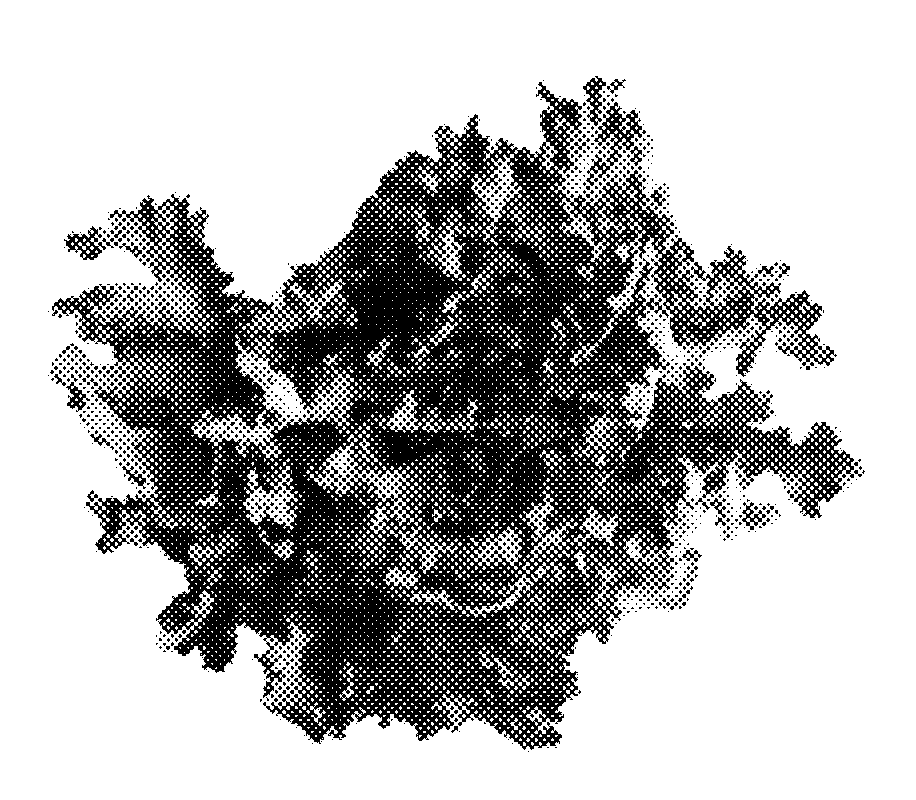
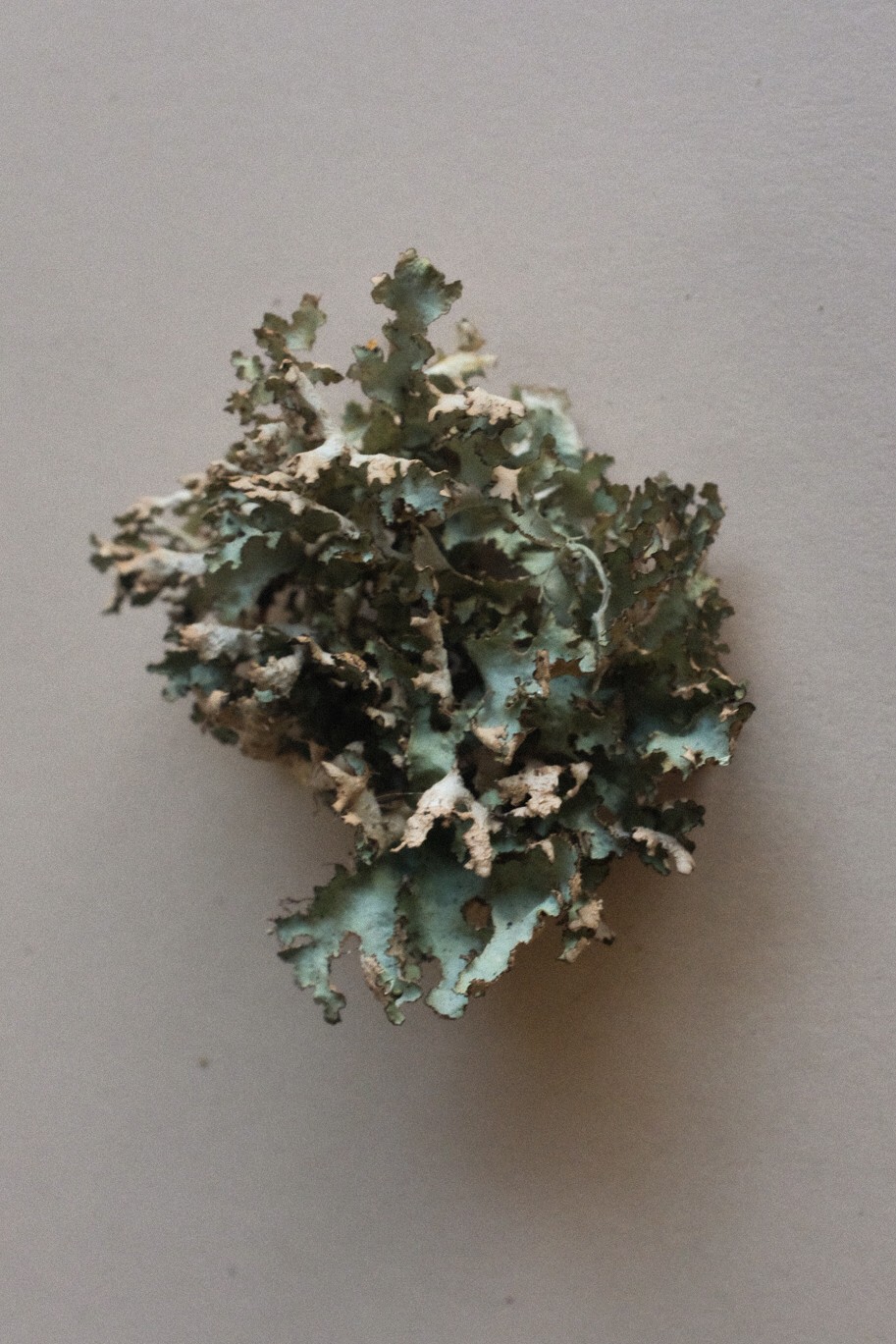
Lichen, an extraordinary organism that lives in every corner of the world, is an often overlooked marvel. Otherworldly in a way, these impressive living things are not plants although they may seem to be. In actuality, they’re the lovechild of a fungus and an alga. With a crust-like texture and often chromatic skin, they cling to surfaces like trees and rocks and almost anything else, but not in an intrusive or parasitic manner. Quite the opposite, Lichen serves as a kind of protective shield for the stones and sticks that they blanket.
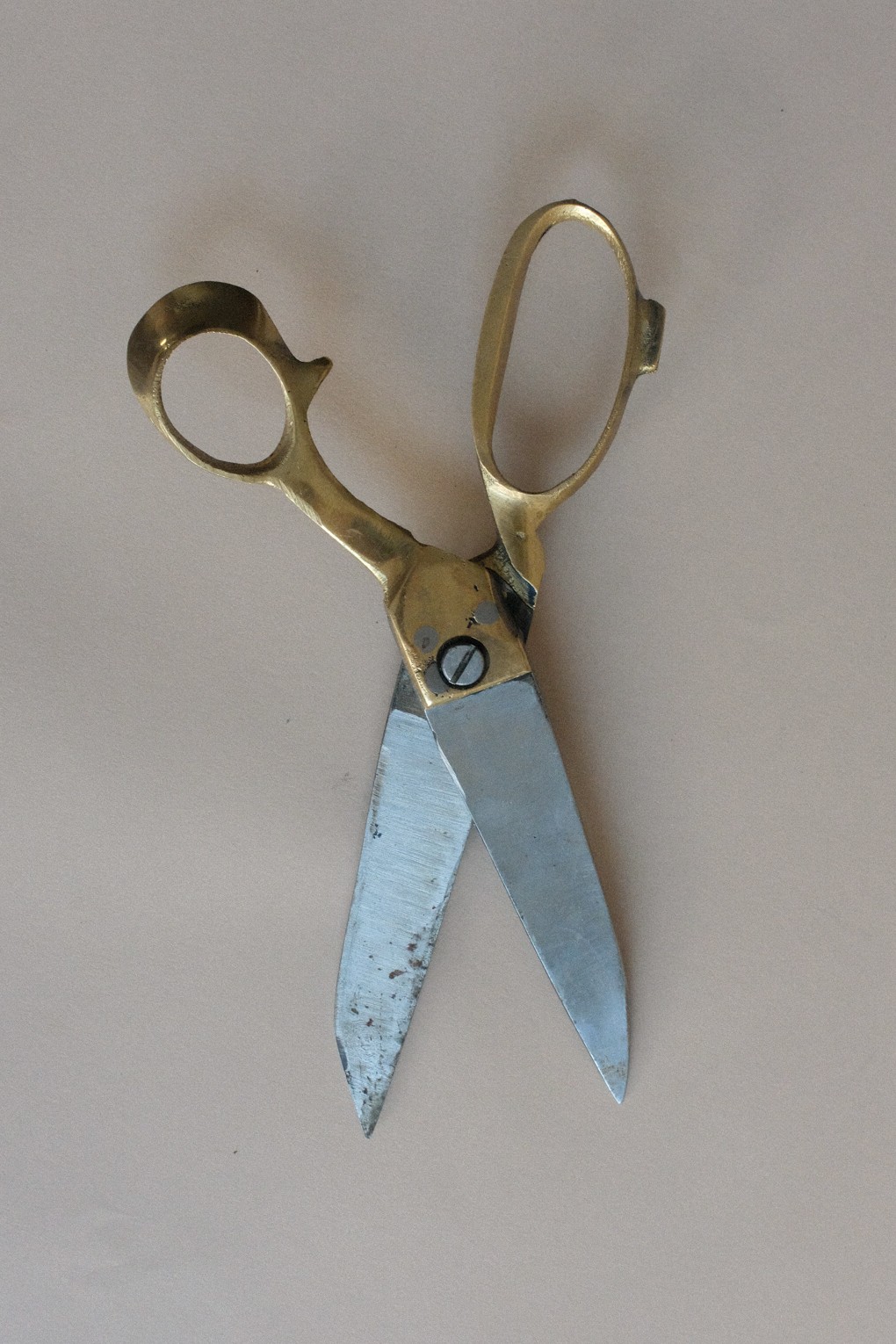
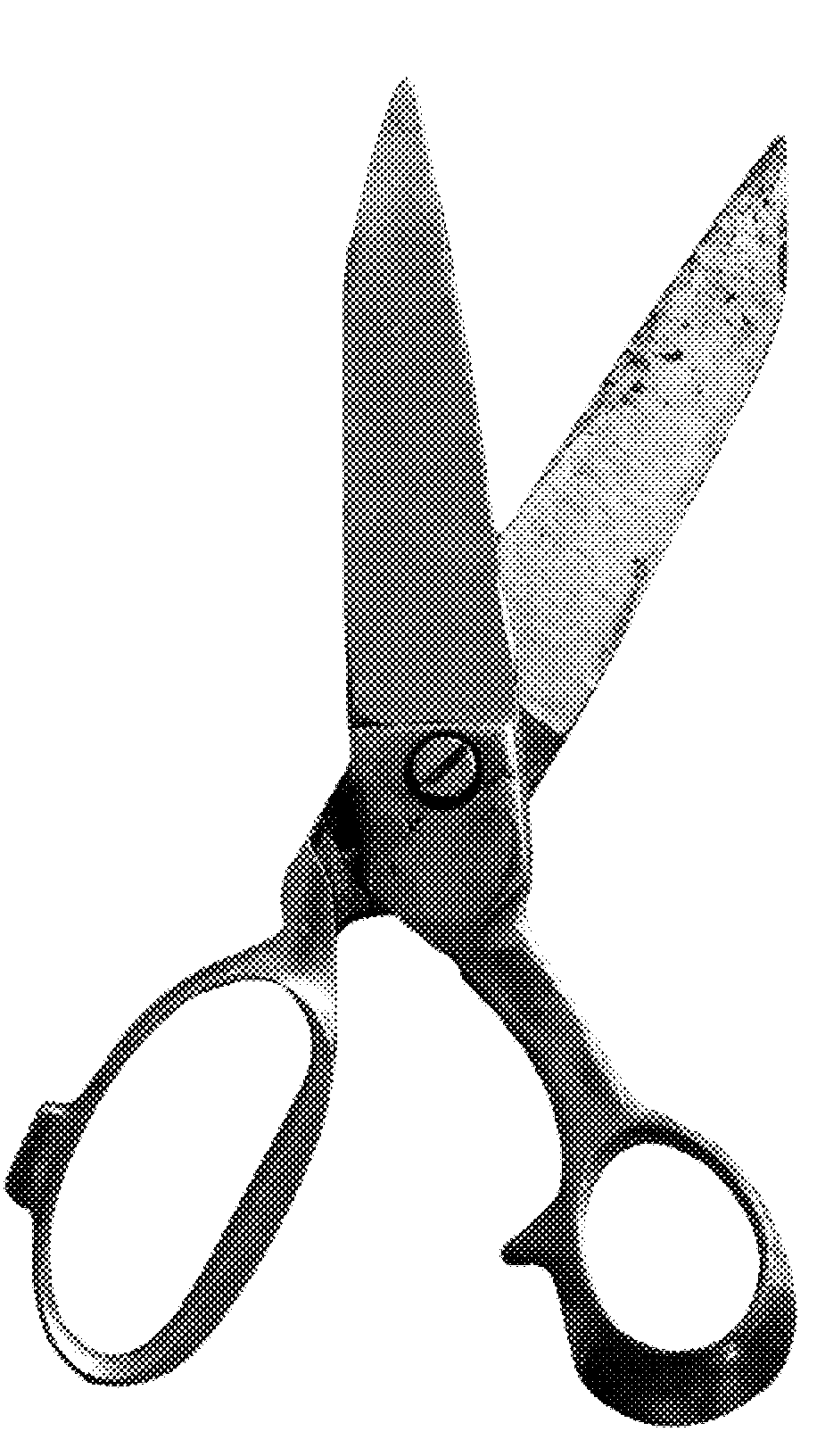
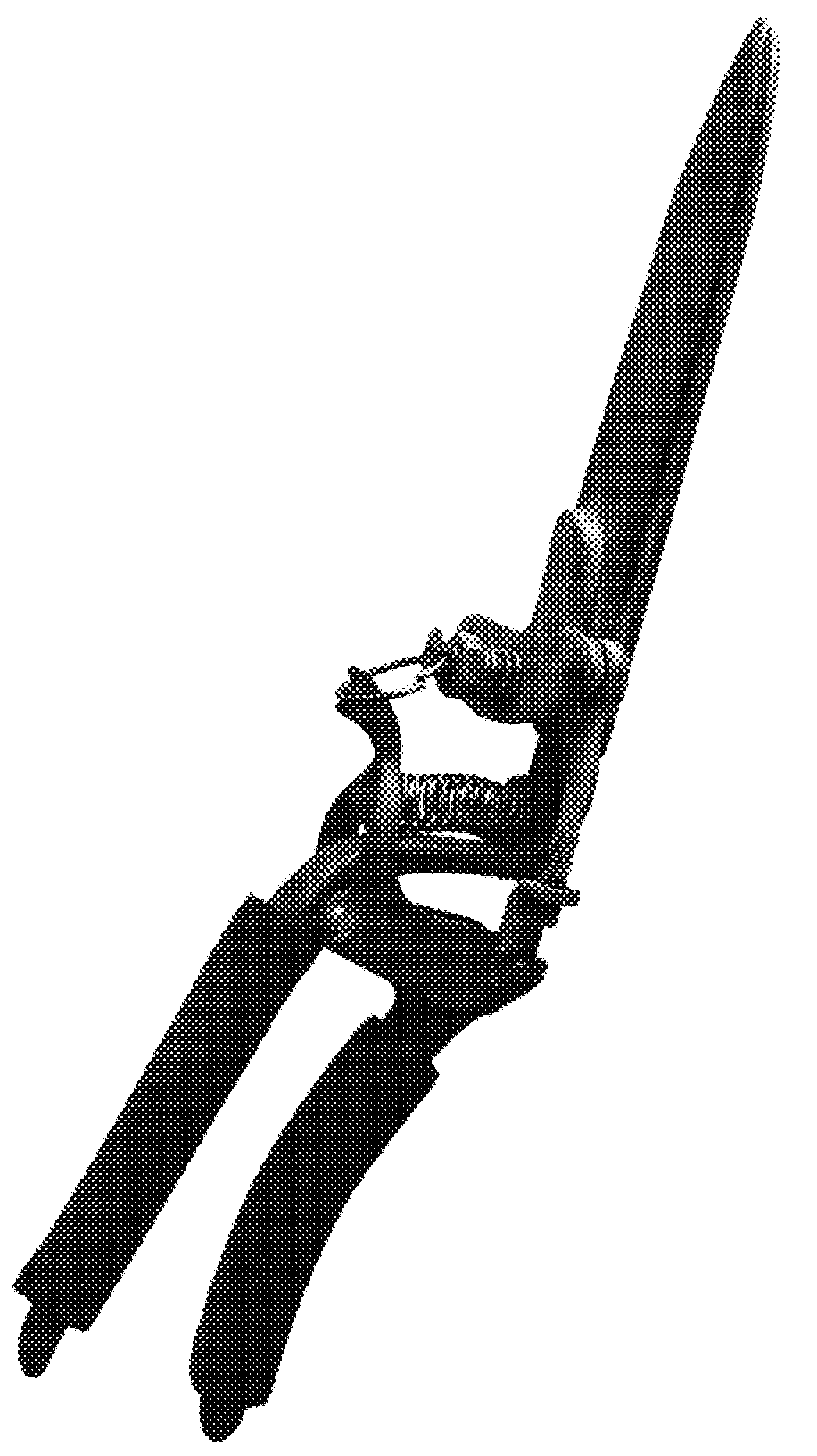
Heavy in the hand, a pair of hefty 2" scissors will get you pretty far in a day of work with ribbon or twine. This pair of weighty brass and steel scissors are a workhorse around the studio.
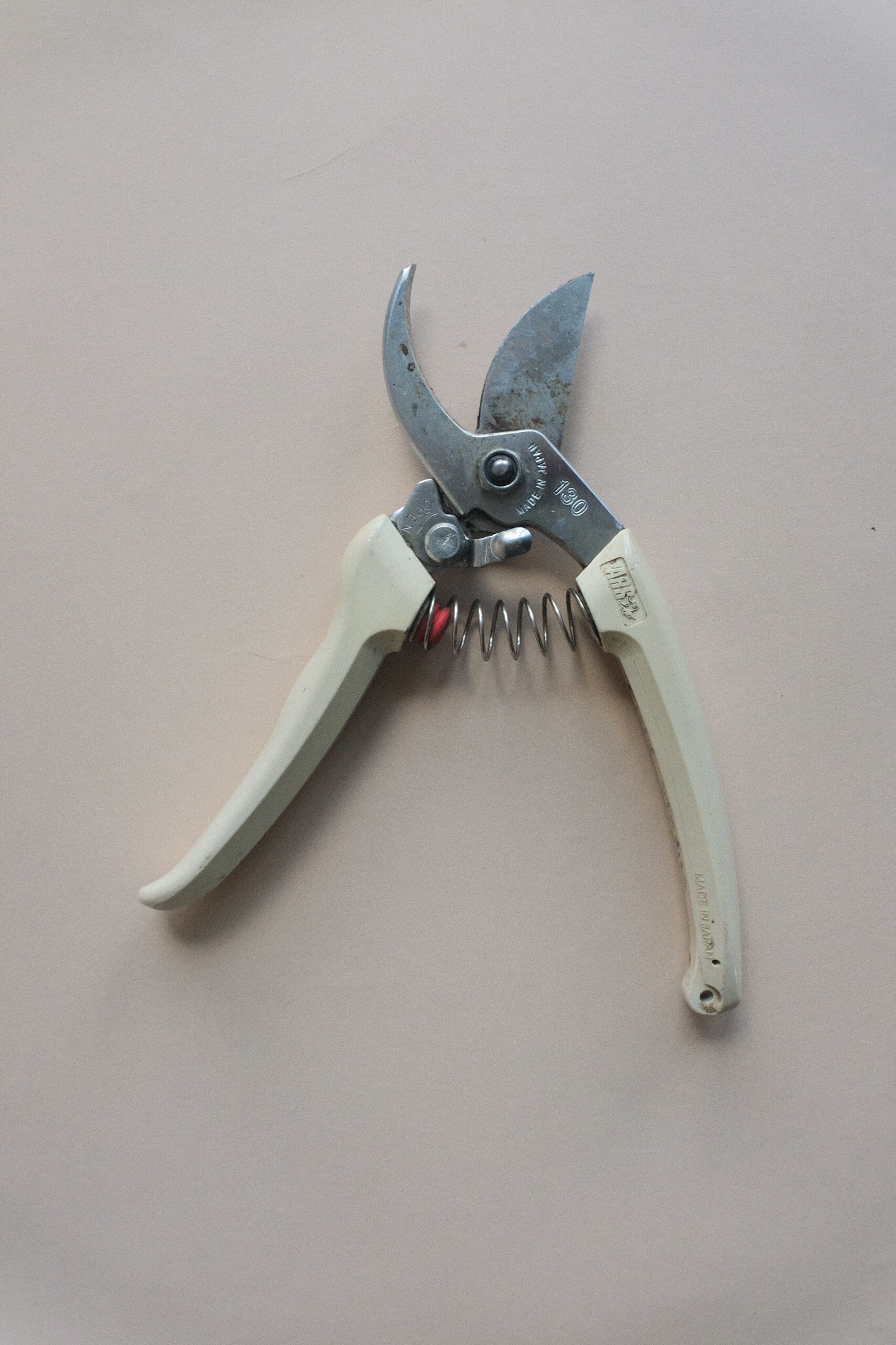
Lightweight and low-fuss, a basic pair of shears could be used hundreds of times a day in the studio or on-site. Perfect for trimming twigs and medium-sized stems, we use our shears not just for stylistic arranging, but to protect flowers when cutting them to ensure that their ends remain open to water intake and we find that these ars shears are the most durable and comfortable in our hands.
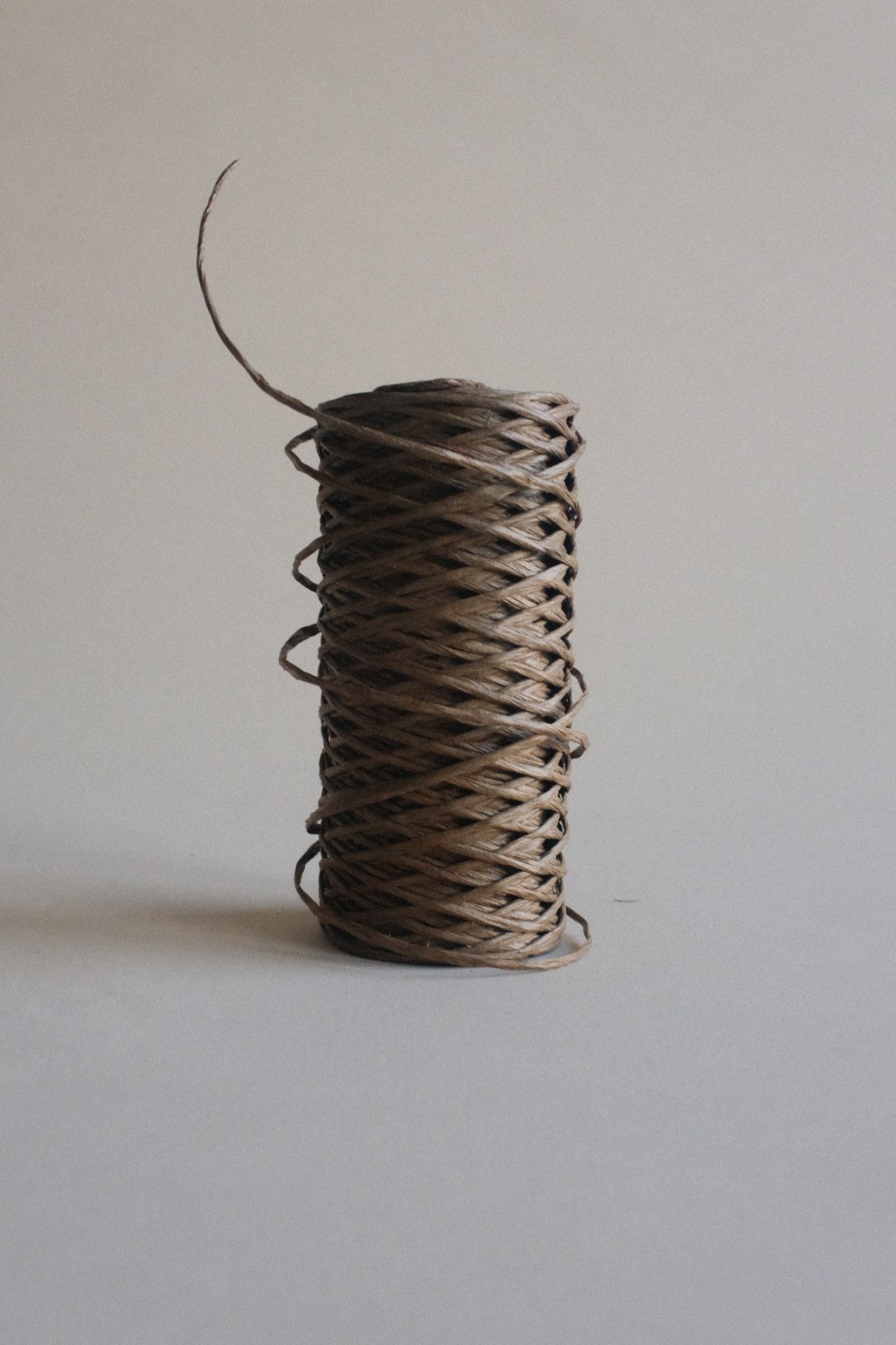
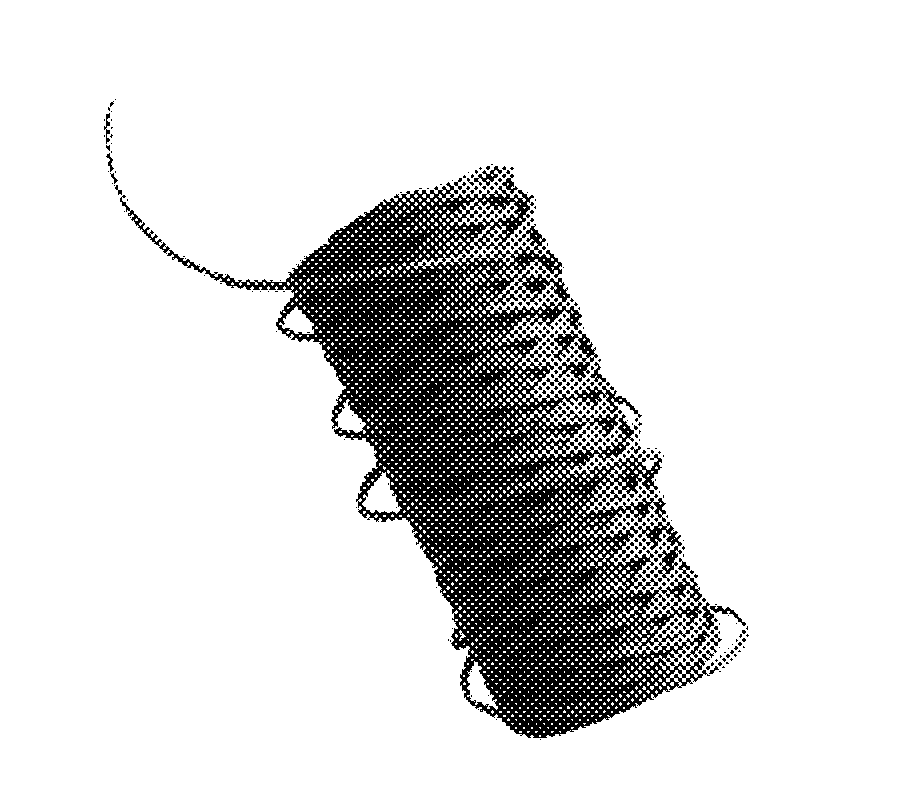
Much like it sounds, bind wire allows us to hold things together. This could look like manipulating the wire into a frog-like cage for specific stem arrangement within an intervention, or it could be used to help us reinforce a structure like a wreath, a tangle of sculptural stems, or a nest of branches.
Archive
Archive
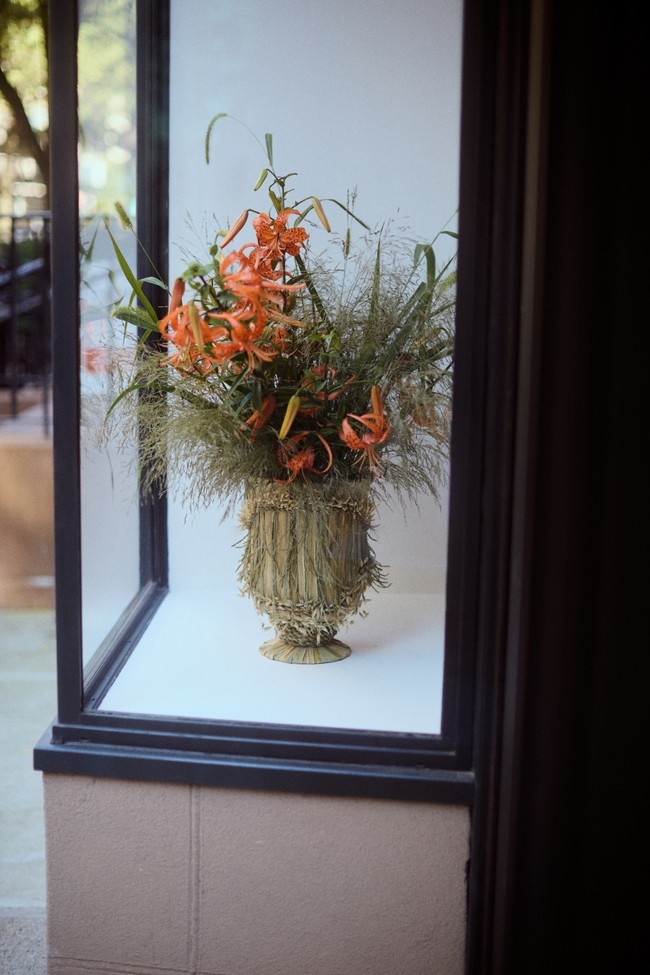
Vibrant tiger lillies and blueberry branches. Photo: Alyona Kuzmina.
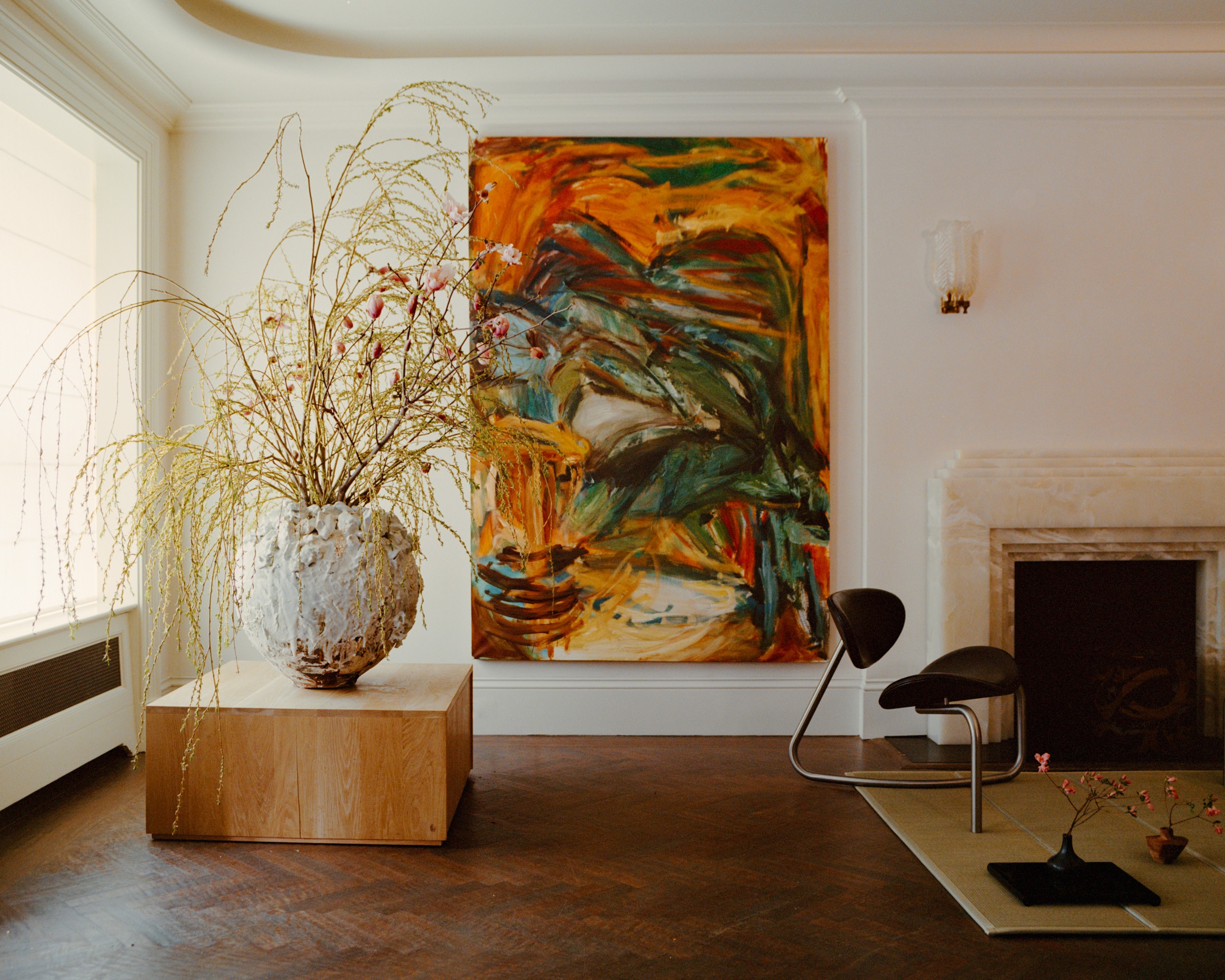
Magnolia, weeping willow and azalea buds inside of a tranquil space designed by Rob Johansen and photographed by William Jess Laird.

Orange tiger lilies in a subtle yet significant vessel in the back room of Somerset House. Photo: Marco Galloway
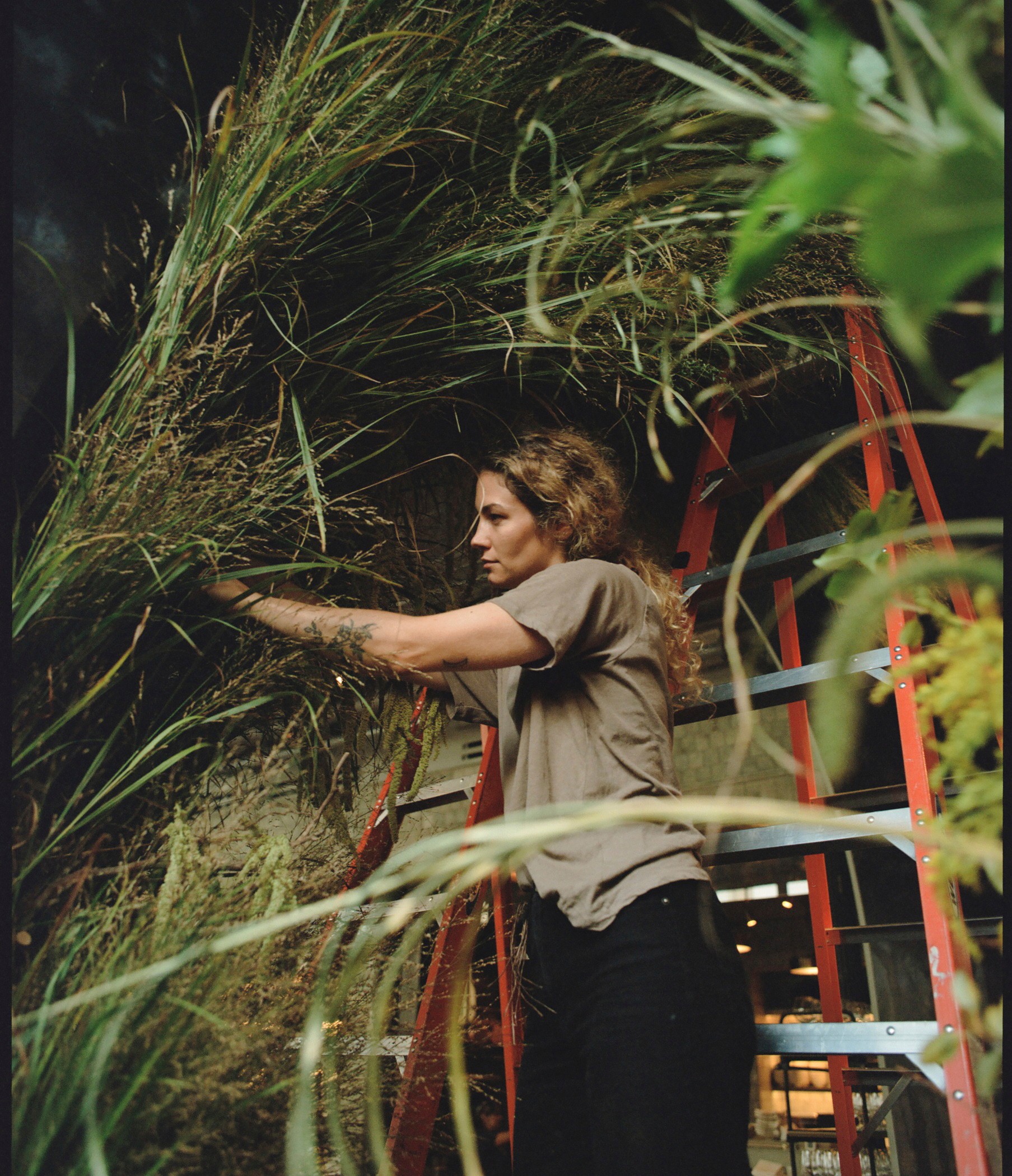
The archway at Roman & Williams, adorned in late summer’s finest foraged greens. A slurry of grasses were nestled into an armature of mountain laurel and garnished with long green-bean-looking catalpa pods to create this vertical meadow of fringe which crawls 14 feet up the wall and arcs over guest below. Photo: Austin Sandhaus
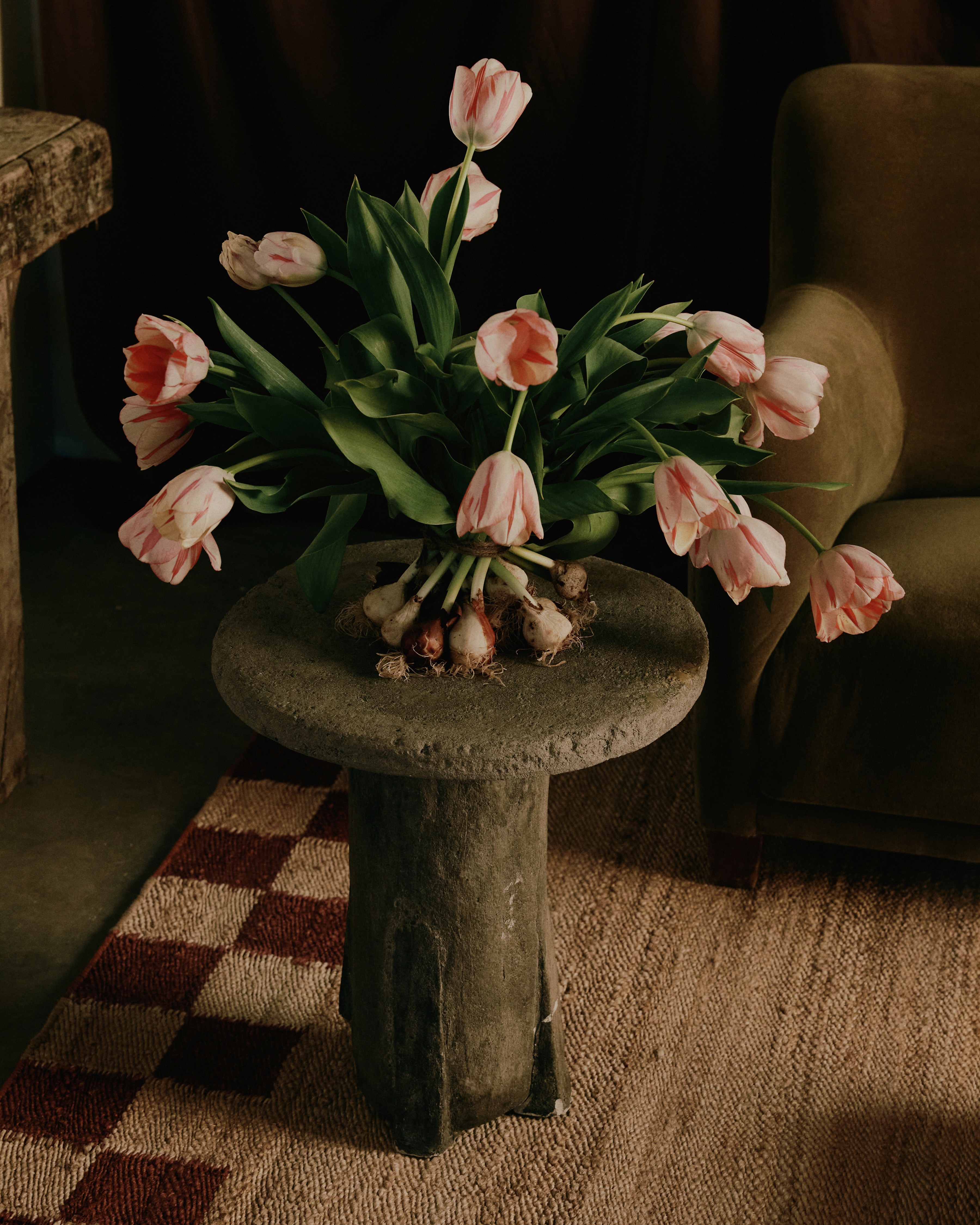
Tulip season for Nordic Knots shot and styled at Galerie Was. Photo: William Jess Laird
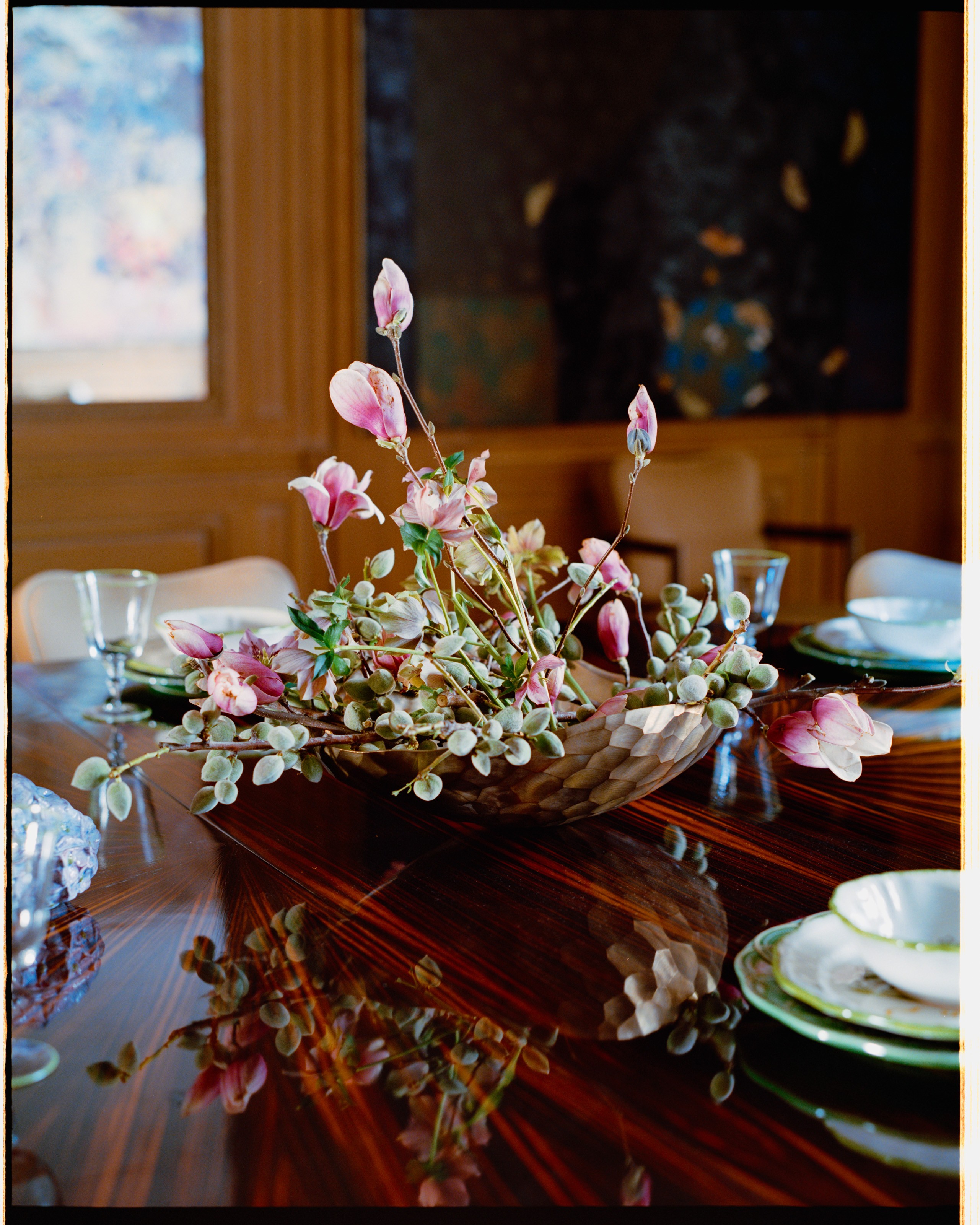
Magnolia, hellebores and almond husks inside of a garden-inspired dining space designed by Rob Johansen.Photo: William Jess Laird.
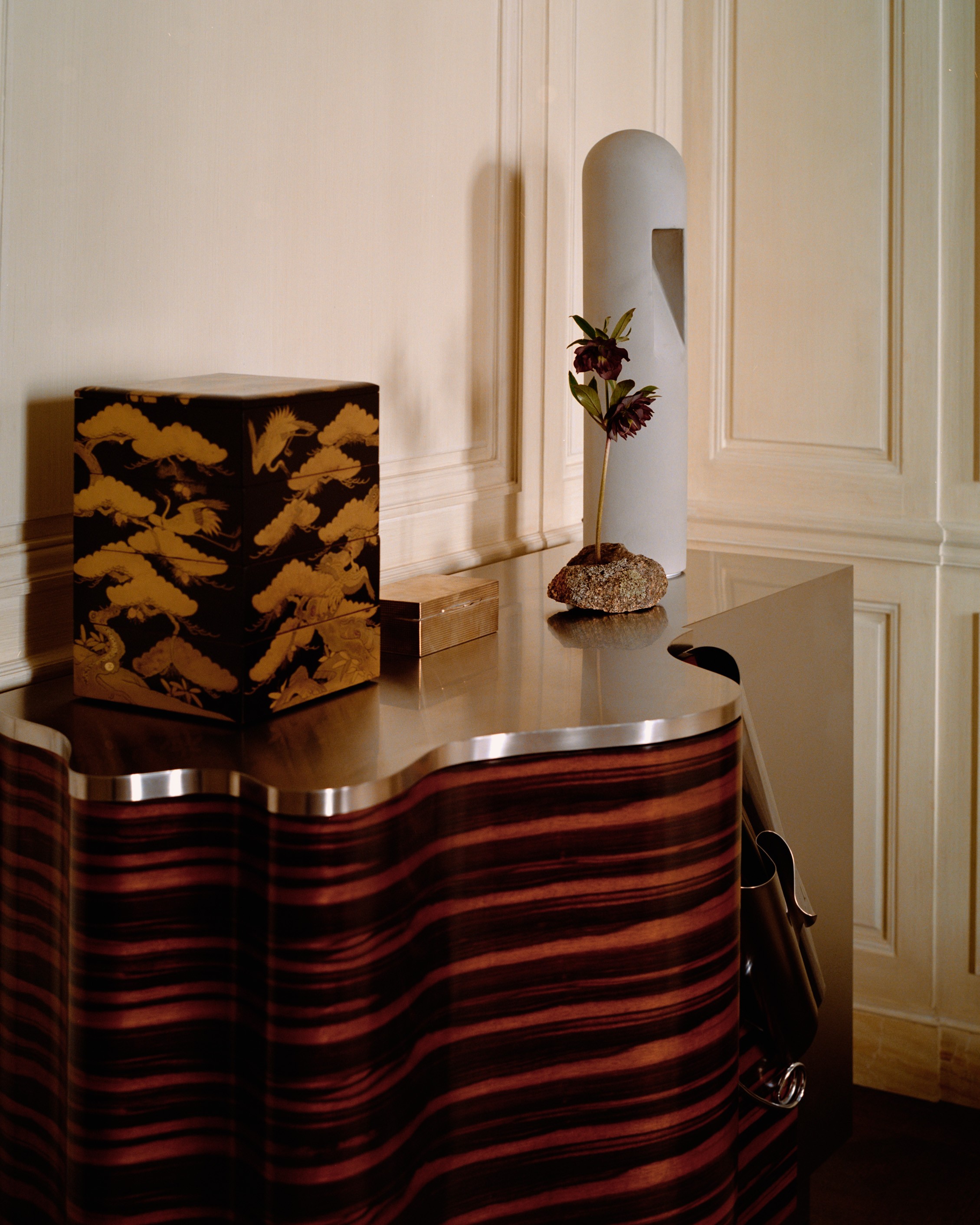
A single Hellebore stem inside of an apartment designed by Rob Johansen.Photo: William Jess Laird.
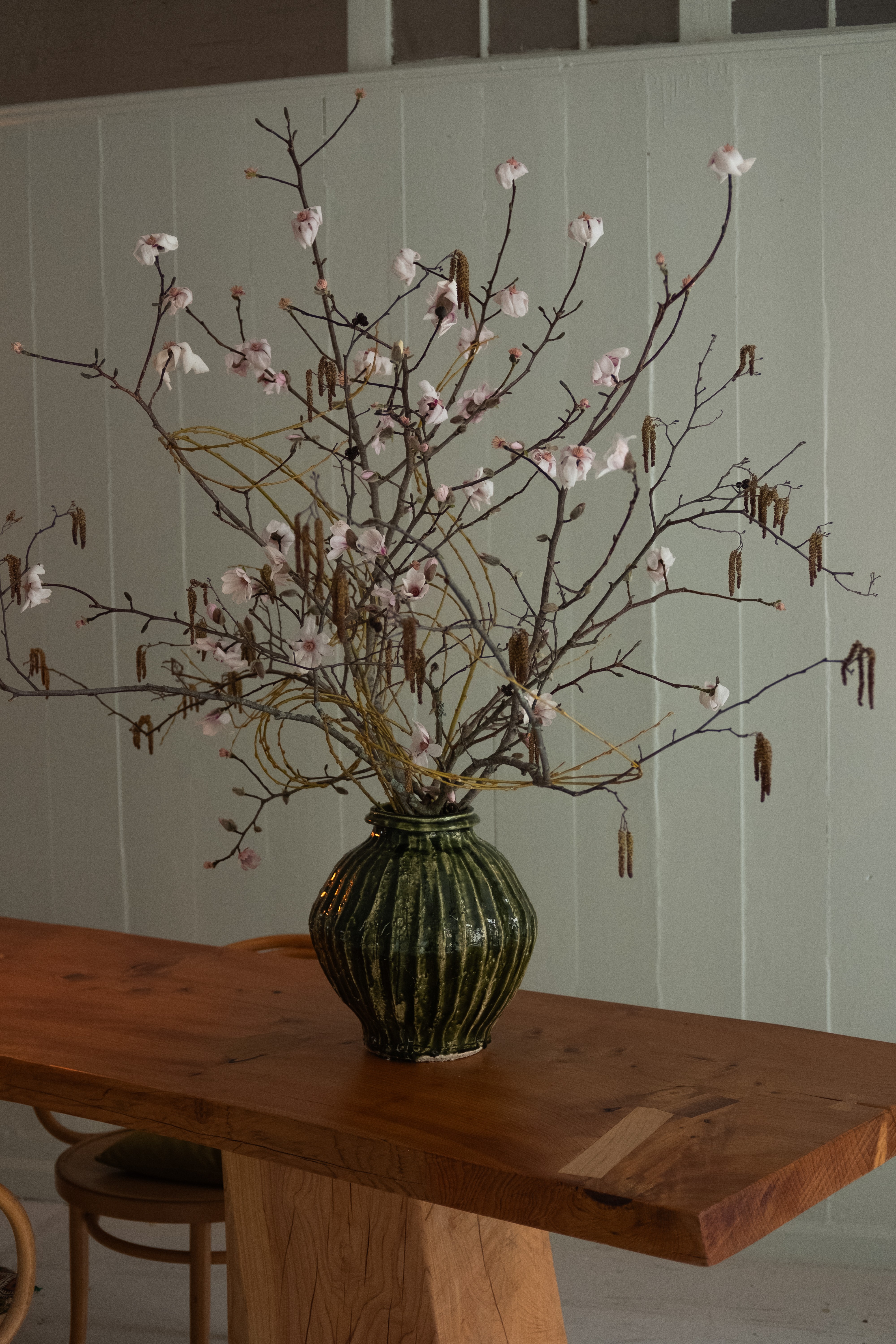
A beloved trine: magnolia, willow and birch with catkins. This was the entryway intervention at Tiwa Gallery for our dear friend Cadis' show. Photo: Field Studies Flora
A private spring luncheon at La Mercerie. Photo: Andrea Gentl and Martin Hyers
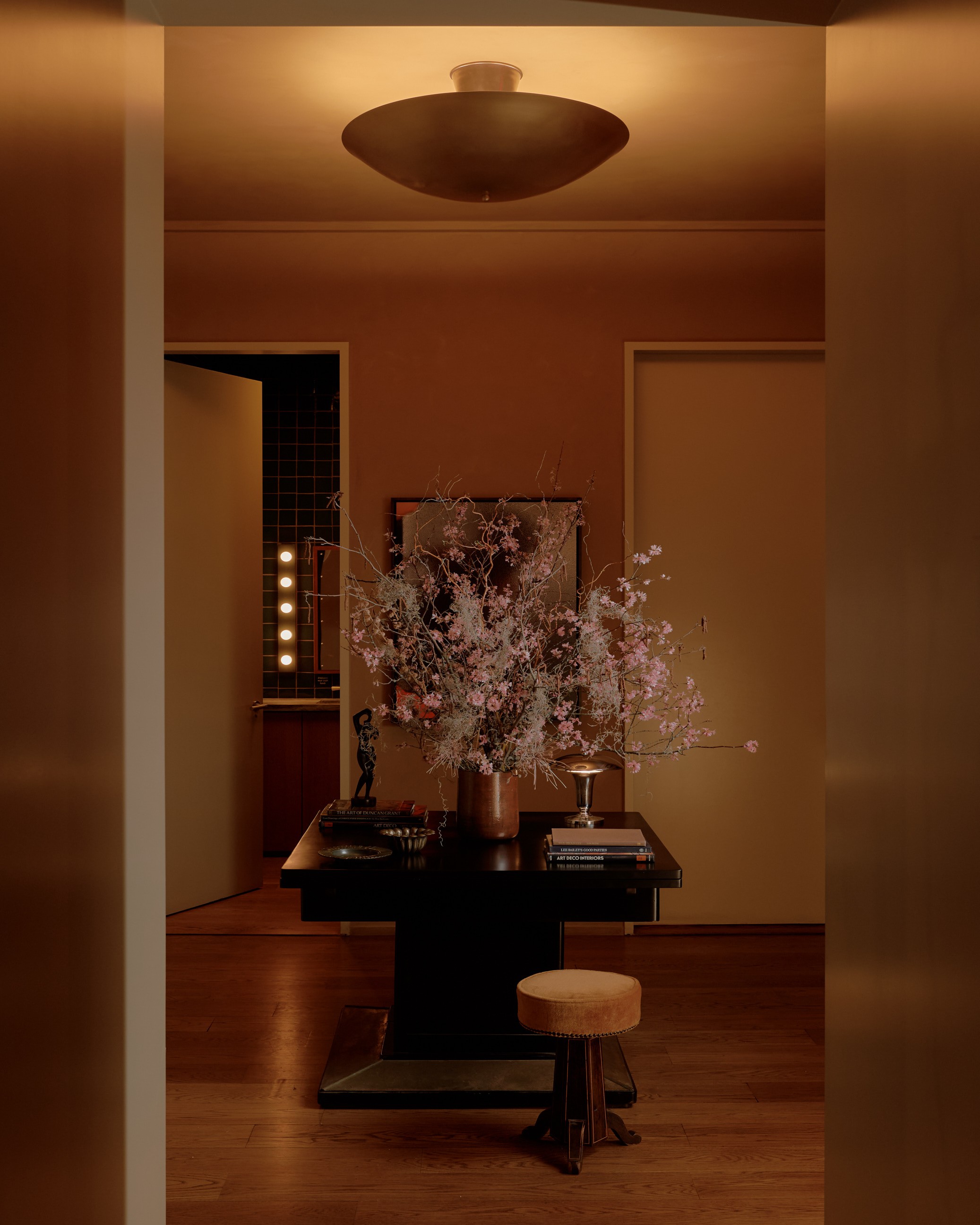
Frothy cherry and Spanish moss displayed in the antechamber of Quarters. Styling: Tim Brown, Photo: William Jess Laird

Inside the hand painted private dining room at Locanda Verde Hudson Yards. Photo: Adrianna Glaviano.
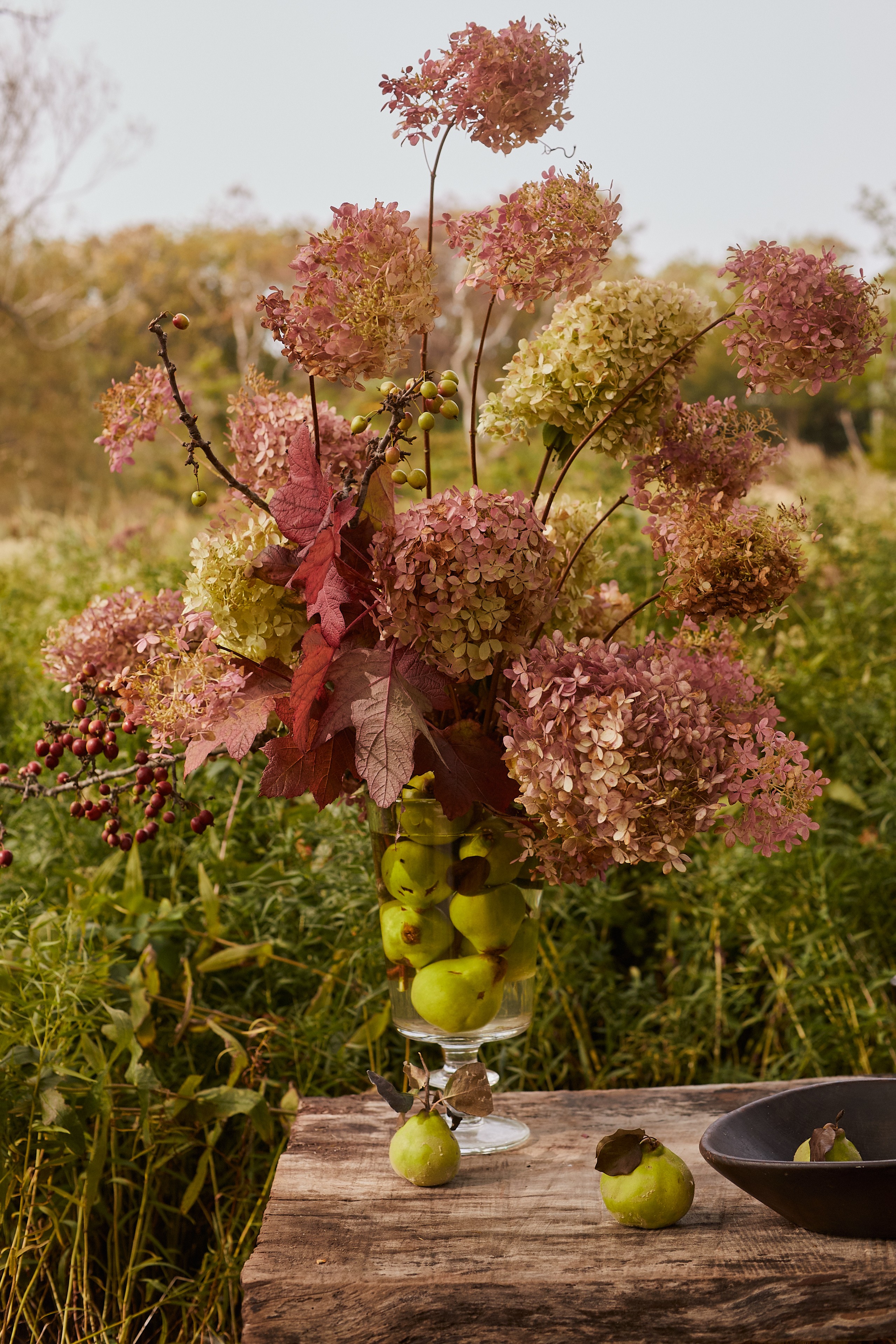
Hydrangea and electric green quince for The Financial Times story on Roman and Williams. Photo: Billal Taright