

V.
WinterJanuary
Fig 1, A founder of the British Arts and Crafts movement, Morris once said the true secret of happiness lies in taking a genuine interest in all the details of daily life. There is no faster way to do this than to sit in nature and pay attention to it.
The dead, or muted, part of winter is time for interior cultivation. The natural world settles, transitioning from allegro to adagio then to a near undetected beat. A rhythm of solitude. But what appears dormant on the surface is very much alive and churning, just out of sight.
It would be nearly impossible to reflect on the winter landscape without acknowledging French literary theorist Roland Barthes's masterful work Camera Lucida (La chambre claire) [1]. Among the most influential texts on photography, Barthes’s exploration of absence, through his grief over his mother's recent death, centers on a childhood photograph of her that he describes but never shows the reader. He believed that photography's essence lies in its testimony to "what has been," preserving a moment in time, like the dried seedheads of wildflowers still standing, stark against a monochromatic landscape, reminding us of what has been. Absence becomes presence.
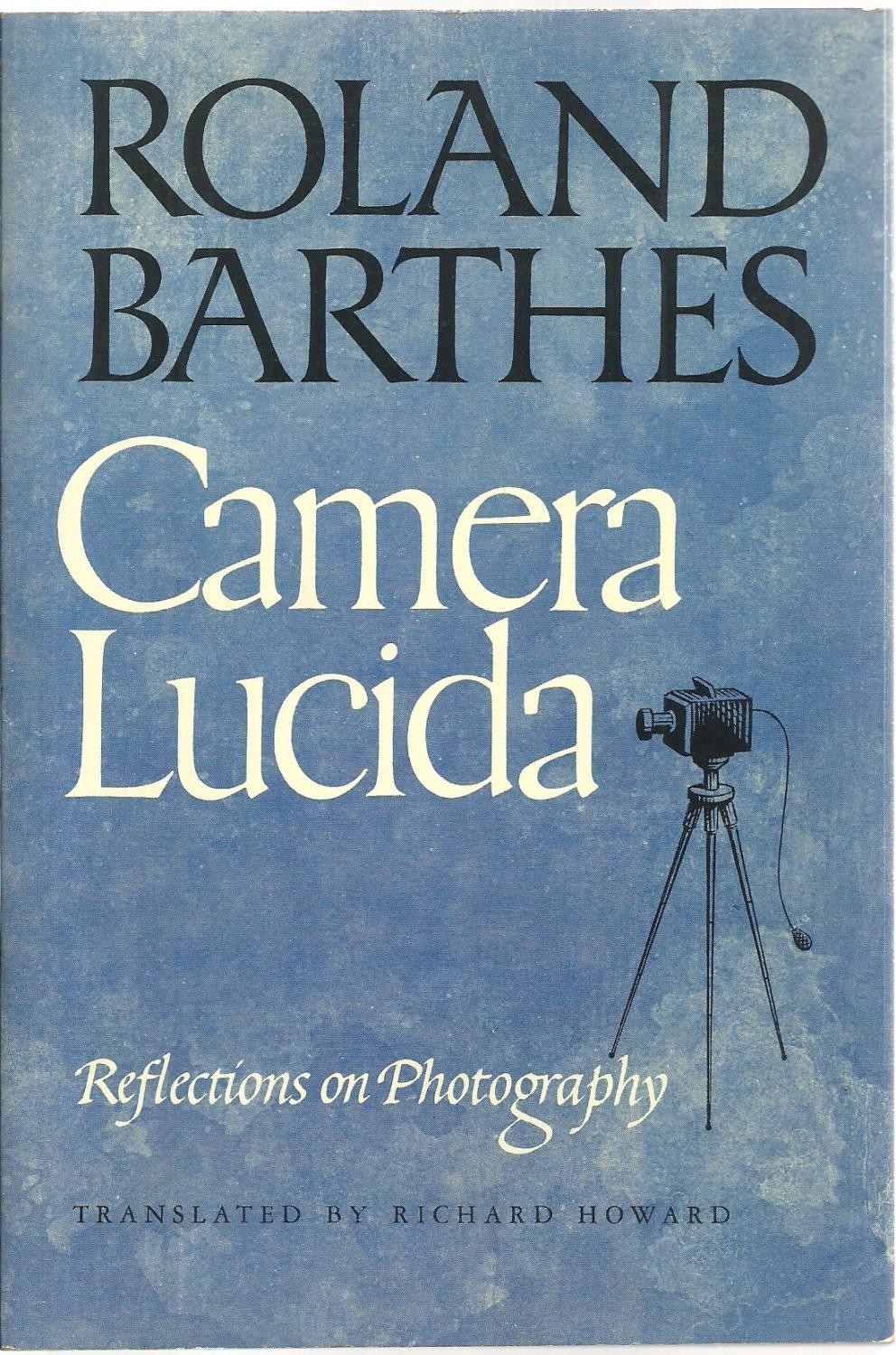
[1] Camera Lucida (1980) is Roland Barthes’s philosophical reflection on photography, its essence, meaning, impact, and what it holds– memory and both presence and absence. The photograph is a meeting place of separate timeliness: past, present, and future. The seminal work explores the temporality of life and the traces left behind, that which endures.
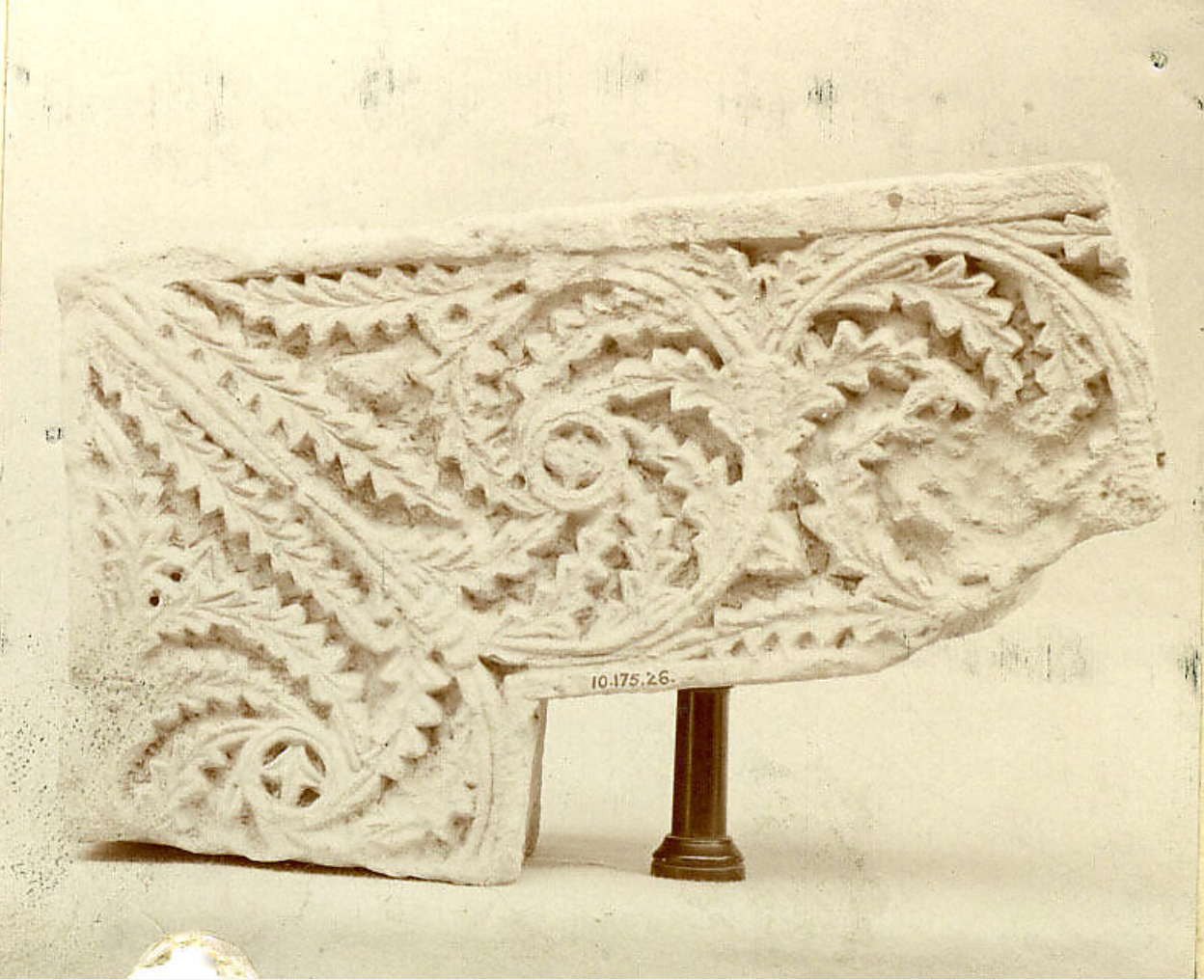
Fig 2, This door frame corner is part of The Met’s collection on view from the 6th century. Its design features the spiny leaves of the Acanthus. This plant is famous for its many cameos in decorative motifs in Greco-Roman architecture, symbolizing enduring life and luxury.
As I watch the low light of winter dip below the skyline through the trees out my back window, casting fleeting puppet shows of branches and squirrels upon my walls, I’m reminded of another connection between photography and botany: they are each a medium of light. Photography literally means “writing with light;” do plants not do the same? They reveal themselves, unfurling form and color in near cursive gestures [2]. The botanical photographs, drawings, and paintings that fill our studio library trace this: capturing structure, rhythm, and detail, preserving what is alive even when the view outside our windows or in the fields has succumbed to winter. More verdant images become companions and modes of research, constant points of connection and inspiration for our work.
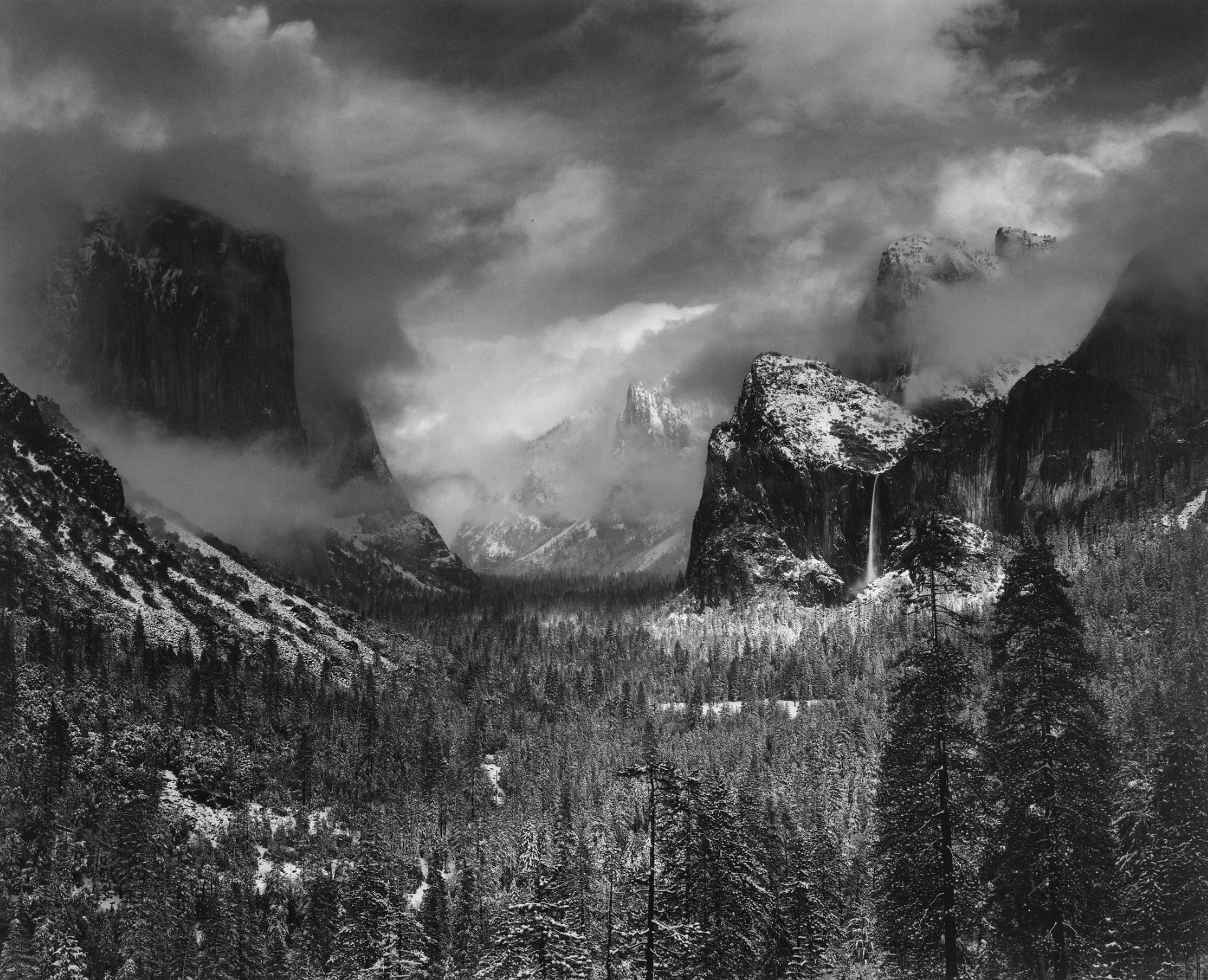
[2] Light, as medium, is how the living world arrives to us—softly, insistently—turning leaf and petal into something readable. It is not only illumination but translation: a way of rendering veins, translucence, and bloom into surface, shadow, and tone. In winter especially, we notice how light performs its unhurried work, holding form in place when color thins and the landscape recedes. Ansel Adams, Clearing Winter Storm, Yosemite National Park (c. 1940), is an iconic image that carries this sentiment.
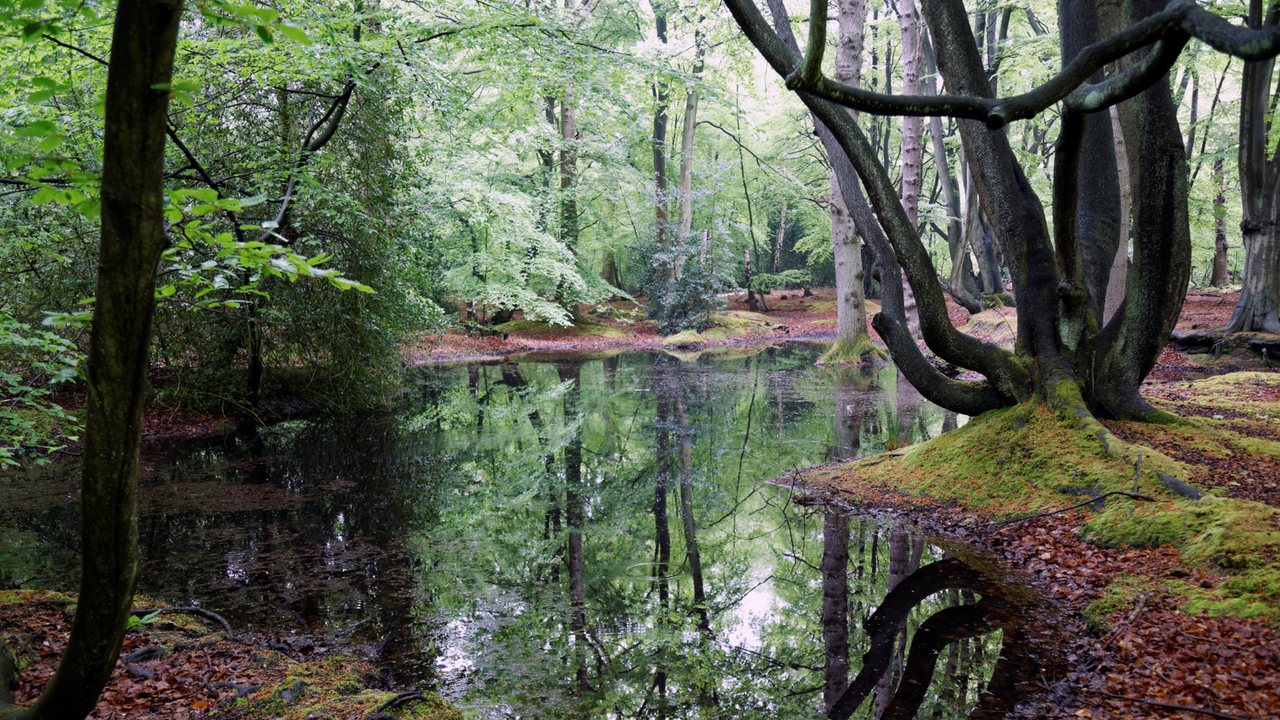
Fig 3, The many gardens and rural environments that Morris knew well were a key source of inspiration for his oeuvre. His love of natural environments began as a child living in Walthamstow, north London, where he could get lost in the woodlands of Epping Forest. Unsurprisingly, after exploring from afar, this is said to be one of the most haunted forests in all of the United Kingdom.
A favorite source of influence is William Morris. I find kinship in his way of seeing, so visible in his expansive portfolio of textiles. His work translated and exalted the natural world, creating exquisite patterns, rooted in a fervent obsession for the tactile, hand-made object. Morris, a founder of the British Arts and Crafts movement, sought to restore prestige to handmade creations amid industrial production. Like him, we believe in the exaltation of nature through what we can create by hand, carefully, lovingly, uniquely.
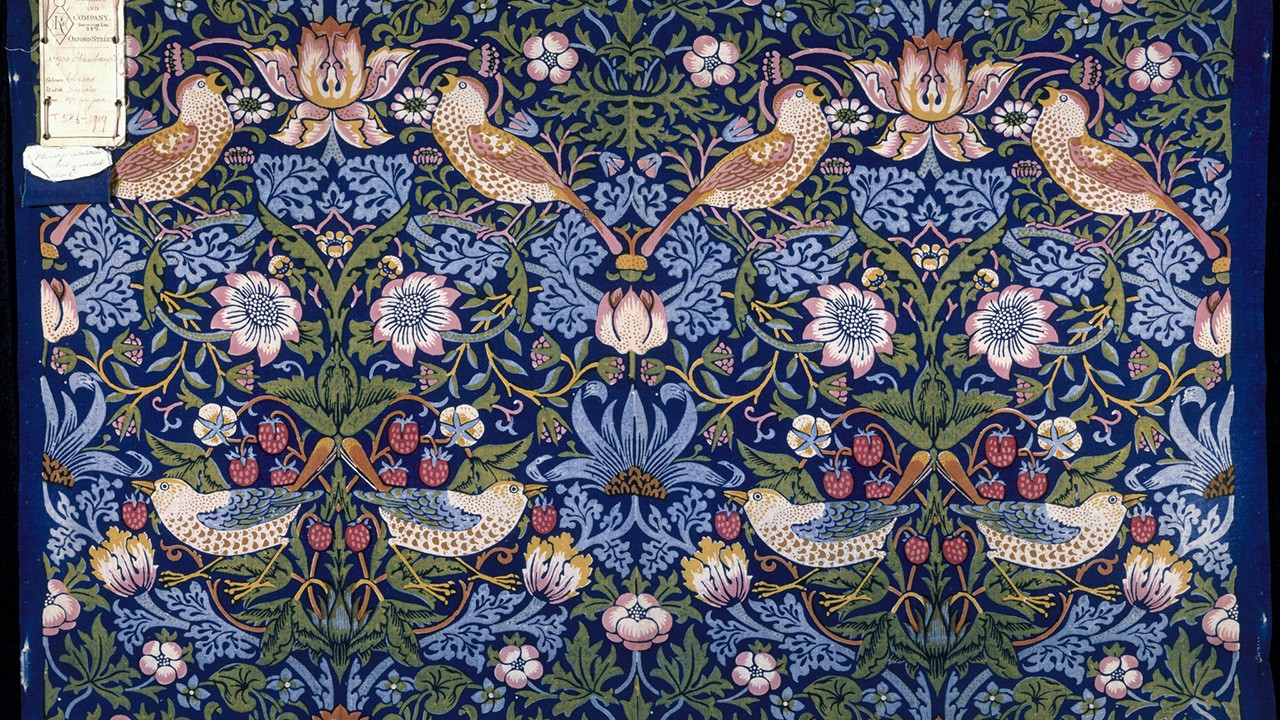
[3] Strawberry Thief began as a garden observation: thrushes slipping into the fruit at Kelmscott Manor, Morris’s countryside home in Oxfordshire. Drawn from that small encounter between birdlife and cultivated abundance, the design turns ripening flora into pattern—leaf, vine, and berry made rhythmic through repetition. To print it, Morris used the painstaking indigo dye method he admired above all forms of textile printing, allowing the colours to deepen slowly into their final brilliance. What remains is a living study of the garden, preserved in cloth.
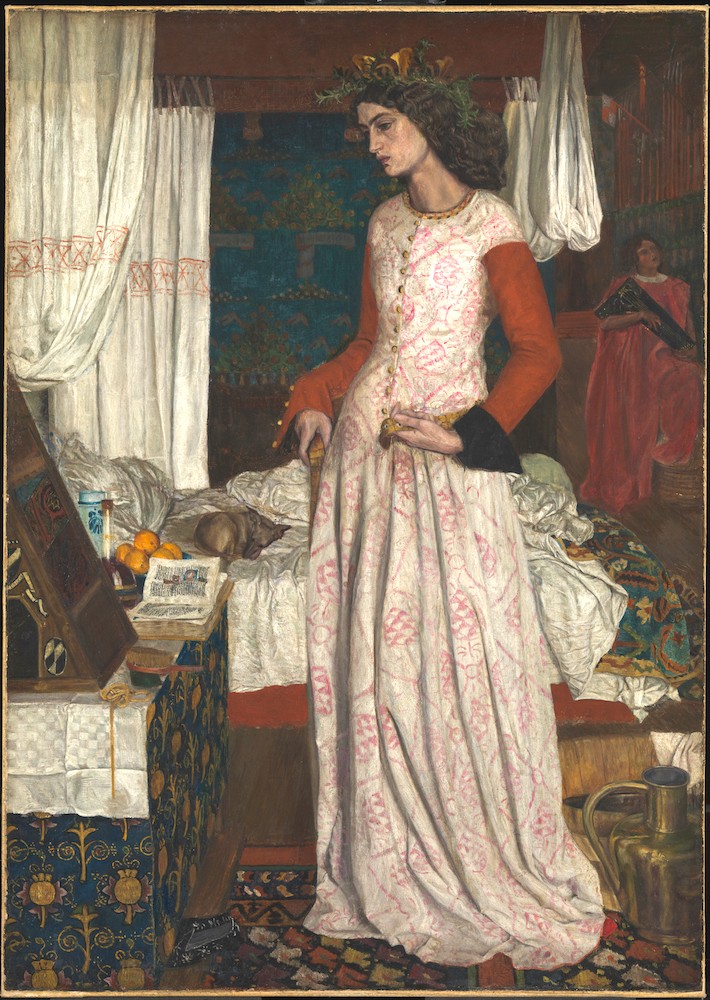
Fig 4, La Belle Iseult, also known as Queen Guinevere, is the only surviving completed easel painting by Morris. Painted in 1858 in the Pre-Raphaelite style, it depicts his wife, Jane Burden, and showcases Morris’s textiles, which offer an entire language of flora. The painting was bequeathed by Miss May Morris in 1939 and is now part of The Met’s permanent collection.
Morris's textiles preserved botanical life through pattern: the repetition of leaf, bloom, and vine creates a kind of visual anthology of nature's forms. Designs like Strawberry Thief, inspired by thrushes he observed in his own garden, are more than decoration[3]. In Morris's work, as in the botanical books and photographs I return to in winter, nature is present not only as specimen or document but as a complete language that has found its way into art and design across centuries. From medieval manuscripts to carved marble, from tapestries to printed cloth, we are part of a lineage seeking to bring the depth, vividness, and vitality of the natural world into interiors, across seasons. Like a warm blanket wrapped around us, we tug at the memory of more fruitful seasons while the current landscape withdraws deeper into the slow, subtle beat of winter.