

I.
Mission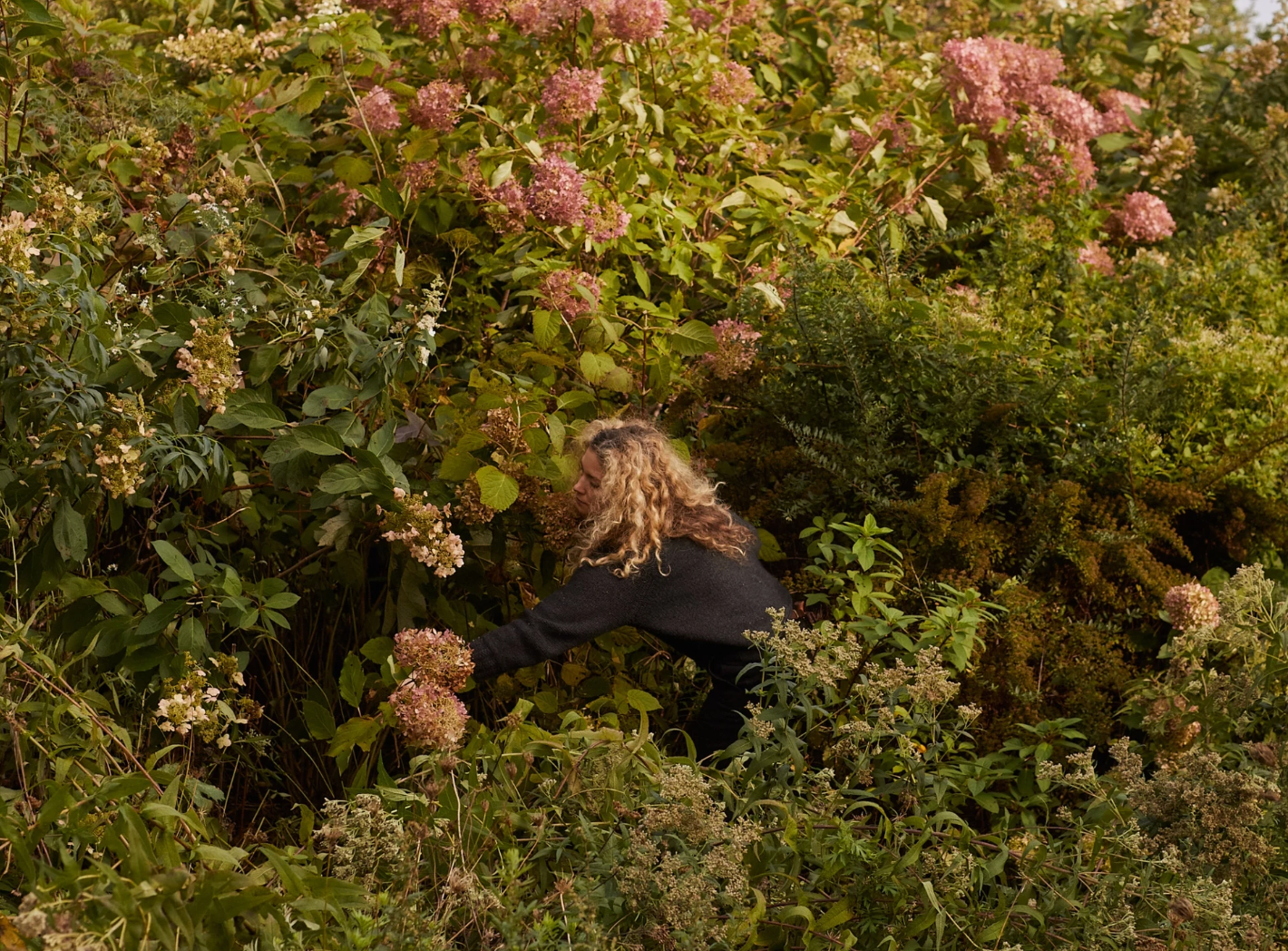
Fig I, Alex lost in a sea of Hydrangea and electric greenery for a story for The Financial Times on Roman and Williams, a longtime collaborator and client of the studio. Photo: Billal Taright
We florists work with the raw alchemy of the earth. Sunshine, water, soil, air — it all comes together in the blossoming of a flower, the unfurling of a leaf, the fruit swelling on the branch, the steady ascension of a vine.
To hold such a transmutation in one’s hand or, in the case of a florist, to place it into the hands of another, is to hold all the elements at once. We see ourselves as disruptors, aiming to bring a new way of working within the framework of “florist” – one that aligns with nature. [1]
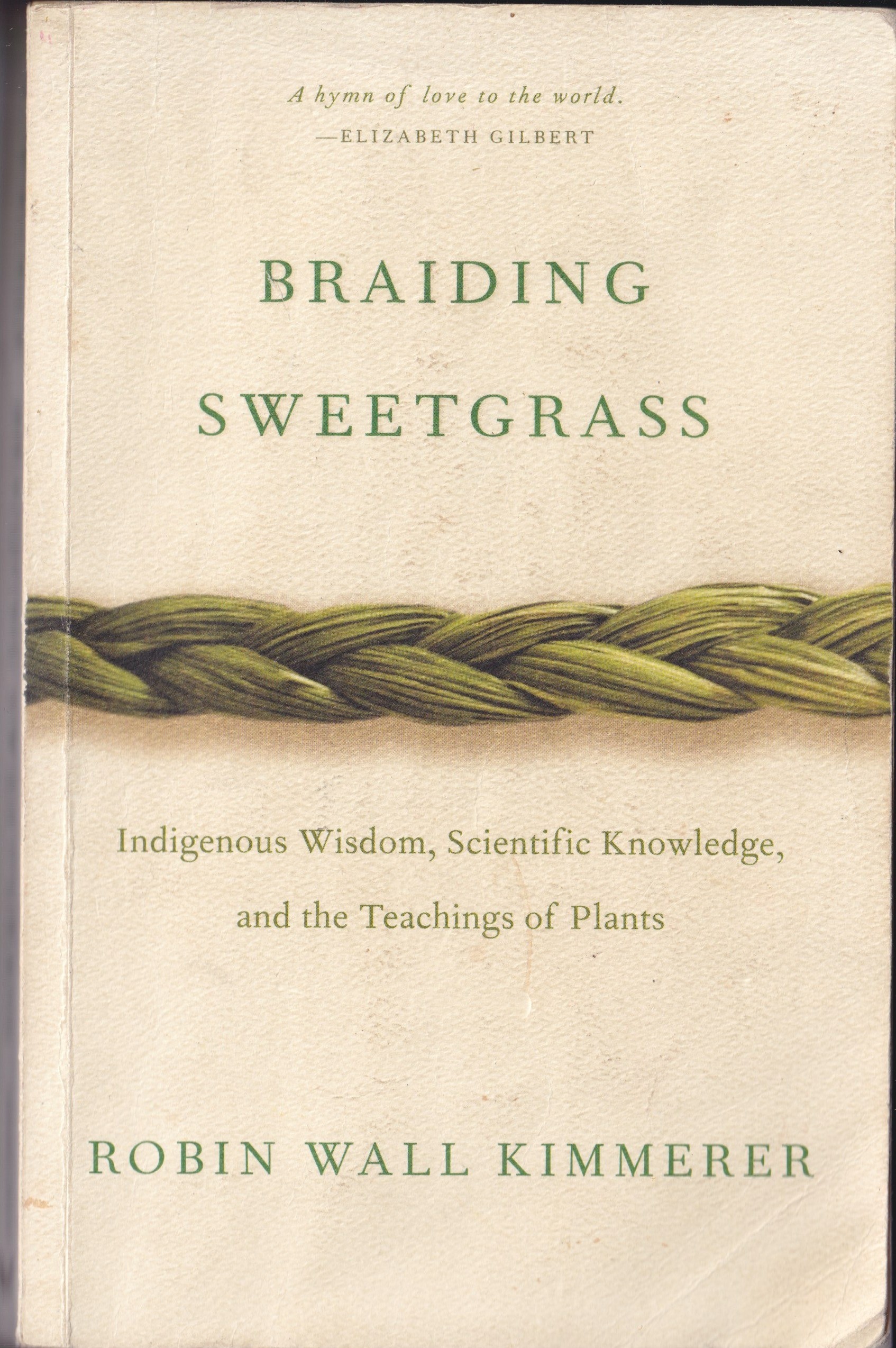
[1] In Braiding Sweetgrass, Robin Wall Kimmerer tenderly articulates nature's abundant generosity and makes a sound argument for the need to raise our collective ecological consciousness. Our contrarian approach takes a page, if not every chapter, from this very idea.
“In nature's paradigm, there is no failure. Everything we attempt, everything we do, is either growing up as its roots go deeper, or it's decomposing, leaving its lessons in the soil...” —adrienne maree brown, normal
fig. II, Equal parts design studio and floral library, this space in our lab is often reflecting our thoughts of the moment. Though these change with the season, a constant are plates from The Book of Wildflowers, published by the National Geographic Society in 1921. A treasured text to our team, it's a comprehensive encyclopedia of wildflowers containing detailed hand colored plates and excerpts comparing wildflowers to bustling cafeterias. Explore it, and much more, on the Index. Photo: Maureen Martinez-Evans
At Field Studies, we prioritize sourcing from and investing in local growers and foragers within a 200-mile radius of New York City—favoring stems, branches, fruits, and other materials that have traveled the shortest distances and passed through the fewest hands. This approach enables us to meaningfully support regional economies and ecosystems, while engaging in an ongoing study of the diverse flora that grows in close proximity to us.
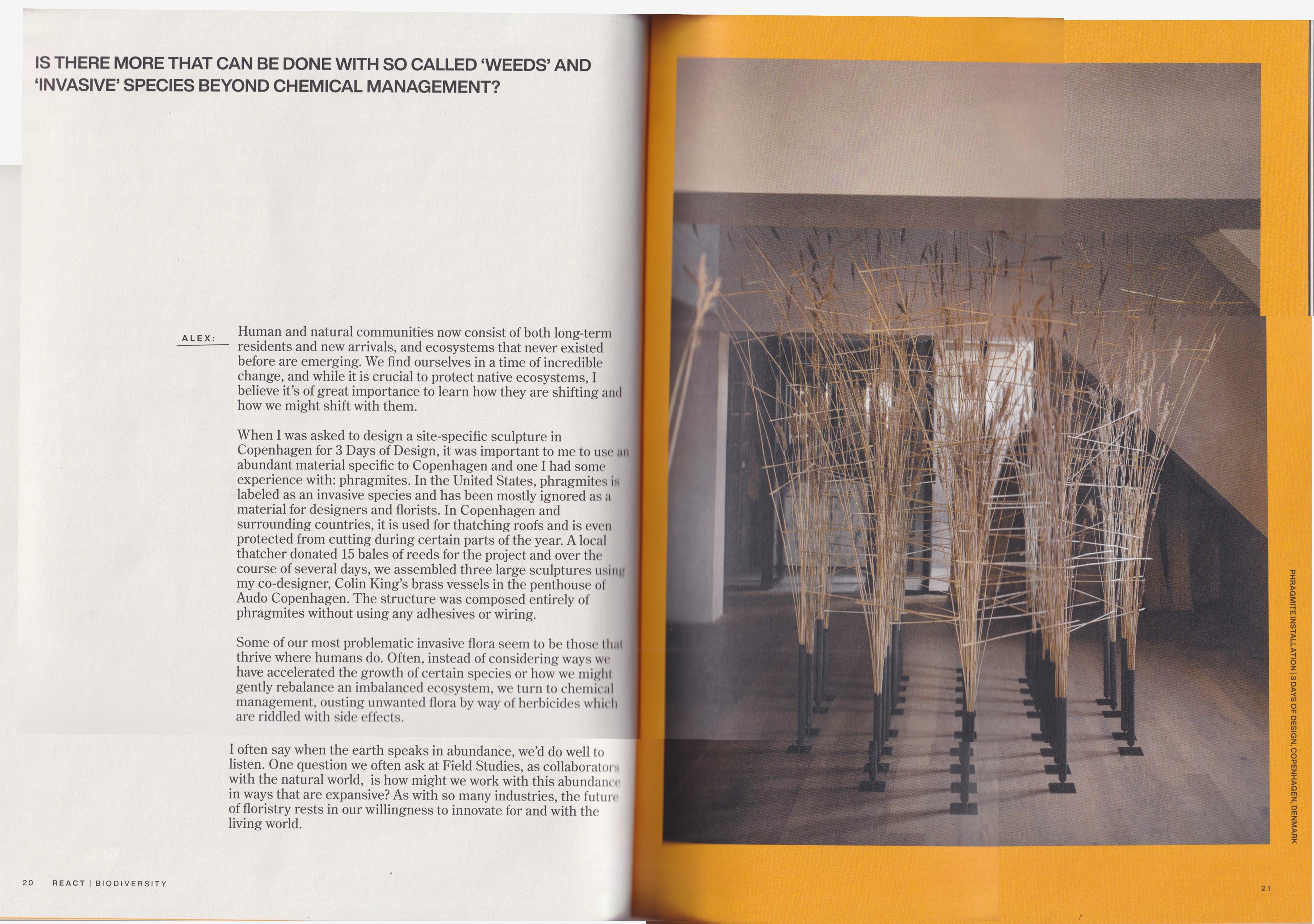
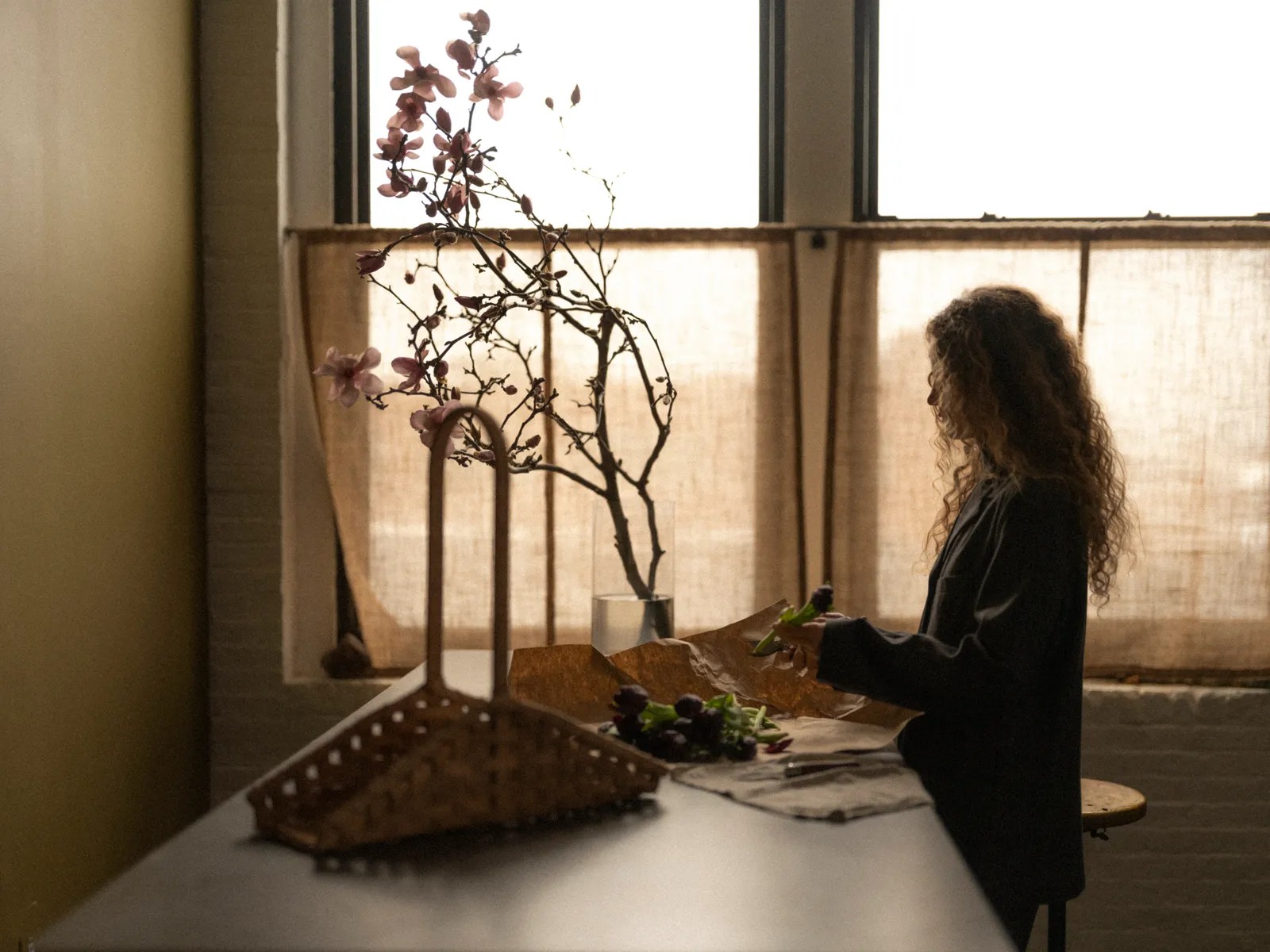
fig. IiI, “I think there’s this idea that you have to take classes or do a workshop to become a florist, and it’s not true. We’ve been gathering since we started on this planet.” Read more on Vogue ↳.Photo: Maureen Martinez-Evans
How can floristry create space for unwanted species — the overlooked flora[3] that often exists in abundance?
Artist William Pope.L poses this question: “can we accept the idea that the richest soil has been tainted—or maybe enriched—by the negative?”
There’s much to learn from species who have survived the journey from other continents and have, against all odds, persevered often in the unlikeliest of places. By incorporating these overlooked and undervalued species into our work we elevate the flora at your feet, to eye level.
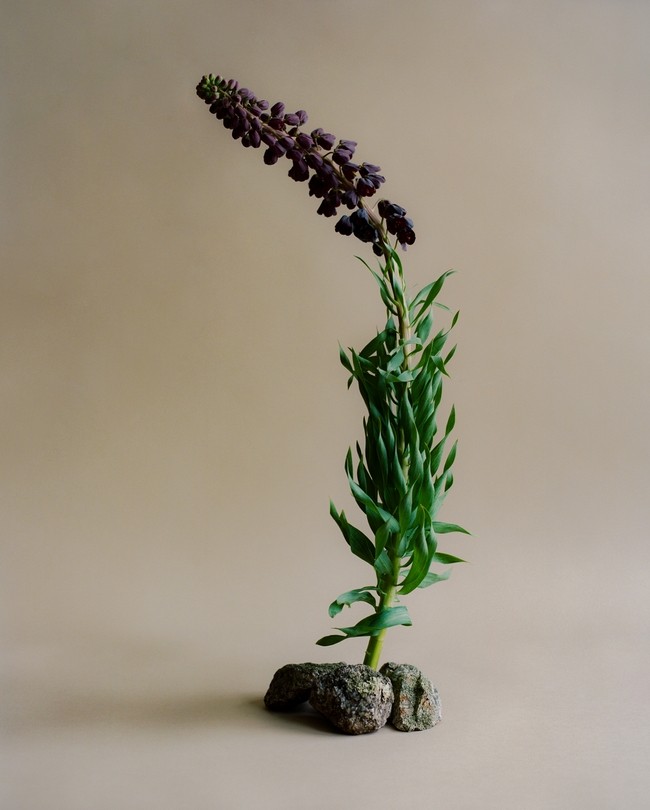
[3] Plant blindness infects our urban communities and may very well spread. We would like to provide a remedy. Read more about it, here ↳
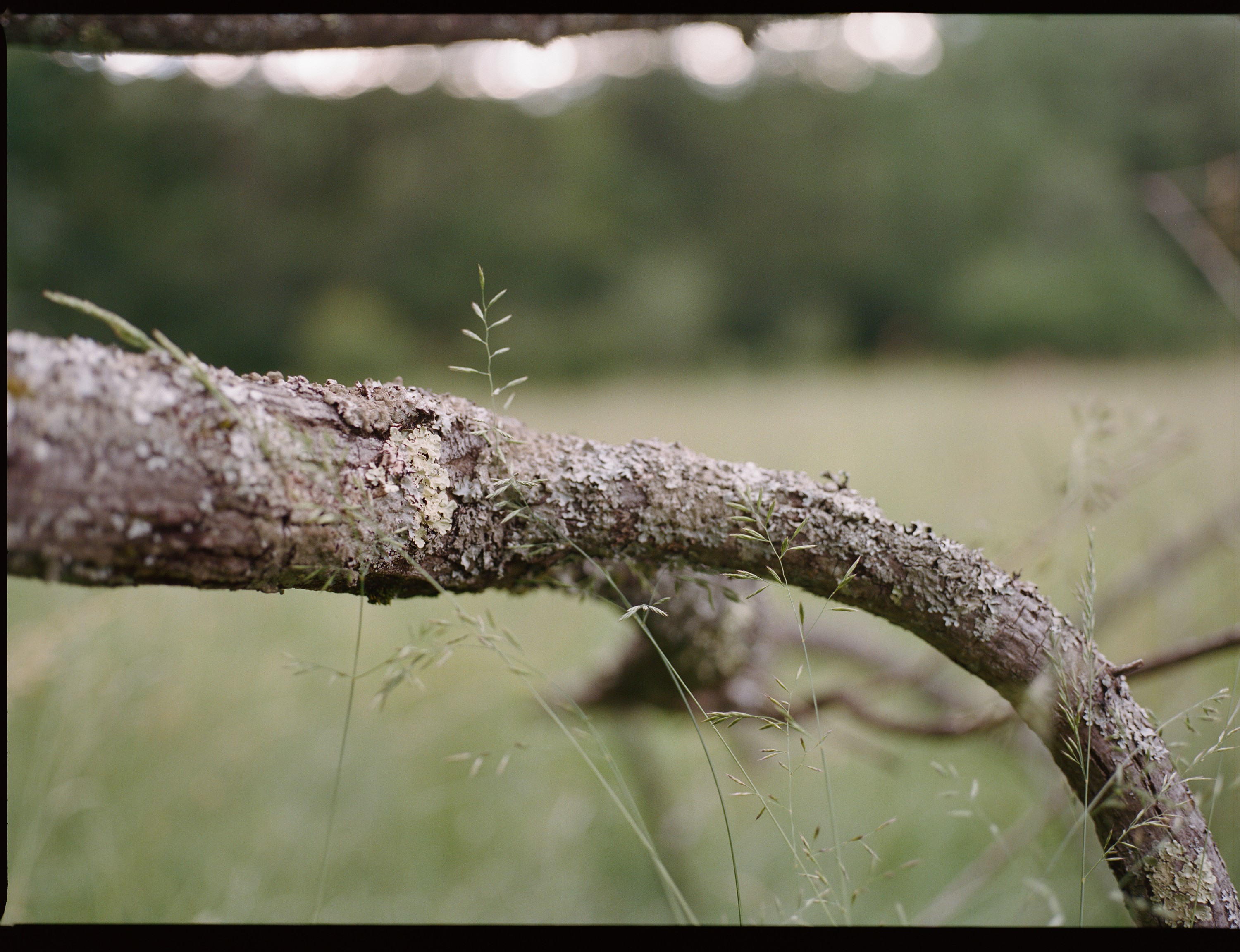
Without plants, there are no humans. They are responsible for creating the conditions for us to survive, producing one of the building blocks of life: oxygen. Plants also make up the majority of the world's food supply. There are just over 400,000 known plant species on our planet. Grass, a favorite of ours, is one of the most abundant on our planet Photo: Alex Crowder
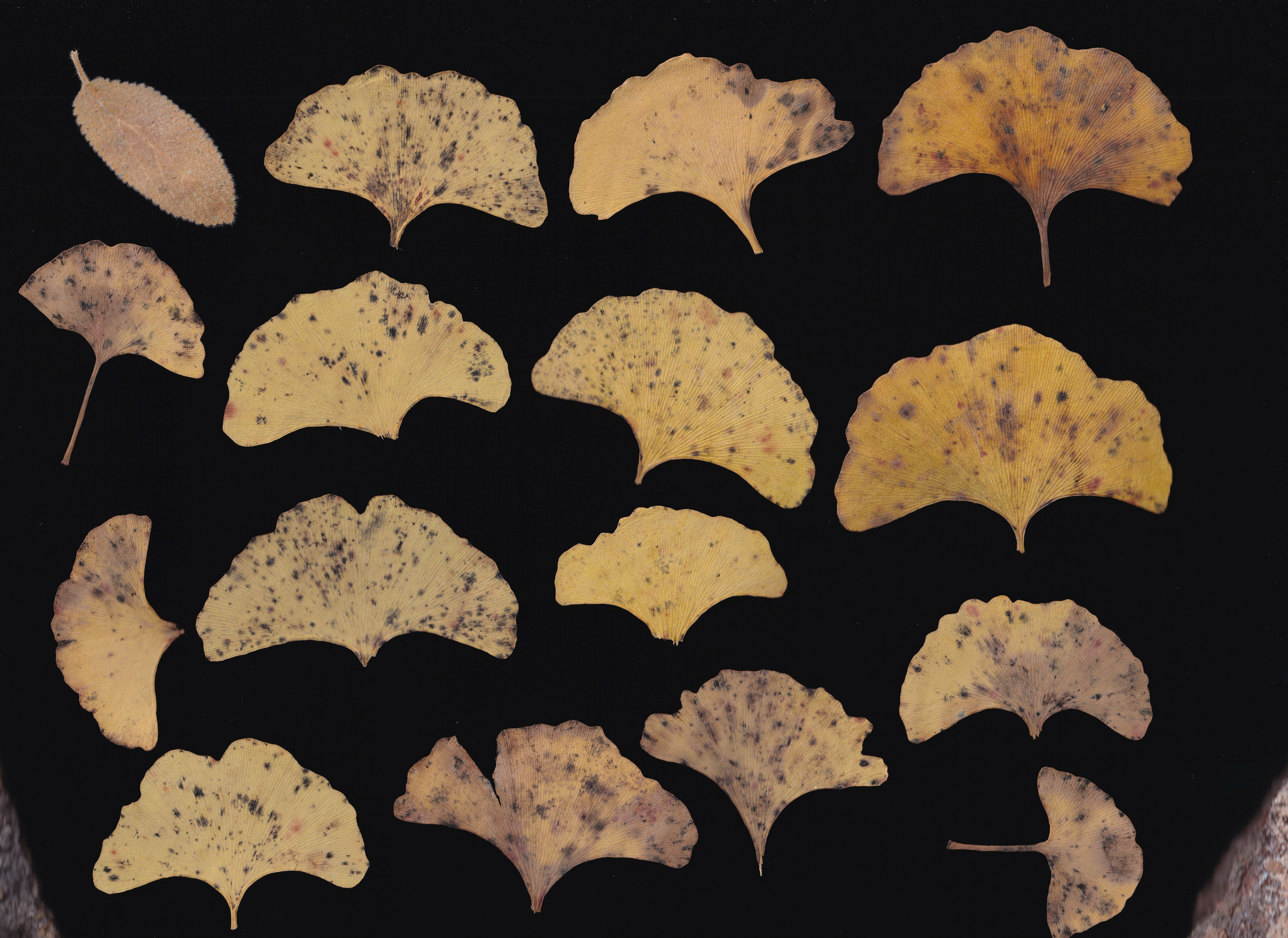
Fig. iV, Peppered all over this website, you'll see plants that have been through every stage of life in our studio from vibrancy to fossilized decay. Like the students we are, not one stem is discarded until we've studied its full potential. Here, a crowd of Ginko leaves, each preserved and scanned into our liberary.
Each week, we have a sourcing meeting, discussing that week’s peak ingredients available from the markets, farms and foragers to ensure we’re finding the most compelling of the week's flora for our clients.
As the week's bounty filters through our studio, we study the stems, leaves, branches and blooms, contemplating all the potentials. During our most abundant seasons, we’re mindful to fill our drying racks with ingredients for use in winter and spring.
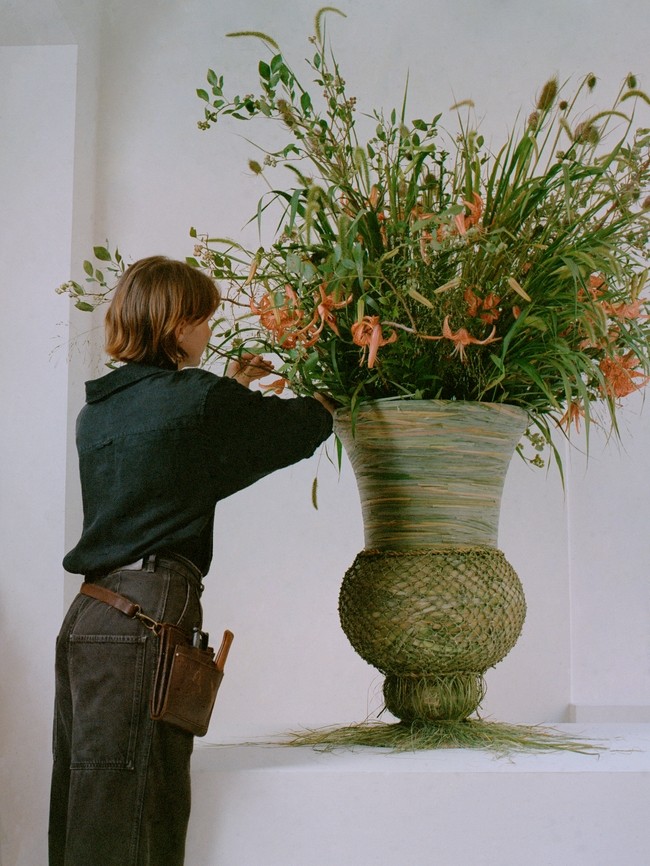
Abundance can mean a multitude of things in nature. It can equate to balance in the ecosystem, confirming that all the plants and animals are in harmony with each other and that there is enough to go around for everyone. Or — it can be a clue, warning us of irregularity, where something isn’t quite as it should be. Photo: Alyona Kuzmina. Read more ↳
We adore the natural world as it is. We love the patina of a changing leaf, the delicate nature of a wildflower, the abundance of grasses, sedges, or unwanted species, expanding our palette and learning about oft overlooked plants. This way of seeing, noticing, and learning from the plants around us as critical. It is a part of tending to the land that ultimately tends to us.
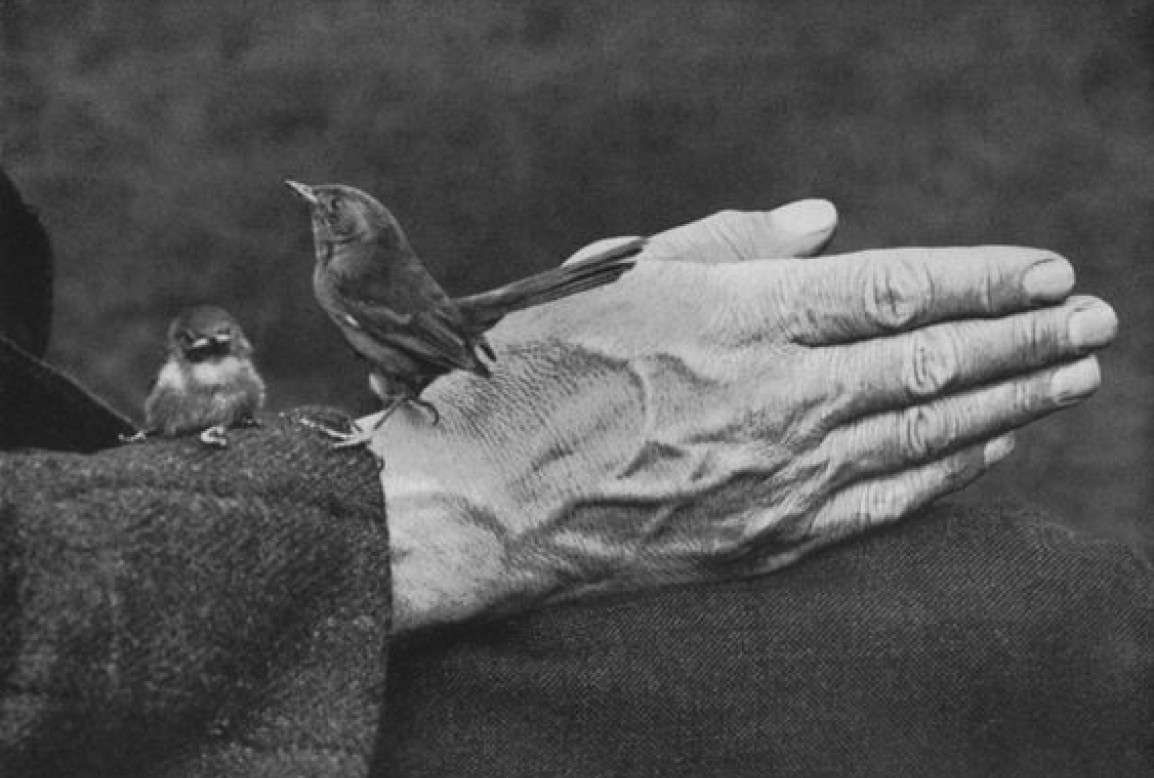
Dartford warbler and chick on Richard Kearton’s hand — a photographer who with his brother Cherry spent a lifetime patiently studying birds and other animals in the wild. They often used the term “blank amazement” when noting the things that they saw.