

V.
SummerMud and claymation
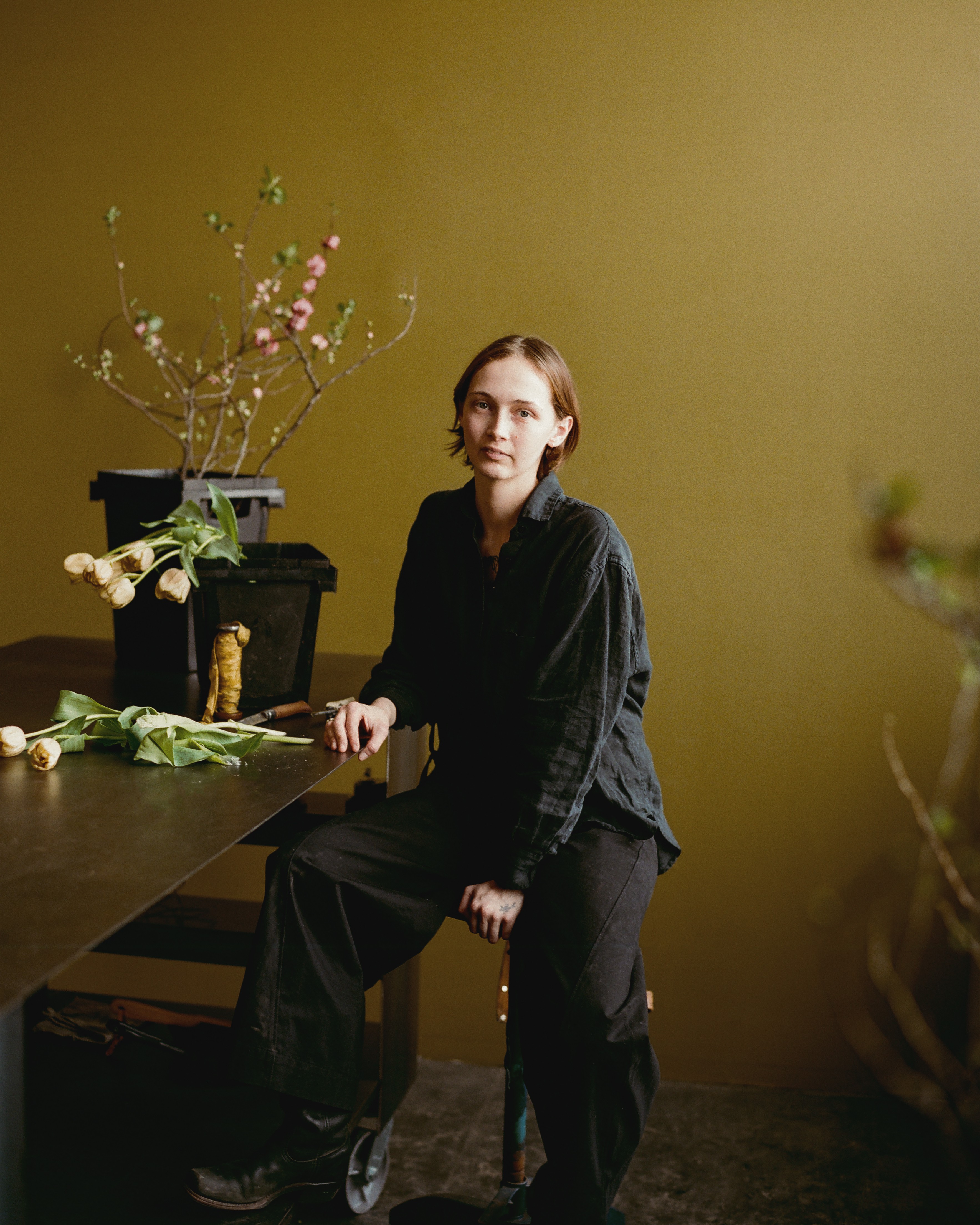
Fig. 1, Our Senior Designer Kadie Kirkpatrick at the studio in New York Photo: Kristina Dittmar
When Kadie Kirkpatrick met Alex Crowder, it was 2023 and she had just moved from the sprawling Ozark Mountains of Missouri[1] to the urban sprawl of New York City.
She found herself working as a barista, pulling shots of espresso at a coffee shop in Manhattan. At this point, becoming a florist had never occurred to her. Two years later, she’s the Senior Designer for Field Studies, serving as the studio’s indispensable right hand. On an overcast afternoon this past winter, over jasmine tea and crackers, Kadie and Alex reminisced about their mutual roots in the Ozarks, compared notes on swampy color combinations, and waxed poetic about the art of scanning dead plants.
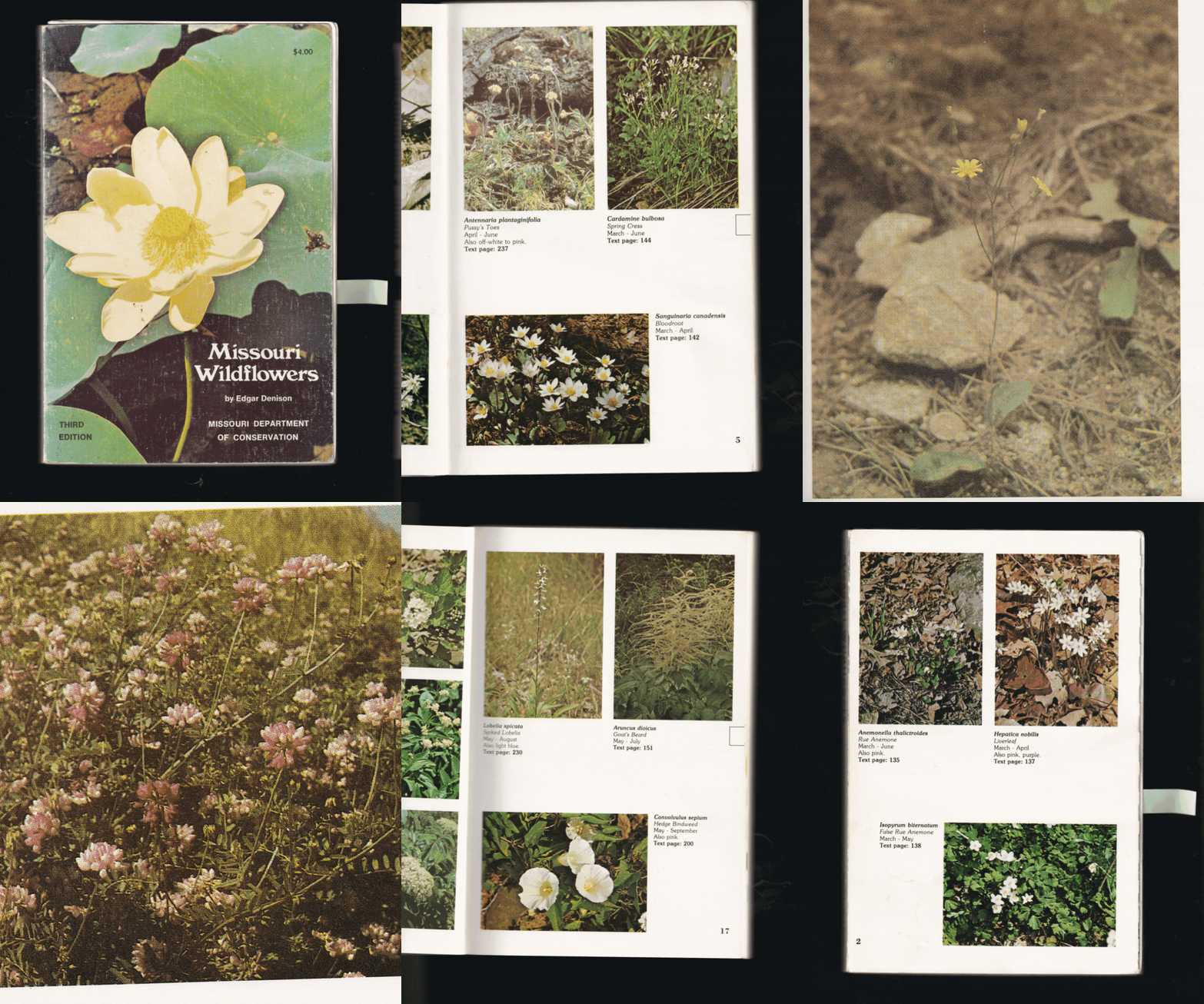
[1] Pages from Missouri Wildflowers, a book by Edgar Denison for the Missouri Department of Conservation.
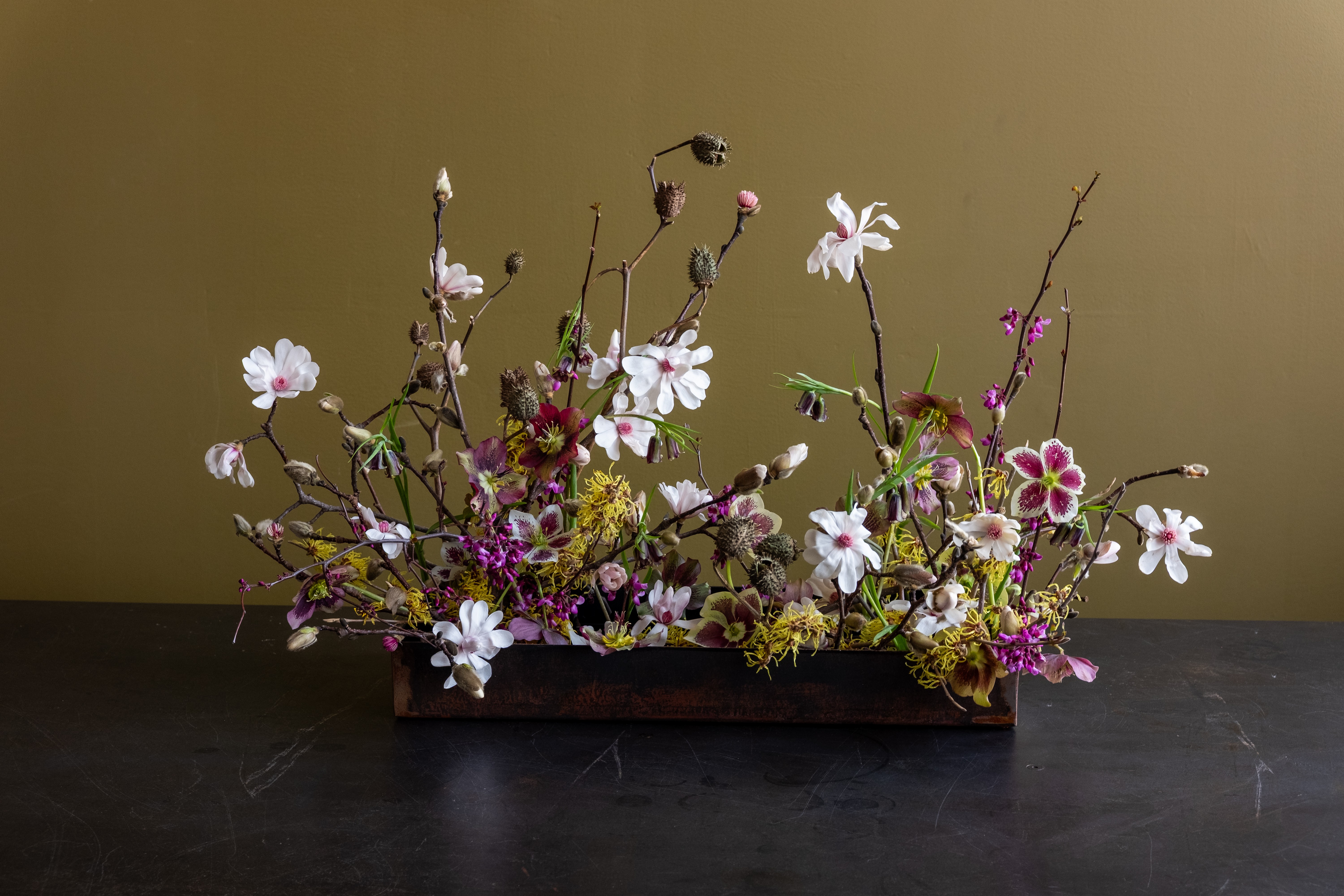
Fig. II, A long and low intervention of local flora assembled by Kadie at the studio around the same time that this conversation took place. All procured from within 200 miles of the city the assemblage features: star magnolia, hellebores, witch hazel, fritillaria, redbud and datura.
ALEX: When I moved to New York City back in 2014, you were a teenager in Springfield, Missouri, just 20 miles away from Nixa, where I grew up. With 12 years between us, there was no social overlap so we didn’t cross paths then, but serendipitously we later found each other here, a world away from the landscape that imprinted on us both so significantly. When you think of the Ozarks and how you experienced that mystical setting early on as a kid, what comes to mind?
KADIE: I remember how small it used to make me feel; like an ant inside an amphitheater. The boulders and rock-forms always amazed me; being on top of it all to see the entire vista surrounding you…everything felt grander and greater than below. The trees and pale colors of limestone, the shallow river beds running with crystal clear water over millions of river rocks below. Growing up we would load my family of five into a truck, drive to a cheap, under-maintenanced campground that my Dad had rented and just explore by poking around. Around there, it was always okay to squat in the dirt and look at something below me. A stick bug[2], a crawdad in the stream, a massive fallen leaf, weeds — you name it. Hunching down to the ground to observe what nature was getting up to never raised an eyebrow like it might here in the “civilized” city.
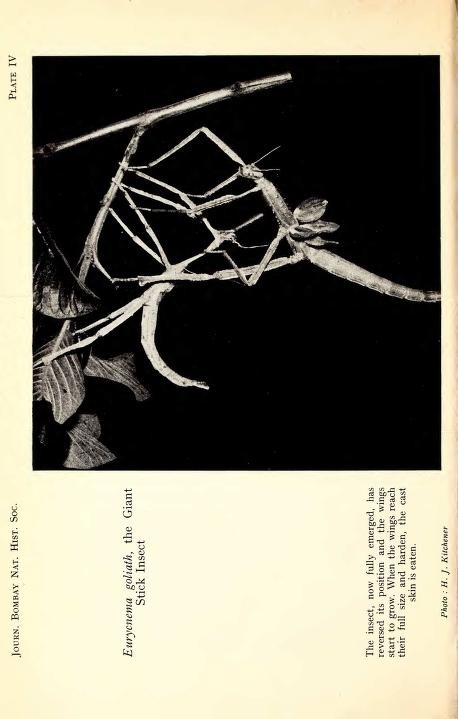
[2] The most common kind of stick bug in Missouri is the northern walkingstick, diapheromera femorata, which prefers oak and hazelnut foliage. They chew tree leaves and avoid birds at all costs.
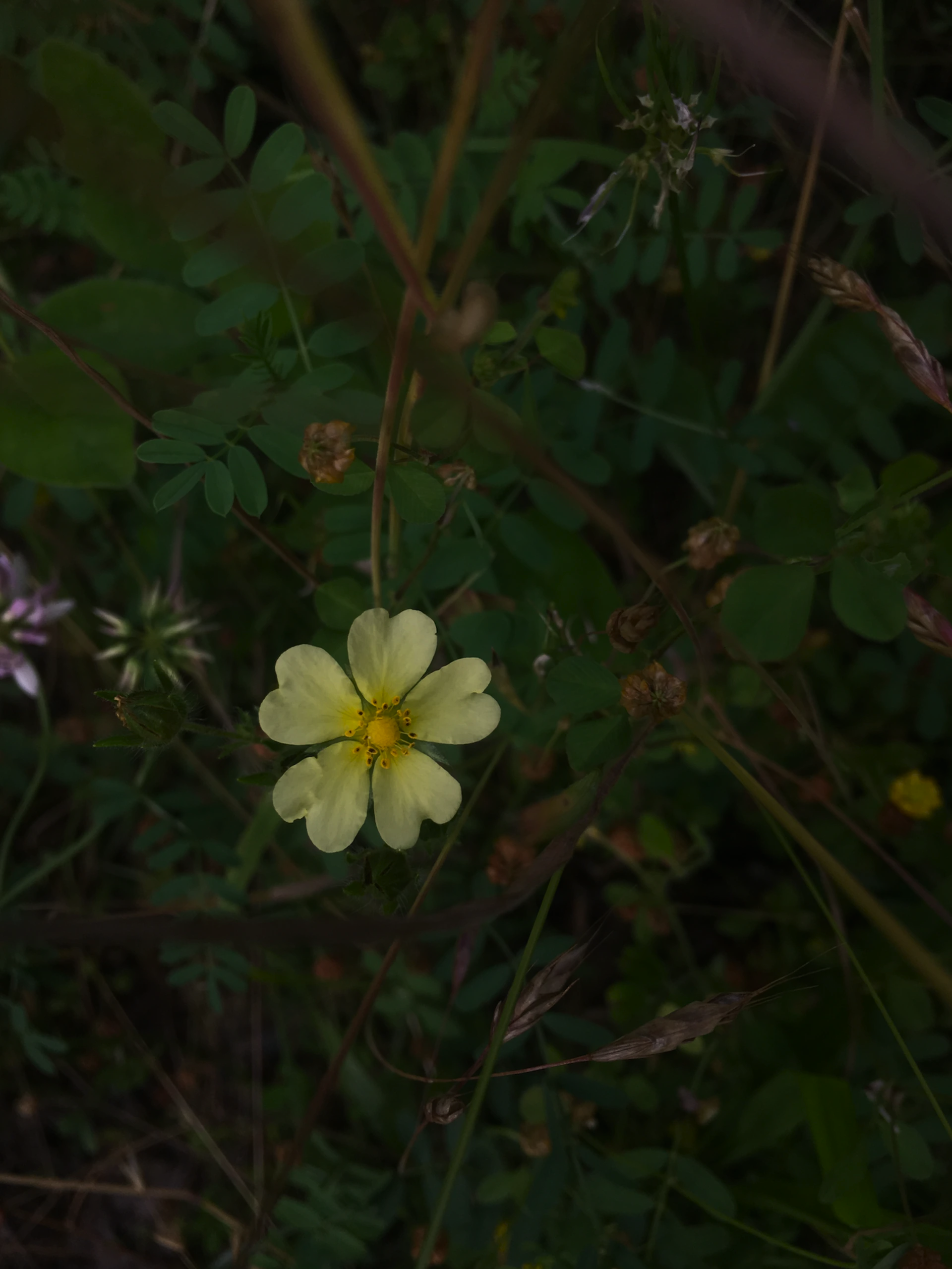
Fig. III, From the French "cinq feuilles," meaning five leaves, this lone cinquefoil bloom was spotted somewhere in Missouri by Alex on a trip home.
ALEX: It’s so in your face there—nature. Marsh mallows and button bush! Coming from all that abundance and now dwelling in a concrete jungle I don’t think I could cope without being a florist. Much like your's, my childhood was rich with plants, bugs and rocks. We lived on top of a hill very close to the Finley River – in the warmer months, I’d wake up to watch the fog rise off of the water and float into my house. I spent summer afternoons crouched between long stalks of the hay fields looking upward at the incoming storm, the entire sky transforming into different tints of a sickly green. It was beautiful.
KADIE: Do any memories from back then stick out to you as fantastical?
ALEX: Sometimes our three post fence would fall down and I’d wake up to a dozen horses of all colors and sizes right outside my window. For a horse girl[3], that’s pretty hard to top.
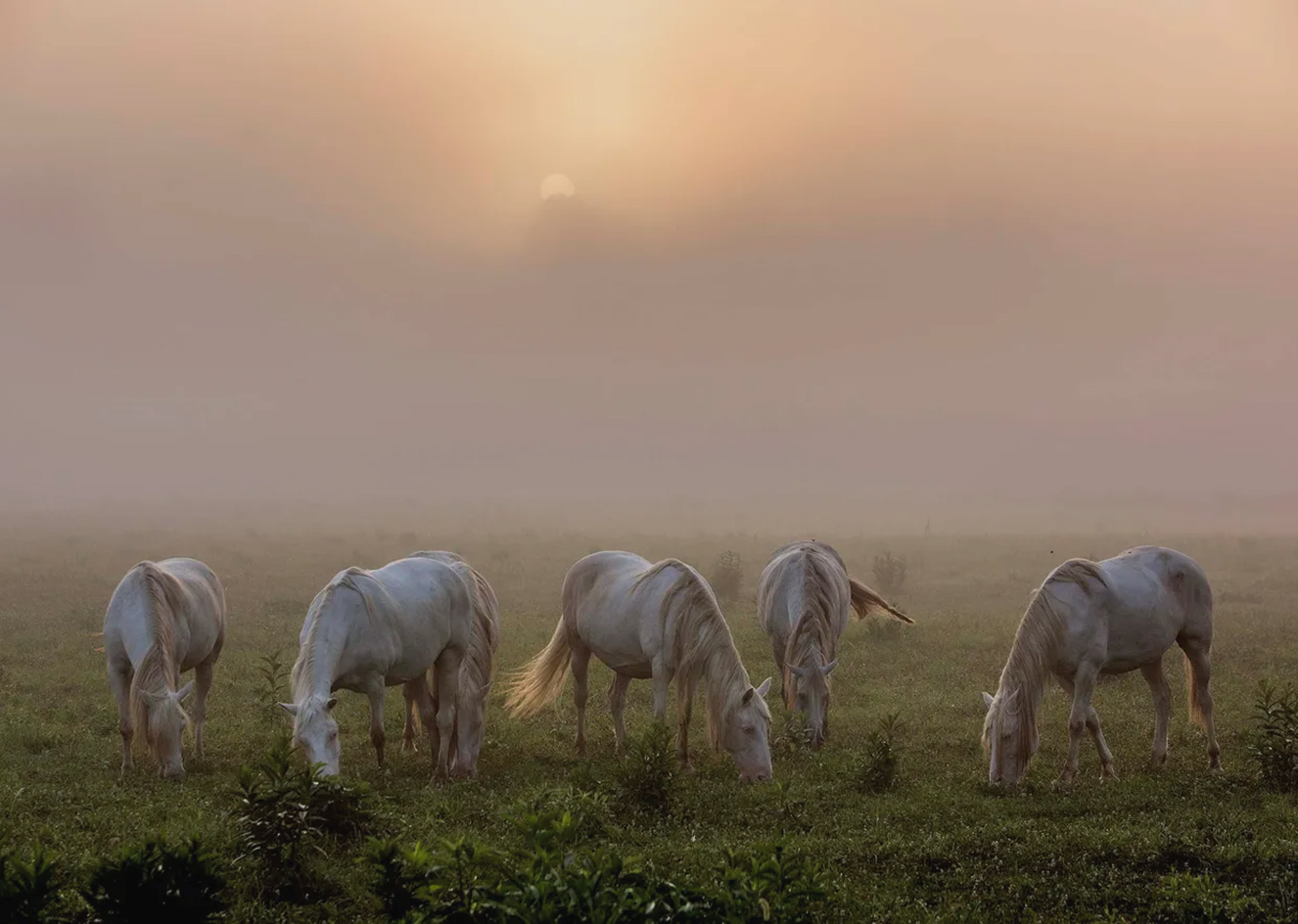
[] Missouri-local photojournalist Dean Curtis has spent years capturing the majestic tranquility of the Ozark landscape. In 2022, he released a book worthy of everyone's attention: "The Wild Horses of Shannon County, Missouri." Along with its scenic portraits, the collection also features information about the Missouri Wild Horse League which has helped to preserve the existence of these wild creatures since the 1990s. Read more ↳
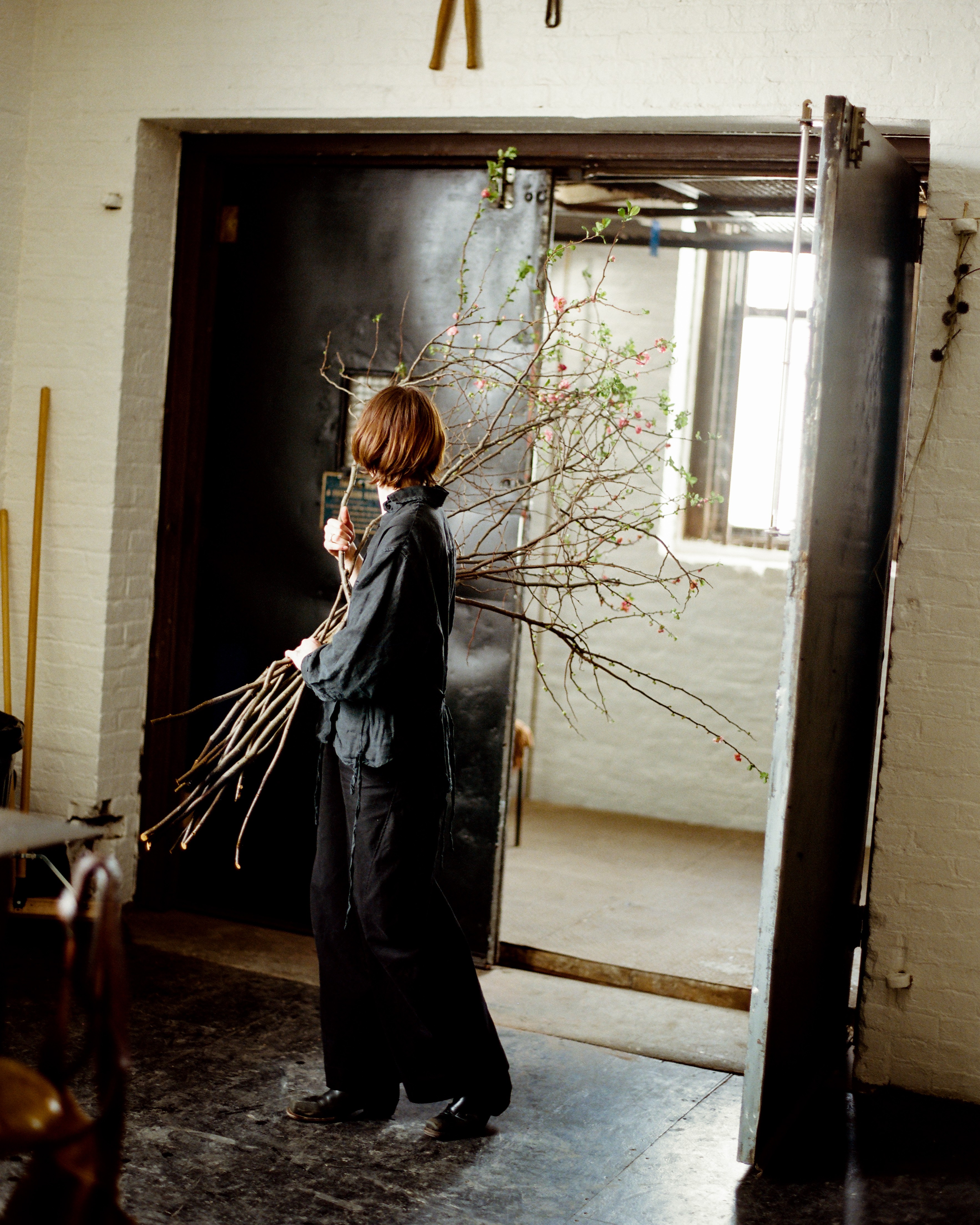
Fig. IV, Kadie in her natural habitat, ferrying flowering branches up and down the freight at our studio.
ALEX: When you were a kid, what did you think you wanted to do when you grew up?
KADIE: I wanted to be a claymation builder. I’ve always loved to make things, experimenting with different ventures in clay, traditional mediums, wardrobe, wood. It’s the learning that’s my favorite part of creating, just playing around with the possibilities of what things could turn into.
ALEX: Despite never pursuing floristry before we met, it seems fated that you found your way into it. I didn’t set out to become a florist either; it was a happy accident that resulted from years of experimentation and gut-checks. Of everything we have in common at this point, that’s the clincher, I think, our open mindedness to play and bask in the things that make us wonder. In pursuit of connectivity to our landscape, past and present, we both push each other to remember where we came from – those big boulders and tiny pebbles in the stream. The rolling hills and screensaver skies.
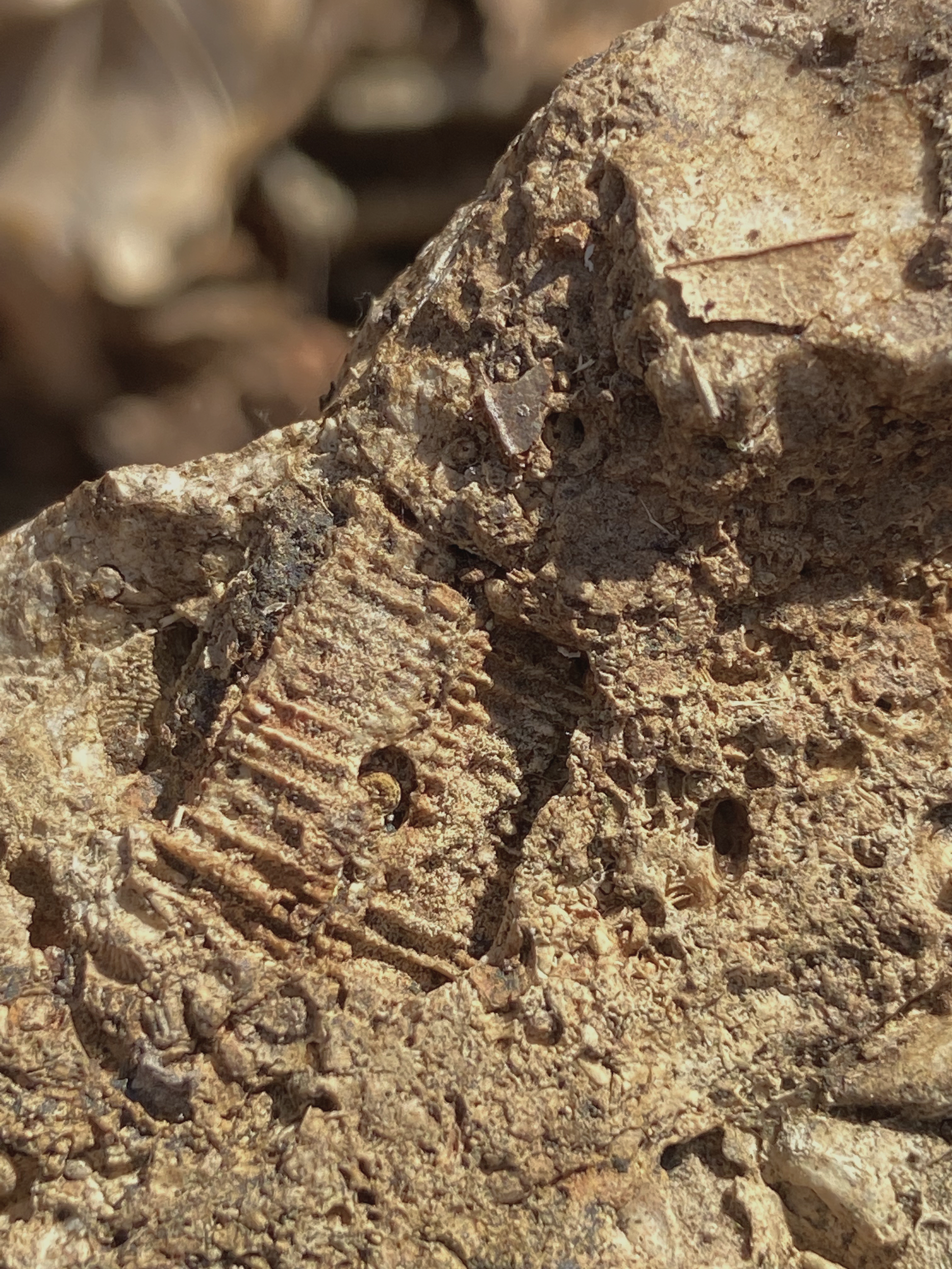
The most common rocks found in the Missouri Ozarks are sedimentary rocks, particularly limestone and dolomite (also known as dolostone). The one shown here is limestone with fossils, a collectible object found in the backyard of Alex's childhood home.
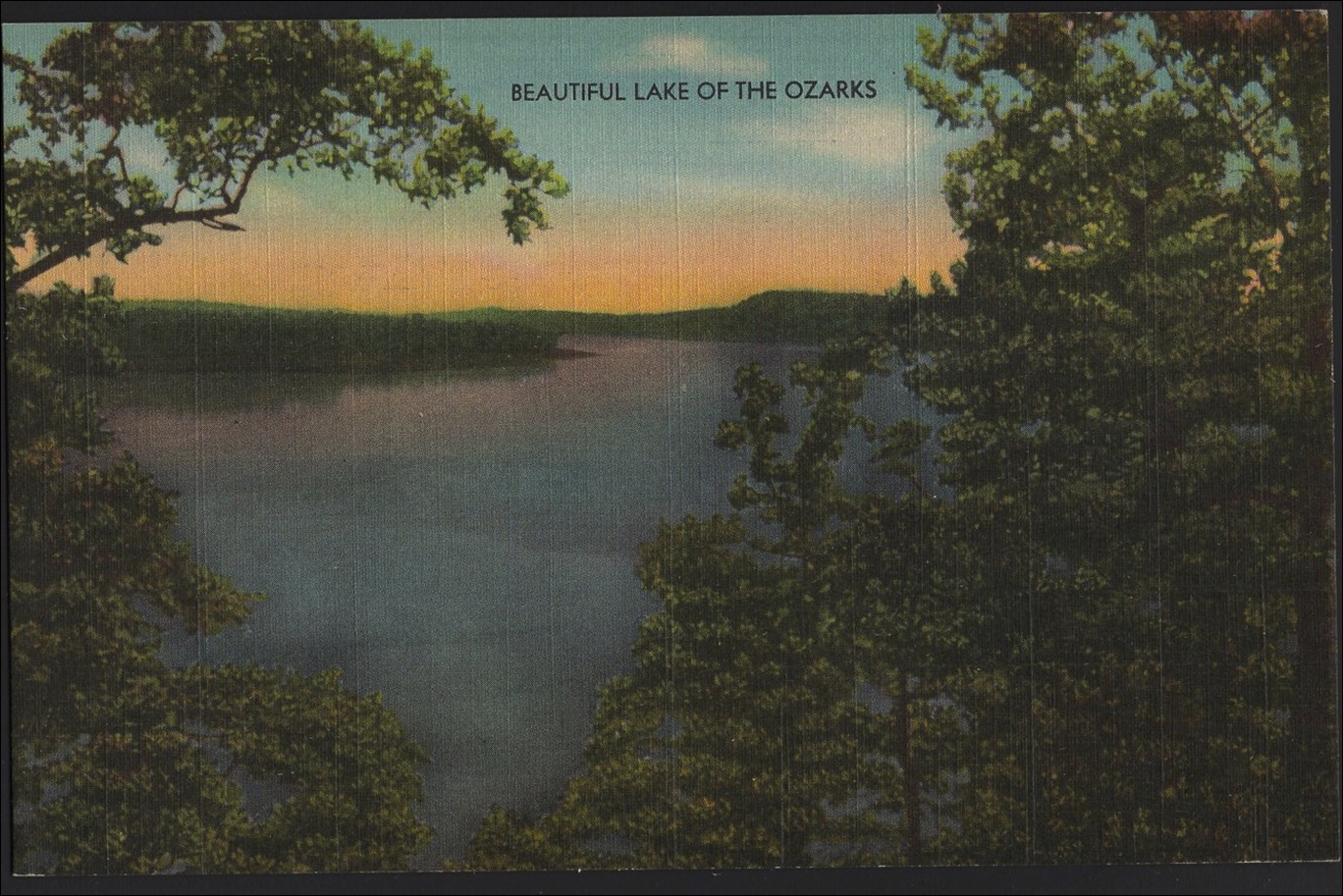
Fig. V, The opposite side of this old postcard reads: Lake of the Ozarks, a man made lake formed by the construction of the dam at Bagnell is an ideal spot for boating, fishing, swimming and as a vacation spot. Ample opportunities for horseback riding, hiking, camping. It is impossible to imagine any-more scenic drive than Highway No. 54 and No. 5 as they skirt the lake. It is the loveliest and most accessible Ozark playground.
KADIE:… the most verdant shades of green you’ll ever see.
ALEX: The colors! Yes. Between the two of us, I know we’re always trying to replicate those Missouri scenes where it felt as though everything was flourishing, even in the midst of a violent storm like in the summer when it feels like a mild version of a rainforest with grossly high humidity.
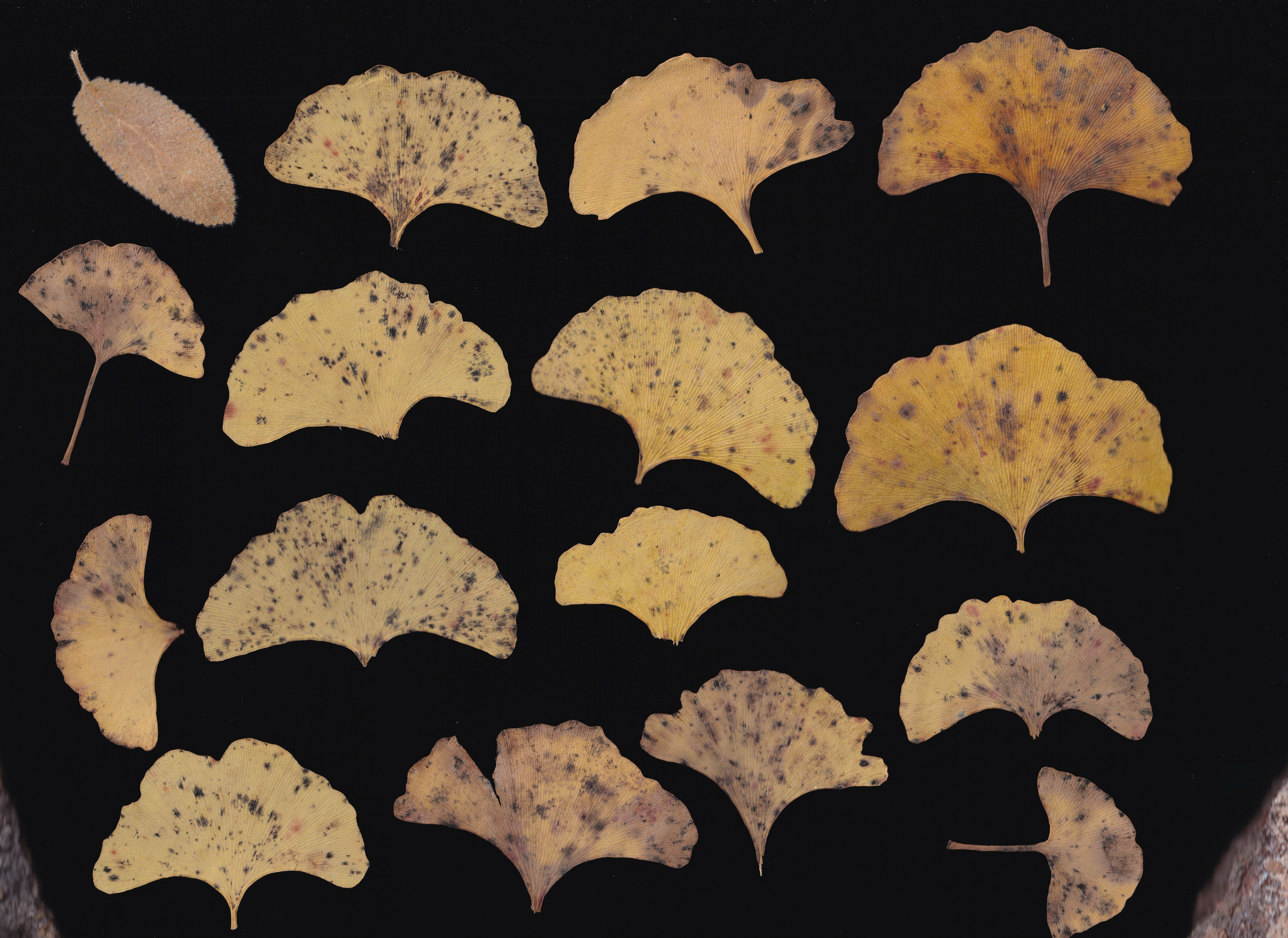
KADIE: I think color is a huge reason why our interventions stand out. Complex and unusual, we always go back to what’s muddy and complicated, touched by the earth’s endearing wrinkles. Sunny yellow leaves splattered with brown spots, for instance.
ALEX: Yes, exactly. Right now, I’m really taken with the color of oxalis vulcanicola, “Molten Lava.” There's so much going on in this one plant. Chartreuse, tangerine, velvet-ish burgundy, pinkish greens. Each leaf of this spunky perennial offers a wide spectrum of color and character.
Fig. VI, A scene from that first field trip to Montauk. Photo: Bilal Taright.
KADIE: That reminds me of the multi-colored hydrangeas that we cut on Robin (Standefer)and Stephen's (Alesch) property. That was my first trip with Field Studies, and to date, it’s probably still my favorite project that we’ve done. Those three days in Montauk, cutting straight from the garden and surrounding landscape was an incredible experience. Getting caught in the rain while stringing apples, pears[4], and quince together; collaborating with so many different people; and the colors out there, just around the corner from the ocean? They rank pretty high on the list, maybe even competing with our Ozark fantasies.
ALEX: Picking favorites doesn’t come easy, but mine would have to be the grass arch that we made at La Mercerie. The polar opposite of that piece for The Financial Times at Robin and Stephen's home where we had so many hands on deck, this project sent me solo to an orchard in Massachusetts where I spent three days cutting grass by hand. Alone in the field, I climbed trees, sang at the top of my lungs and goofed around in the mud like a little kid.
KADIE: Outside of client work and accounts, I’ve also really loved working on our library of dead, or to be polite, dried flora. Sometimes overshadowed by all the blooms and branches is the studious aspect of Field Studies, where we preserve and examine flowers and plants as the bewildering specimens that they are. It’s been such a satisfying project to start scanning in scraps from our collection like single seeds from artichokes, the skeletons of sunflowers and wilted tulip leaves. Looking at nature in this way, more intensely and siloed from an opulent arrangement is ultimately what we’re trying to get everyone to do.
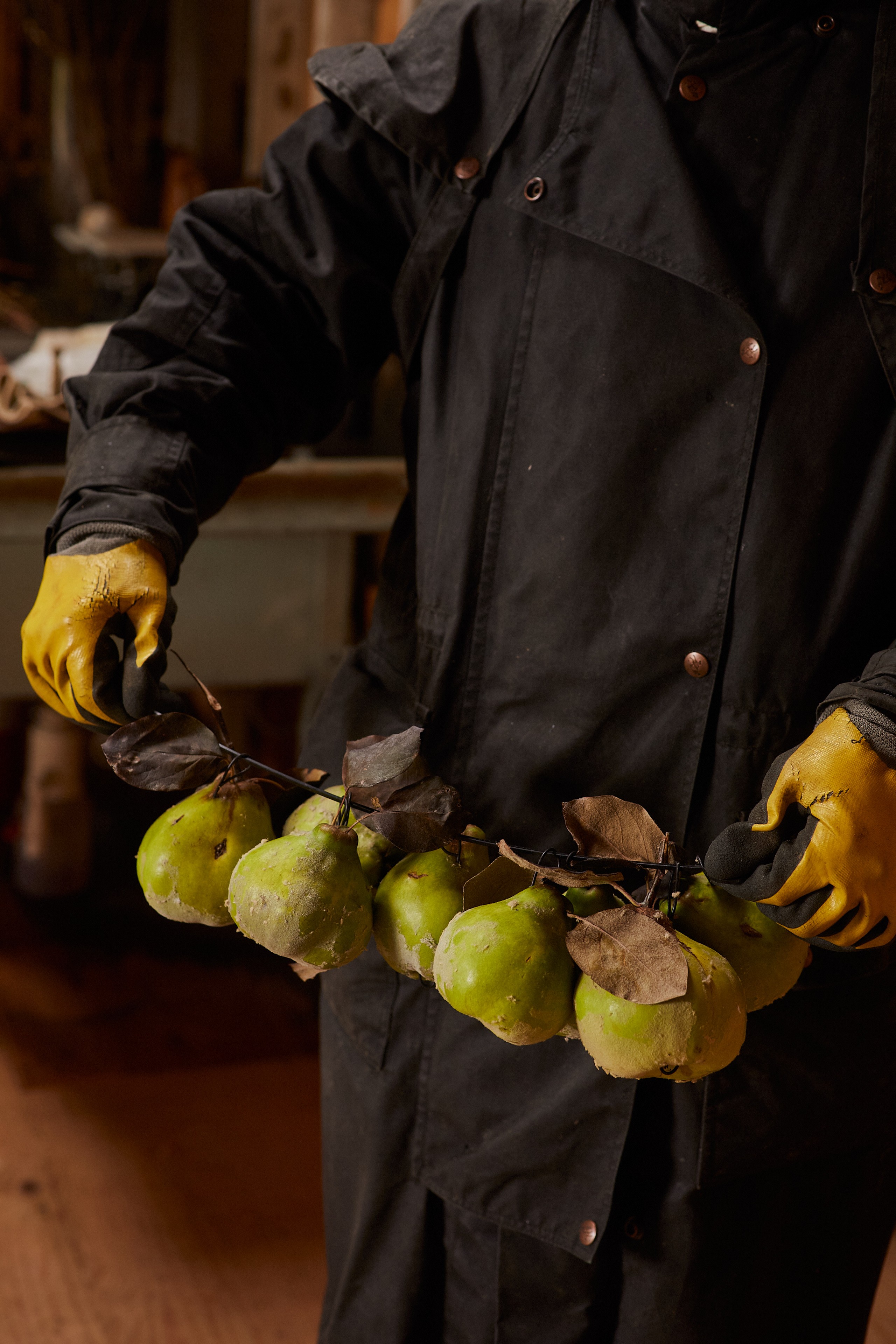
[4] A garland of quince. Photo: Billal Taright
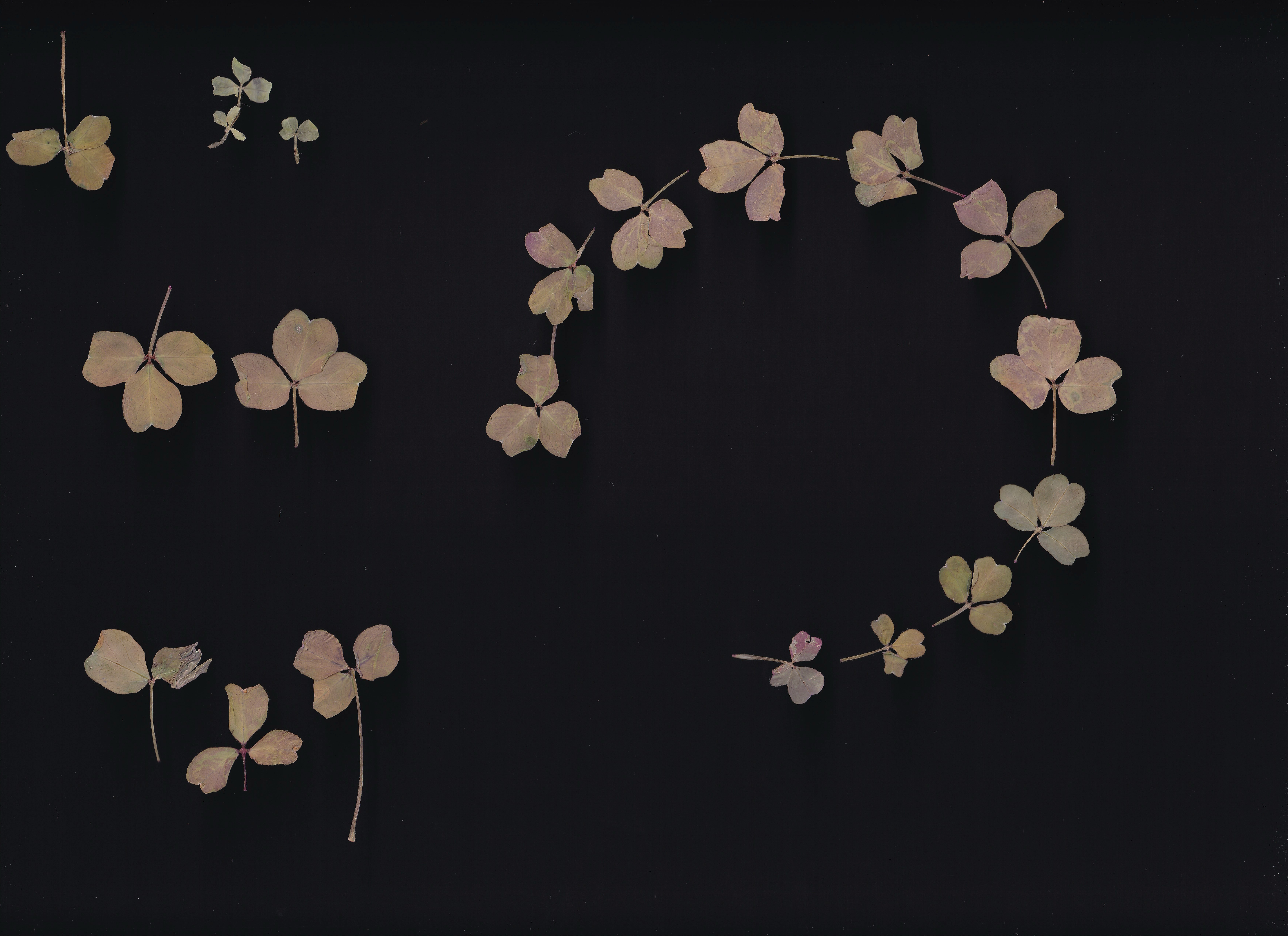
Fig. VII, A little crispy to the touch like tissue paper, these oxalis leaves were dried, pressed and scanned by Kadie for our studio's growing collection of specimens.
Flora from Kadie's first Field Trip
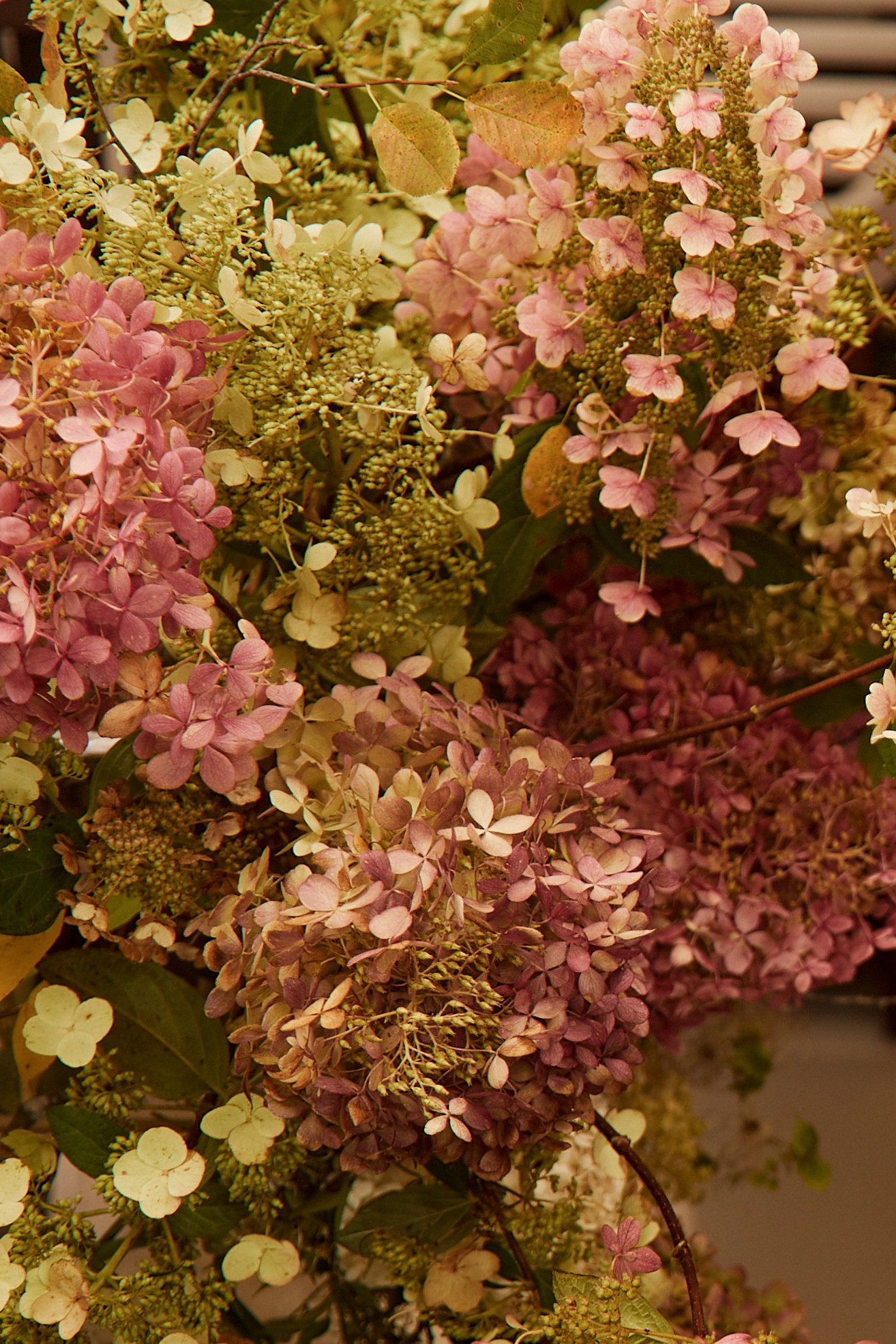
The inflorescence of hydrangeas, similar to their stems, are able to absorb water to rehydrate. If you’ve noticed your cut hydrangea stems have begun to wilt, submerge the heads in cold water, even overnight, and they will reinflate themselves. Another magical trick lies in a few of the hydrangea species' abilities to change color based on soil ph. They can move from blue to pink and all shades in between, similar to morning glories. Though we find them quite lovely, we rarely work with saturated hydrangea, opting for the oak leaf, limelight or annabelle varieties which are all softer in color from bleached bone to gentle green.
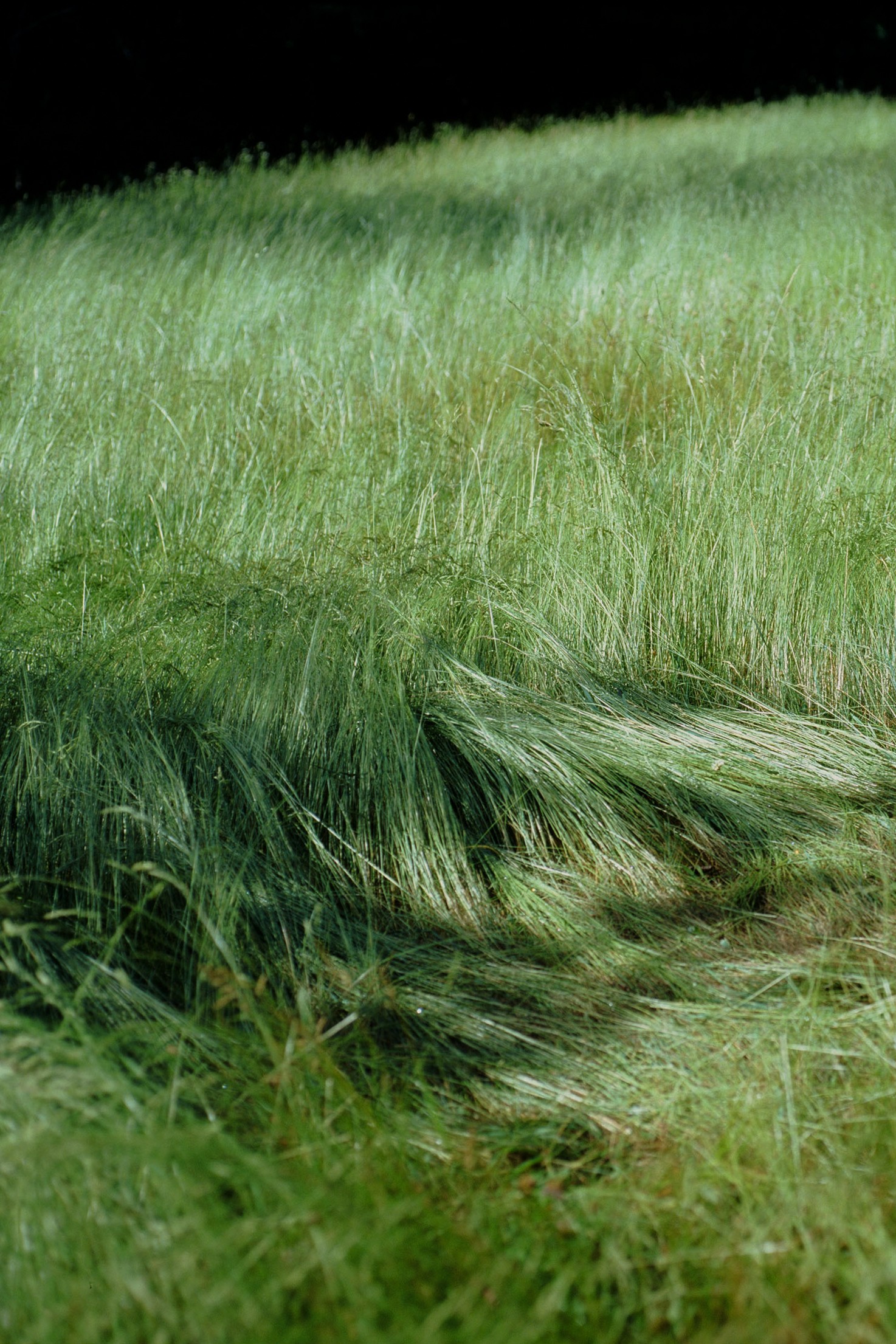
Grass, in all its undervalued glory, is one of the most abundant plants on our planet with nearly 10,000 species spread across the world. On the landing page of this site, you can see our founder Alex wading through a field of it in Massachusetts.
In a text by Rosy Head, an argument is made for this idea: Everything is Leaf. We highly recommend you read her piece in full, but for now here is a taste. "Plants superseded poetry as Johann Wolfgang von Goethe's obsession during a trip to Italy in the late 1700s. Found in his Italian journal, the statement "everything is leaf" was a profound revelation; the leaf was meant, not as a singular entity but, as nature's essentiality to bring forth multiple, diverse life-forms. We need to place ourselves within this living system and ask: how do we tell such a story?"
Verdant Portraits

Fig I, A hardcover copy of Edward Knobels’ Field Guide to the Grasses, Sedges[1] and Rushes of the United States.
Who do we look to, to protect the natural world?
[1] Fun facts about sedges as reported by the National Park Service:
1. They thrive between uplands, on the edges of lakes, rivers, or streams and in wetlands.
2. Some grow in clumps which create high and low points in a wetland, which allows animals easy passage during wet times and creates more places for plants to grow
3. Sedges can live between 2 and 10 years and they grow up to 36 inches tall
4. Sedges grow rhizomes; underground stems that can propagate plants and store nutrients
5. By the end of summer, little or no standing water remains in prairies, earning these wetlands the nickname “dry marsh”
Meaningful progress has to come from the ground up, beginning at the roots and radiating upward. This responsibility: to call in a new productive period in American natural history and conservation, is an exciting directive for those of us who work in collaboration with nature. I’m looking at you chefs, gardeners, scientists, farmers, florists and artists. People have to feel a connection to plants and the ecosystems as a whole if they’re going to be compelled to protect it.
This is a movement I'm immensely proud to be a part of as the founder of Field Studies. What we do, ferrying fragments[2] of the wild into the city, is our version of a public service announcement, reminding people in this metropolis that nature isn’t an accessory to life, it’s life itself.
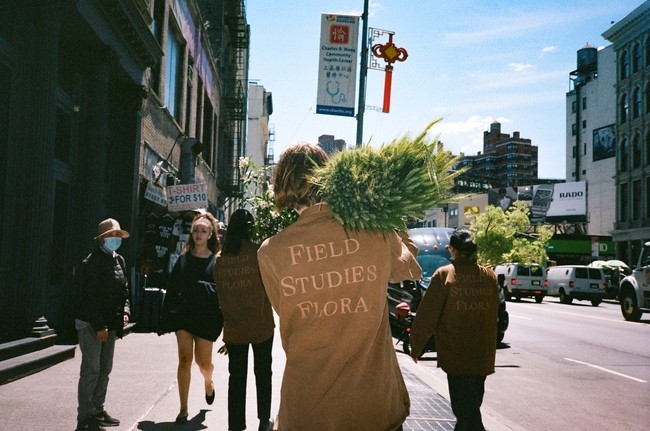
[2] KD, our Lead Florist, trekking a bundle of grass through the streets of Chinatown. Photo by Kristina Dittmar.
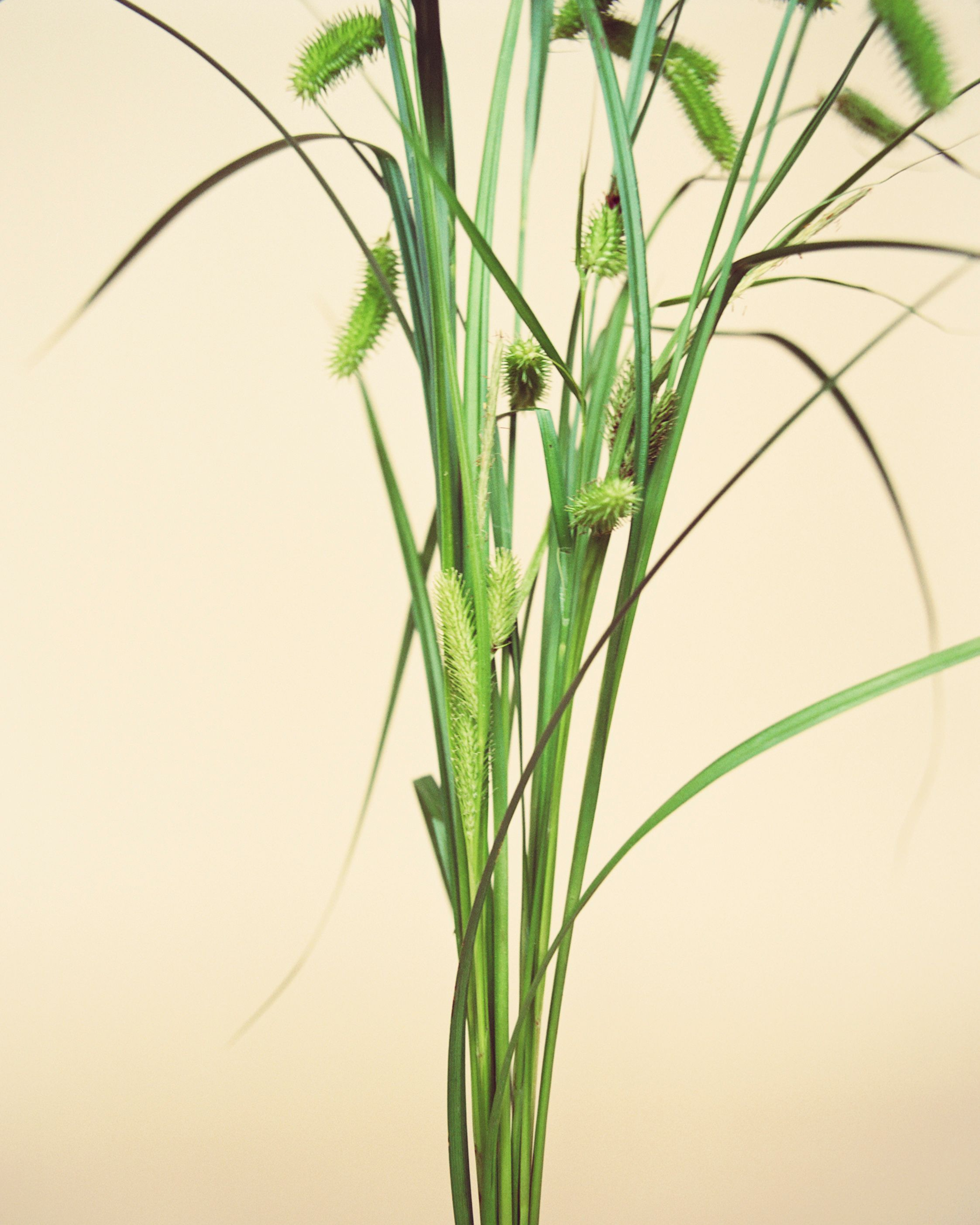
Fig II, The following species were identified using Jerry Jenkins’ photographic guide “Sedges of the Northern Forest.” An essential companion for those interested in conservation, and one of the books I selected for our collaboration with Slow Roads. Sedges seen here, top to bottom: C. Stipata, C. Rosea, C. Pseudocyperus.
How we source and present our work at Field Studies is guided by this idea. It’s paramount that we have a deeper understanding of the flora we showcase. With that in mind, I begin our installs by sharing interesting facts about the plants we’re working with, like where they are grown, what animals use them as a host plant, how they serve the ecosystem…etc. We review each element with a Michelin-level precision, studying the individual character (the good and the “bad”) of every stem. My goal, always, is to have the team leave these conversations feeling inspired and reminded of how miraculous and ingenious the natural world is, and just how much is at stake when we talk about how it’s changing around us. This empathy then seeps into their work, resulting in interventions that are exhalations of nature, not rigid replicas.
This pedagogic component of Field Studies is what leads our conscientious eye when sourcing flora. We search for the most unique and often overlooked members of nature, seeking out the odd and undervalued. Most of these ingredients come from within a 200 mile radius of the city, a practice we’ve become known for. This was and is a choice that I made in the name of naturalist teaching, advocating for the plants that grow alongside us. Undervalued and ignored by modern man for too long, we place these plants on the pedestals they deserve; I’m teaching myself, my team, and our clients to more clearly value their worth. In doing this, my desire to protect them grows — a feeling that I hope is contagious.
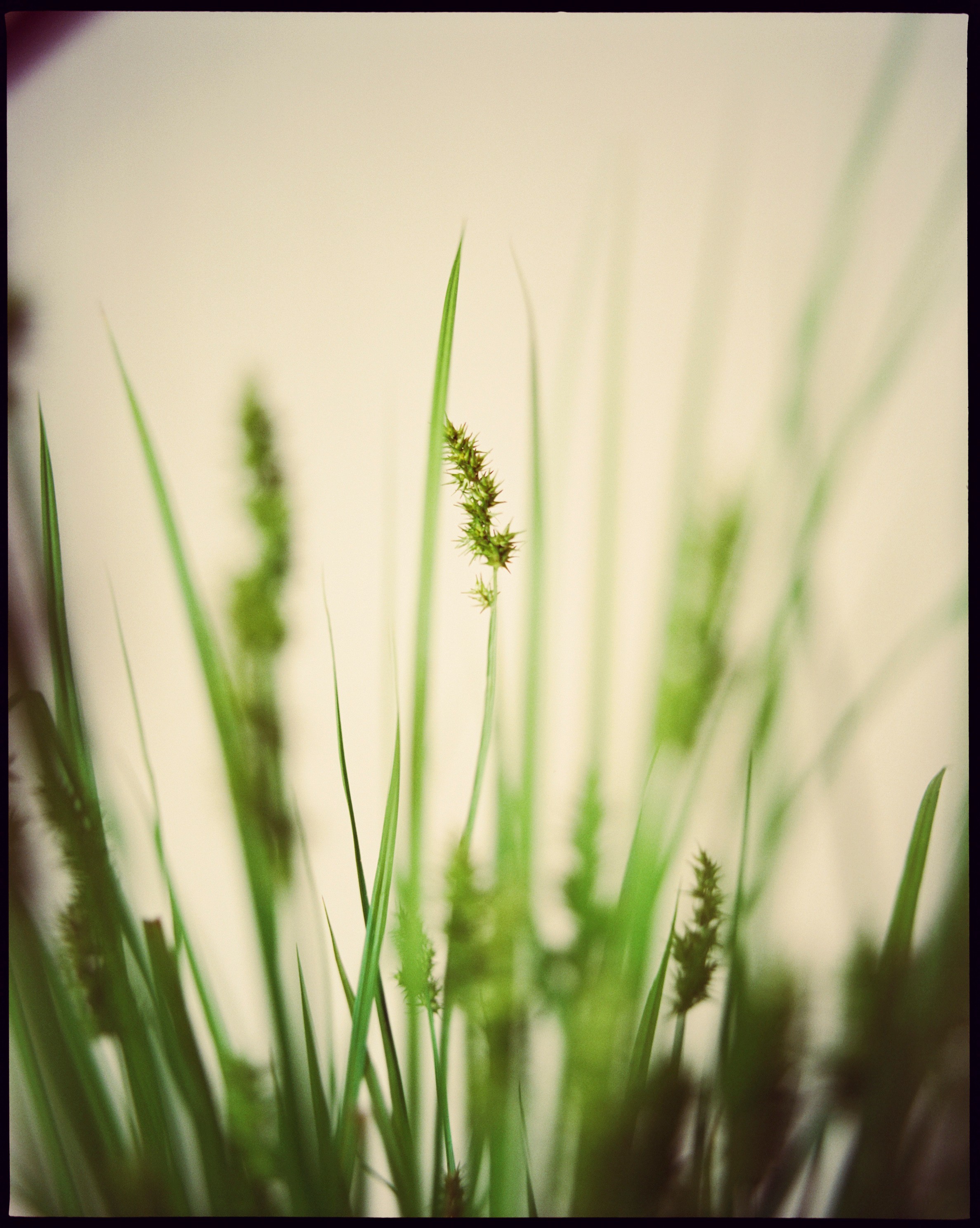
Fig III, Carex stipata, a slender, bunchgrass-like plant; often called the prickly sedge.
This time of year we often feature one of these undervalued plants: Sedges (Cyperaceae). They flower during late spring and into early summer and are not to be missed. An incredibly important plant to the ecosystem of the northeast as well as in my home state of Missouri, this plant family is made up of many genera, though the one we use the most is carex. Carex happens to be the most abundant of all the genera and an important food source for grasshoppers, moths and butterflies[3], caterpillars, beetles and other insects, which in turn are consumed by birds, frogs, snakes and other insectivore wildlife. The seeds of the sedge are an important food source for several different birds including ducks and songbirds and even turtles sometimes dine on their leaves. Effective at erosion control, sedges are easily, though not exclusively, found in wetlands. An abundant plant, they were utilized in numerous ways by indigenous communities throughout North America from basket-making to insulation for winter shoes. The beauty, and pragmatic possibilities are quite endless.
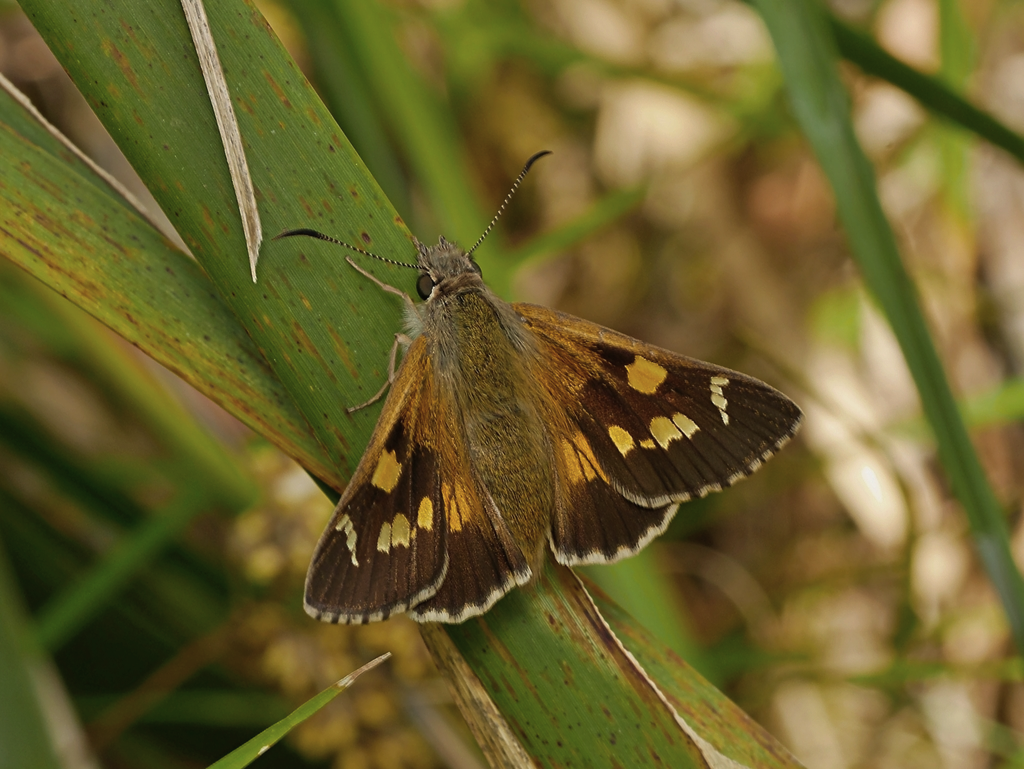
[3] Insects of high summer, skipper butterflies spend most of their time basking in the sun of taking naps in sedges. You can spot them by their club-tipped antennae, big heads, stout bodies, and often drab, brownish-orange, black, or gray coloration.
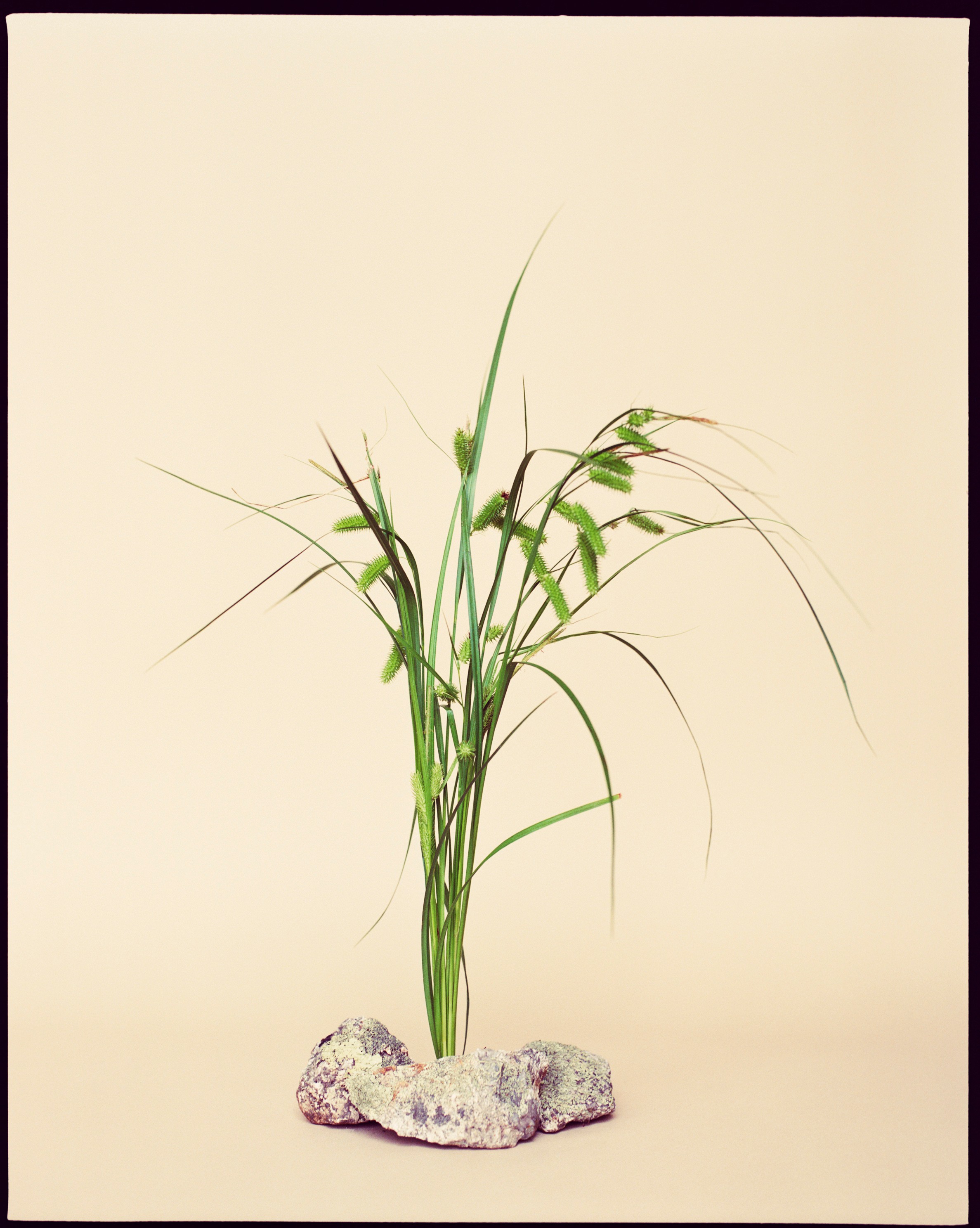
Fig IV, Carex pseudocyperus, a species of flowering plant in the sedge family known by the common name cyperus sedge or hop sedge. It grows in marshes, swamps, and the margins of ponds, rivers and canals.
Next time you’re out for a hike or a stroll, try to spot these important and diverse plants and consider all that they do to keep the wheels of things turning. For now, enjoy these verdant portraits captured by Austin Sandhaus featuring three gorgeous and distinctive species of carex procured by Nicole Spadafora in early June.
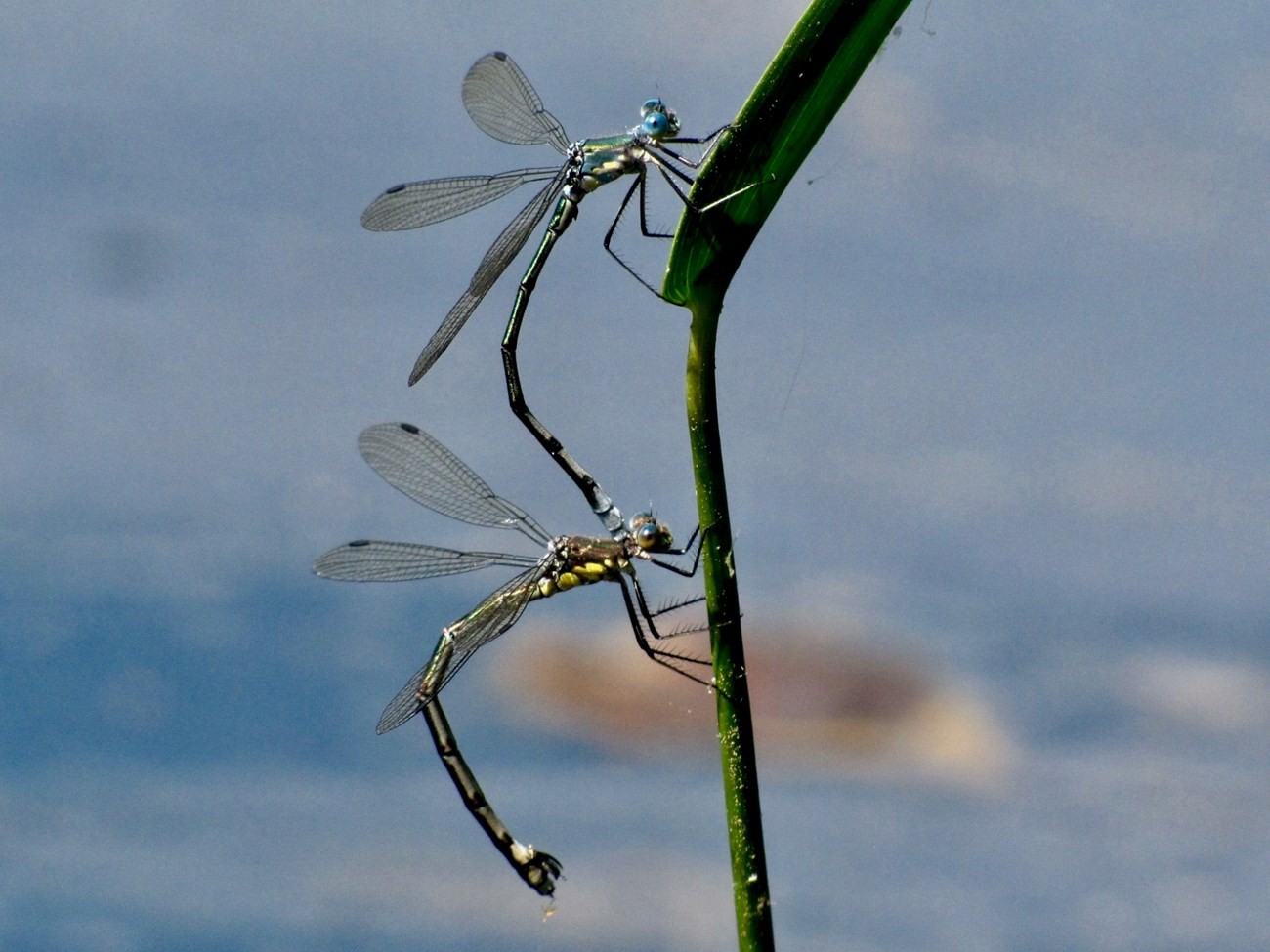
Often spottable in garden ponds, carex pseudocyperus are like magnets to dragonflies and damselflies.