

V.
FallOpen Studio
Fig 1, Film by Kendall Wheeler with editing by Joey Tuzzolino and audio by John Osment.
Botanists call it plant blindness: the habit of looking straight past the green life around us, and with it, how much our world depends on it. In the city the condition runs deep. Plants become backdrop, and the ones that thrive most stubbornly (the weeds in the pavement, the vines swallowing a fence, fallen leaves[1], the species we've learned to call invasive) are the ones we're taught to see least.
Our studio works against that forgetting. We look to what's plentiful rather than what's precious, asking where the landscape could stand to be thinned and which unruly, uncelebrated plants deserve a closer look. We follow those materials through their whole lives, understanding that drying, fading, and decay are part of the lesson rather than the end of it.
The film above is an attempt to share that way of seeing: to treat the plants at the edges of our daily routes not as nuisances or scenery, but as clever, resilient neighbors that have been here all along.
[1] A Hosta leaf, captured, dried, preserved, and soon to decay.

Fig 2, Alex at the studio, holding a copy of the classic 1903 natural history book written by pioneering wildlife photographer Richard Kearton and illustrated with photographs by him and his brother Cherry Kearton. Photo: Kalum Ko.
Syllabus

In Braiding Sweetgrass, Robin Wall Kimmerer tenderly articulates nature's abundant generosity and makes a sound argument for the need to raise our collective ecological consciousness. Our contrarian approach takes a page, if not every chapter, from this very idea.
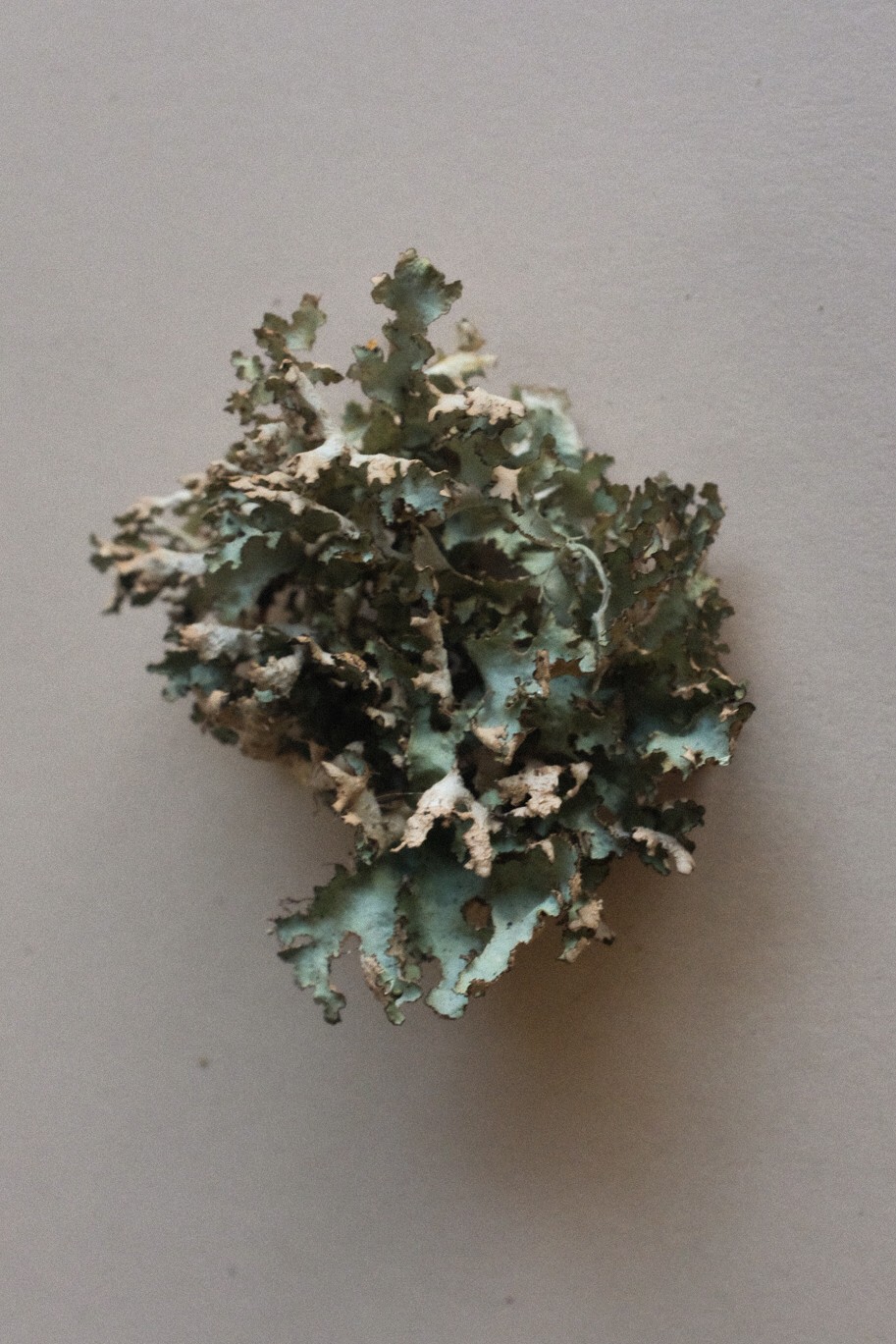
Lichen, an extraordinary organism that lives in every corner of the world, is an often overlooked marvel. Otherworldly in a way, these impressive living things are not plants although they may seem to be. In actuality, they’re the lovechild of a fungus and an alga. With a crust-like texture and often chromatic skin, they cling to surfaces like trees and rocks and almost anything else, but not in an intrusive or parasitic manner. Quite the opposite, Lichen serves as a kind of protective shield for the stones and sticks that they blanket.
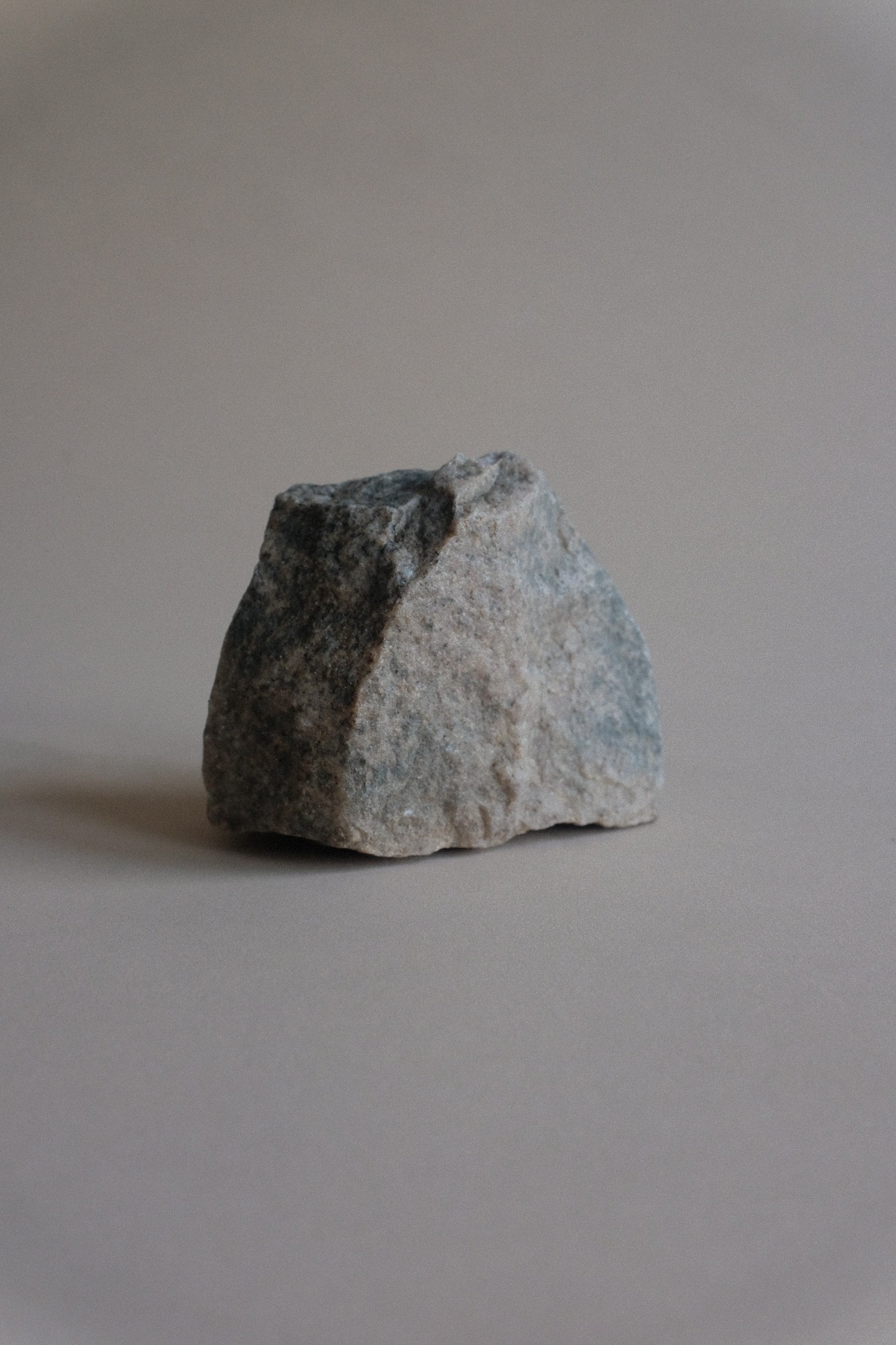
A collectors item for those who know. Our studio is slowly amassing a stockpile of these ancient heirlooms whether from our own collections or gifted to us by friends of the studio. Time is made no more visible in any other creation on earth, than stone. We use them to cover floral frogs, as weights inside vessels to keep them from overturning, or as adornment to a tablescape, earning equal billing to the blooms.
Winter Roses
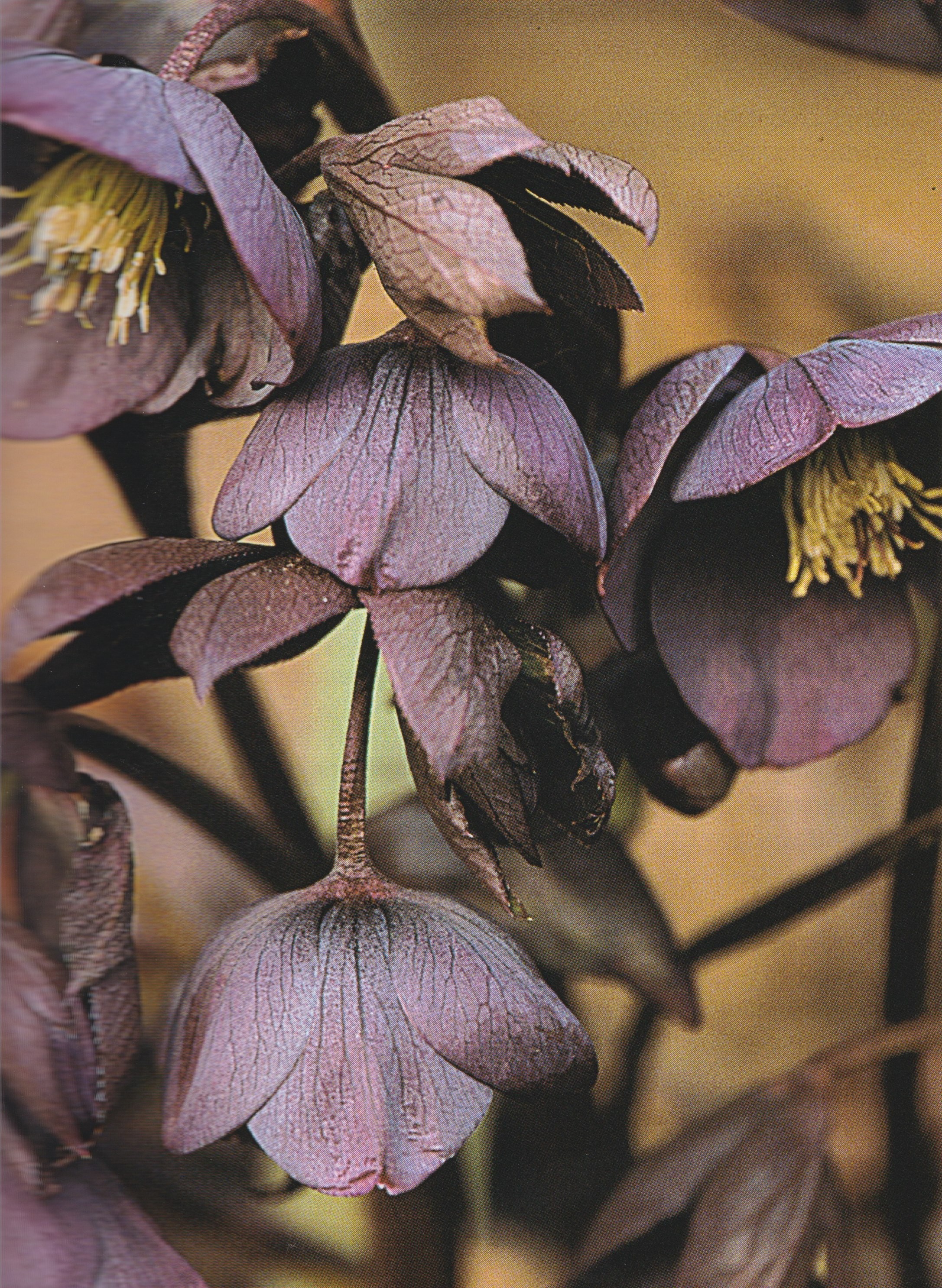
Fig 1, Hellebores, scanned in from our studio library and in situ in New York. Titles: Dream Plants for the Natural Garden and Planting the Natural Garden, both authored by Piet Oudolf.
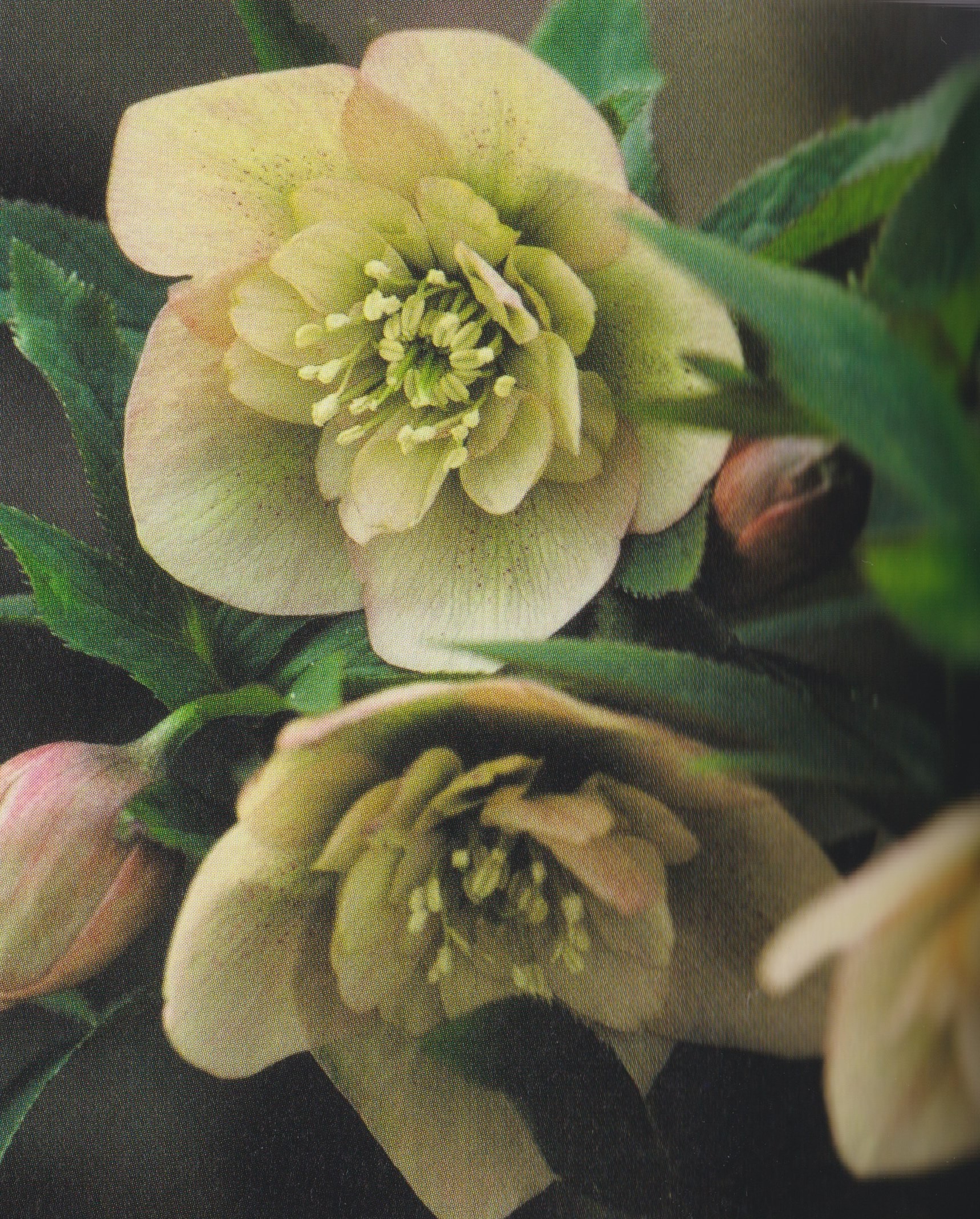
Fig 2, Hellebores, scanned in from our studio library and in situ in New York. Titles: Dream Plants for the Natural Garden and Planting the Natural Garden, both authored by Piet Oudolf.
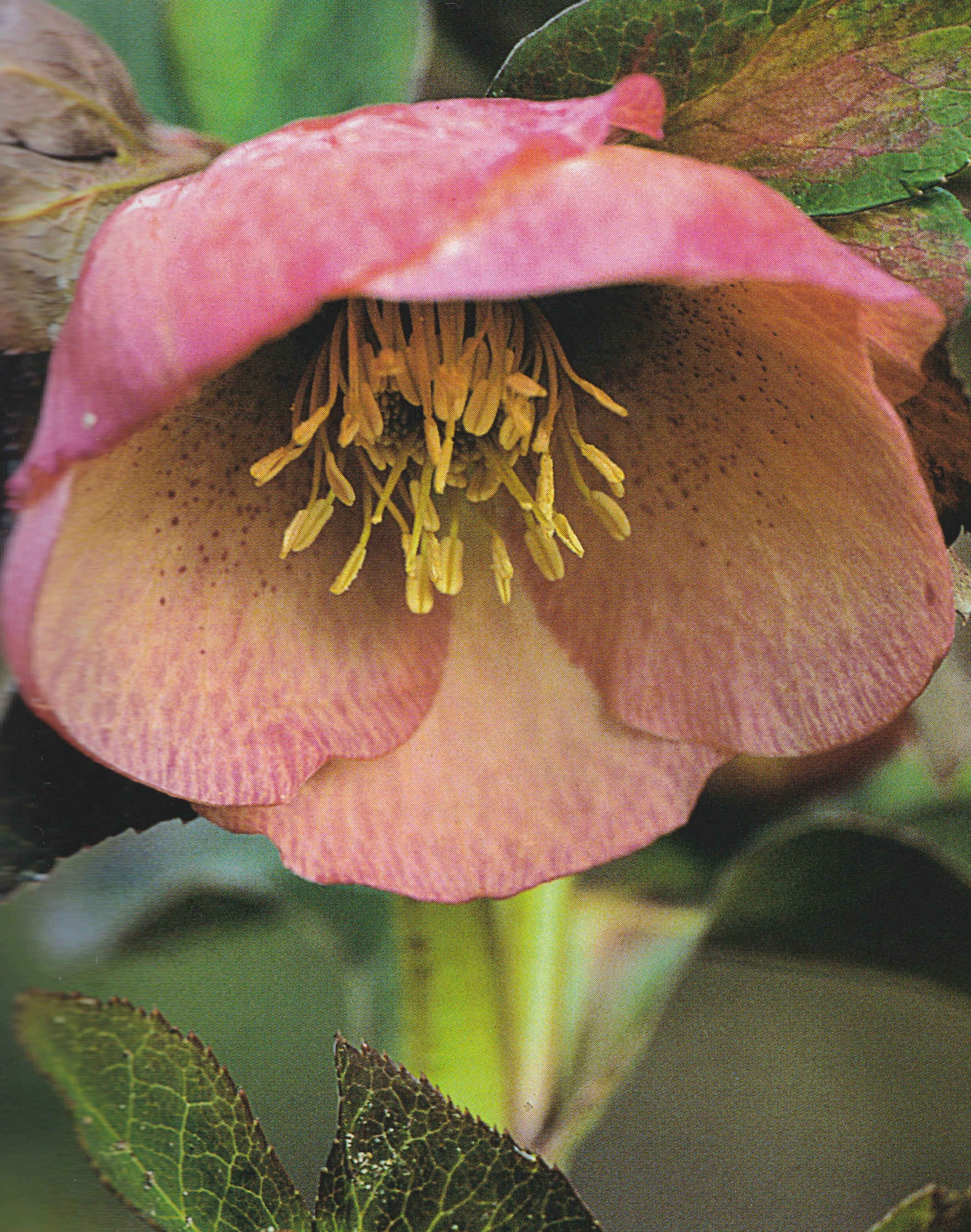
Fig 3, Hellebores, scanned in from our studio library and in situ in New York. Titles: Dream Plants for the Natural Garden and Planting the Natural Garden, both authored by Piet Oudolf.
Hellebores arrive each year with the aura and vigor of plants that have survived the death of empires. Their many varieties—Christmas rose, Lenten rose, Rome in Red—sound more like characters from a European fairytale [1] than inhabitants of a winter garden. They bloom in the winter, when light is scant and we long for color. Their dusty, inky hues mirror their paradoxical nature: whether springing from soil or arranged in a vase, they add life and breath to our environment. Not all flowers are inherently joyful, but all are undeniably beautiful. Hellebores are bewitching, with a storied mythology stretching back centuries.
In early European folklore, Hellebores was associated with witchcraft. It was said to be dried and ground into a powder; its dust granting invisibility and allowing one to slip between worlds—a belief likely born of the plant’s toxic, spellbinding properties. In early modern herbals, it was described as a plant whose presence signaled threshold spaces. It was believed to ward off malevolent spirits[2], acting as a kind of plant guardian. The Oracle Rose, another name for the hellebore, was seen as a sentient, clairvoyant plant. In agrarian traditions, twelve buds from the plant–one for each month–were placed into a glass of water. If a bud were to bloom by Christmas eve, one could expect favorable weather in the New Year. If the bud remained closed it foretold misfortune in the skies ahead.
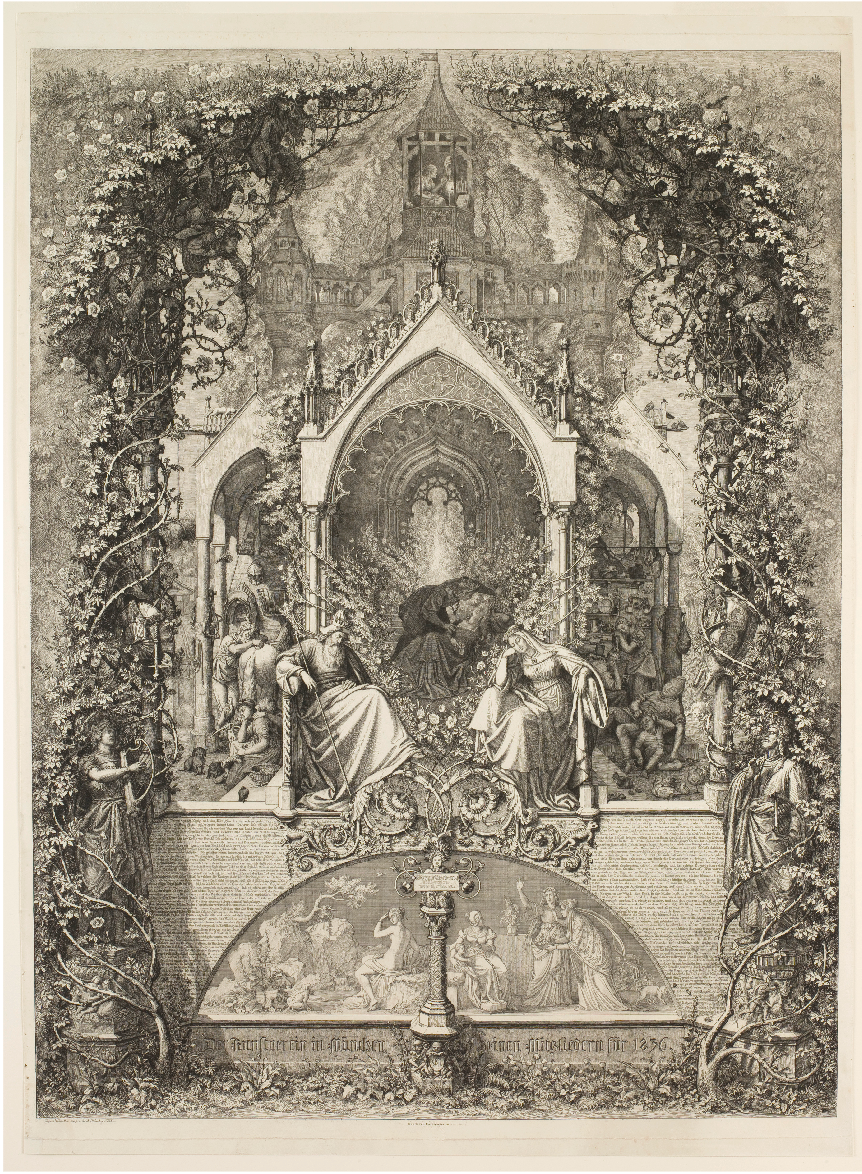
[1] Briar Rose: In the Brothers Grimm version of Sleeping Beauty, the princess is cast into a deep, prolonged sleep—an enchanted sedation. Scholars of historical pharmacology have noted that hellebores (Helleborus), particularly the black or Christmas rose, were long used as sedatives. Perhaps the “sleep” inflicted by the spell could have been inspired by the toxic, trance-inducing properties of this storied plant, a botanical agent capable of enforcing a long, dream-filled pause.
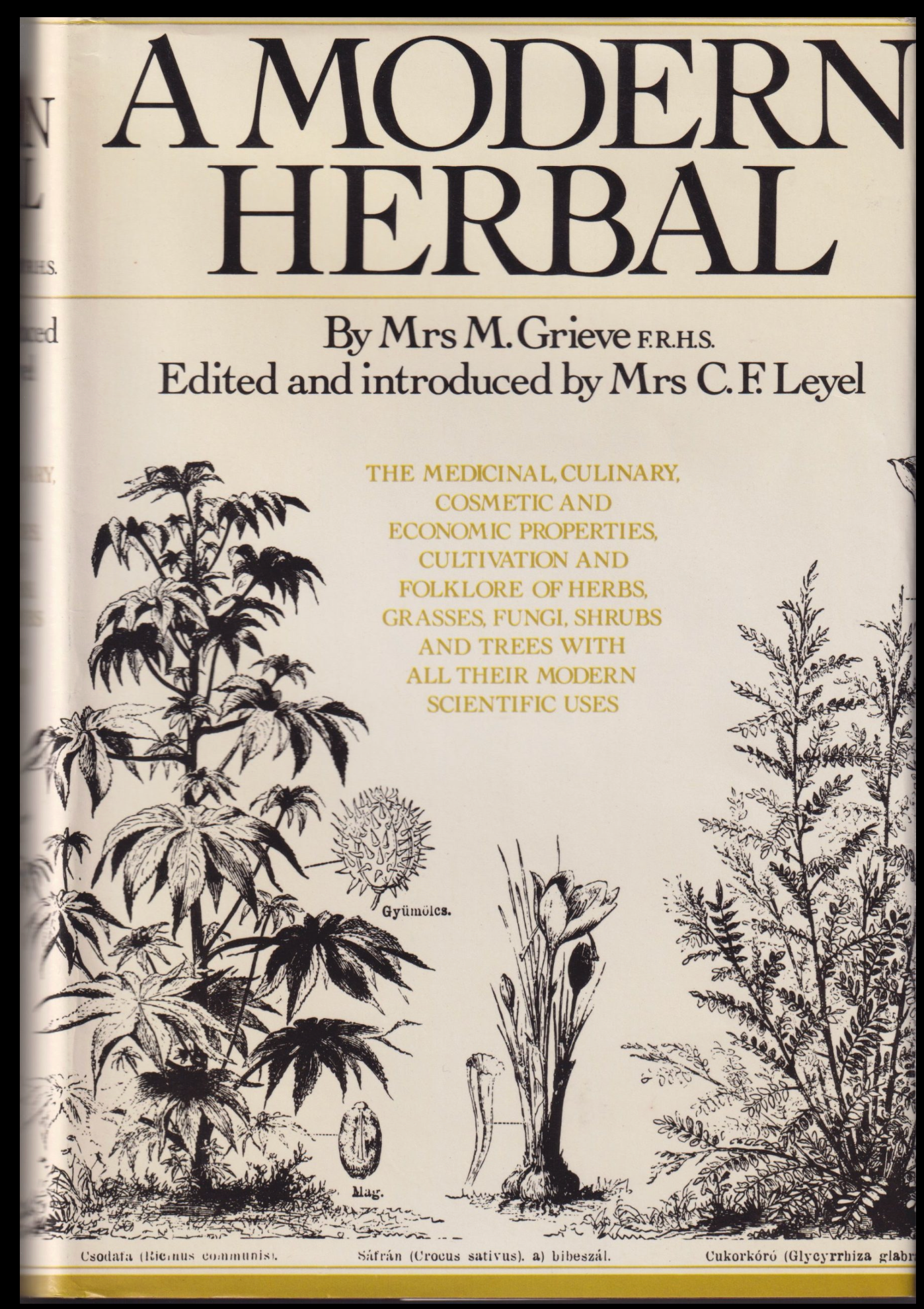
[2] A french legend tells the tale of a wizard who used dried hellebores to create a cloud of obscuring powder. Shown above is a copy of A Modern Herbal, a book authored by a Mrs. M. Grieve who wrote of this lore in the 1970s.
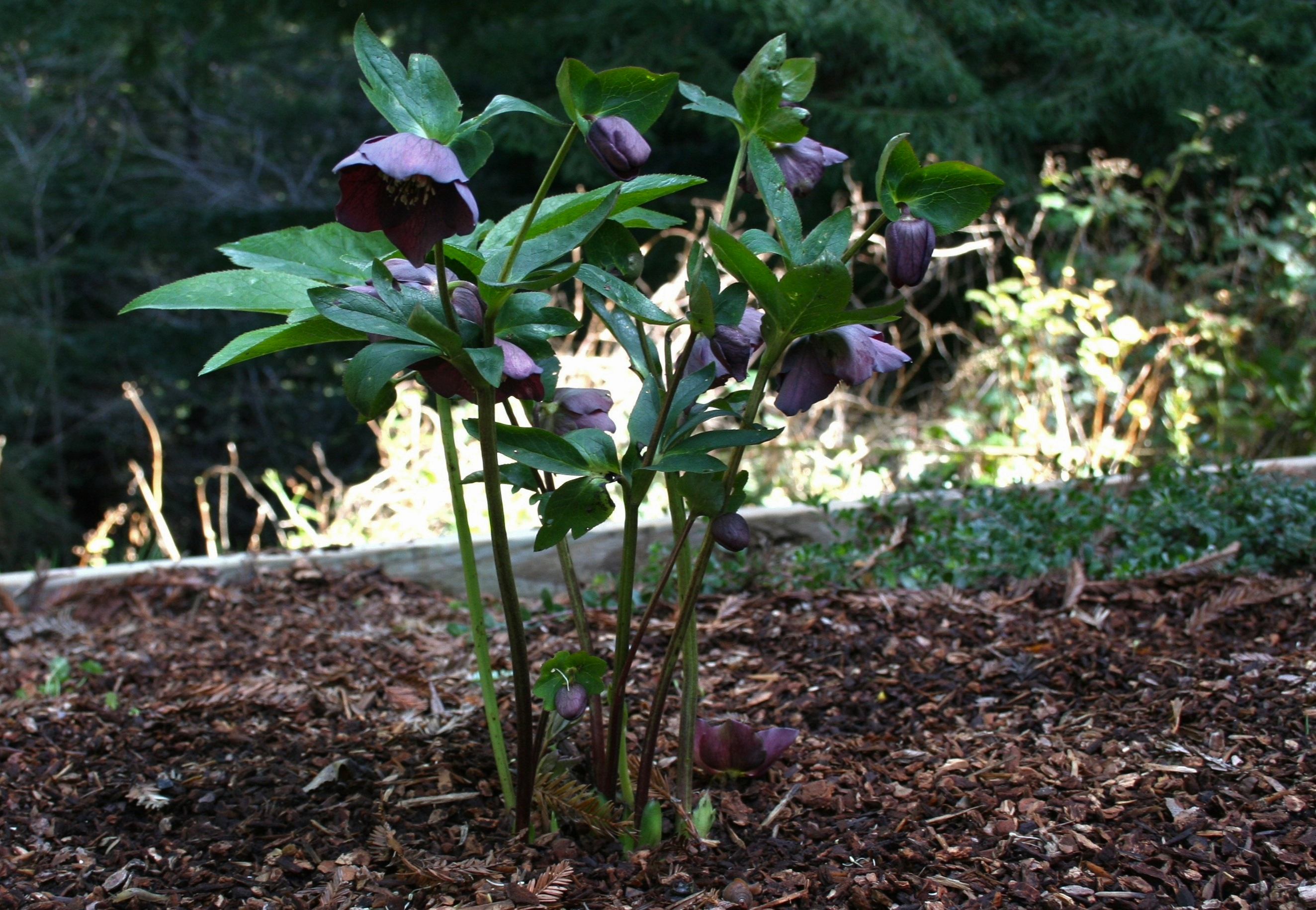
Fig 4, While there are no native Hellebore species in the United States, they can sometimes be found as naturalized escapees from gardens.
Hellebores, in a sense, took the shape of their container: the hands and minds that cared for them informed their presence, their power. Yet to all, the flower inspires devotion—so much so that it has, relatively recently, been coaxed indoors, not for medicine but for floral arrangements. The origin of this new chapter is curiously vague—as though no one wants to admit to being the first to pluck the vibrant blooms meant to be admired on the forest floor.
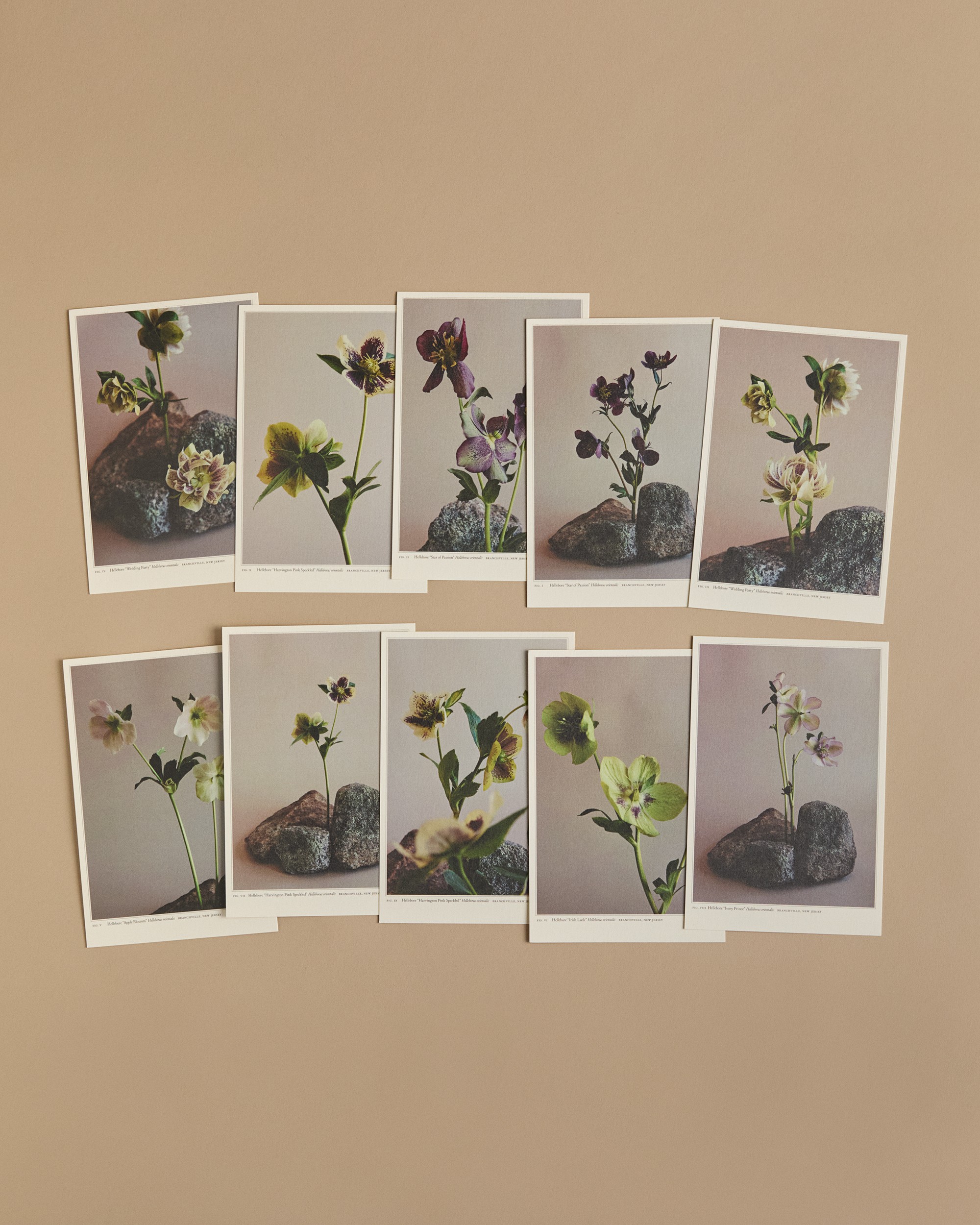
Fig 5, For those who wish to carry a piece of this story with them, our Helleborus Postcard Set captures the beauty, mystery, and charm of these extraordinary winter blooms. Photo: Brent Goldsmith
We proudly feature them[3]—both their material and symbolic Jouissance[4]—in arrangements and beyond, mingling with nearly naked branches, silvery dried teasel, and an evergreen or whichever botanical oddities can be enticed into our foraging baskets. After all, florists began as people who simply cut what they could reach: gardeners and wanderers, meandering through the wild margins with dirt-caked hands and an enduring sense of wonder.
For those who wish to carry a piece of this story with them, our Helleborus Postcard Set captures the beauty, mystery, and charm of these extraordinary winter blooms—small talismans of color, lore, and imagination.
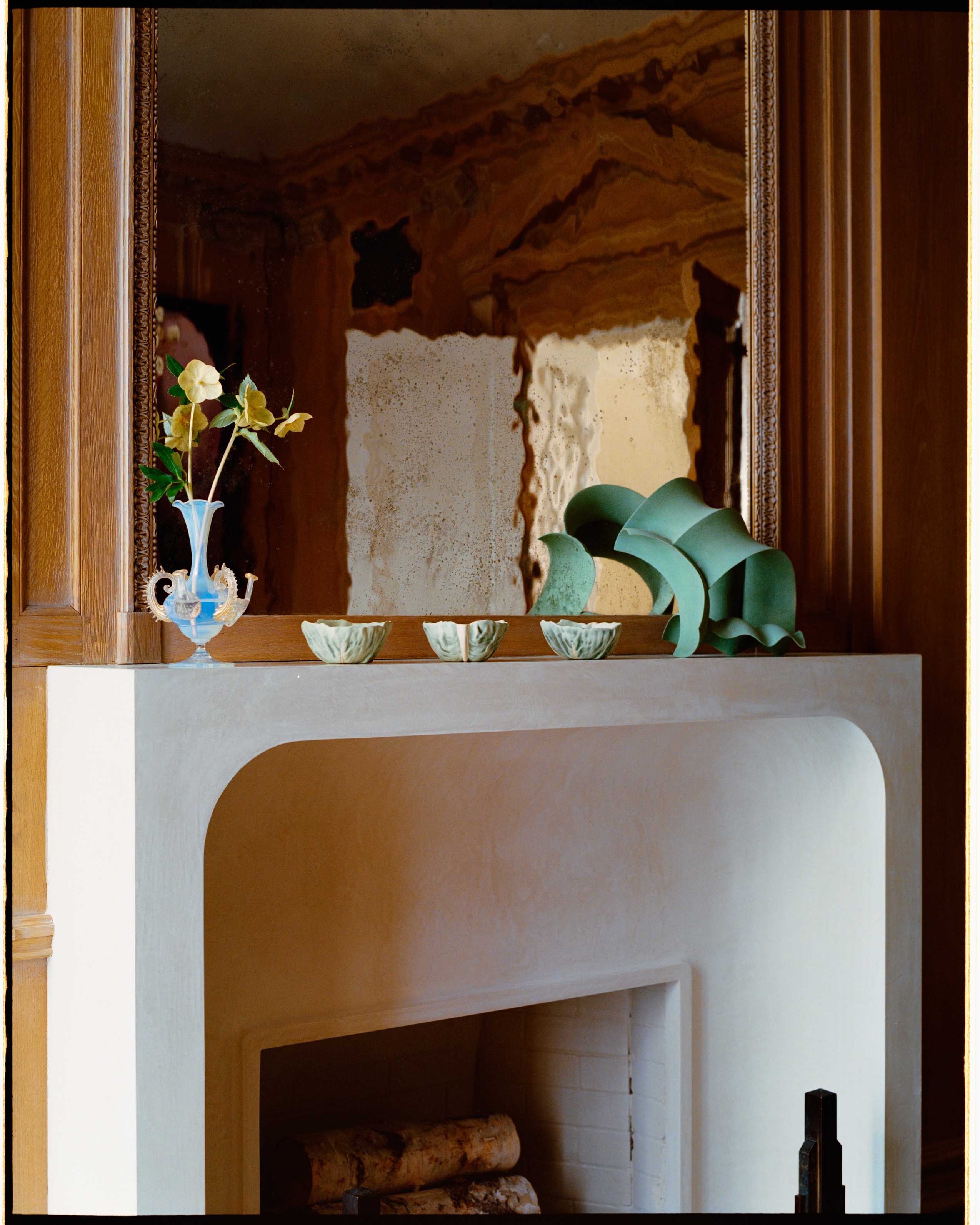
[3] Here, three yellow stems illuminates an entire room inside of an apartment designed by by Rob Johansen. Photo: William Jess Laird.
[4] In psychoanalysis, jouissance describes a form of pleasure or rapture, which is a fusion of mental, physical, and spiritual aspects bordering on mystical communion. Jouissance is considered the source of creative power.
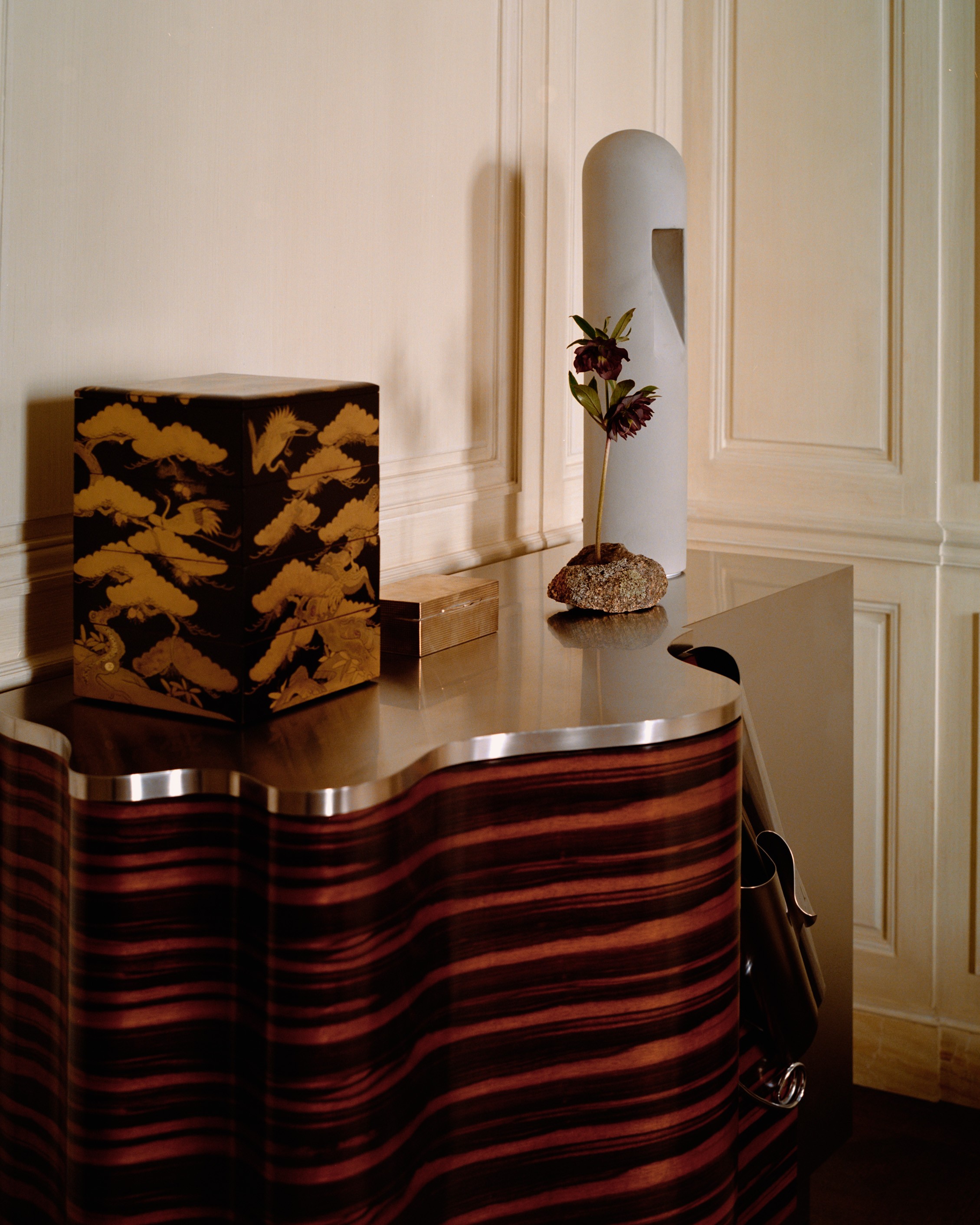
Fig 6, A single Hellebore stem inside of an apartment designed by Rob Johansen. Photo: William Jess Laird
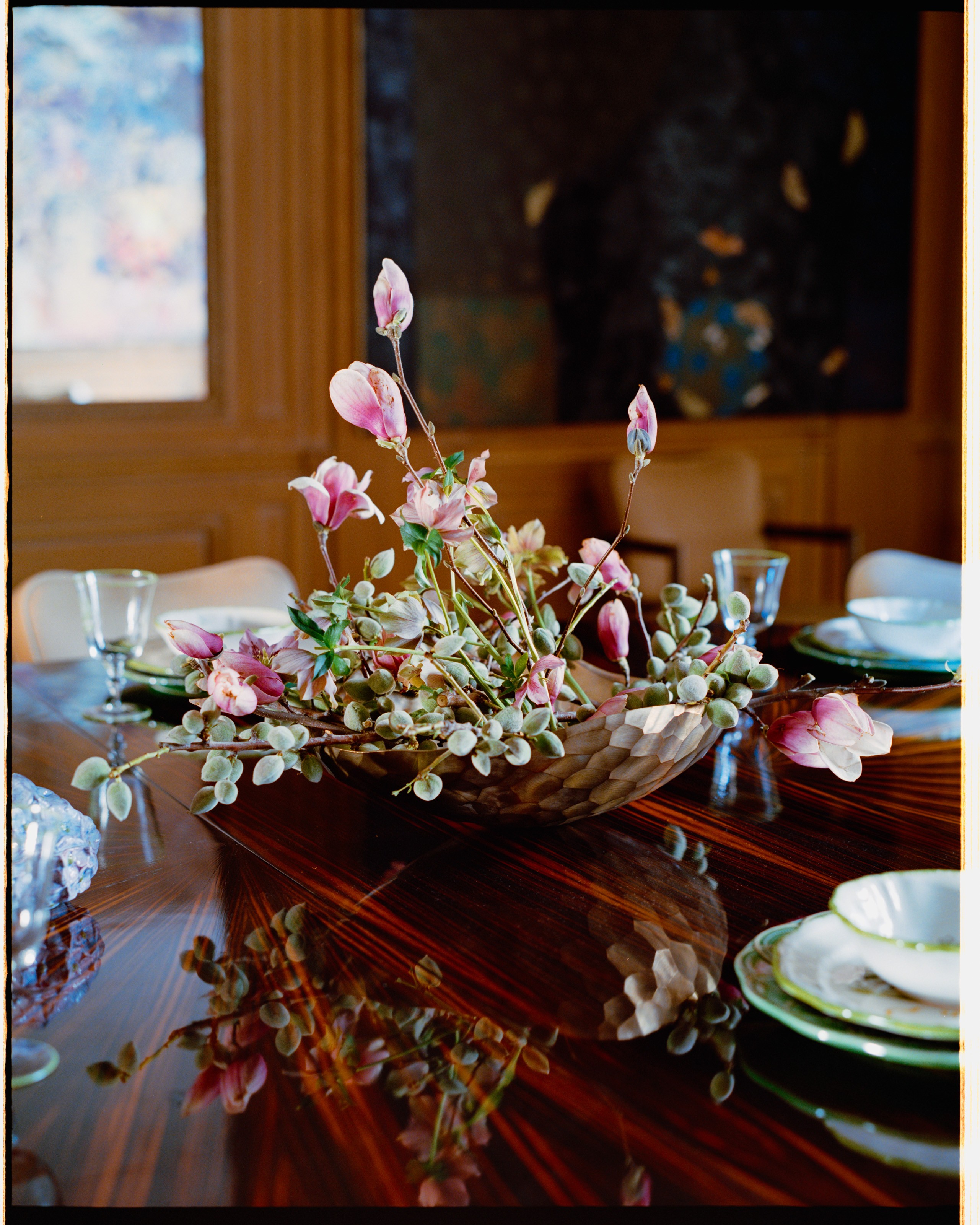
Fig 7, Magnolia, hellebores and almond husks inside of a garden-inspired dining space designed by Rob Johansen.Photo: William Jess Laird
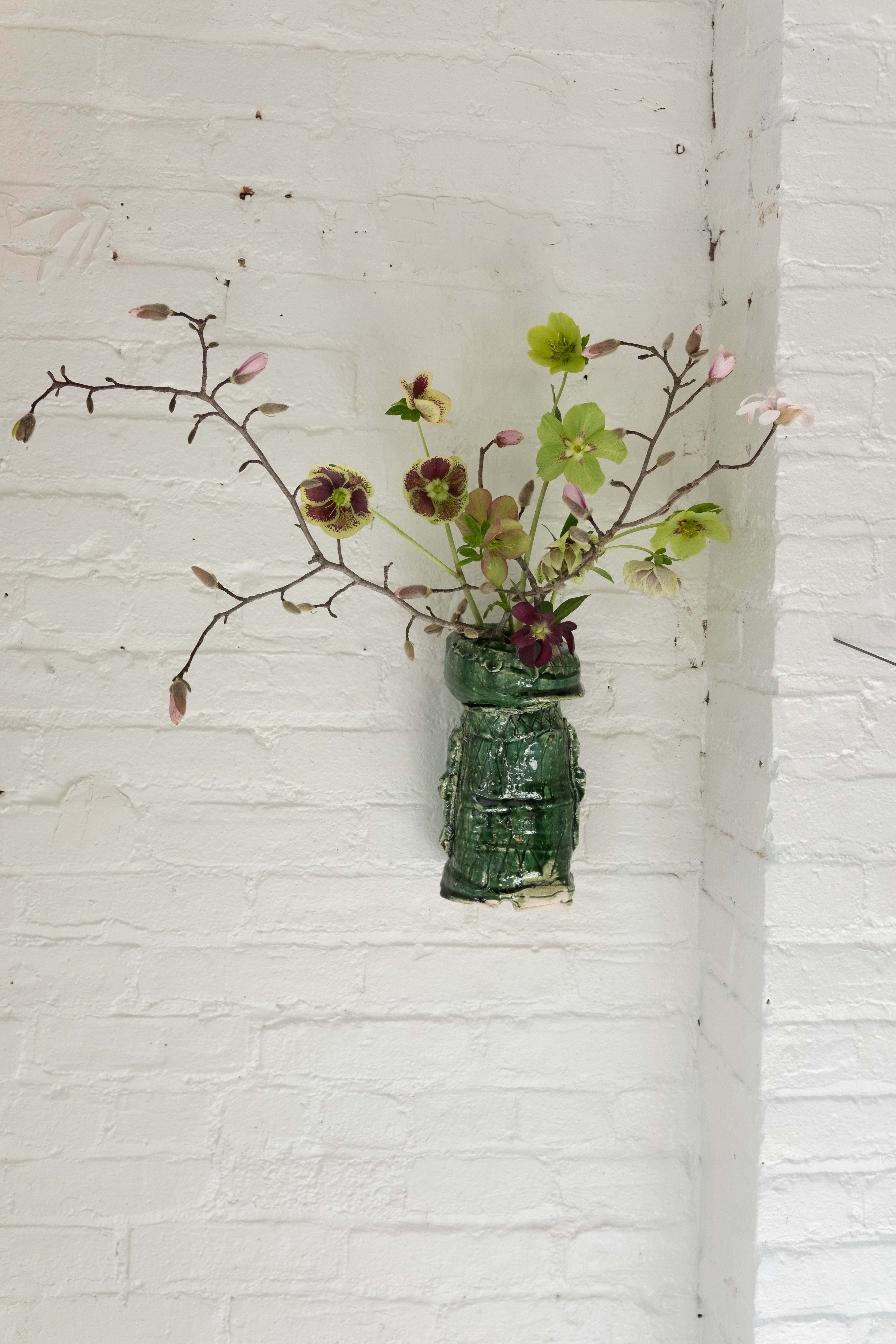
Fig 8, Hellebores and magnoila in a vessel by Aaron Angell at Tiwa Select.
Kloris
Fig 1, A signature of Danny Kaplan Studio, each vessel in the Kloris collection features two hole punches on either side of its opening. This stamp of his studio was born from the idea that one day someone might invest in a piece and hang it like a pendant. Photo: Marco Galloway.
Just as the 17th century born tulipiere[1] was designed to arrange tulips in spouted towers, the wide-mouthed vessels of Kloris were designed specifically with their floral occupants in mind. Conceived in partnership with Danny Kaplan Studio, this series of eight ceramic vessels was designed not just in response to flora, but in service to it. Each sculptural yet unfussy form illustrates the impressive gravity of design when use and beauty are measured with equal intention.
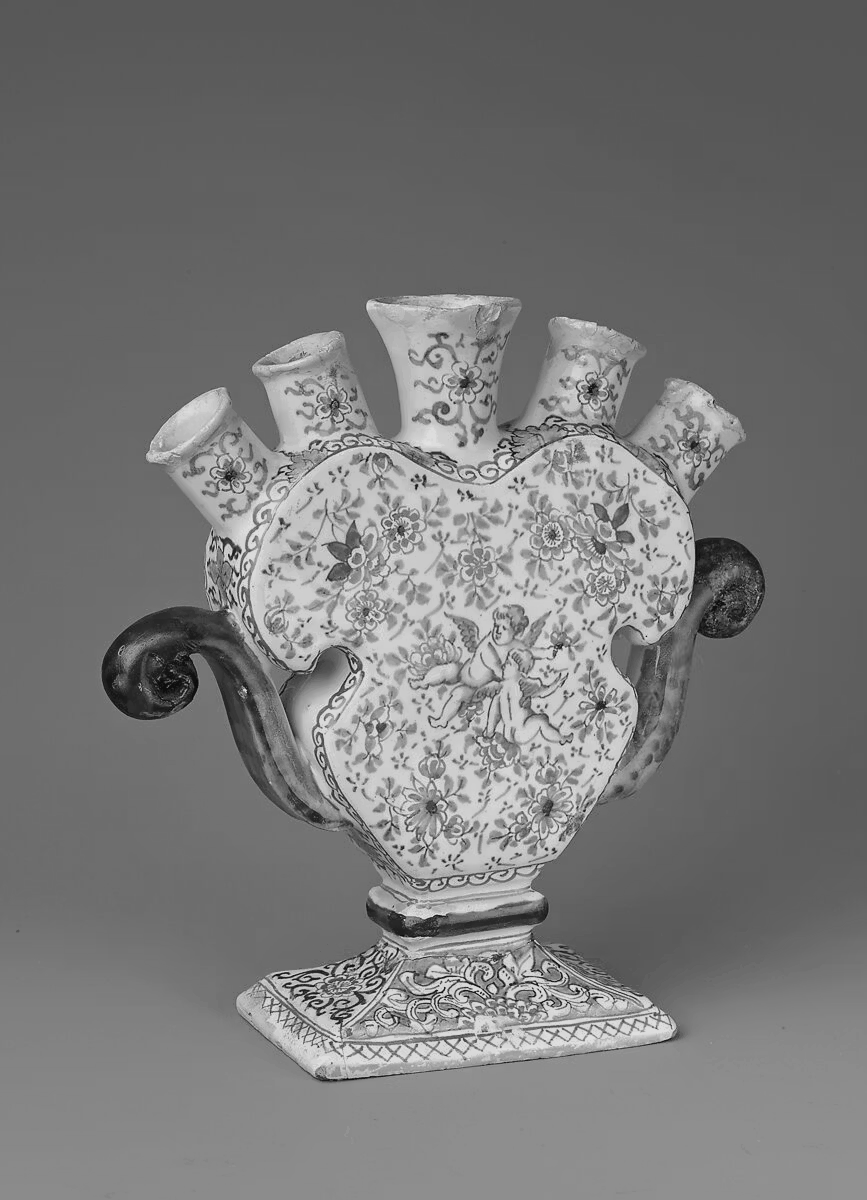
[1] Often made of tin-glazed earthenware, the tulipiere emerged in Europe during the 17th century, particularly in the Netherlands, at the height of “tulip mania." Dutch ceramicists created these ornate vessels to display and grow prized tulip bulbs individually, with spouts for each bulb connected to a central water reservoir. The one shown here is from the early 1700s and is part of The Met's collection.
Fig II, “Alex approaches florals in a way that feels architectural yet effortless,” Kaplan explains. “It mirrors the way I think about ceramics—as something rooted in function but open to expression.” Photo: Marco Galloway
Drawing on a wide range of historical and organic references from Etruscan urns to carved stone fountains, the understated form of each vessel feels both miraculous and matter of fact, untethered to any particular era or stylistic movement. Over the years, we’ve long-admired Danny’s work for these same traits, this architectural clarity that presents as effortlessness. Working with him on the shapes of Kloris allowed us, as florists, to speak for the plants that often get arranged within vessels such as these. With great pride, we took on this role of advocation, understanding what it’s like to place families of flora within vessels, poking and prodding your way around the interior of a vase until every stem is standing or dancing how and where it should.[2]
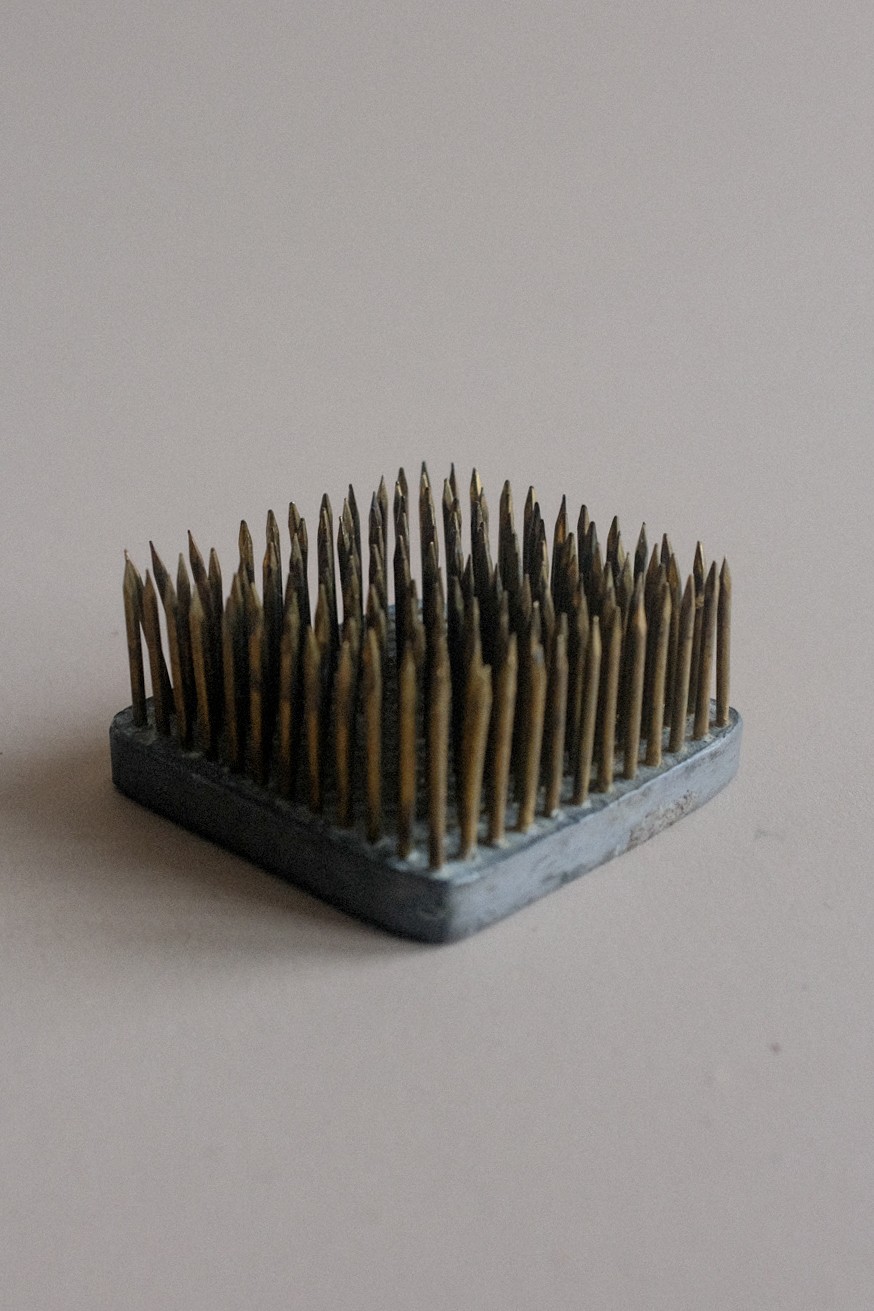
[2] This often calls for the use of a frog, an essential tool of anyone who works with flowers. We use these little workhorses in nearly all of our interventions. Their spiky form acts as a pin cushion for stems that get stabbed into each thorn-like point of steel, which — as if by magic when seen at a distance — holds it firmly in place. This method dates back to at least the 14th century in Japan where the practice of Ikebana relied on the meticulous placement of individual flowers.
Fig II, Often, the gestural personality of flora (and how people tend to it) is not factored into the design of vases, making the act of arranging a frustrating one. Vases are too short, or can’t hold enough stems, they’re hard to clean, and so they are less used. With the shapes of Kloris, we aimed to create more accommodating hosts. Photo: Marco Galloway.
In this series of eight, the first three forms are available as ready to ship objects. Vases four through eight, however, will be made
to order. Pieces that are made to order will require a lead time between eight and ten weeks and will be shipped with care from New York City.
A favorite form, is a low-riding vessel with a shallow bath for flora. It stands on three voluminous cylindrical legs.