

V.
SpringOn grass
Grass is one of the most abundant plants on our planet with nearly 12,000 species spread all over the world like individual threads of a sprawling tapestry. For our spring essay, Alex delved into the subject.
Fig I, In this film by Scott MacDonough, you can hear the sounds of summer in Massachusetts as Alex wades through a vast field of grass before exploring the woods and bouncing on top of fallen logs.
As much as we love the showboat blooms of a tree peony or the operatic drama of a long-stemmed calla lily, for us — for me especially — nothing comes close to the charisma of grass. This persistent plant blankets our planet, unflappable and transparent in its goal to exist everywhere, dwelling on land and underwater.
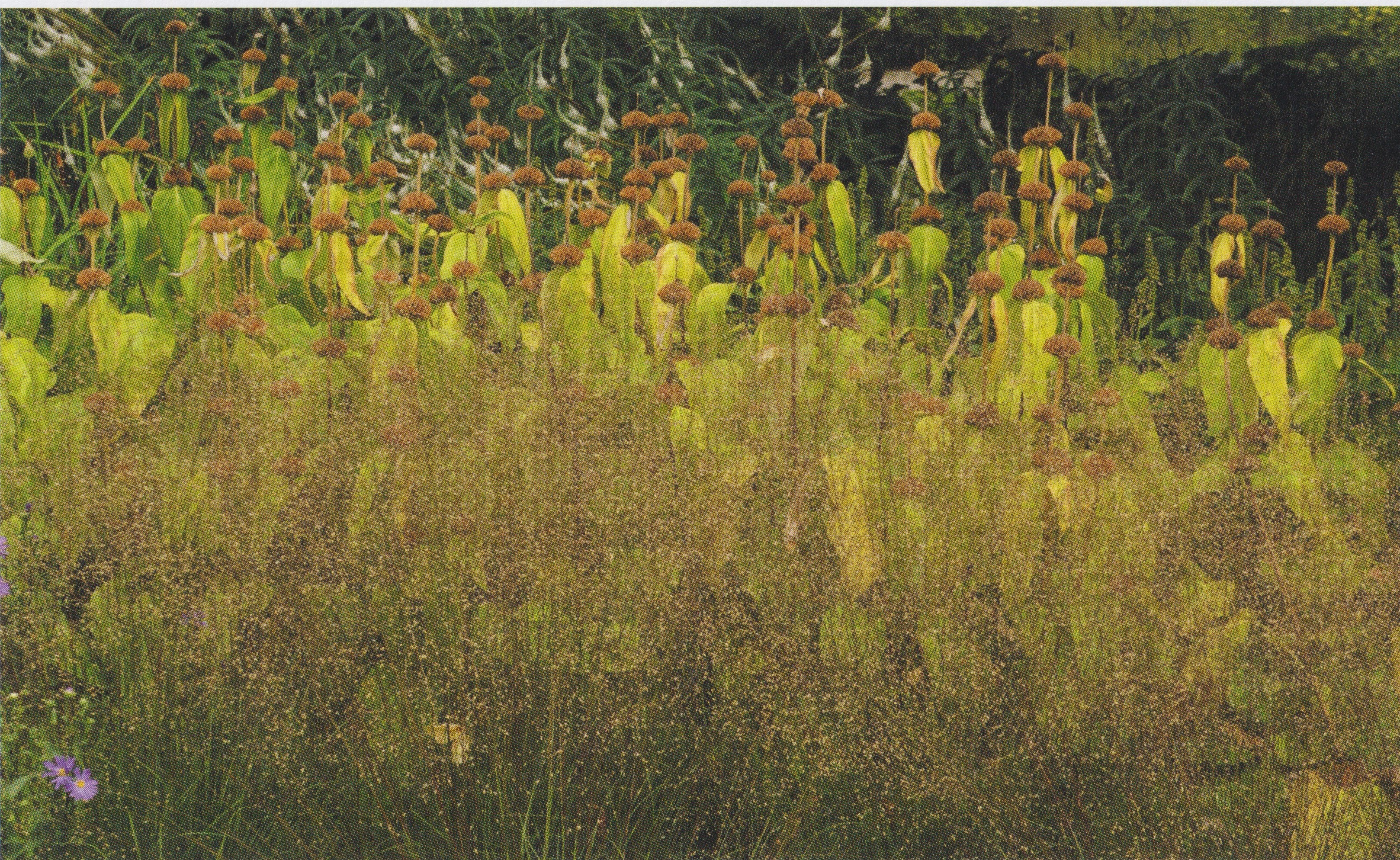
Fig II, A field of Sarracenia alata, scanned from a book authored by masterclass gardener Piet Oudolf.
My obsession began as a child mesmerized by its color-changing abilities at sunset. Particularly in summer when the hay fields that surrounded my home were at their tallest. I would wade out into the sea of waving green and crouch down so the only thing I could see was thousands of threads against a big wide sky. For a few minutes, right before the sun slid below the horizon, every stalk appeared lit from within, each inflorescence glimmered a metallic green. This image dwells in my memories like the visage of a loved one, it’s one I revisit time and time again.
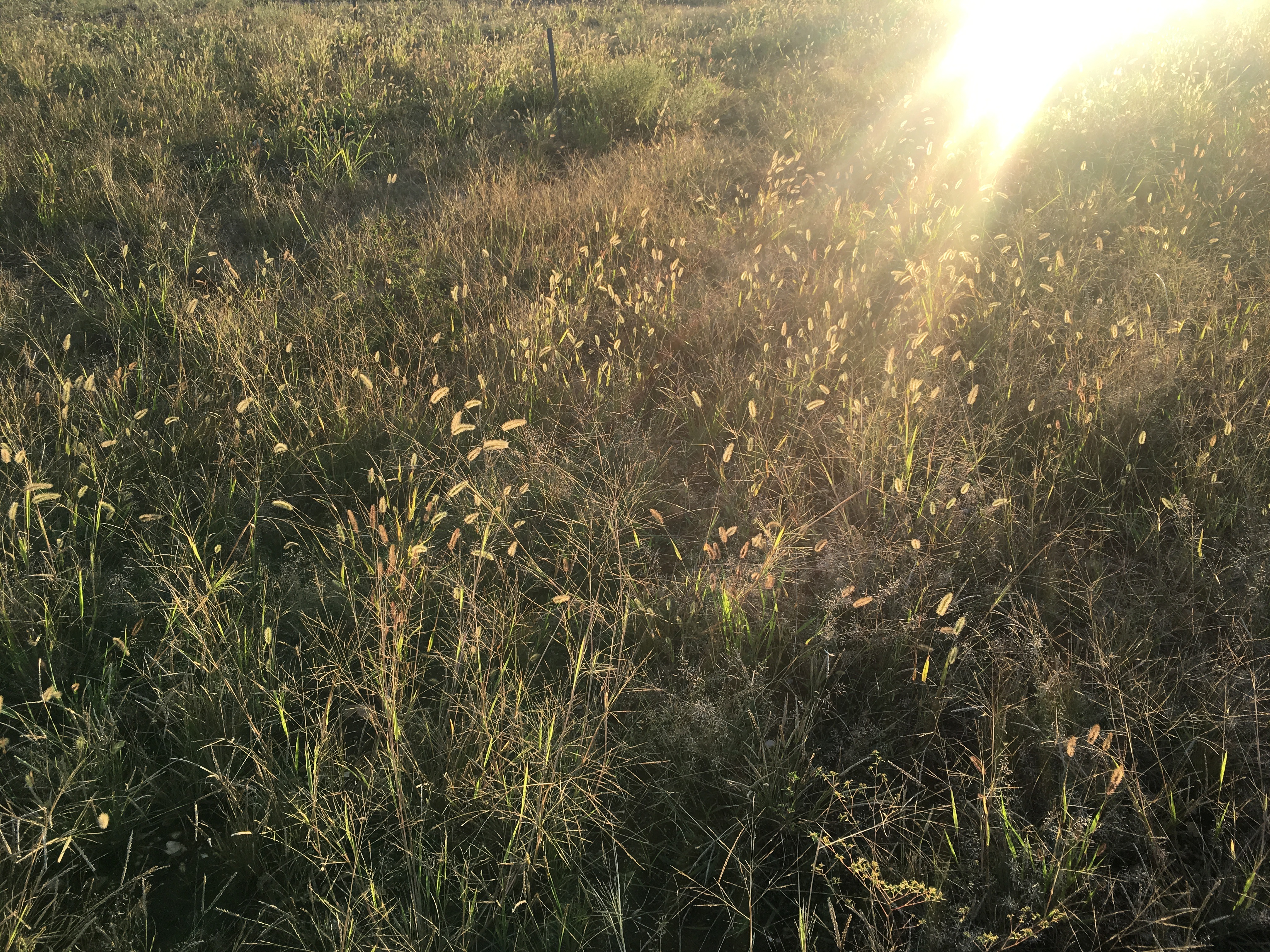
[1] A near-neon memory from my childhood in the Ozarks.
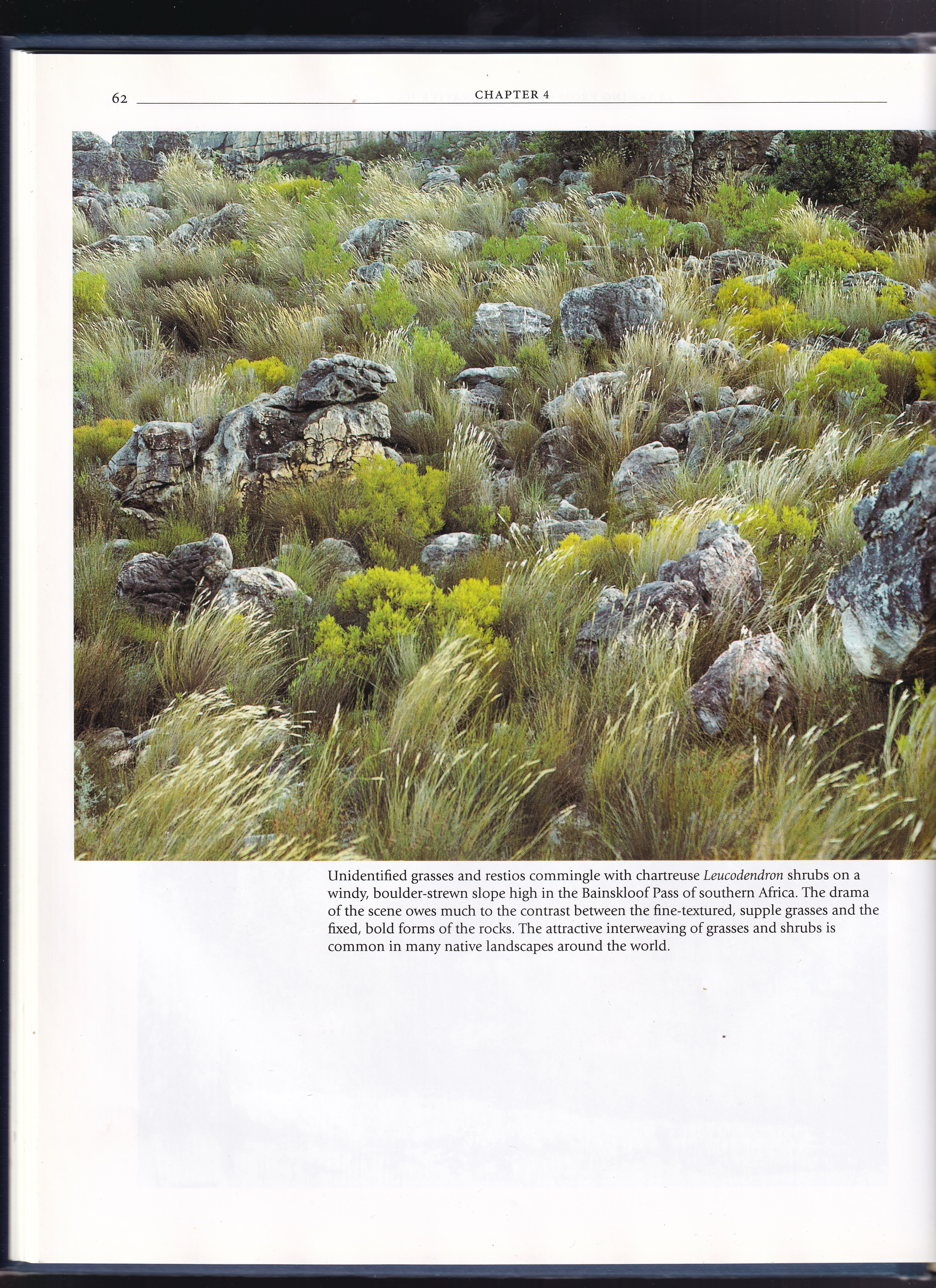
Fig III, On this page from Rick Darke's Color Encyclopedia of Ornamental Grasses "unidentified grasses and restios commingle with chartreuse Leucodendron shrubs on a windy, boulder-strewn slope high in the Bainskloof Pass of southern Africa."
Along with Robin Wall Kimmerer's Braiding Sweetgrass, I'd recommend The Color Encyclopedia of Ornamental Grasses: Sedges, Rushes, Restios, Cattails, and Selected Bamboos, originally published in 1999. In just over 300 pages, your understanding of grass and its place on this planet will more than quadruple. Here is an excerpt on grasses and human culture for a taste:
Including the cereal grains wheat, corn (maize in Europe), rice, rye, oats, barley, millet, and sorghum plus sugarcane among its members, the grass family is the most important to human civilization, which owes its spread to the development of grass-based agriculture[2]. Human culture around the world has been shaped by grasses and products made from them. Grasses are the source of many aromatic and culinary oils, and are employed in the making of sake, wine, beer, whiskey, and many other alcoholic beverages. They've also provided a myriad of construction materials. Simple homes have been built of grass sods and roofed with grass thatch. Bamboos are still commonly used for framing and scaffolding, and in the manufacture of furniture and fencing.
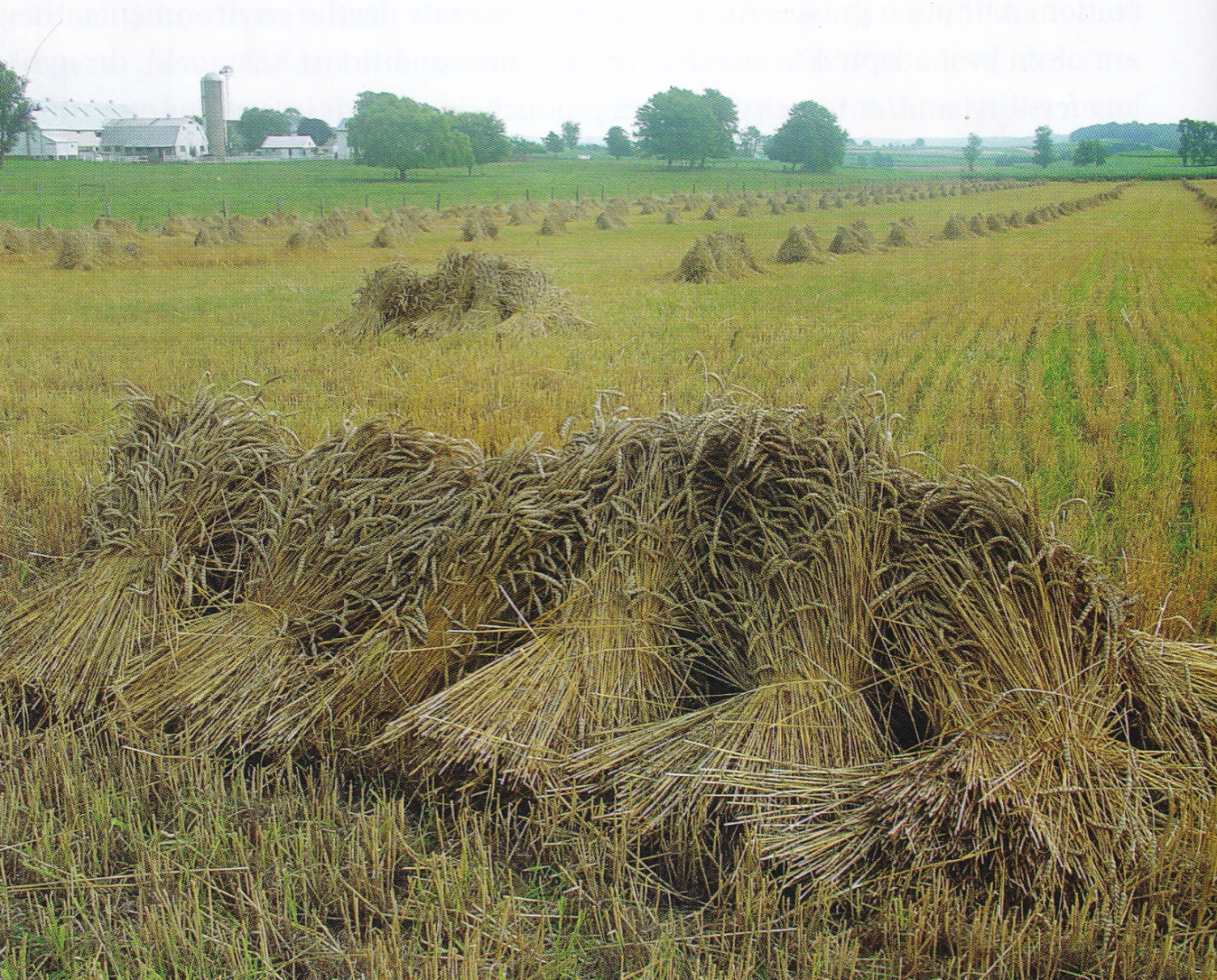
[2] From the book: July harvest of winter wheat, triticum destivum, in Lancaster County, Pennsylvania. An annual grass, wheat is the most important food grain in the temperate zones. Of probably Middle Eastern origin, it has been grown for thousands of years, since the beginnings of agriculture. Nearly 500 million acres (ca. 200 million hectares) worldwide are devoted to wheat crops, primarily for flour production.
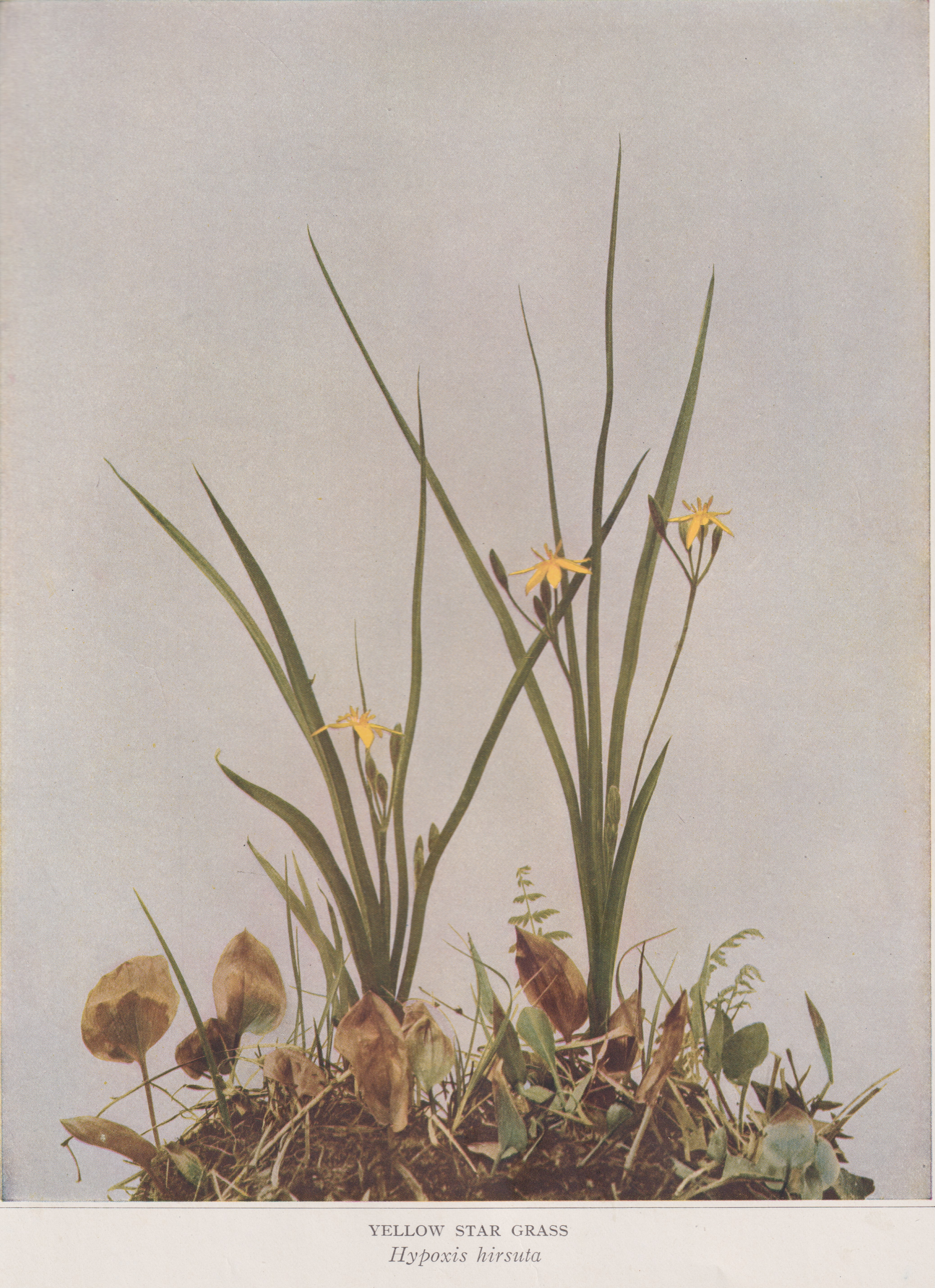
Fig IV, A botanical plate of yellowstar grass from The Book of Wildflowers. This grassy bloom is also known as common goldstar, common stargrass, or eastern yellow stargrass.
Grass possesses a resilience that I admire, whether pushing through a crack in the city sidewalk, or outcompeting other plants for prime real estate, it is a beautiful and ingenious member of the living world and one that we feature in our floral interventions[3] as much as we can.
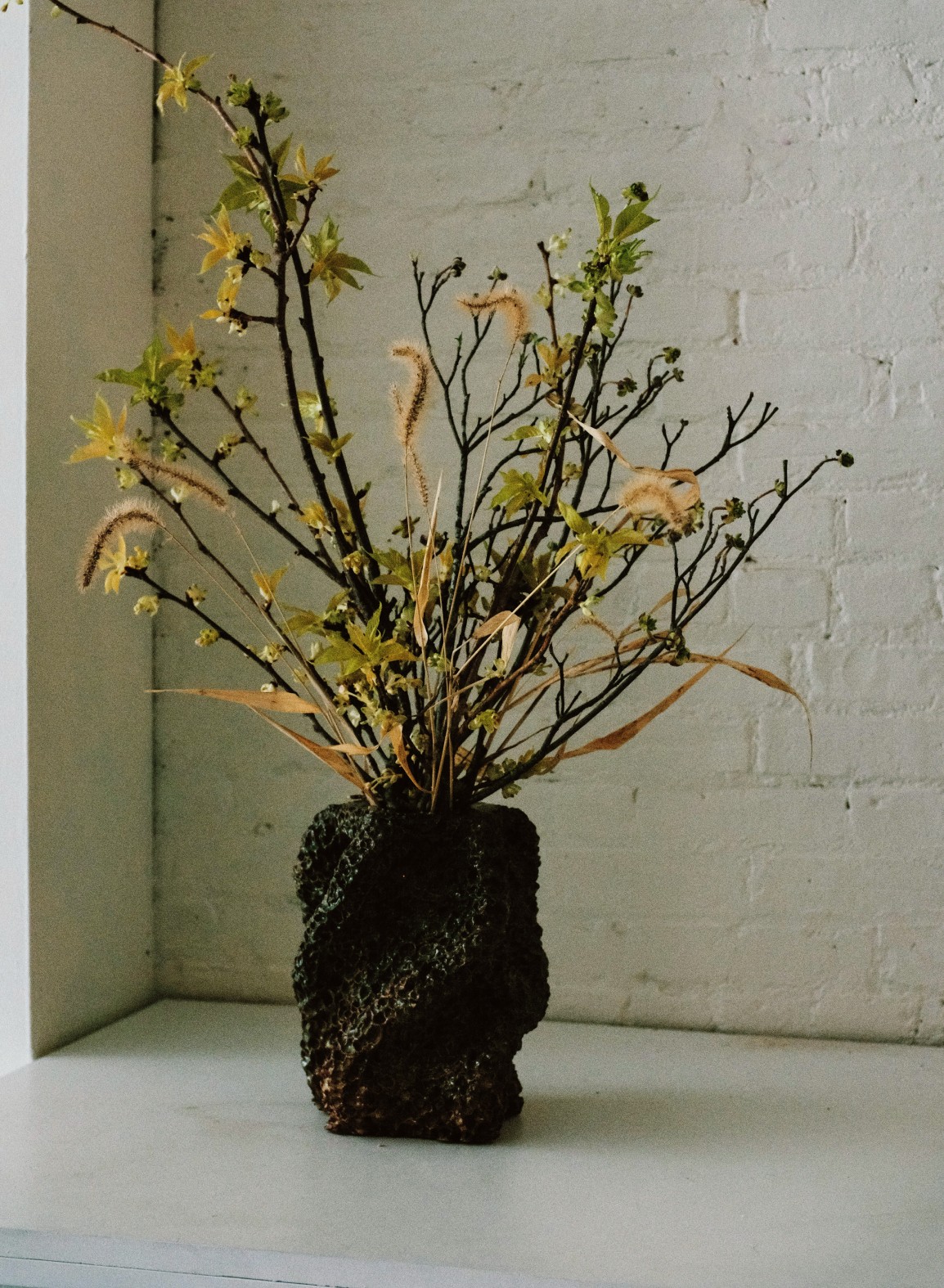
[3] Here, dried grass was arranged with tender dogwood and iris pods for Lindsey Adelman's show at Tiwa Select in New York.
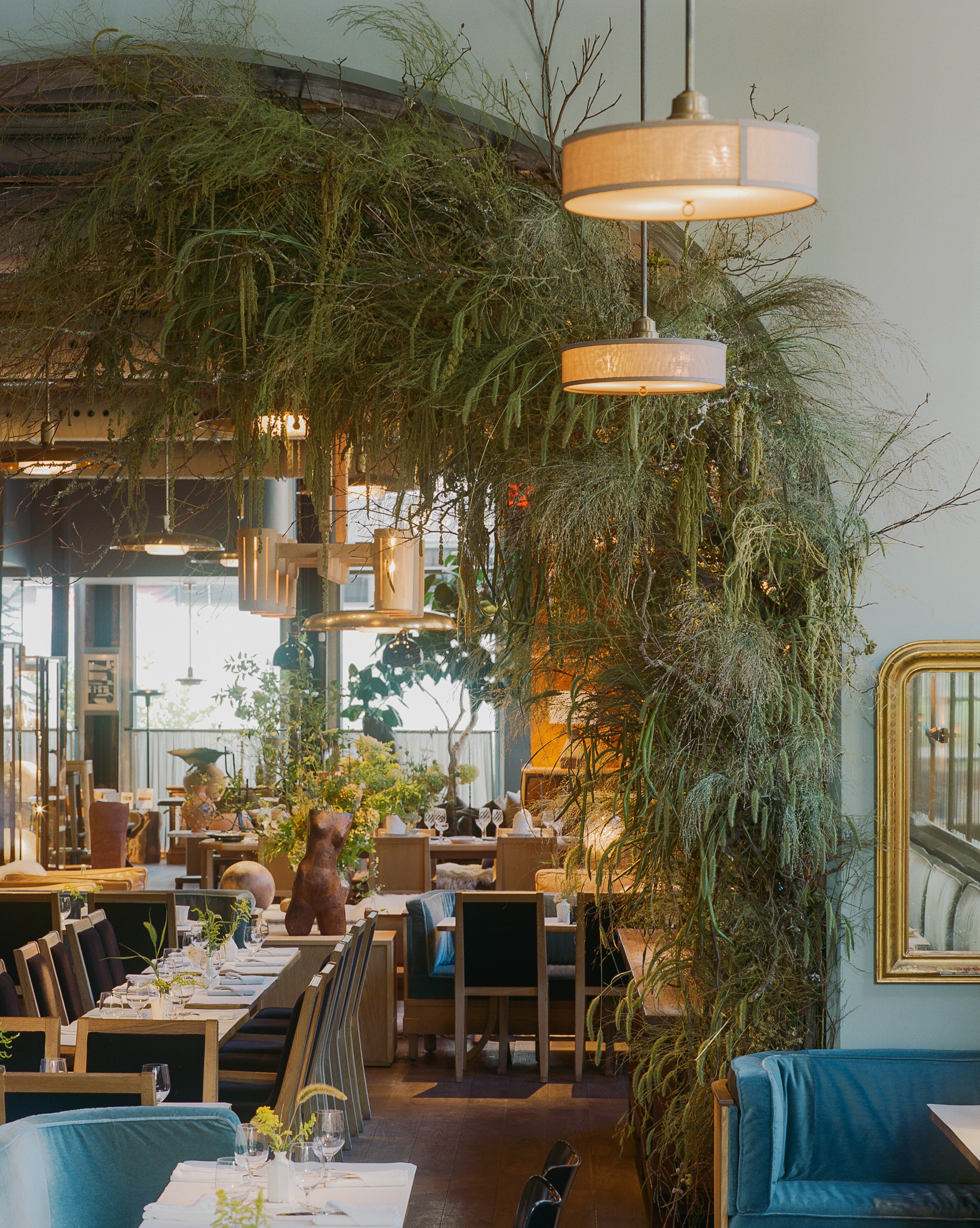
Fig V, There may be no greater expression of our infatuation with grass than the grand arch we created for La Mercerie at The Guild in New York. Photo: Marco Galloway
As a material, the softening quality it brings to a floral intervention is unrivaled. En masse, it can create a fuzzy or frothy texture that feels downright romantic, not to mention its ability to bring a certain overgrown wildness to a design. It’s also one of the most affordable and abundant offerings we florists have at our disposal in summer and I’m fascinated by all the ways we can utilize it. I don’t think we’ve fully engaged with the possibilities, and the impetus to do so is thrilling.
Continued Reading
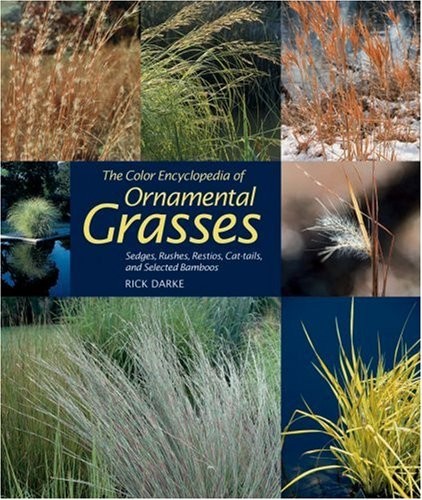
This encyclopedia by Rick Darke, an American horticulturist, is the most authoritative and best-illustrated reference ever published on ornamental grasses.
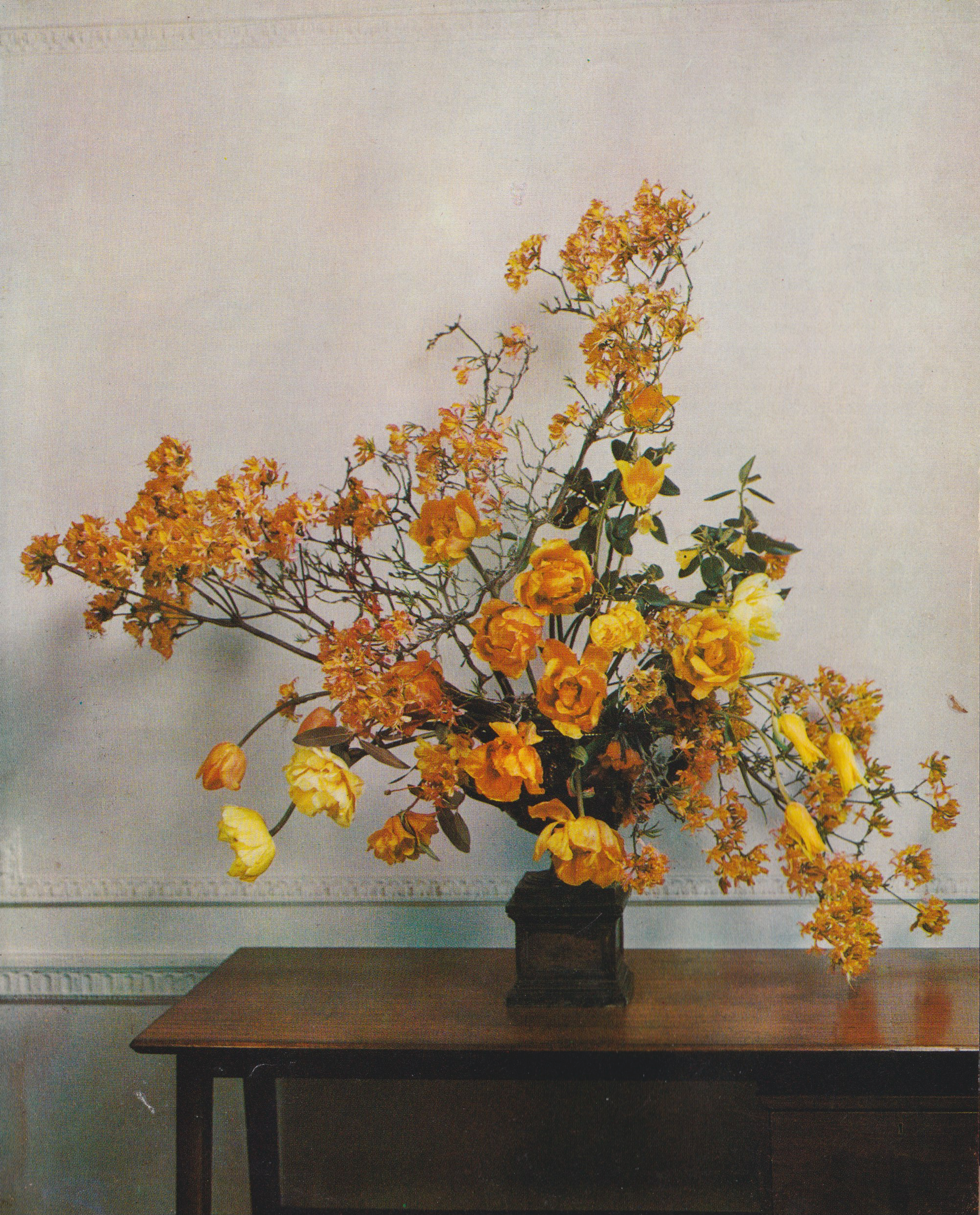
A key influence on our studio's unruly style, British educator, florist and author Constance Spry caused a tectonic shift in how people viewed flowers in the mid-20th century. Her taste was disruptive, aligned only with nature's preexisting charisma.
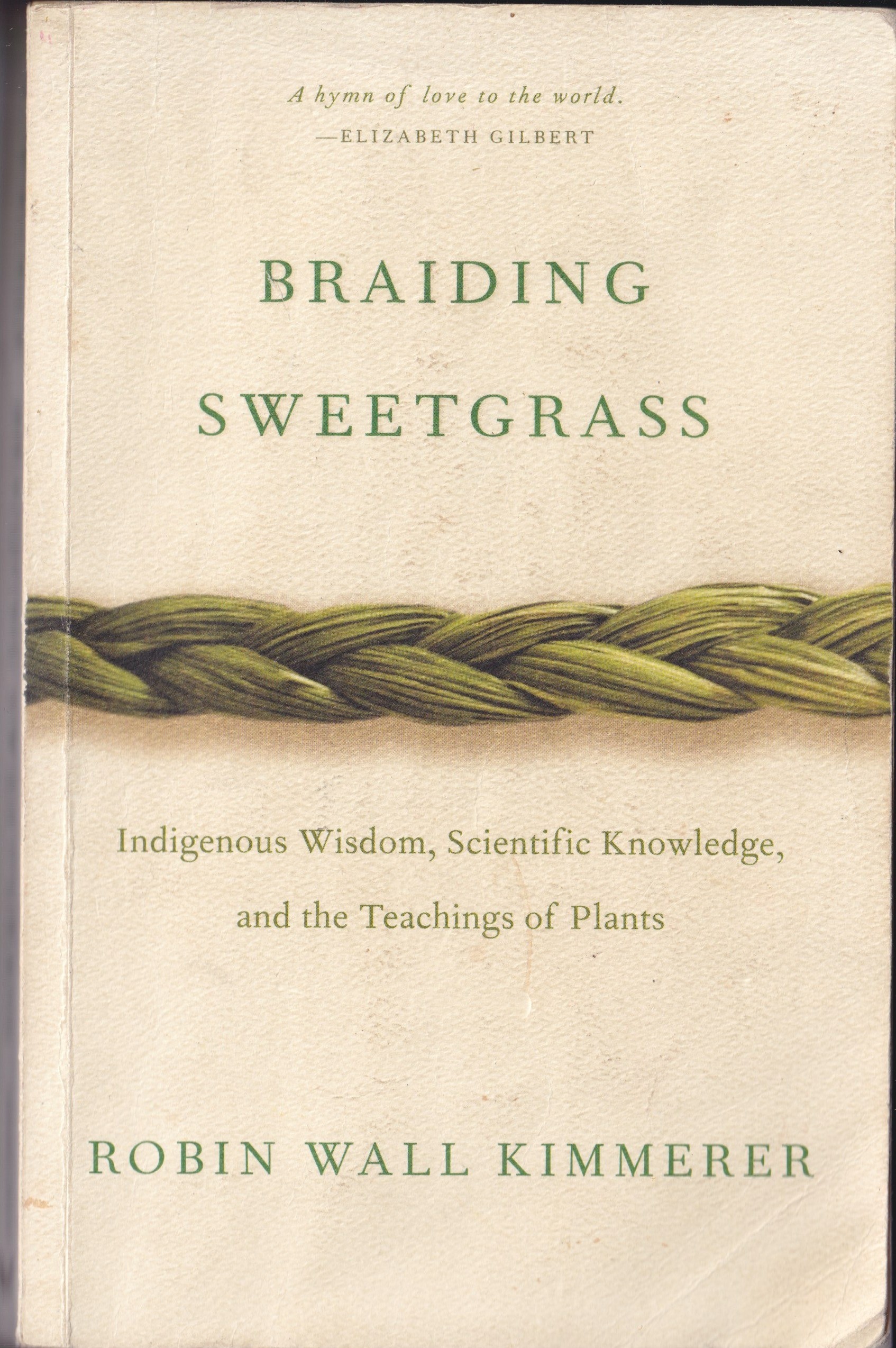
In Braiding Sweetgrass, Robin Wall Kimmerer tenderly articulates nature's abundant generosity and makes a sound argument for the need to raise our collective ecological consciousness. Our contrarian approach takes a page, if not every chapter, from this very idea.