

Roman and Williams
Fig i, La Mercerie, the beautifully designed restaurant inside of RW Guild as seen from the store. Photo: Andrea Gentl and Martin Hyers
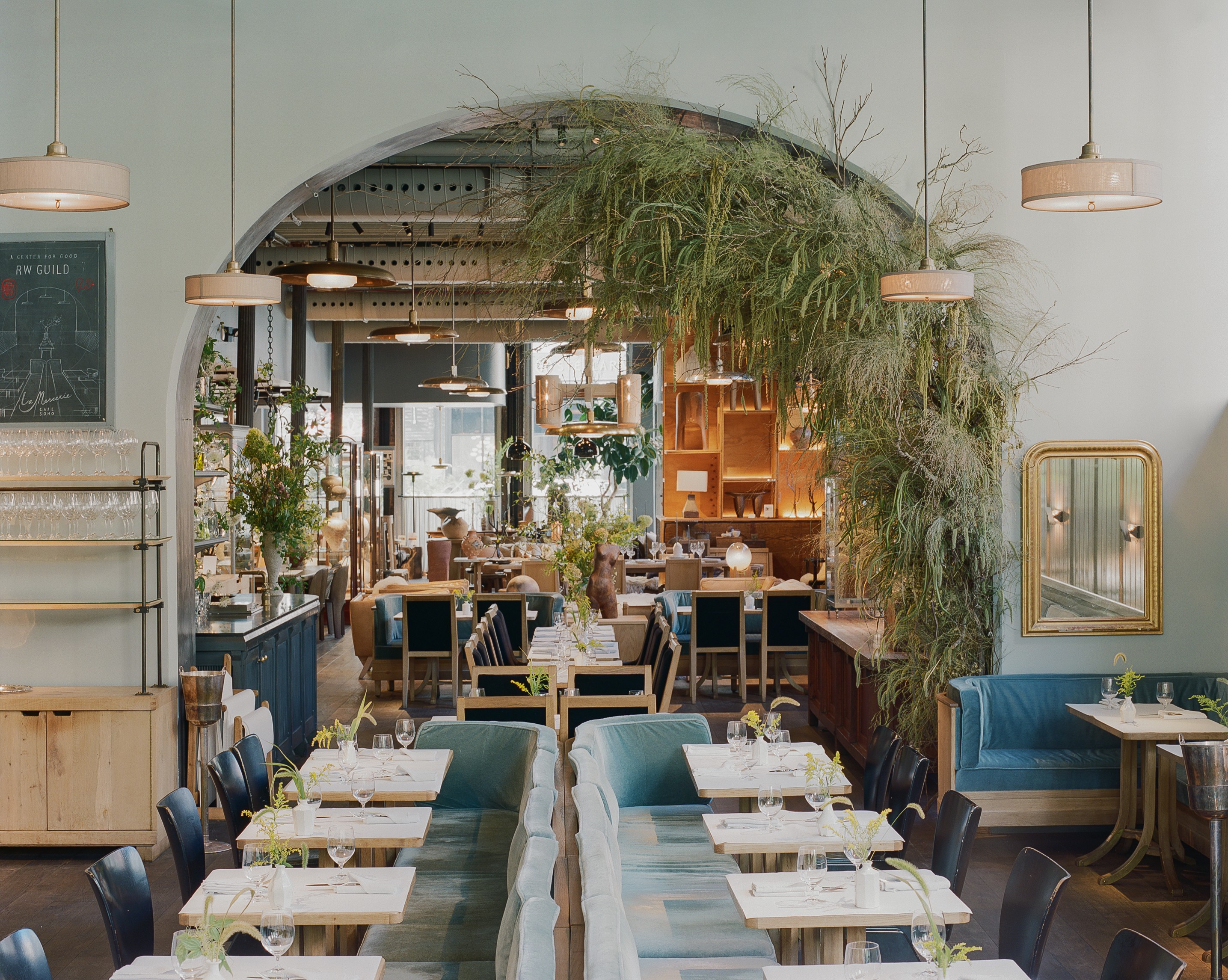
Fig II, Our grass arch installation in the archway between La Mercerie and the Guild. Photo: Marco Galloway
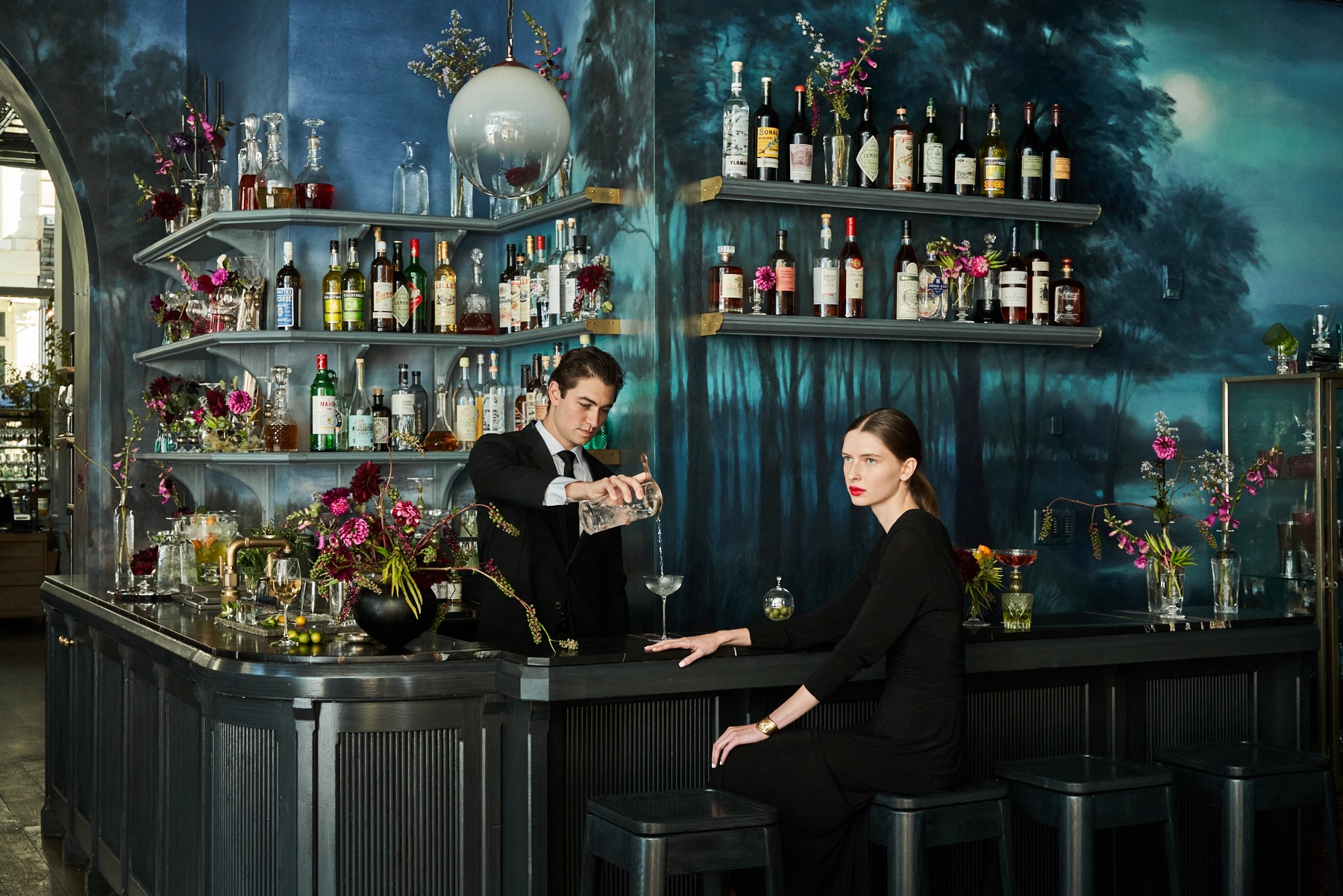
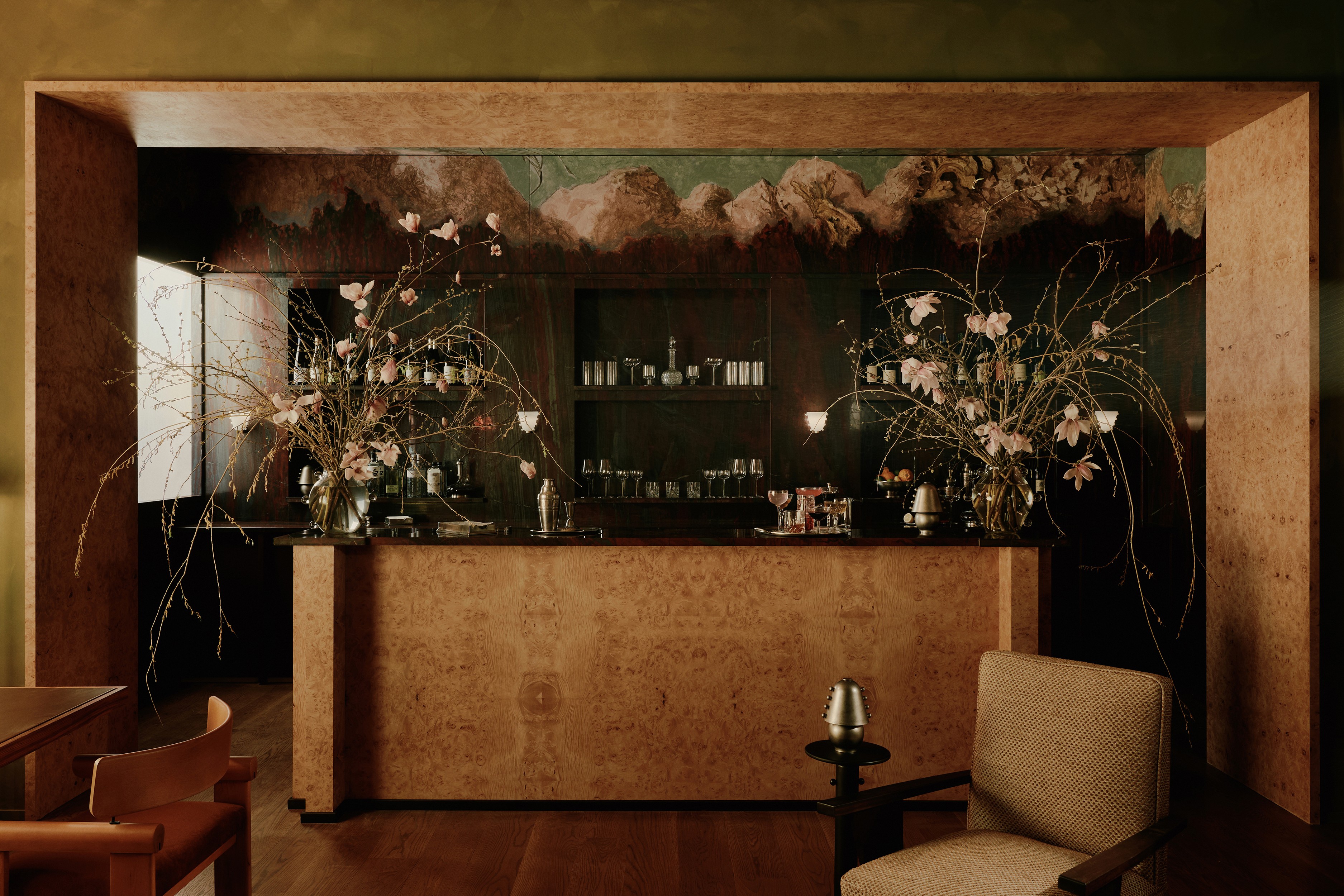
Fig iii, The bar at La Mercerie adorned with juicy late summer flora. Every week the featured flora changes here. Photo: Andrea Gentl and Martin Hyers
Fig iv, Salsify clockheads, carefully placed inside a tableau of umber colored ceramic works from Denmark. Stylist: Colin King, Allison Attenborough Photographer: Andrea Gentl & Martin Hyers
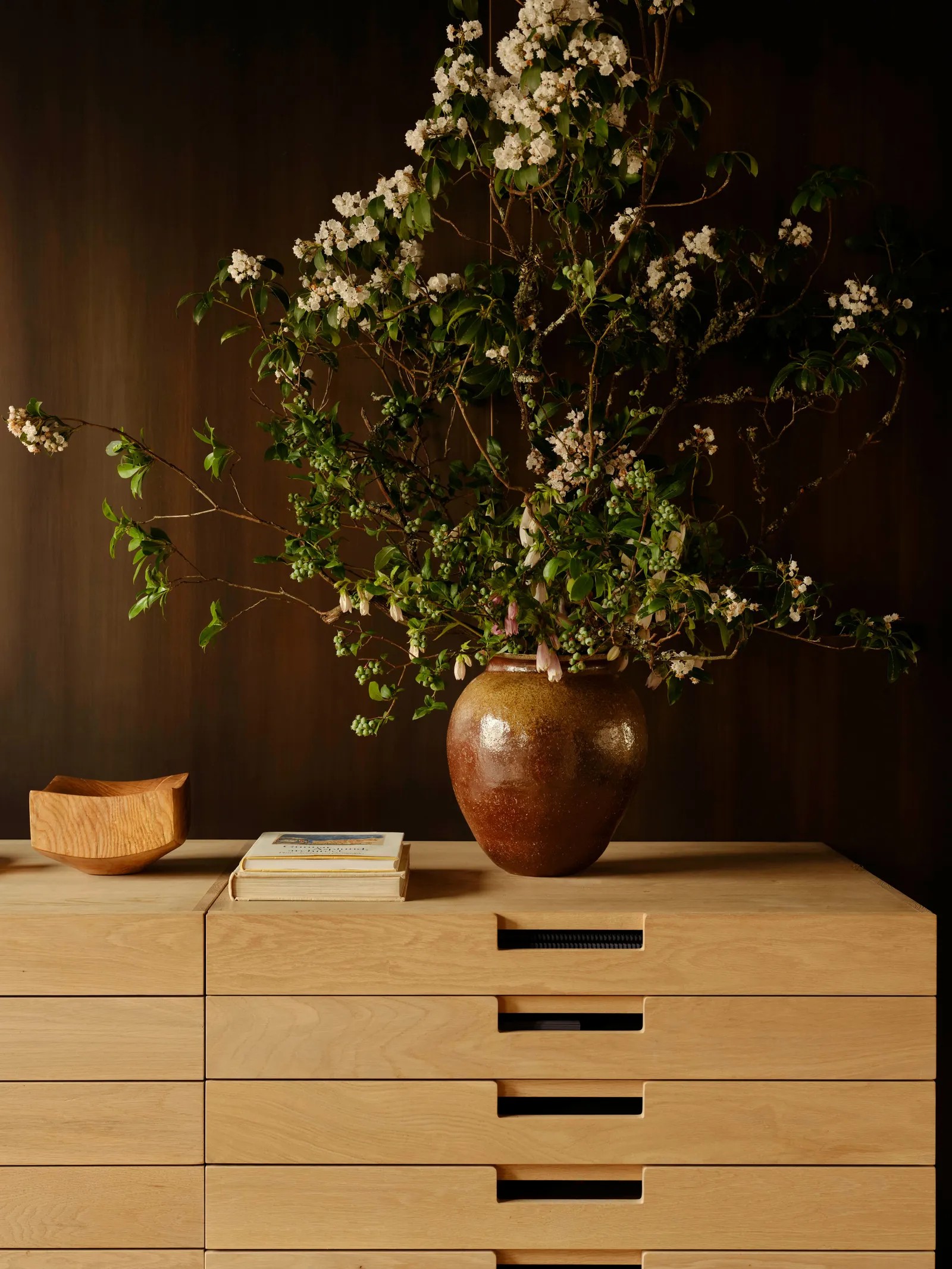
Fig v, Blueberry, foxglove and blooming mountain laurel in the Roman and Williams' studio. Styled: Colin King, Photo: Clement Pascal
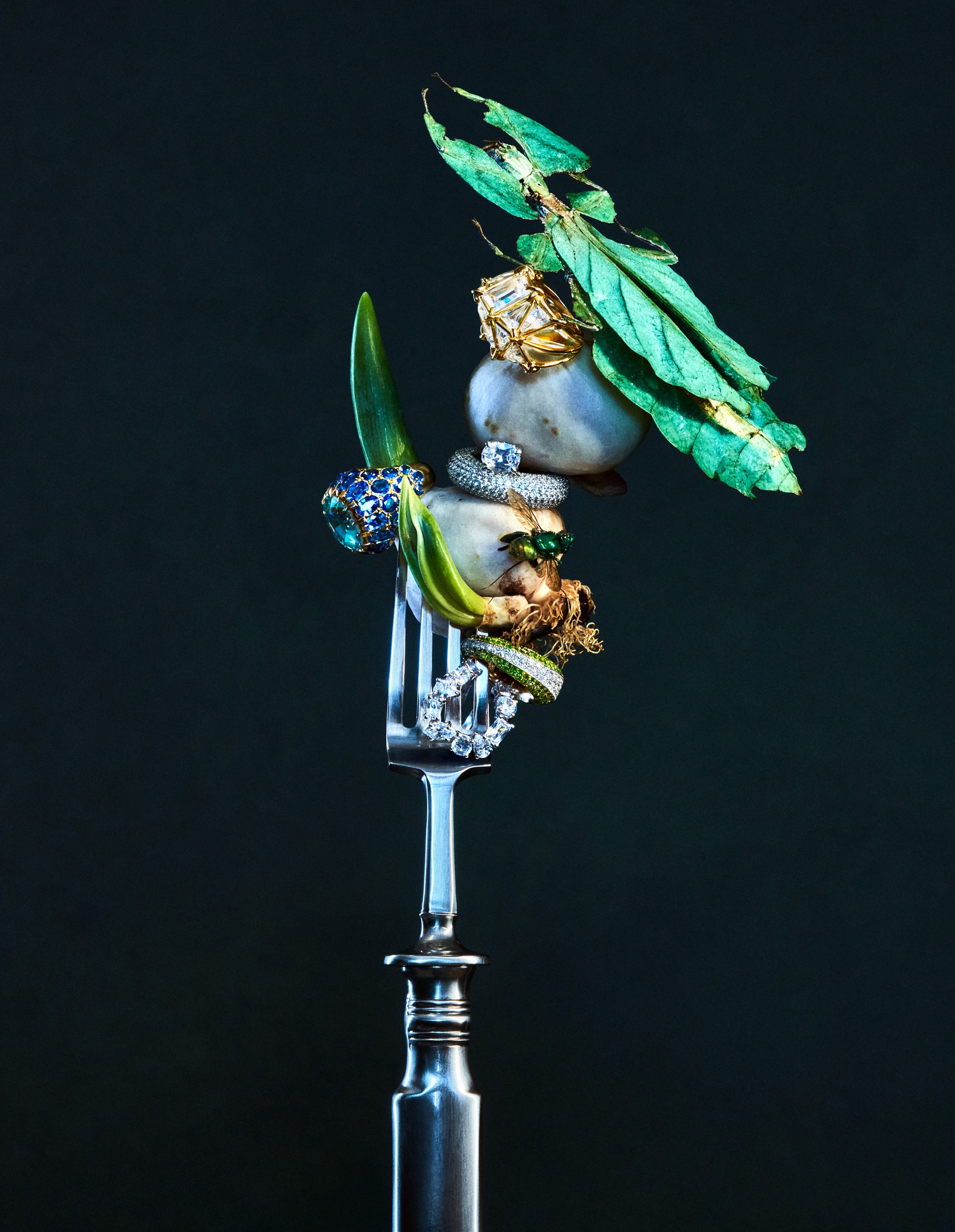
fig vi, A bejeweled tulip bulb pierced by fork from the guild's bone flatware for a 6-page print story for Town and Country Magazine. Styled: Colin King, Photo: Andrea Gentle and Martin Hyers
Fig i, La Mercerie, the beautifully designed restaurant inside of RW Guild as seen from the store. Photo: Andrea Gentl and Martin Hyers
Fig II, Our grass arch installation in the archway between La Mercerie and the Guild. Photo: Marco Galloway
Fig iii, The bar at La Mercerie adorned with juicy late summer flora. Every week the featured flora changes here. Photo: Andrea Gentl and Martin Hyers
Fig iv, Salsify clockheads, carefully placed inside a tableau of umber colored ceramic works from Denmark. Stylist: Colin King, Allison Attenborough Photographer: Andrea Gentl & Martin Hyers
Fig v, Blueberry, foxglove and blooming mountain laurel in the Roman and Williams' studio. Styled: Colin King, Photo: Clement Pascal
fig vi, A bejeweled tulip bulb pierced by fork from the guild's bone flatware for a 6-page print story for Town and Country Magazine. Styled: Colin King, Photo: Andrea Gentle and Martin Hyers
Revered for their timeless aesthetic and radical vision, Roman and Williams is our most comprehensive account to date, presenting Field Studies exclusively as their floral partner in all arenas of their business.
Committed to beauty and endurance, Robin Standefer and Stephen Alesch are the authors of the brand, offering an ecosystem of art and design where unwavering craftsmanship and evocative storytelling reign supreme.
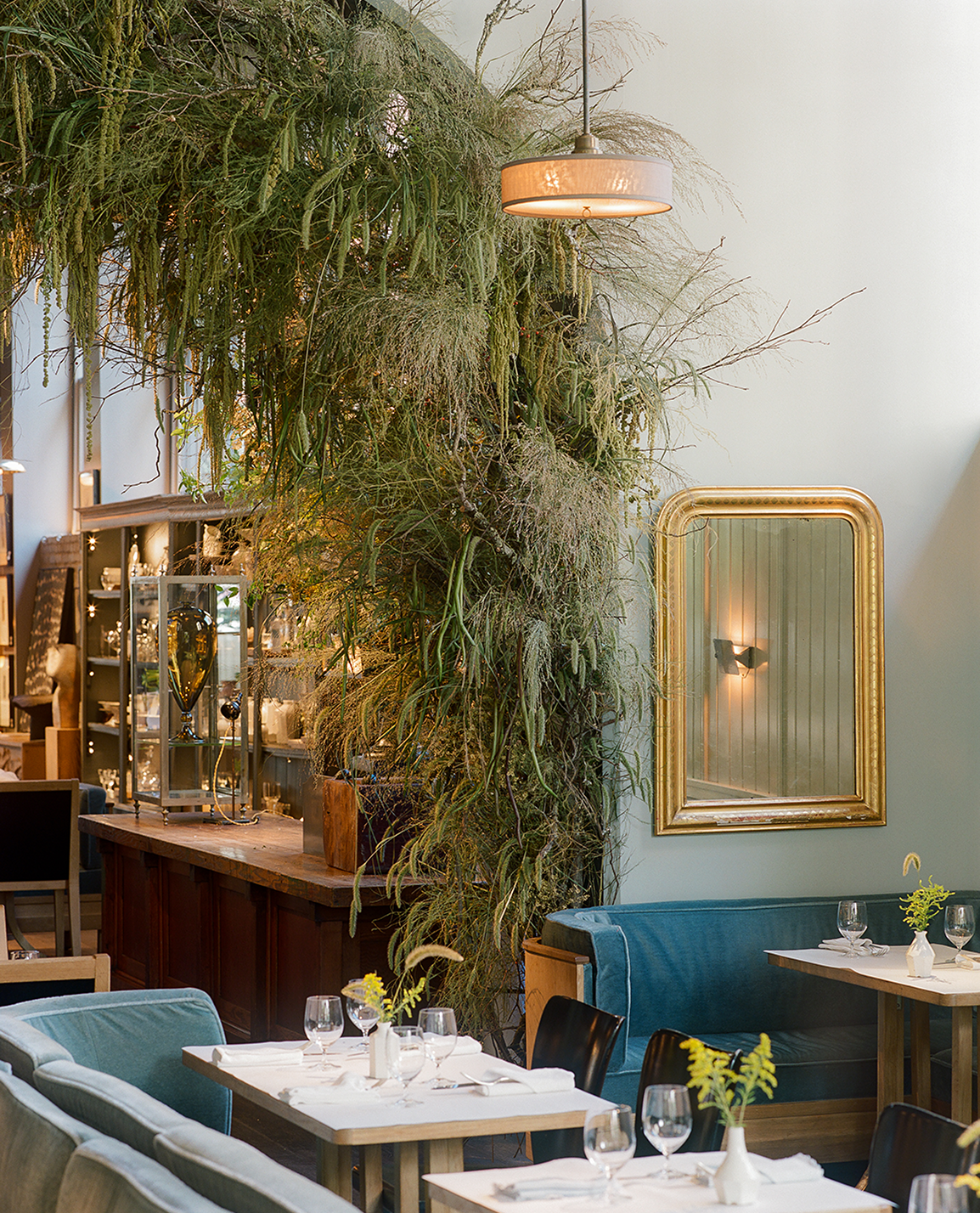
fig. 1, In 2023, the archway, which connects La Mercerie to The Guild, was adorned in late summer’s finest foraged greens. A slurry of grasses were nestled into an armature of mountain laurel and garnished with long green-bean-looking catalpa pods to create this vertical meadow of fringe which crawled 14 feet up the wall, arcing over guests below.
In close collaboration with Robin Standefer, Field Studies’ naturalistic perspective [1] is braided into everything that the Roman and Williams studio champions from weekly interventions at the Guild, La Mercerie, and the Roman & Williams studio to private events, editorial campaigns, and exhibition openings.
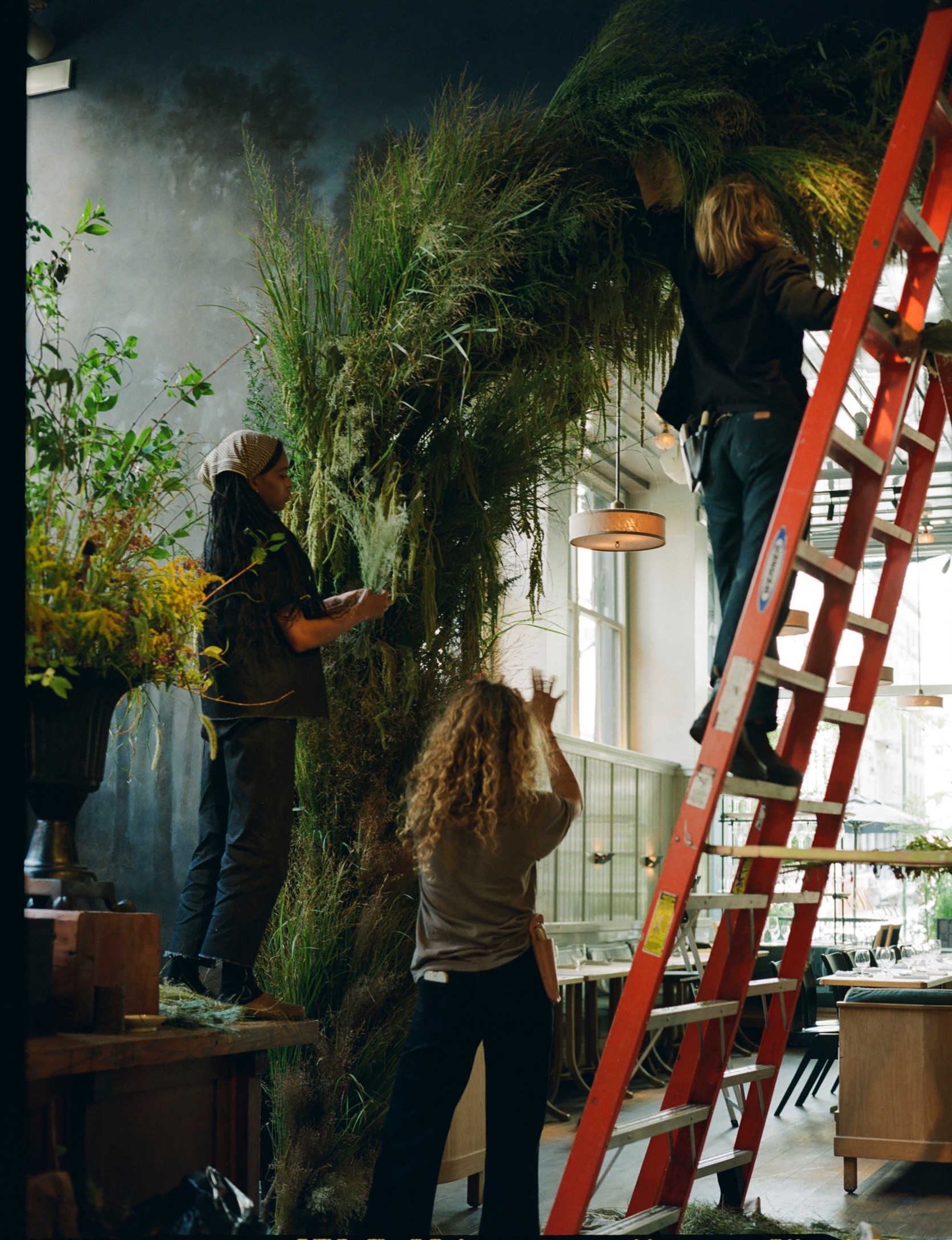
[1] Behind the scenes of the grass arch construction. Photo: Austin Sandhaus
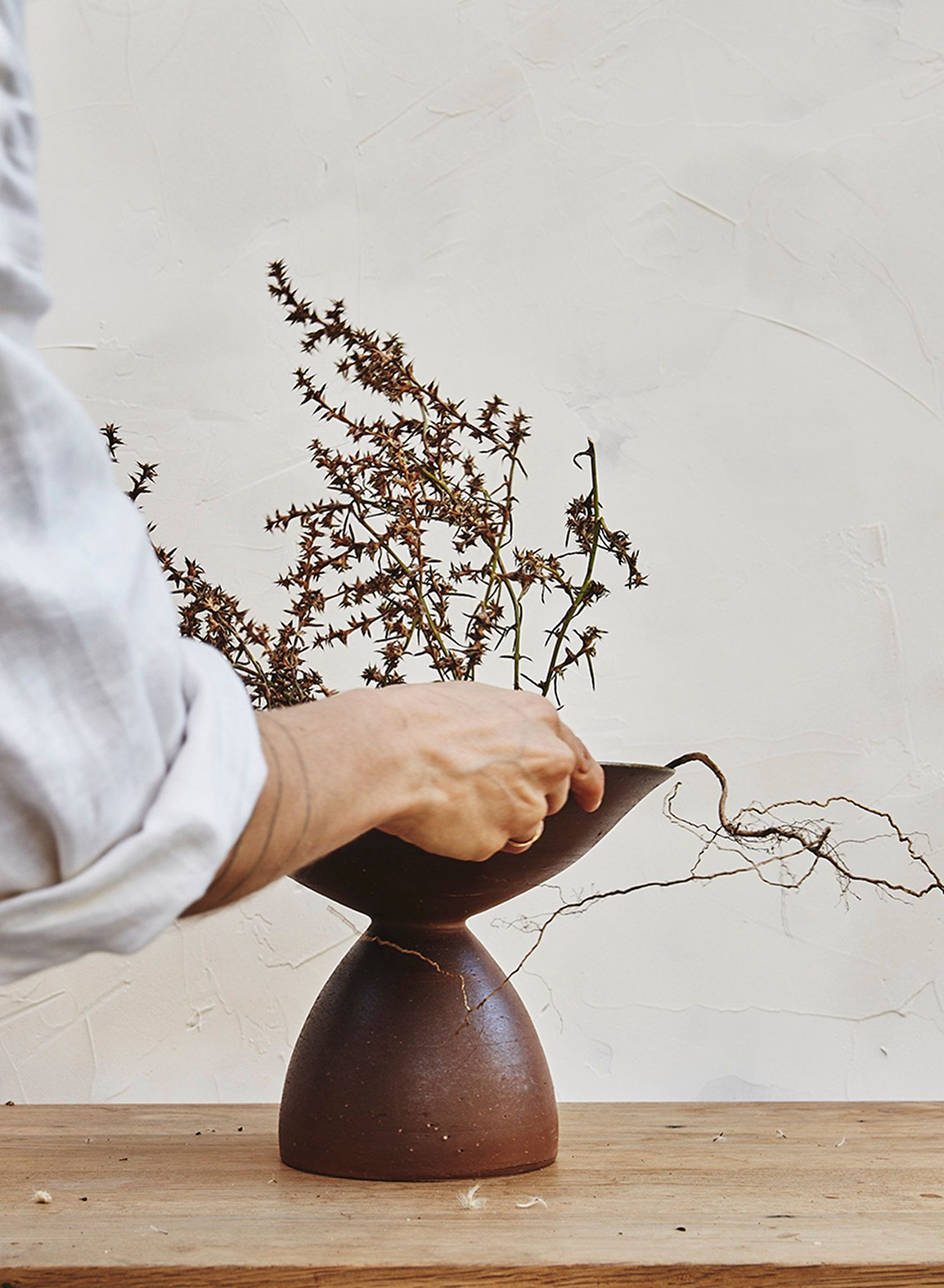
fig. i1, A dried plant found on the shores of Montauk (species unknown) from our first project with Roman & Williams in 2020. Our founder Alex Crowder spent the day exploring the grounds with Adrian Gaut and Akari Endo-Gaut discovering wild flora in their backyard and then arranging everything found in these incredible Hitoshi Mrimoto vessels. Photo: Adrian Gaut
Outside of timely events[2] and special projects, on a weekly basis we procure the highest quality flora — both in character and condition — that we can source from our network of local foragers, farmers and flower market brokers. From there, interventions are developed for the Guild interiors, not as space-filling accessories, but as idiosyncratic works that are designed in conversation with the space and its present offerings. Often these themes are dictated by nature itself; other times they are born from the Guild’s muses of the moment whether a meadow in Montauk or a classic film from the 1990s. [3]
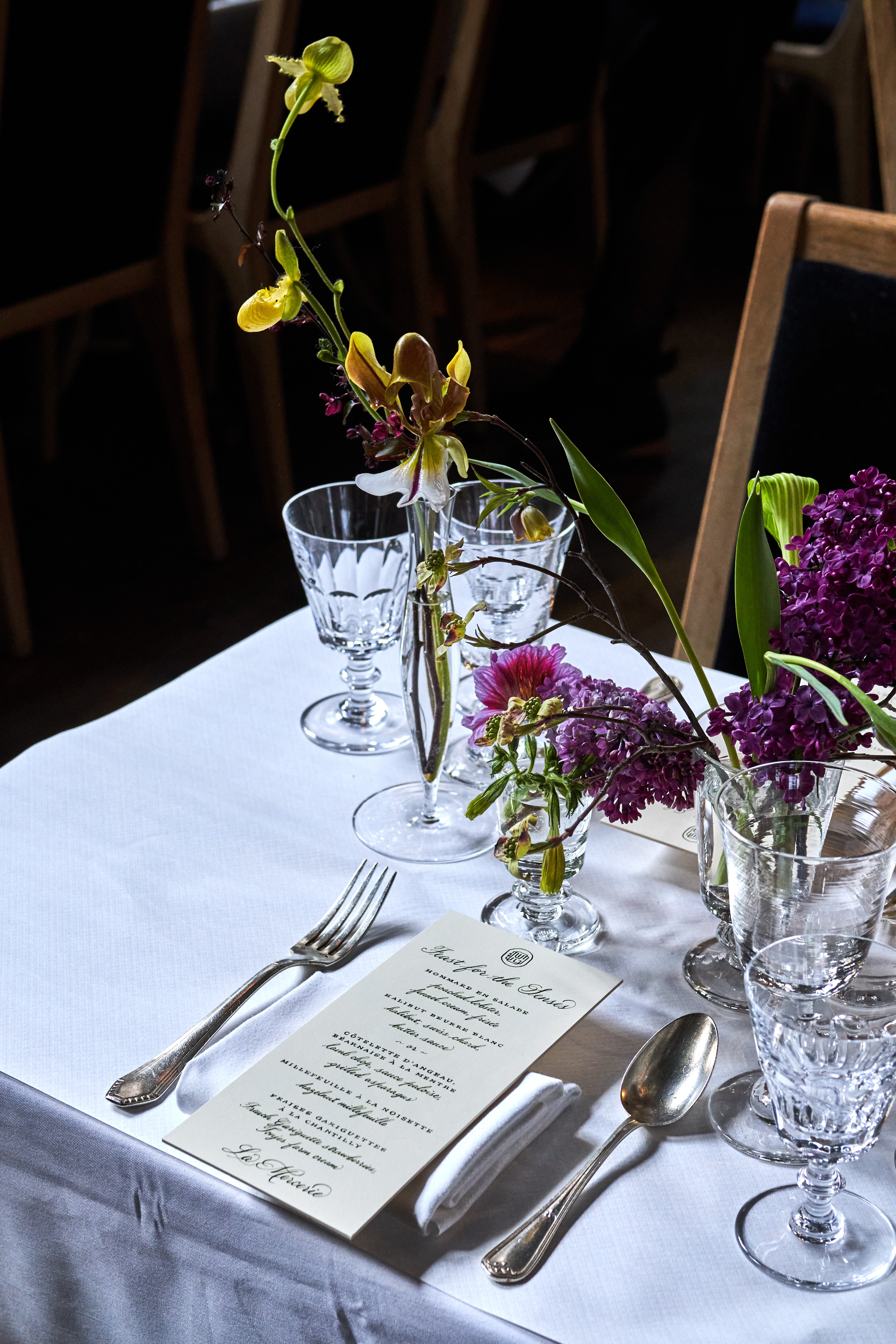
[2] Lady Slipper orchids, lilac dogwood and magnolia reach from and around a collection of crystal glassware for a unique tablescape. This is our favored way to work on the tabletops in La Mercerie, showcasing the Guild's custom collection of glassware. Photo: Andrea Gentl and Martin Hyers
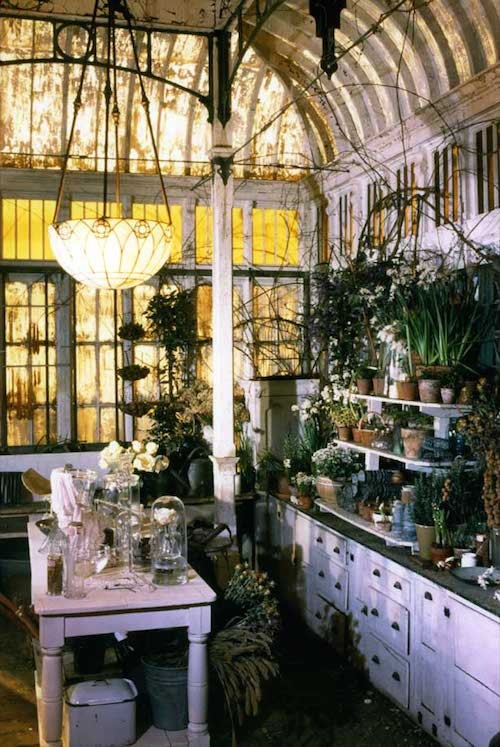
[3] With an illustrious background in cinematic set design, The Guild’s founders see their spaces as worlds to be lived in, not interiors to be dressed. Some of our favourites from their archive of work include “Addicted to Love” and “Practical Magic.”
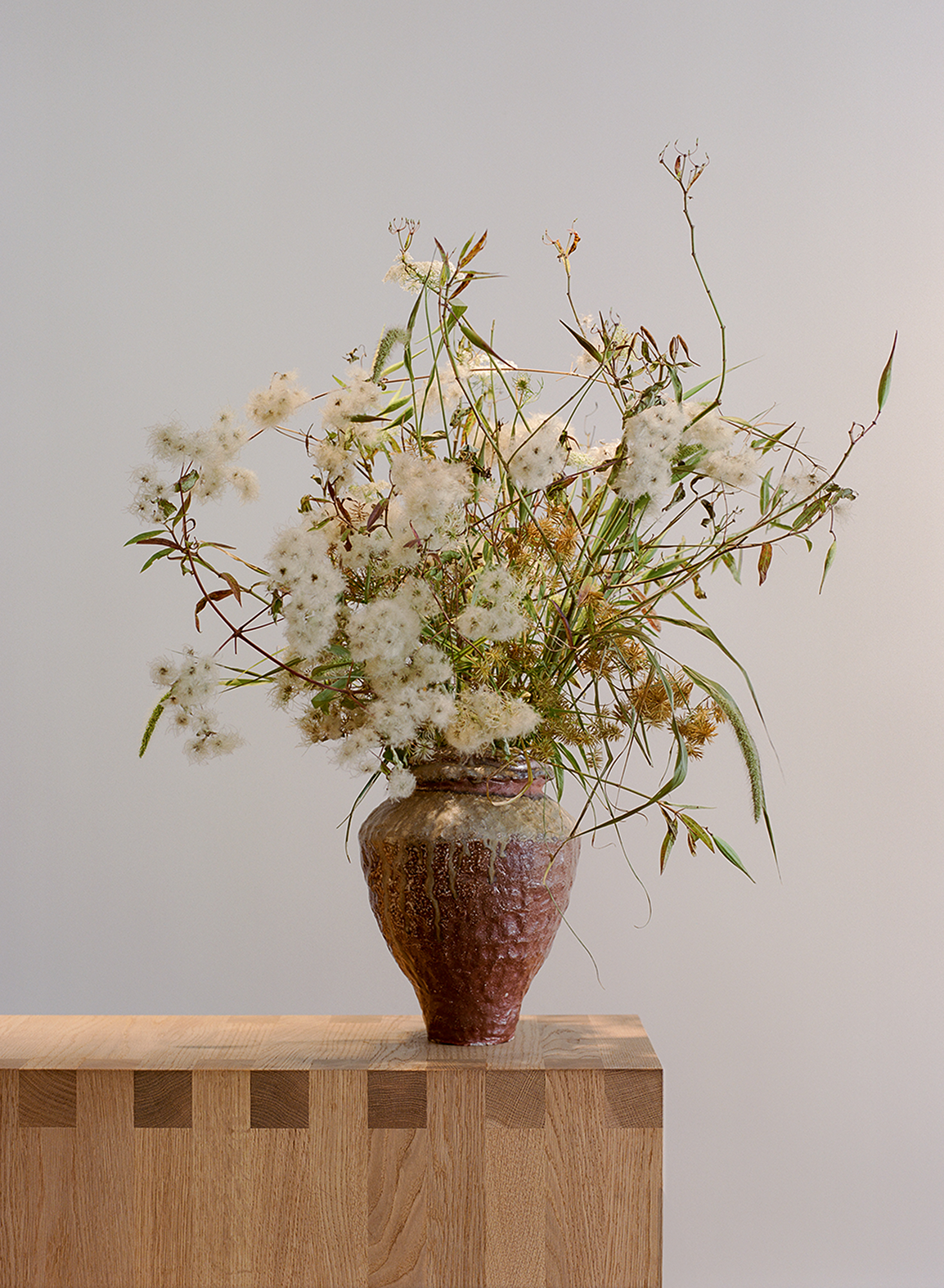
fig. iv, A flowerless arrangement with stems cut from the wild, cradled in a Casey Zablocky vase. Clematis which has gone to seed, nutsedge and milkweed. Photo: Marco Galloway
No corner of the interior is ever overlooked because every space is seen as a chapter in The Guild’s every-evolving story. Reaching beyond the expected, flora finds placement in etched coupes, patinated vessels, and candy dishes on tables set for parties. The space is alive with presence, just as the blooms are.
In addition to our creative collaboration with The Guild team, we also work closely with the restaurant, La Mercerie, to find ways to extend the narrative of the flora into the kitchen. In 2023, we supported their team in the implementation of an in-house composting program, returning our work (and theirs) to the earth in the most responsible way possible.
Elements (6)
View Index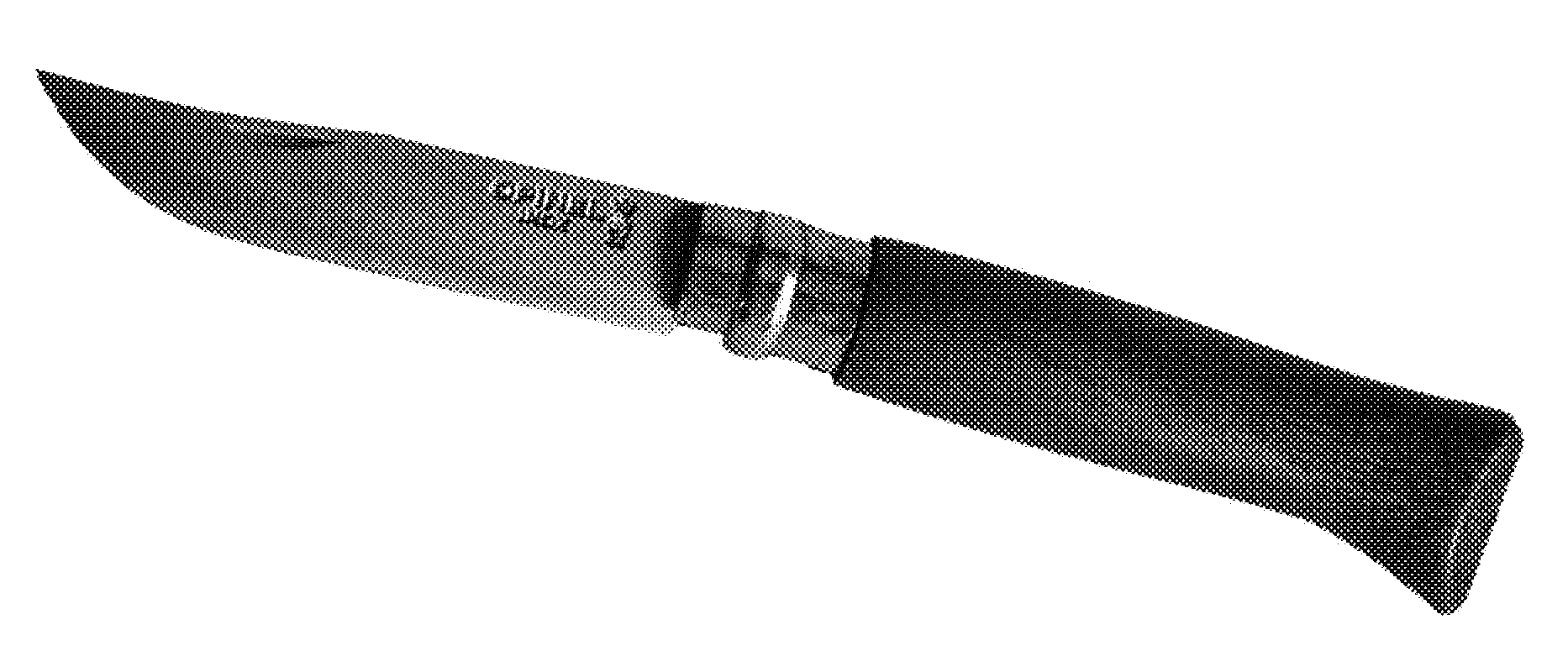


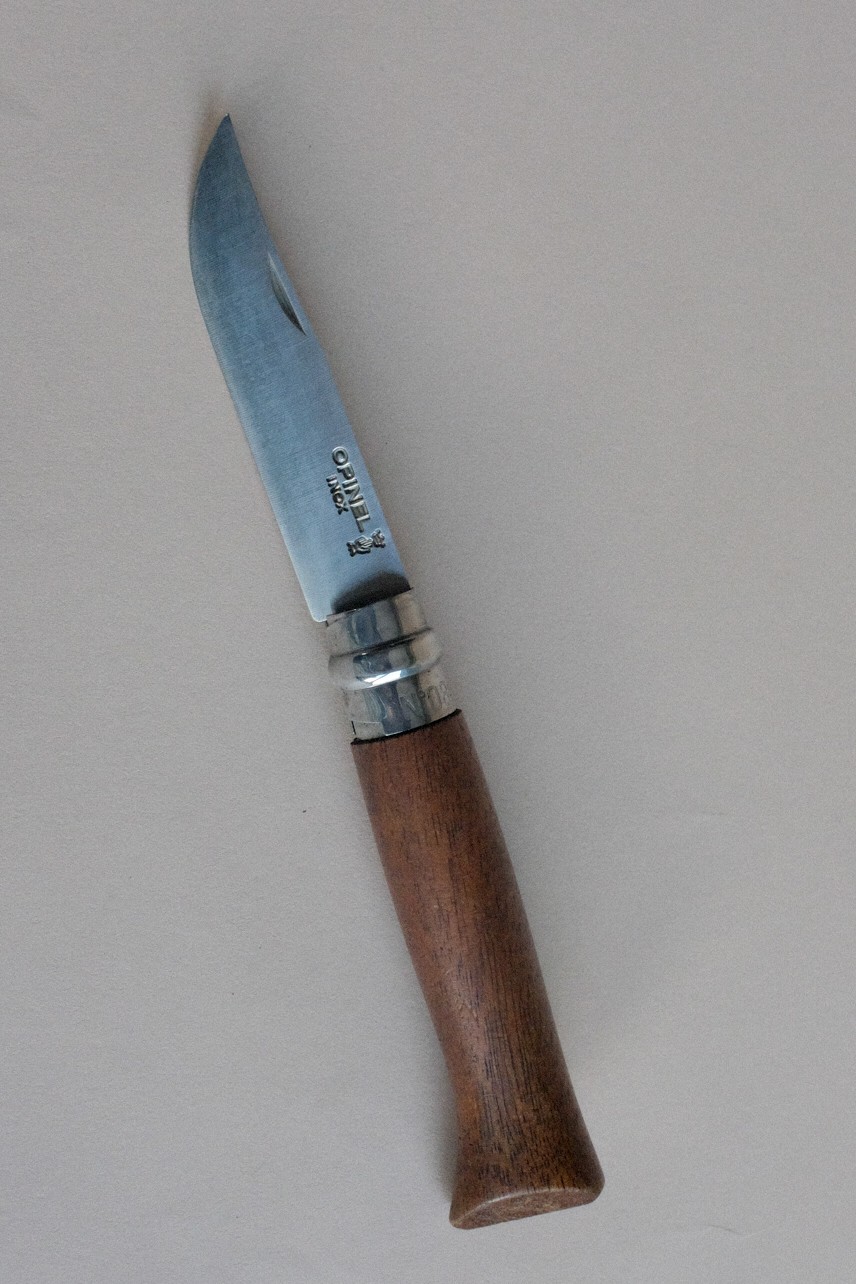
A florist without tools is like a flower without water. You’d be hard-pressed to find our founder Alex Crowder without her go-to folding knife, Opinel No. 8. A classic, these knives have been hand-crafted in France since 1890. As the makers put it, this blade is perfect for everything from “sharpening your pencils to pruning your roses.”
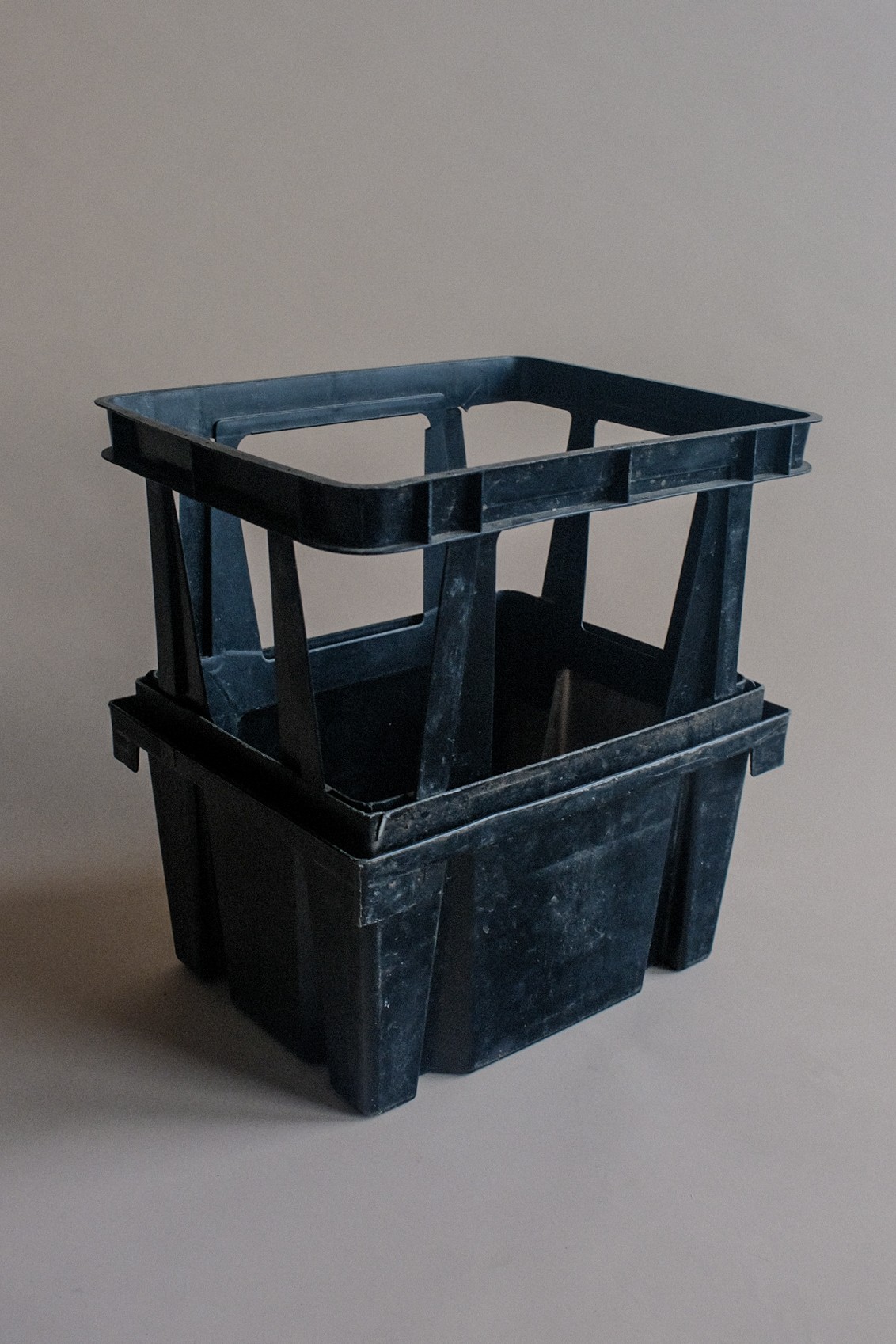
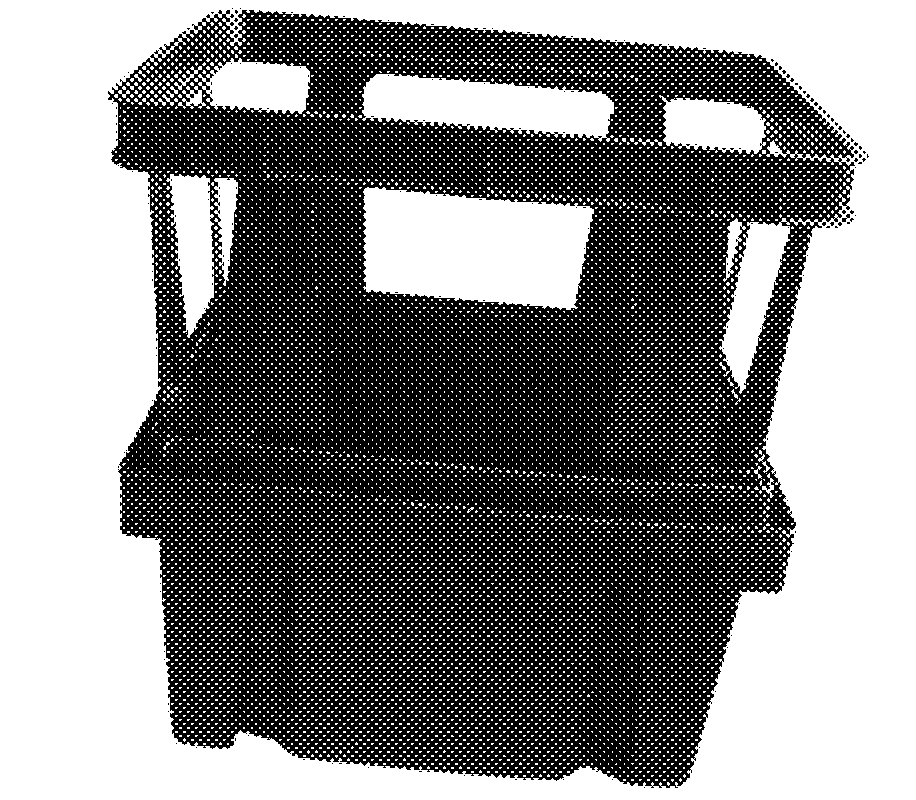
All kinds of them. Gallon buckets from hardware stores, square procona buckets (stackable, good for air flow and long commutes), and regular floral buckets too; these are the long, tall ones you see outside of flower shops.
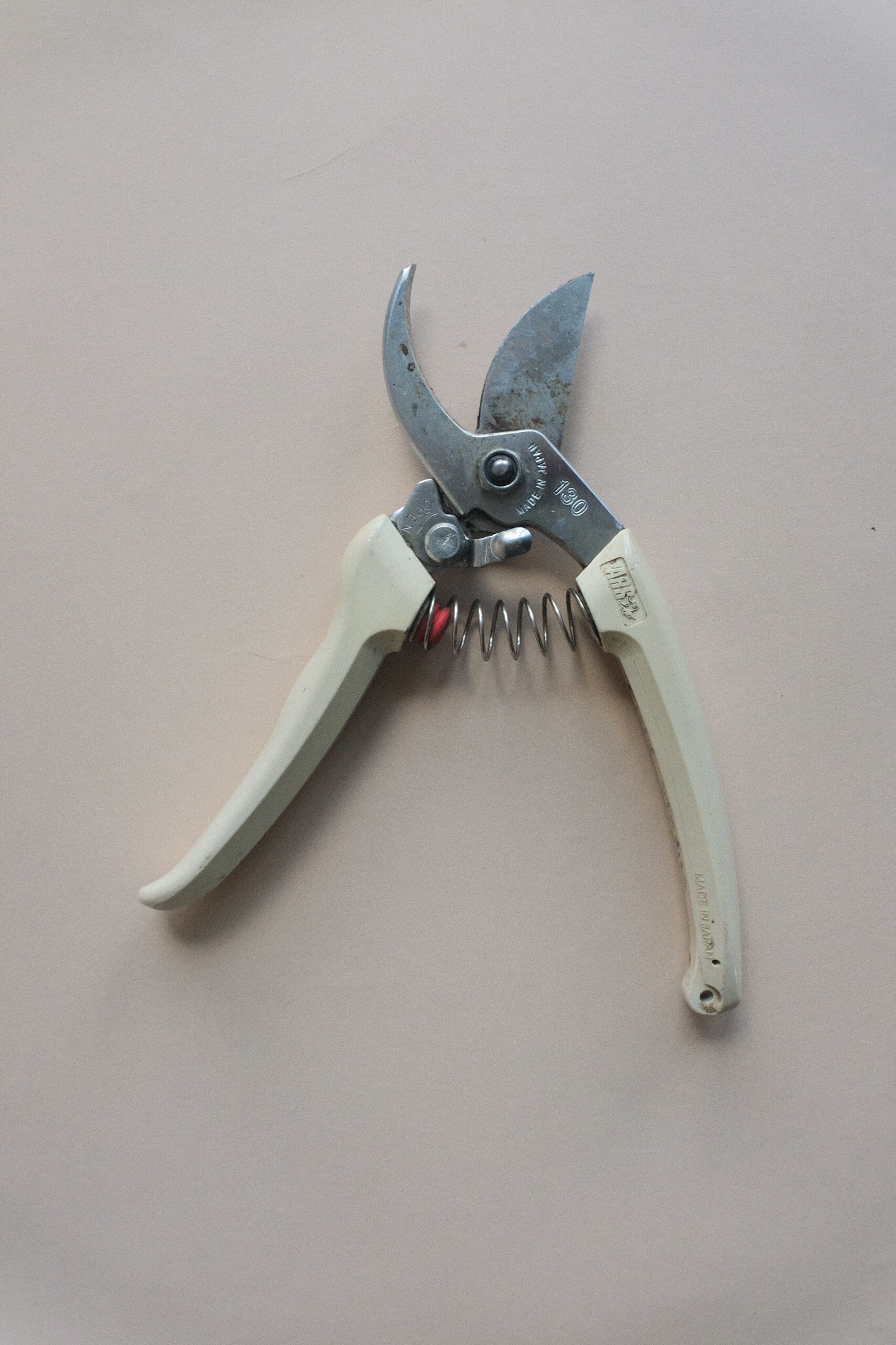
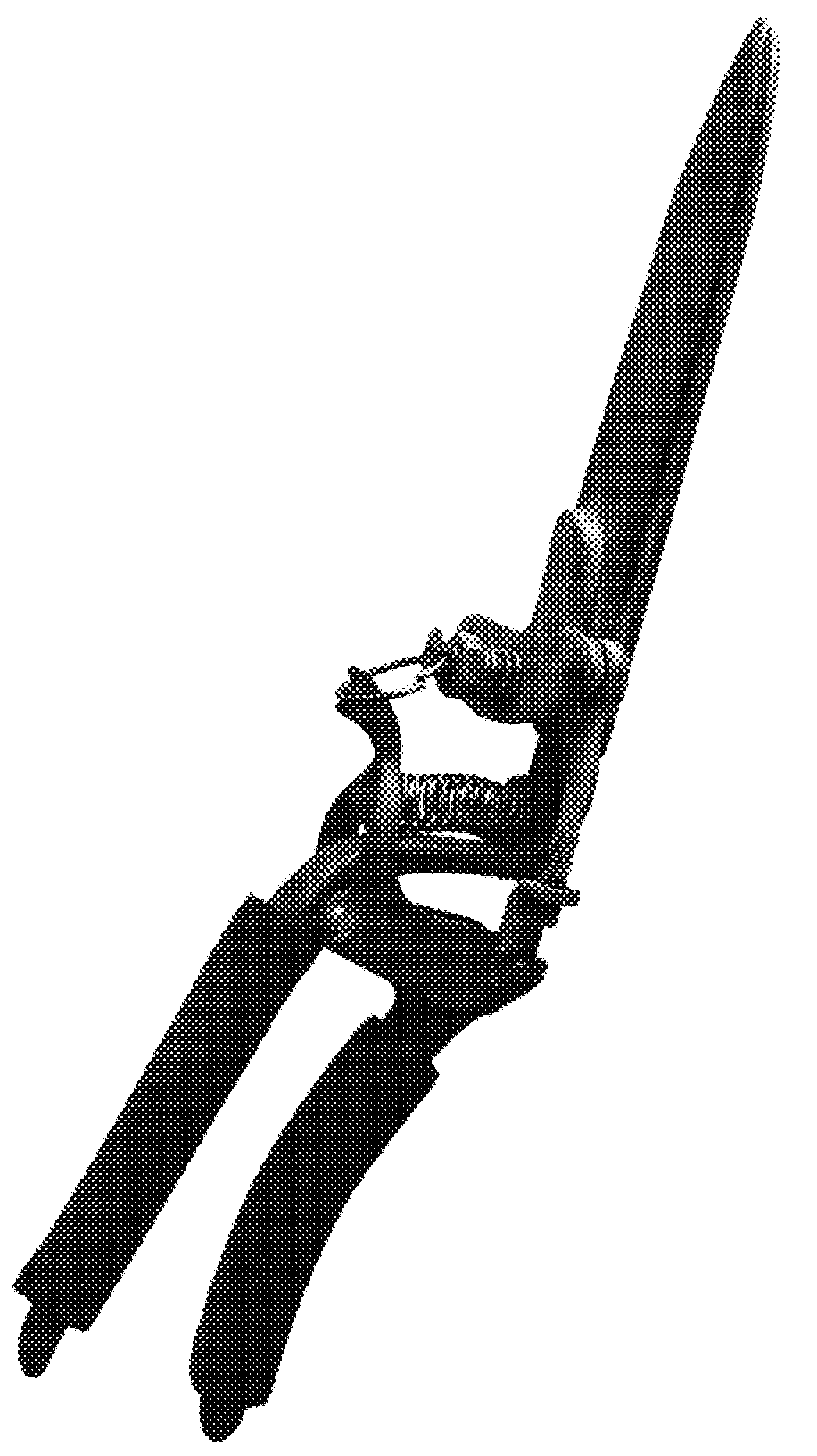
Lightweight and low-fuss, a basic pair of shears could be used hundreds of times a day in the studio or on-site. Perfect for trimming twigs and medium-sized stems, we use our shears not just for stylistic arranging, but to protect flowers when cutting them to ensure that their ends remain open to water intake and we find that these ars shears are the most durable and comfortable in our hands.
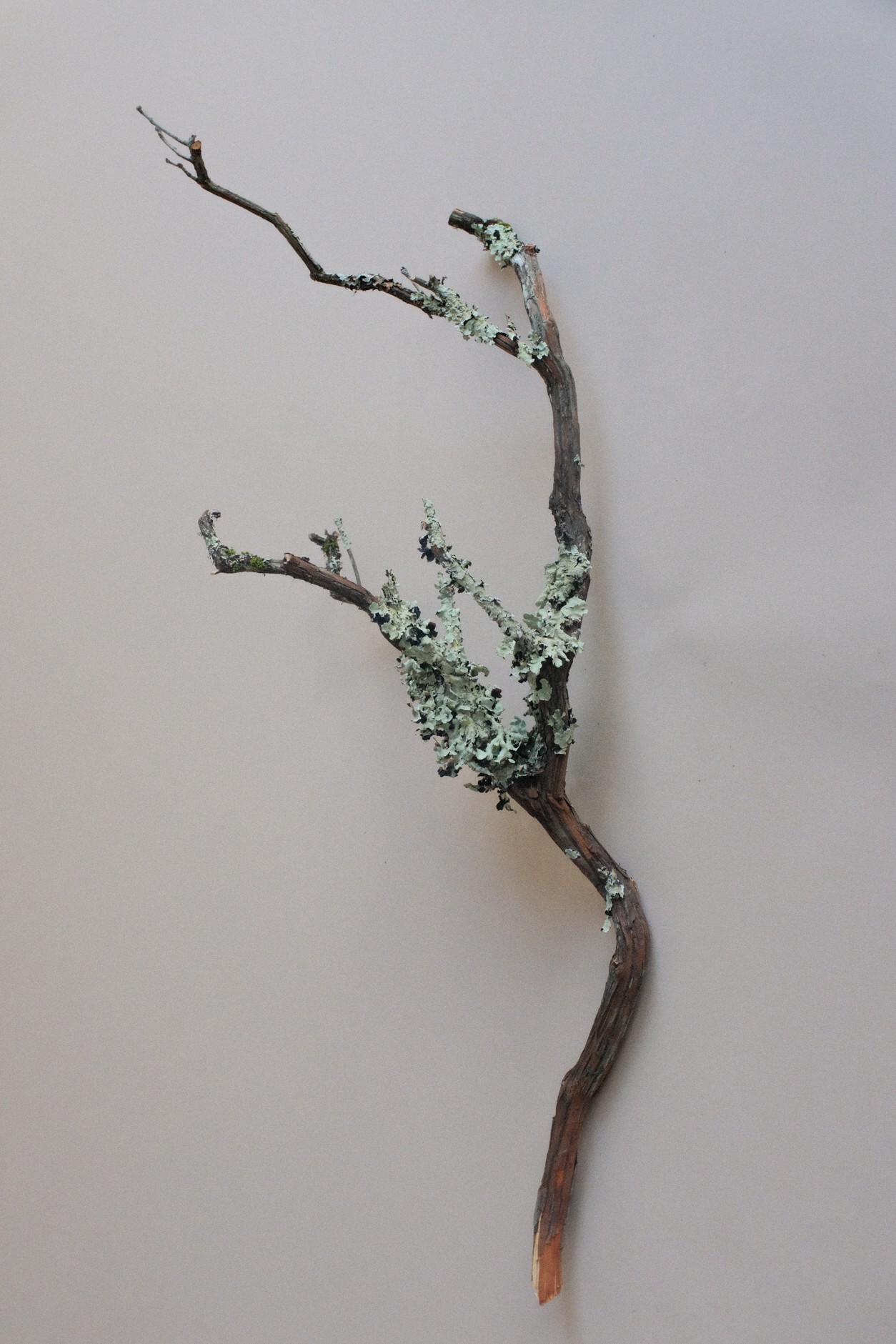
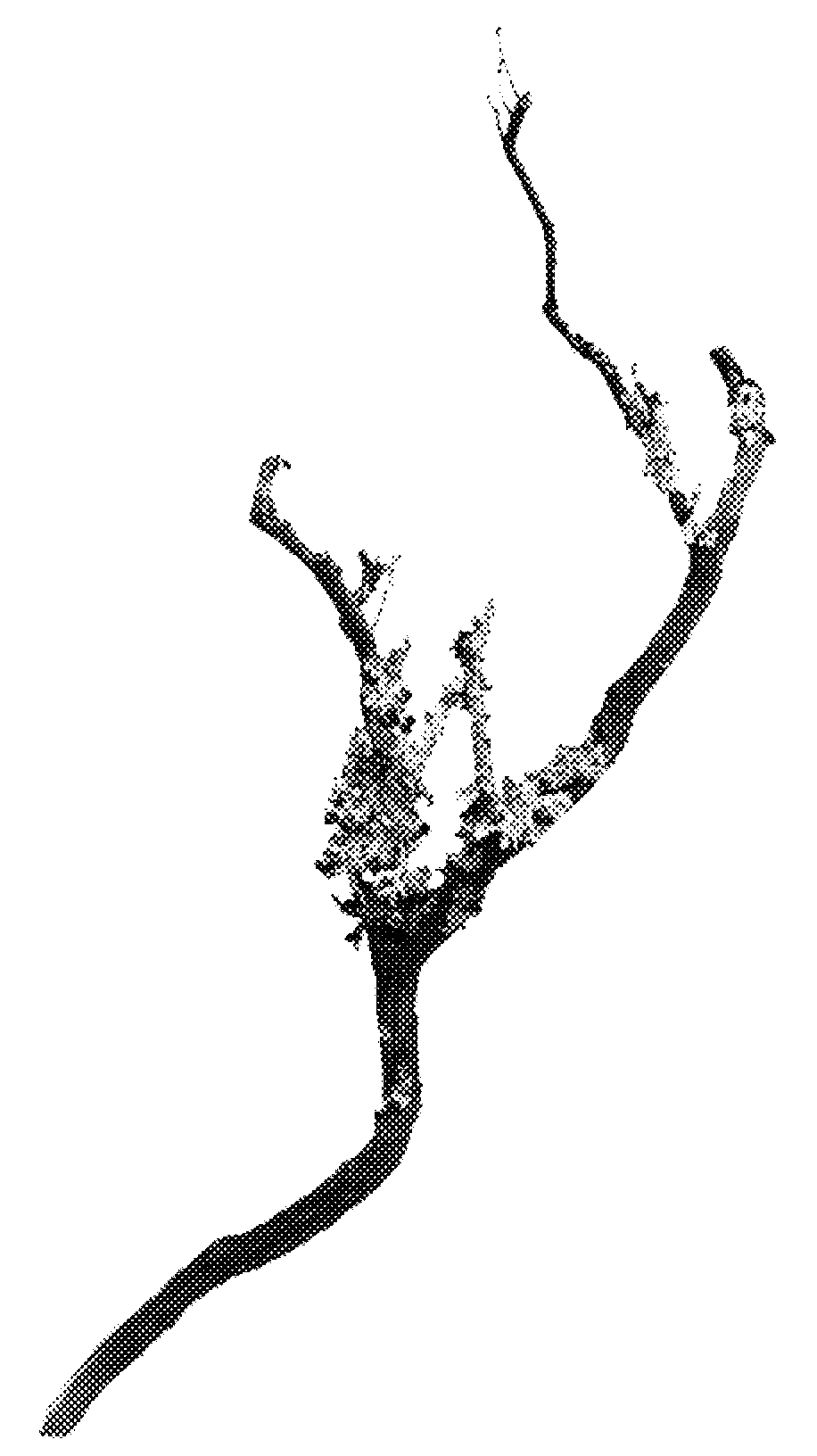
Branches by far are our most adored material to work with. Dressed in a variety of styles: blossoms, leaves, lichen, moss, vines or completely bare, they each present unbound opportunities for use. Generally most branches have at least a week-long vase life. And we have become known for using them in our oning interior accounts as a replacement to potted trees that require more care and attention to sustain. Our most favorite amongst them all is Mountain Laurel.
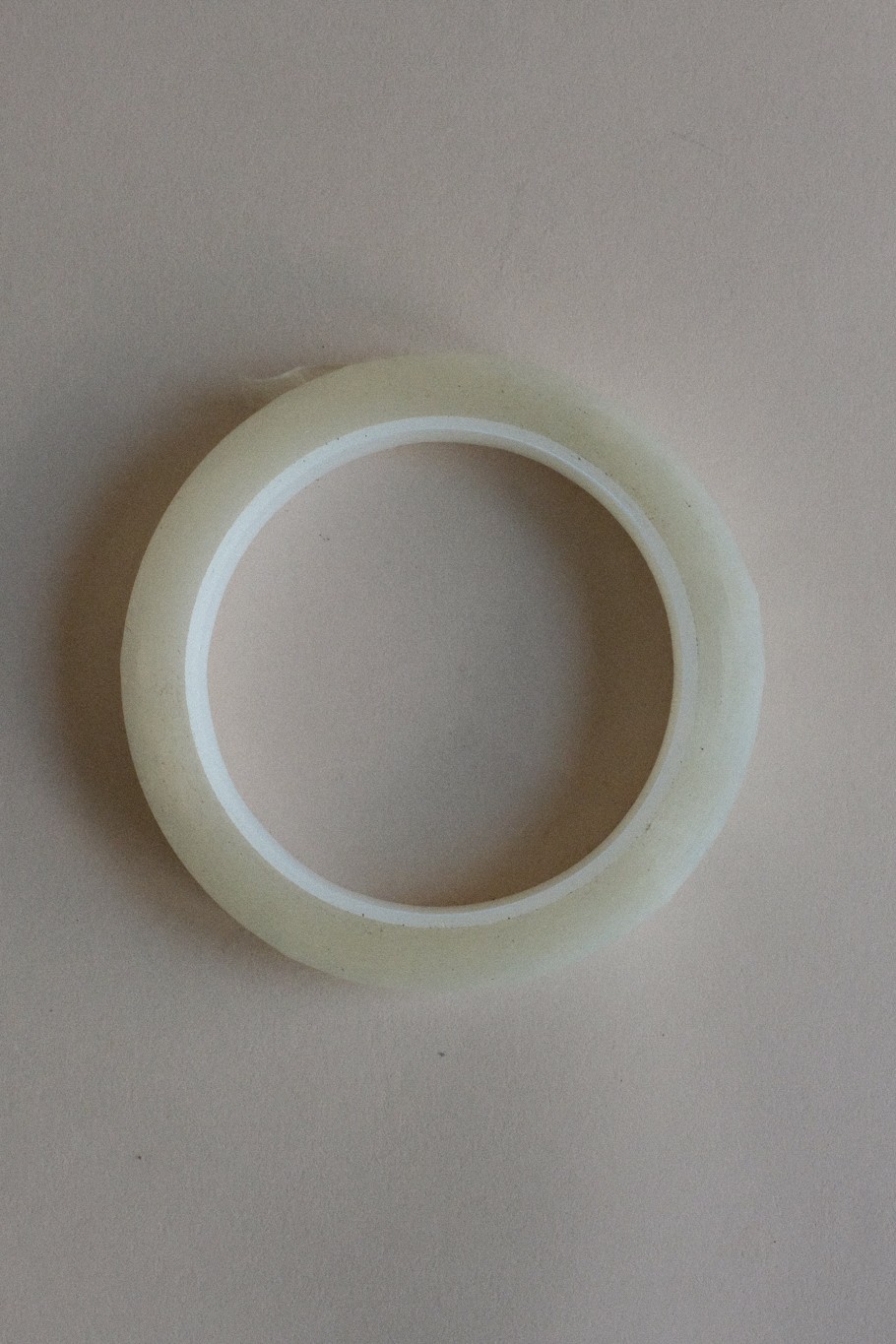
Waterproof-ish, clear tape is commonly used by florists to create a grid on the top of wide mouth vessels, aiding in complex arrangements. We have tried to find plastic-free alternatives to this tool without much luck, but look forward to the day when one exists. If you have a solution for this, we would love to hear from you.
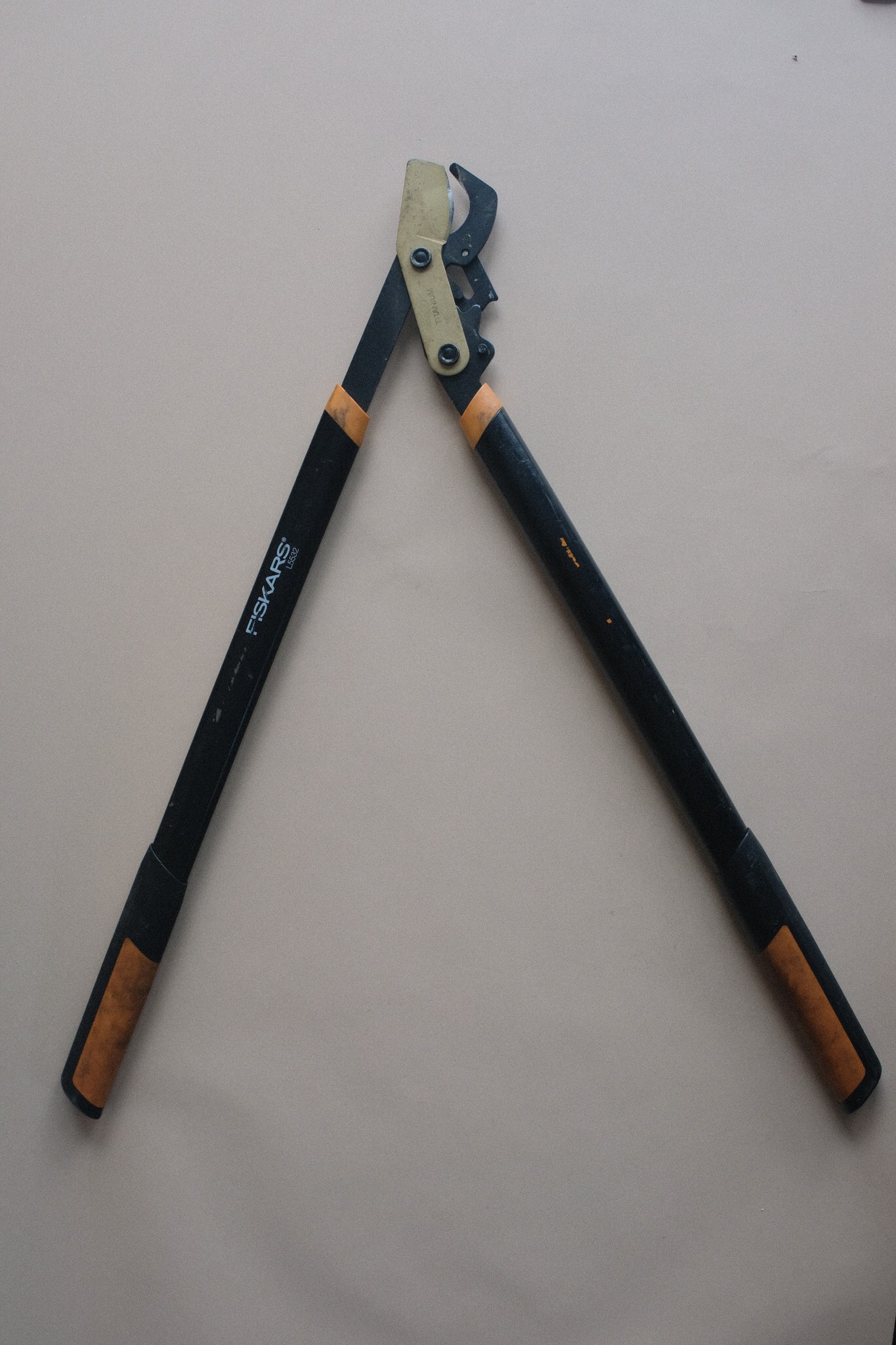
Another tool for smooth and easy pruning, loppers allow us to cut back thick and woody branches like Magnolia and Mountain laurel that are impenetrable with our other tools.
Archive
Archive
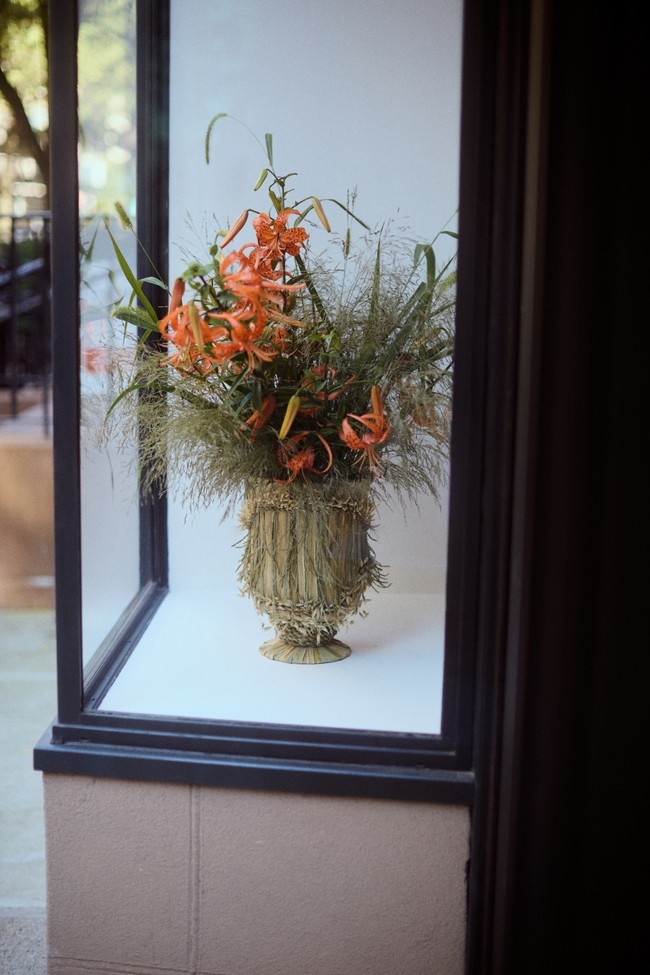
Vibrant tiger lillies and blueberry branches. Photo: Alyona Kuzmina.
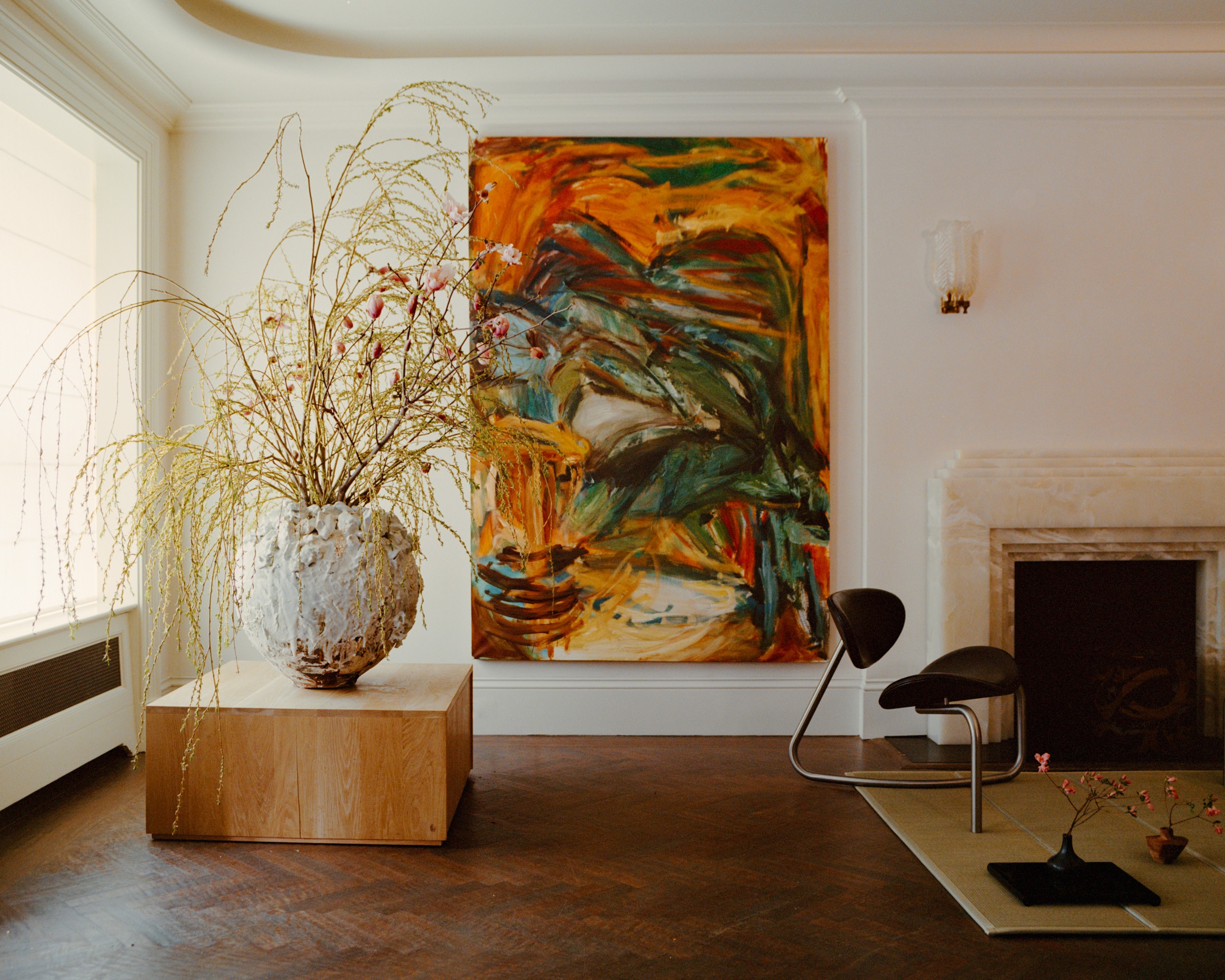
Magnolia, weeping willow and azalea buds inside of a tranquil space designed by Rob Johansen and photographed by William Jess Laird.
Orange tiger lilies in a subtle yet significant vessel in the back room of Somerset House. Photo: Marco Galloway
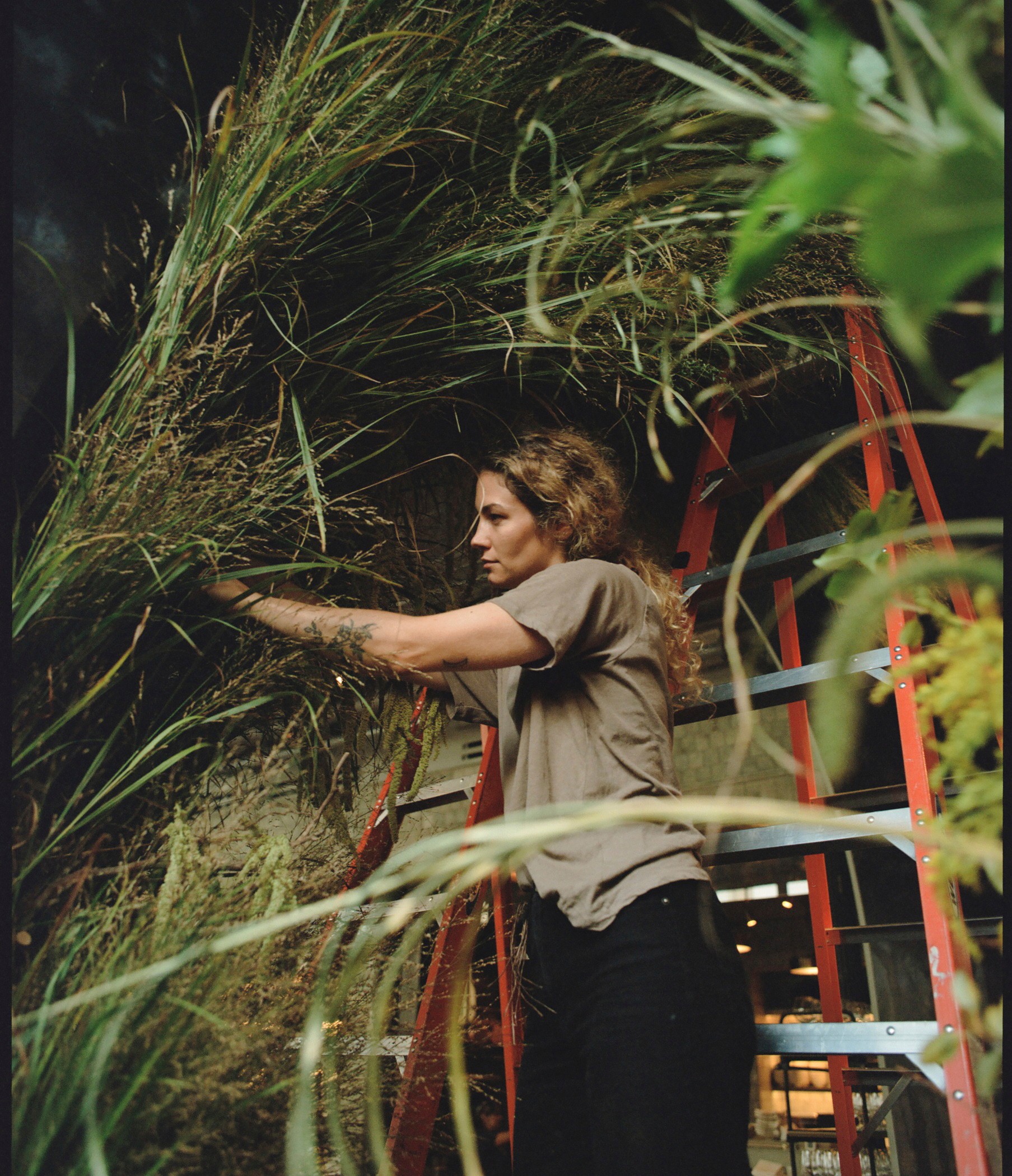
The archway at Roman & Williams, adorned in late summer’s finest foraged greens. A slurry of grasses were nestled into an armature of mountain laurel and garnished with long green-bean-looking catalpa pods to create this vertical meadow of fringe which crawls 14 feet up the wall and arcs over guest below. Photo: Austin Sandhaus
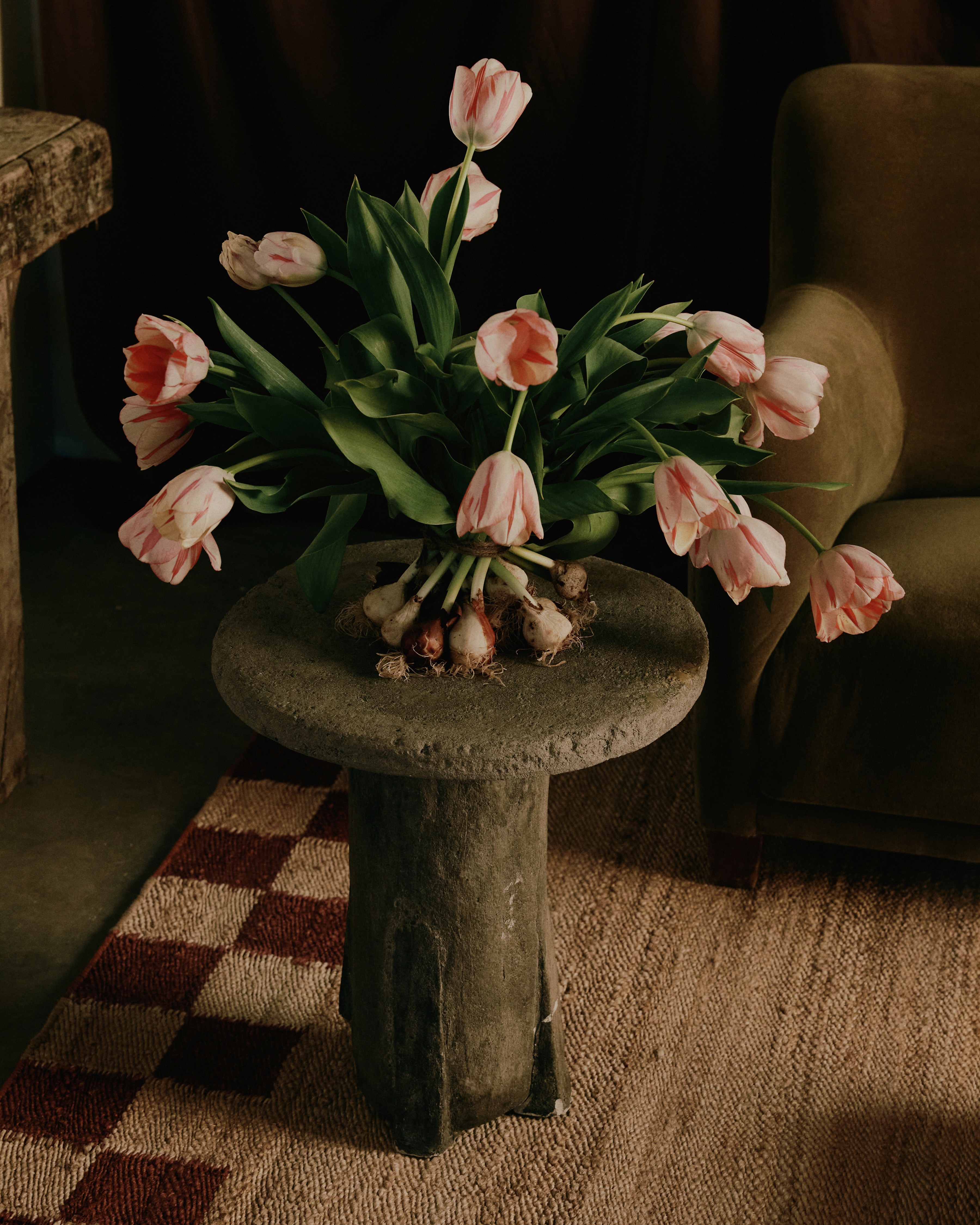
Tulip season for Nordic Knots shot and styled at Galerie Was. Photo: William Jess Laird
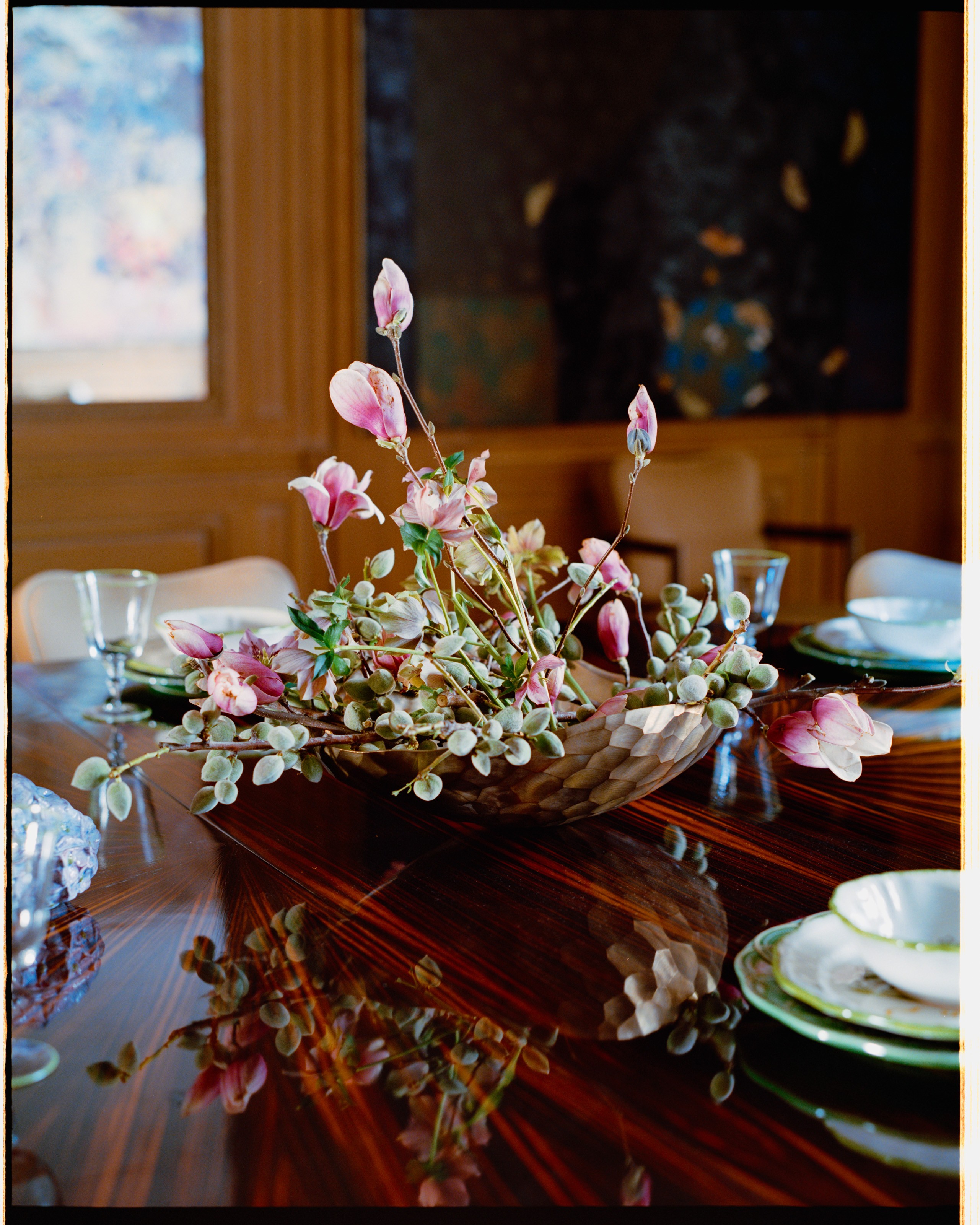
Magnolia, hellebores and almond husks inside of a garden-inspired dining space designed by Rob Johansen.Photo: William Jess Laird.
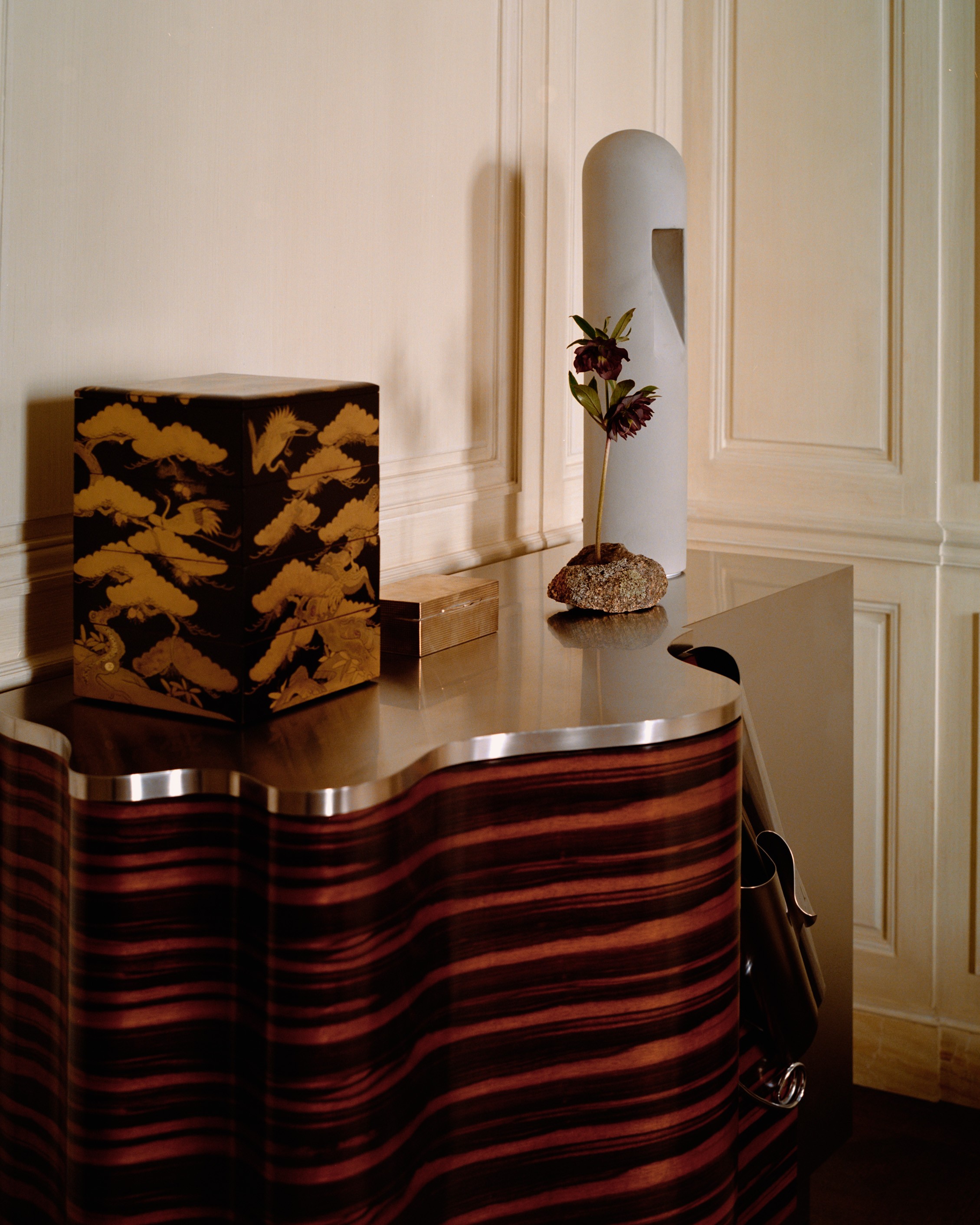
A single Hellebore stem inside of an apartment designed by Rob Johansen.Photo: William Jess Laird.
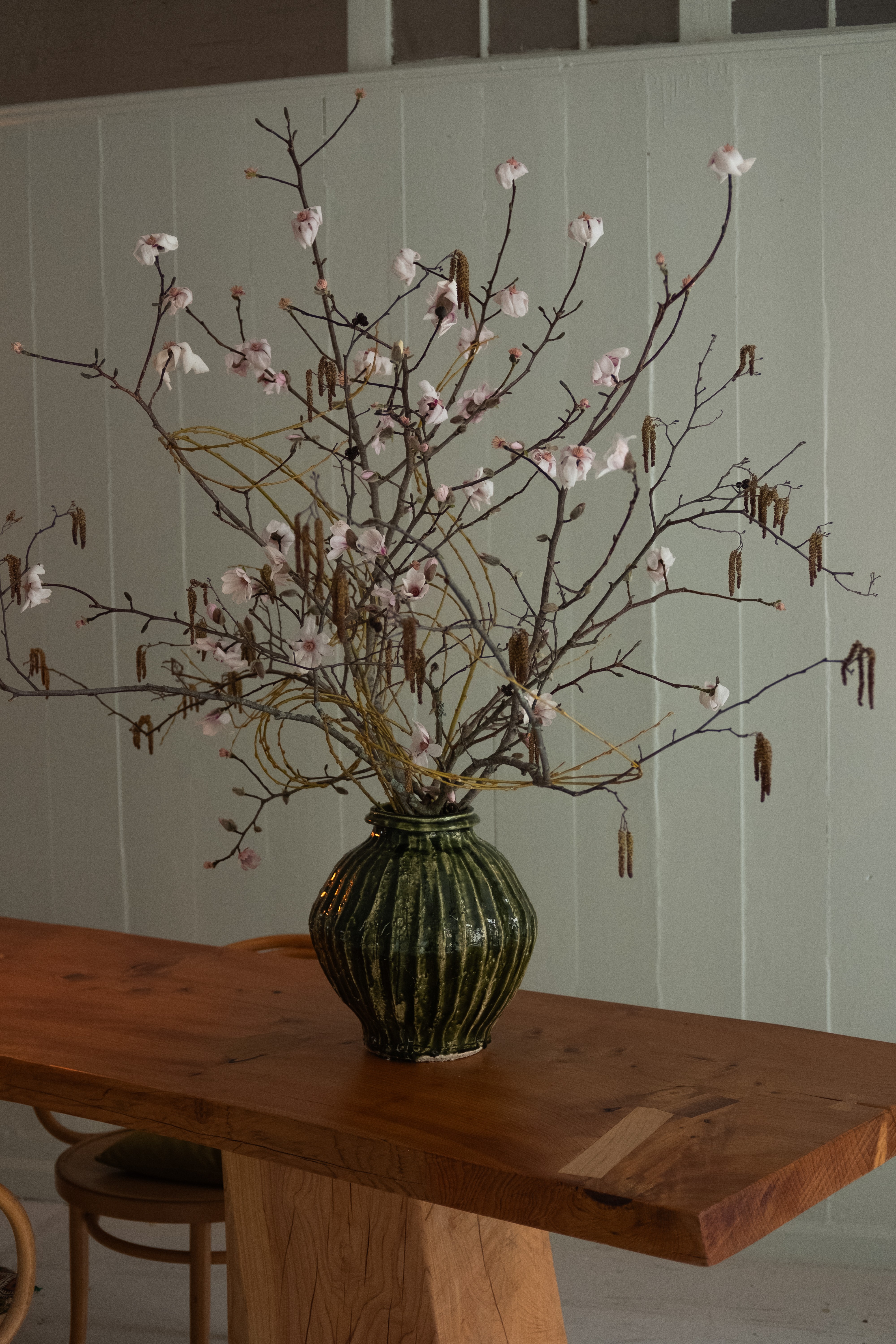
A beloved trine: magnolia, willow and birch with catkins. This was the entryway intervention at Tiwa Gallery for our dear friend Cadis' show. Photo: Field Studies Flora
A private spring luncheon at La Mercerie. Photo: Andrea Gentl and Martin Hyers
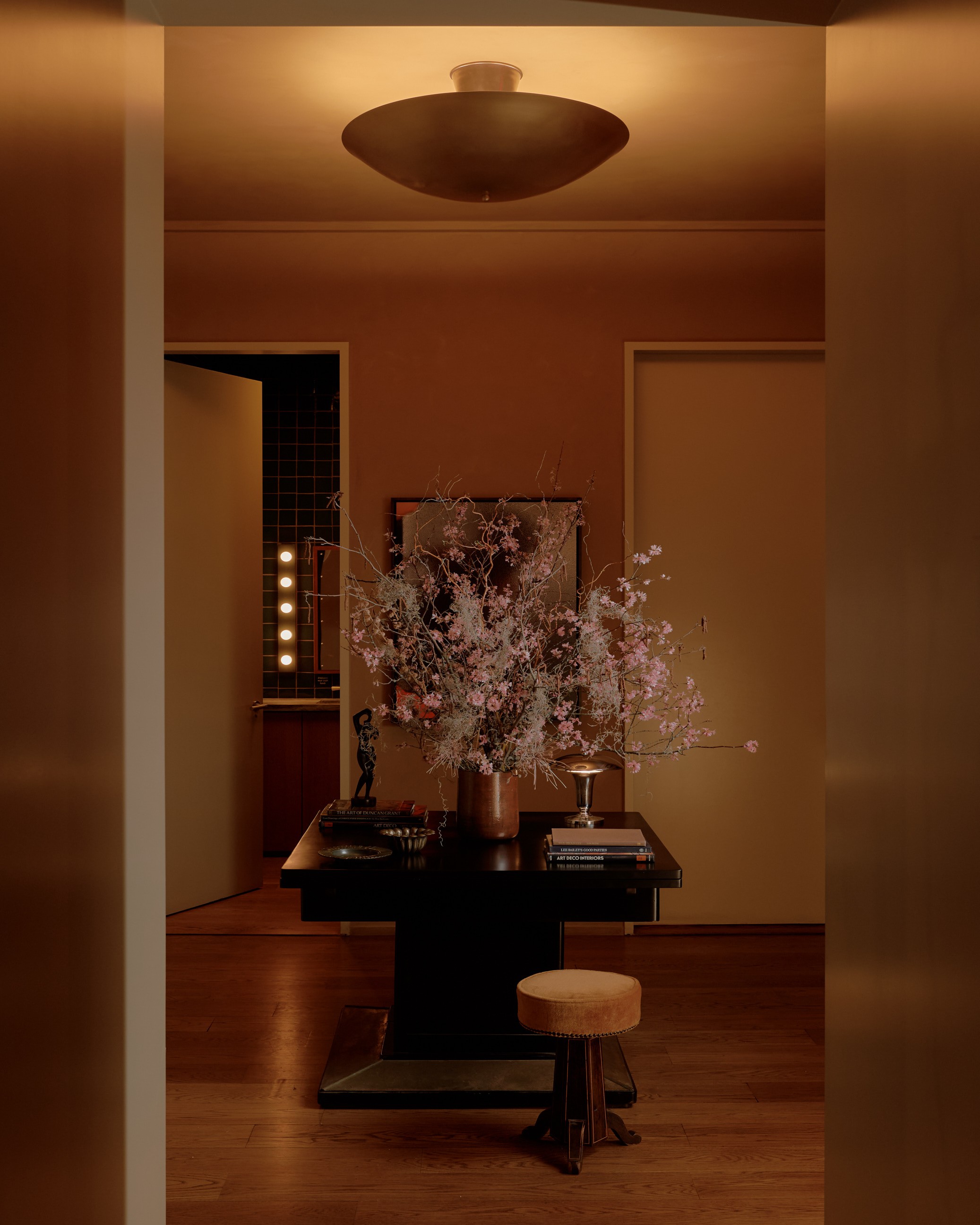
Frothy cherry and Spanish moss displayed in the antechamber of Quarters. Styling: Tim Brown, Photo: William Jess Laird
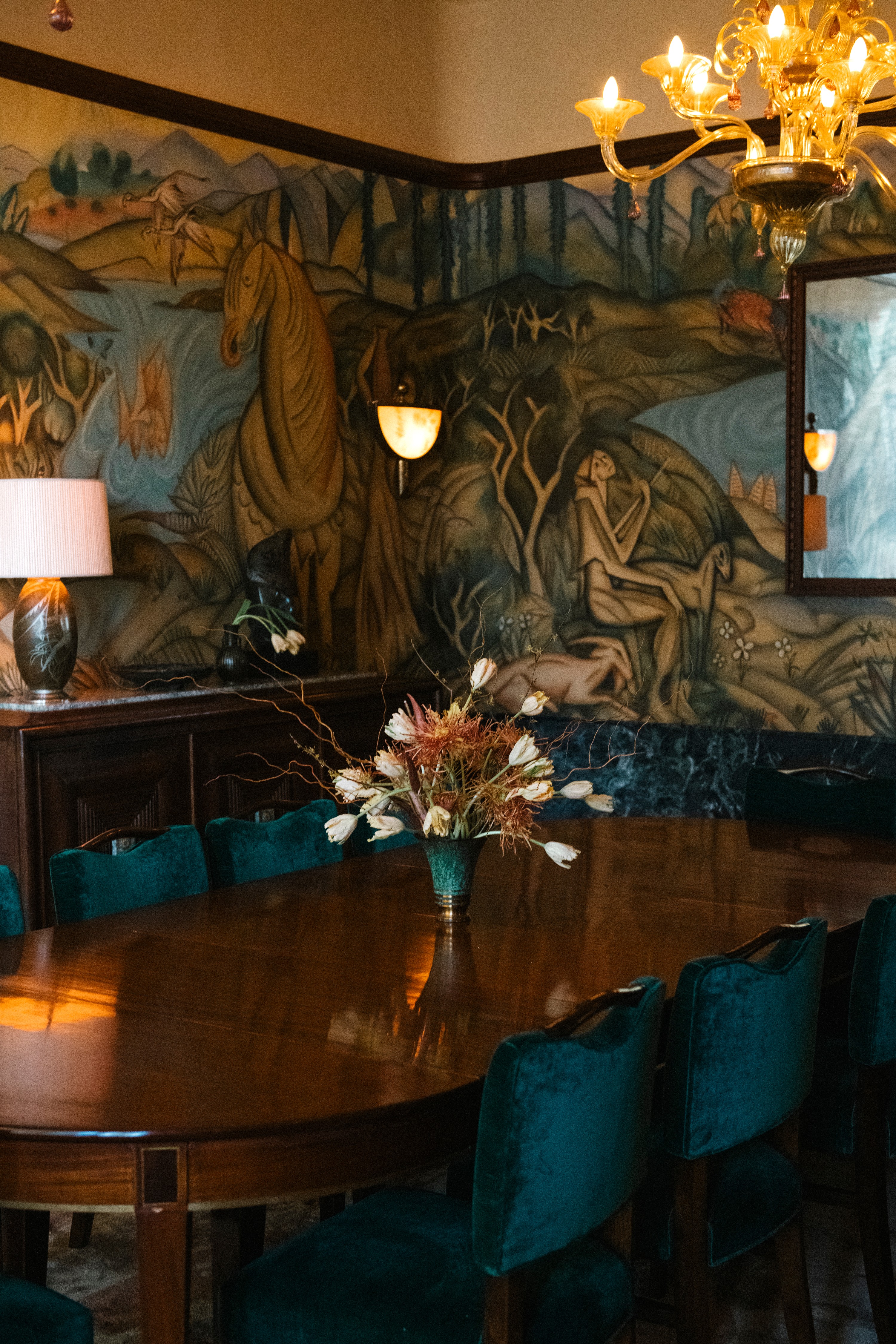
Inside the hand painted private dining room at Locanda Verde Hudson Yards. Photo: Adrianna Glaviano.
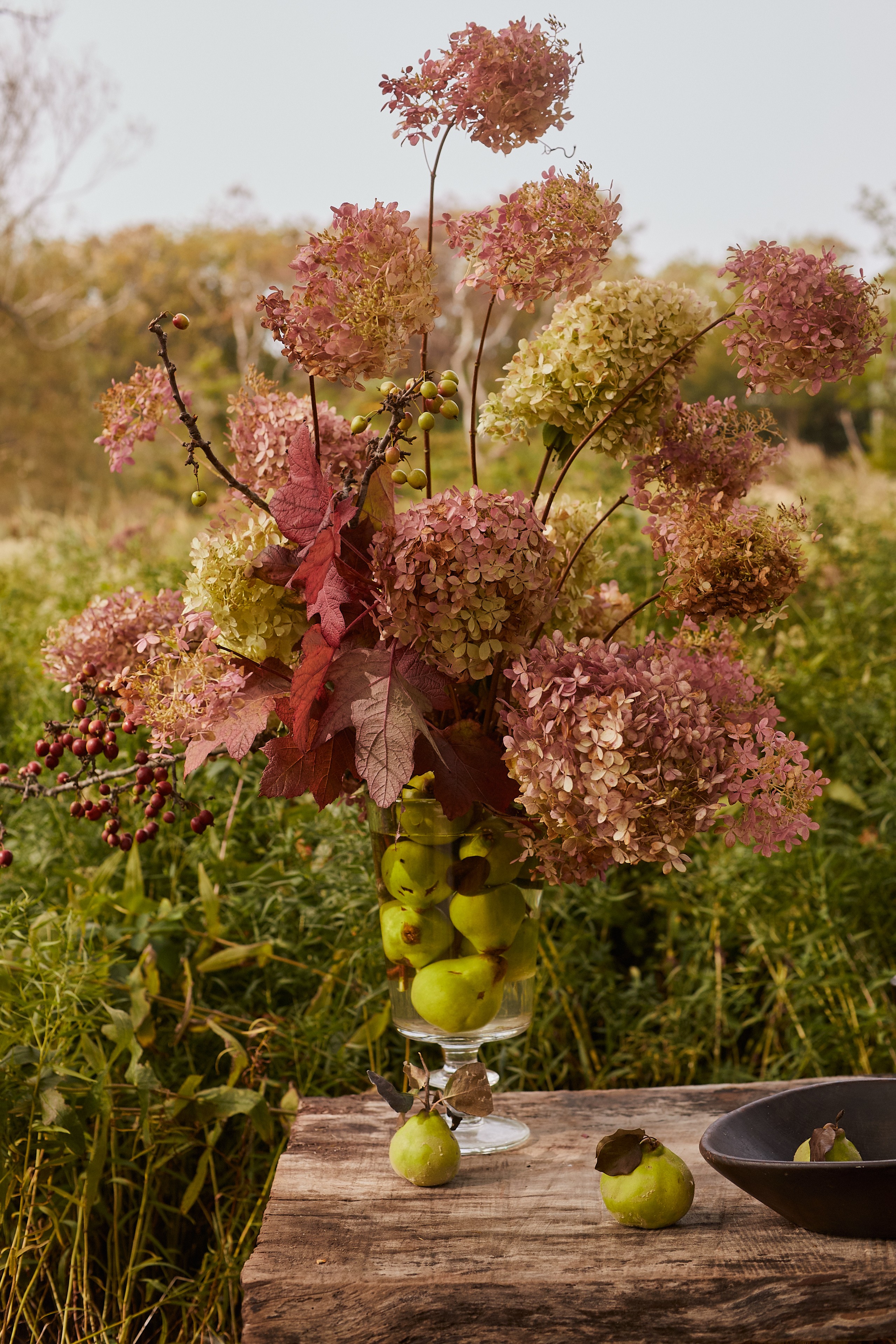
Hydrangea and electric green quince for The Financial Times story on Roman and Williams. Photo: Billal Taright