

Quarters
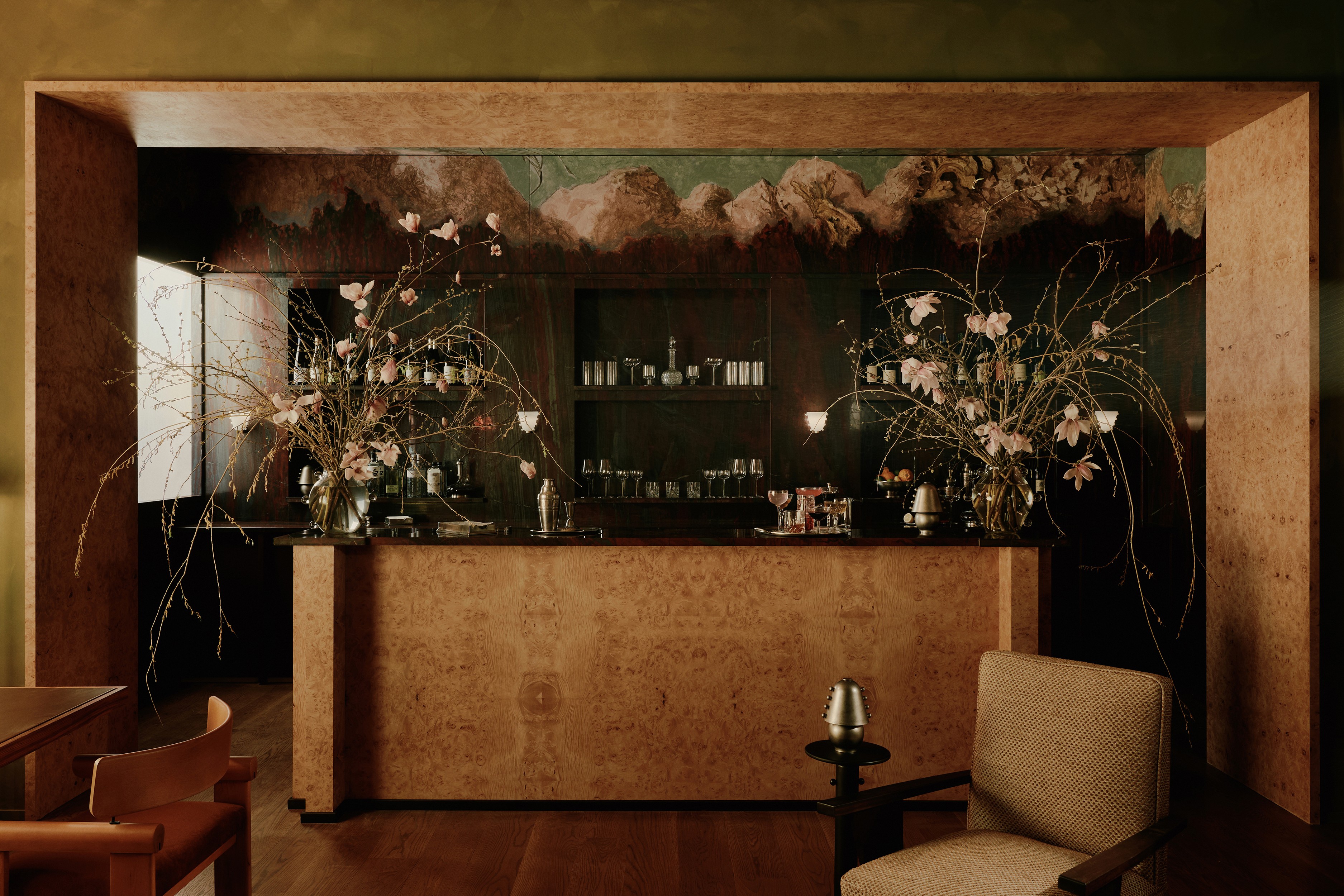
fig. i, Playing with form and feeling, golden willow appears to float on top of these skeletal and expressive magnolia branches with blooms past their traditional prime. Photo: William Jess Laird.
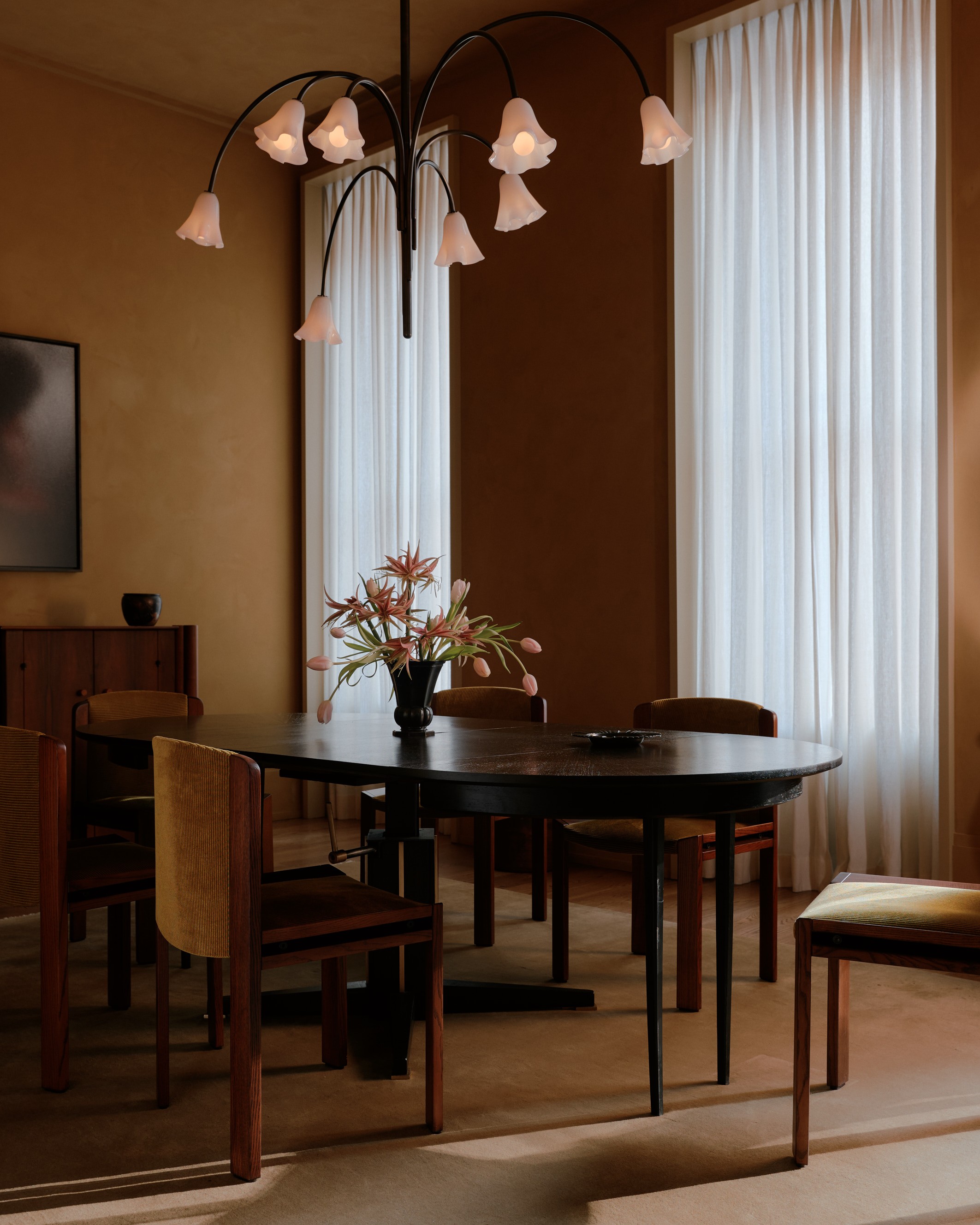
fig. ii, Tango amaryllis and french tulips in the showroom of Quarters. Photo: William Jess Laird
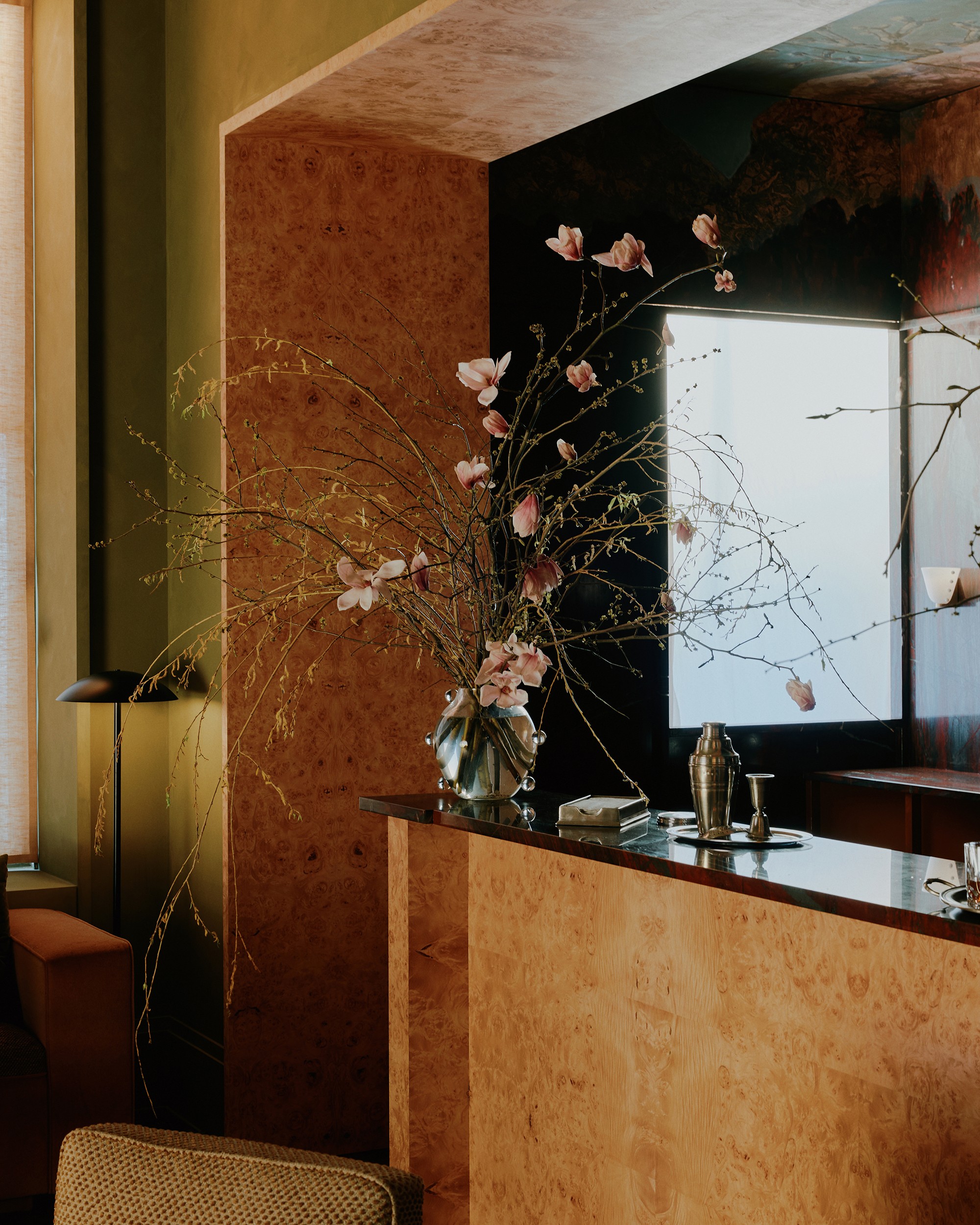
fig. iii, A closer look one of our most loved arrangements in the bar at Quarters. Photo: William Jess Laird
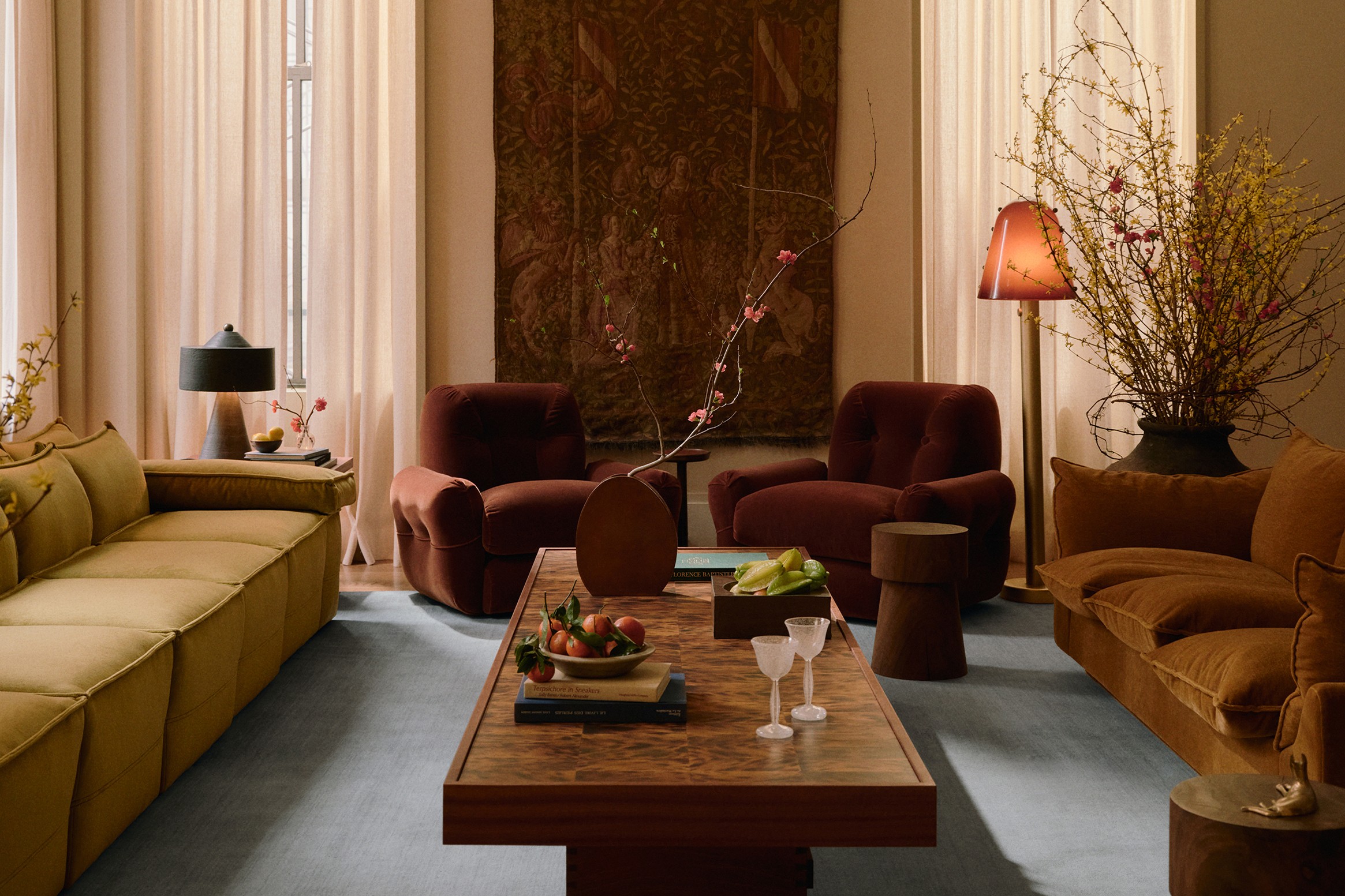
fig. iv, "You can cut all the flowers, but you cannot keep spring from coming." - Pablo Neruda Photo: William Jess Laird
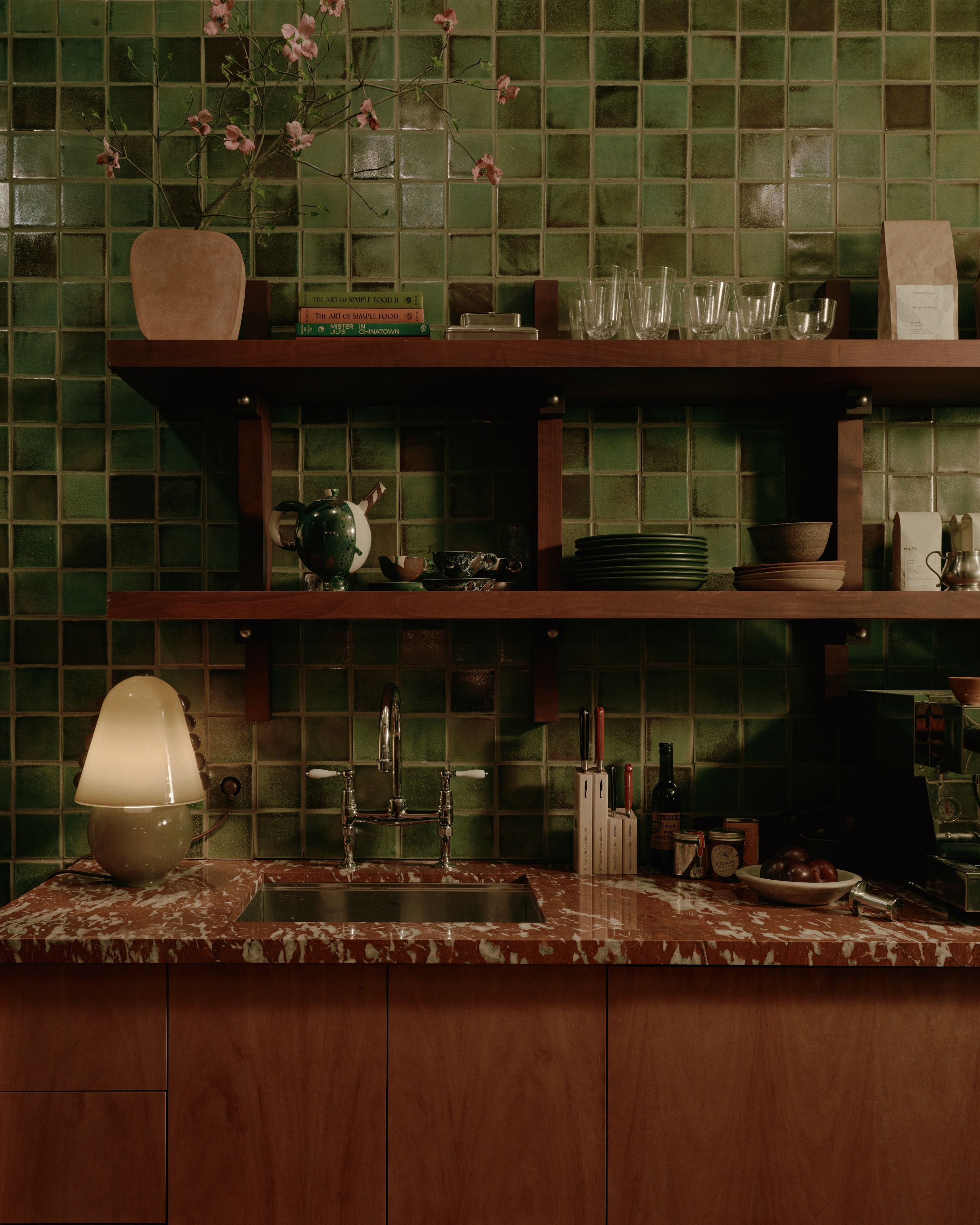
fig. v, Delicate Dogwood pink dogwood adorns the top shelf in the kitchen at Quarters. Photo: William Jess Laird
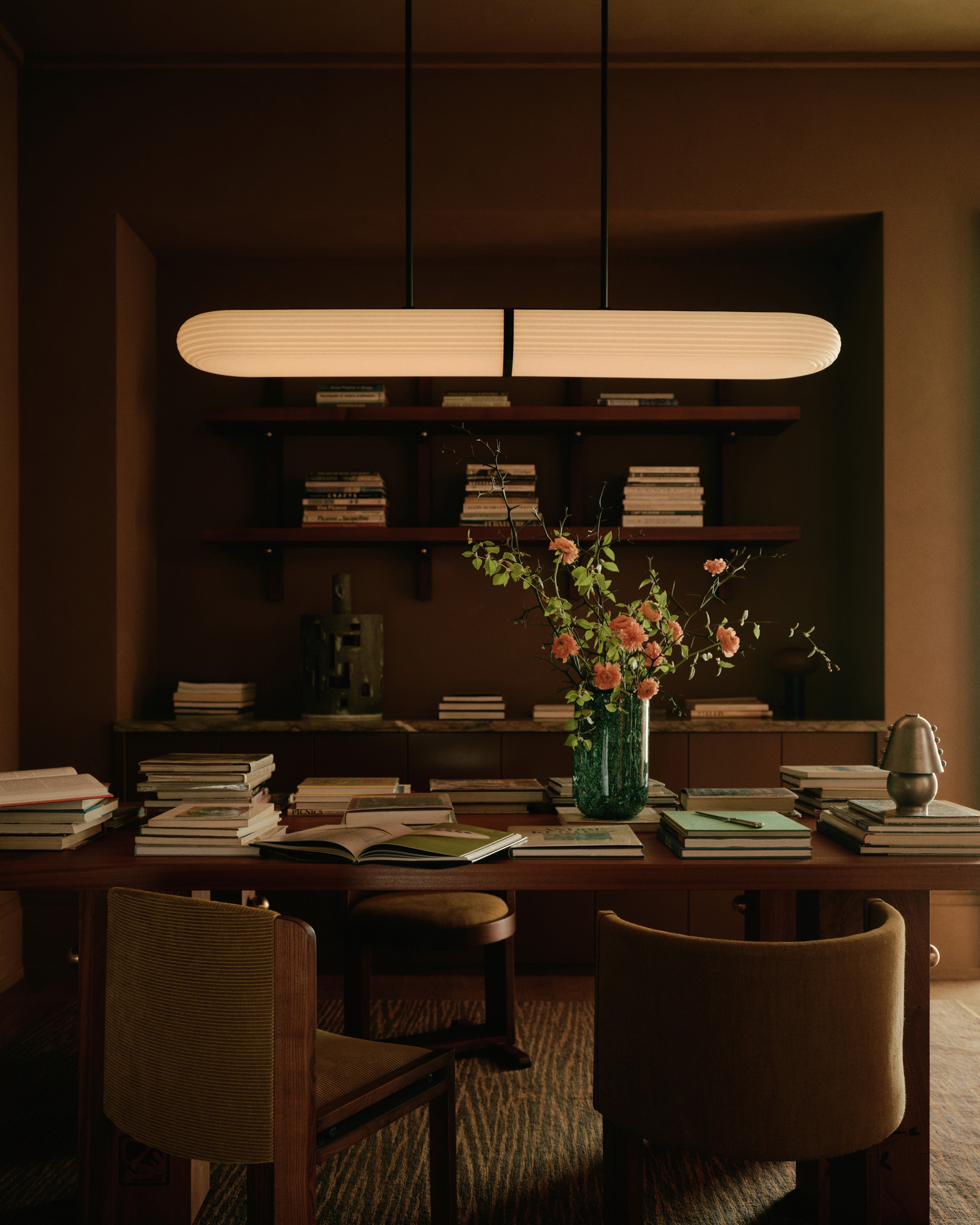
fig. vi, Citrus trifoliata encases young birch twigs and apricot ranunculus. Seen here in the entryway to Quarters. Photo: William Jess Laird
fig. i, Playing with form and feeling, golden willow appears to float on top of these skeletal and expressive magnolia branches with blooms past their traditional prime. Photo: William Jess Laird.
fig. ii, Tango amaryllis and french tulips in the showroom of Quarters. Photo: William Jess Laird
fig. iii, A closer look one of our most loved arrangements in the bar at Quarters. Photo: William Jess Laird
fig. iv, "You can cut all the flowers, but you cannot keep spring from coming." - Pablo Neruda Photo: William Jess Laird
fig. v, Delicate Dogwood pink dogwood adorns the top shelf in the kitchen at Quarters. Photo: William Jess Laird
fig. vi, Citrus trifoliata encases young birch twigs and apricot ranunculus. Seen here in the entryway to Quarters. Photo: William Jess Laird
At Quarters, the latest venture from the founders of In Common With, we work with willow threads, nests of thorns, and lichen[1] with abandon. Described by its founders Nick Ozemba and Felicia Hung as “a marriage of warmth and grandeur, whimsy and irreverence,” this sprawling, multi-hyphenate showroom offers its audience ‘a place to gather and a world to explore.’
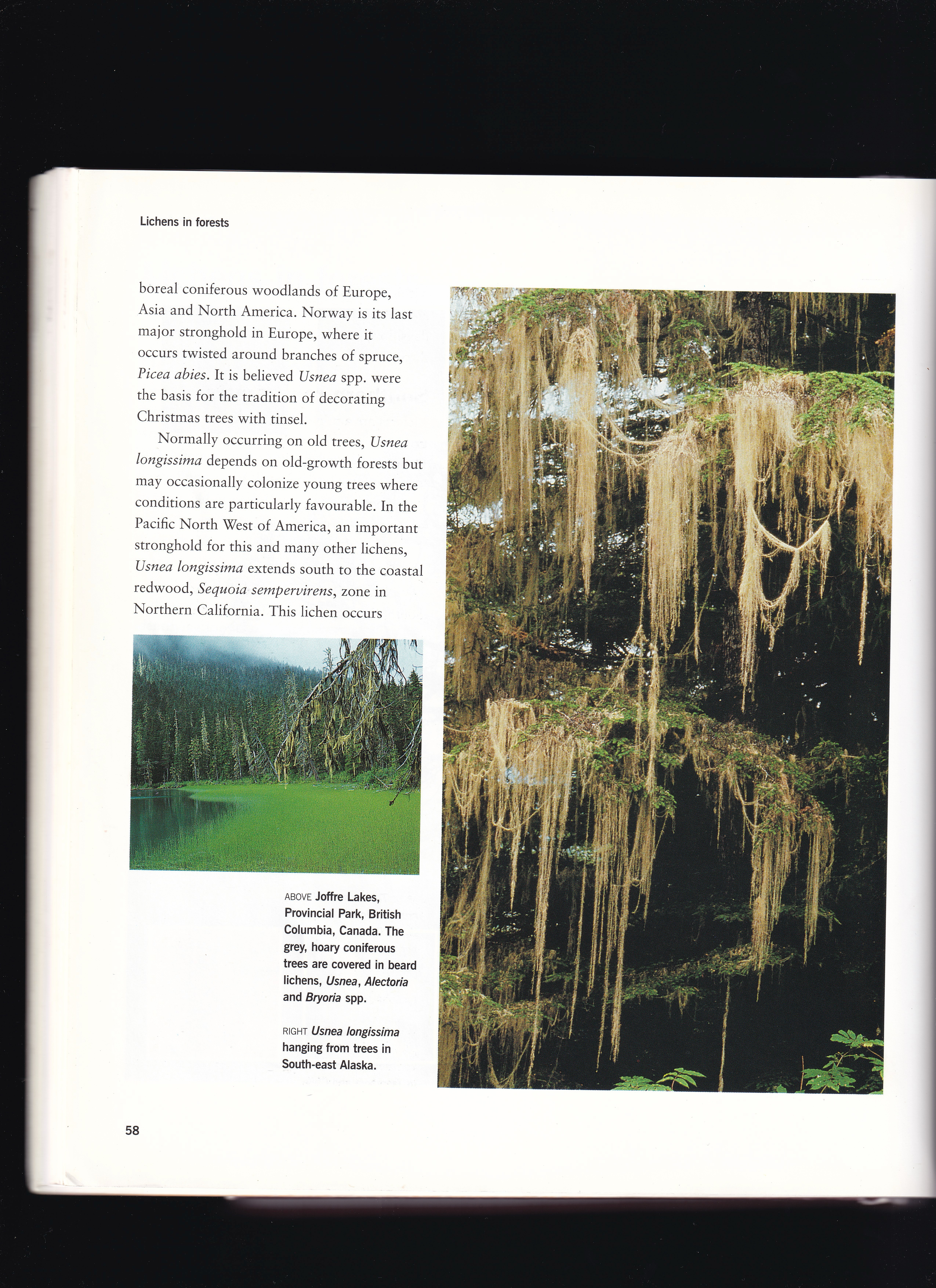
[1] A scanned page from Lichens by Wiliam Purvis — a sublime example of the fantastical forms we aim to mimic in the interventions for Quarters.
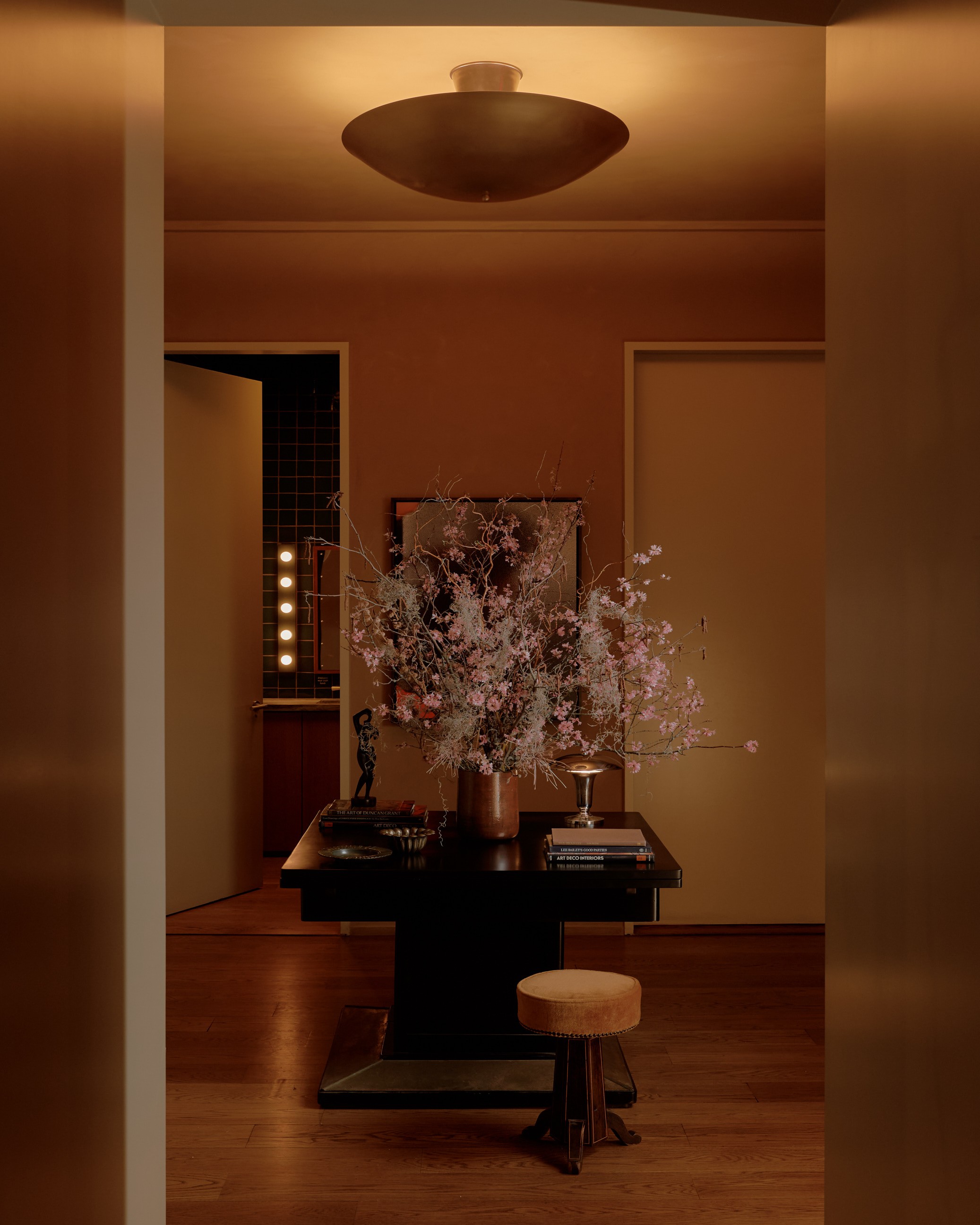
fig. i, Cherry and spanish moss—a perfectly frothy mix—composed in the antechamber of Quarters in Tribeca. Photo: William Jess Laird.
Placing value in the peculiar[2], this speak-easy-feeling account is guided by a desire to linger on the details; visitors are mystified by the beauty that surrounds them in this 19th-century Tribeca loft. Though we approach all of our projects with a similar sentiment — mimicking the wild ephemerality of landscape instead of caging it — at Quarters, this way of seeing is penned into the brief itself.
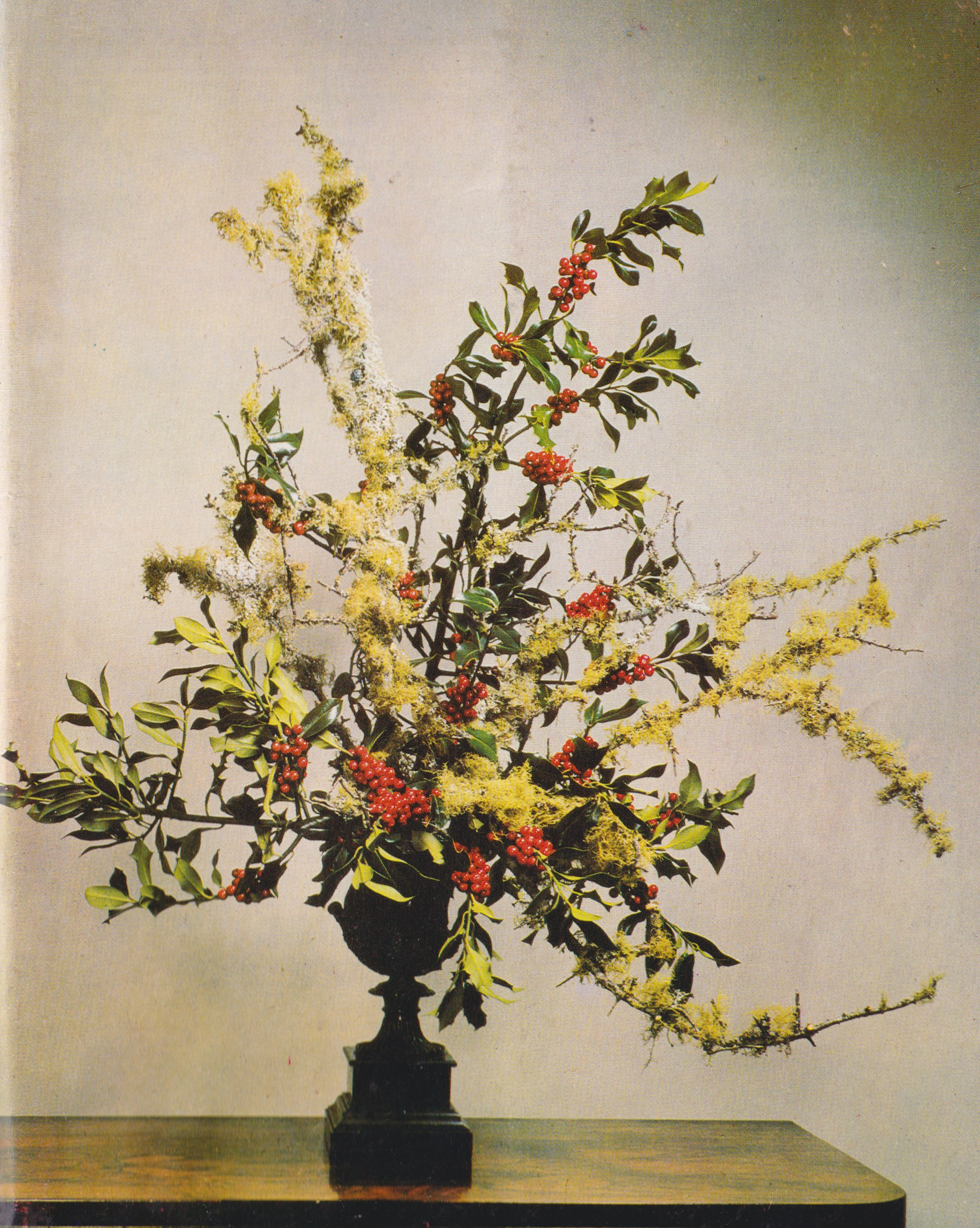
[2] A foundational inspiration: the work of Constance Spry, featured here in the Ilford Color Book of Flower Decoration by Joan Groves.
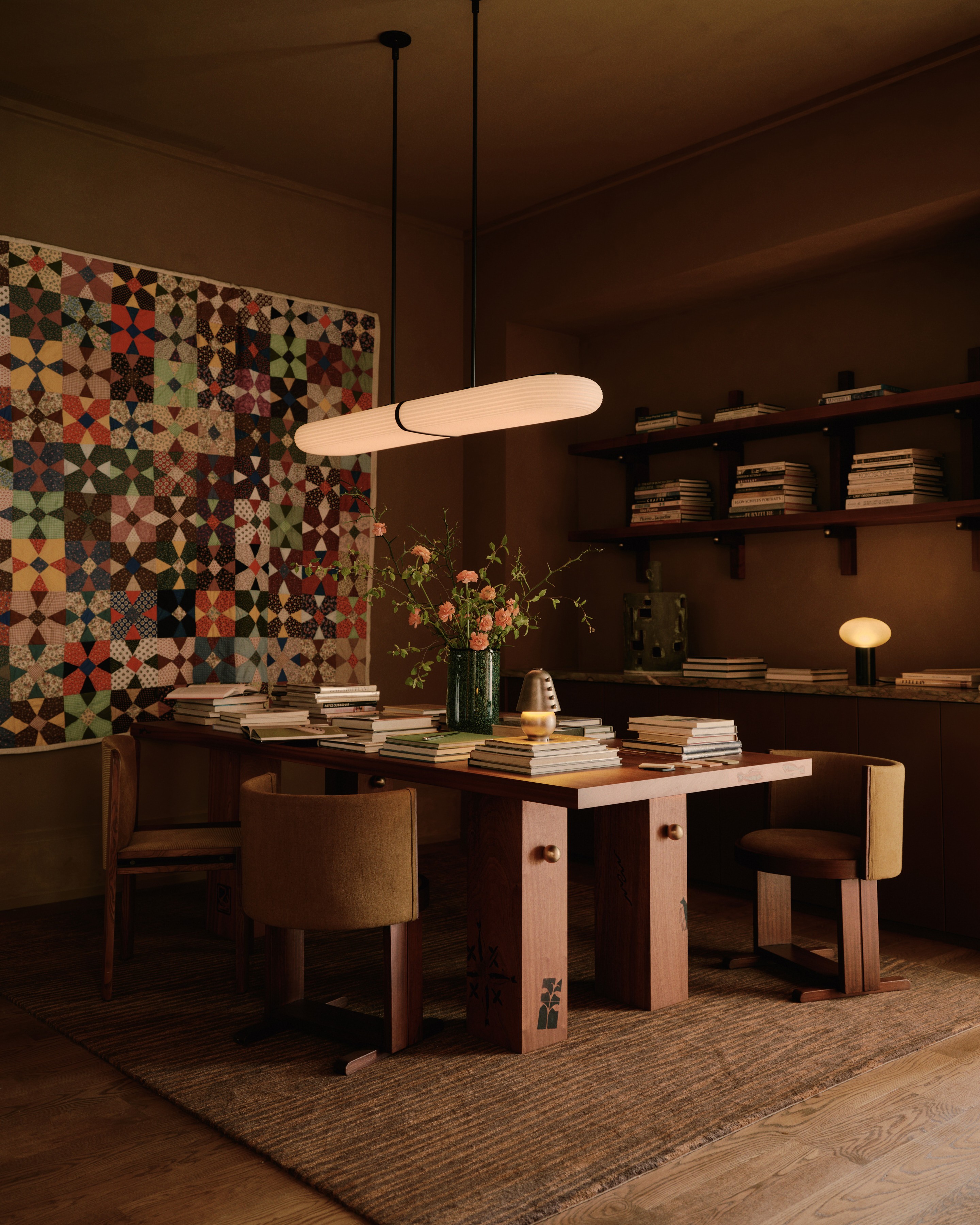
fig. ii, Citrus trifoliata encases young birch twigs and apricot ranunculus. Seen here in the entryway to Quarters. Photo: William Jess Laird
Weekly, we create interventions throughout the showroom, wine bar, and shop (roughly 8,000 square feet) that highlight the oddity and elegance of the Quarters aesthetic.
Using all in-house vessels — designed by the likes of Shane Gabier, Sophie Lou Jacobsen, Gae Alunti, and more — we showcase the most compelling flora that nature has to offer us that week in the most offbeat combinations and presentations that we can imagine. Think: stripped weeping willow and fading magnolia blossoms or dozens of dried echinacea pods alongside pokeweed[3], a favorite foraged weed.
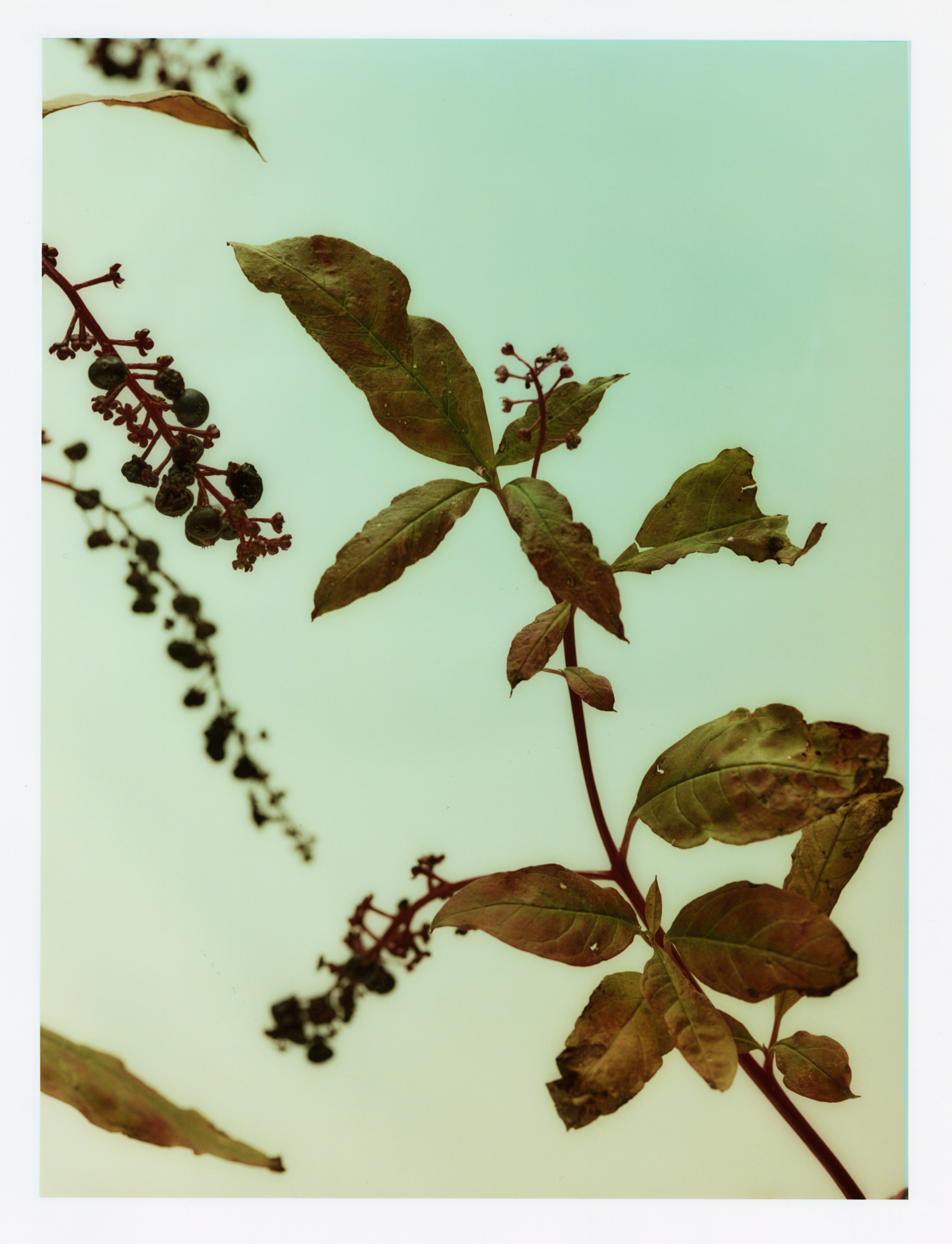
[3] Pokeweed. Photo: Marco Galloway
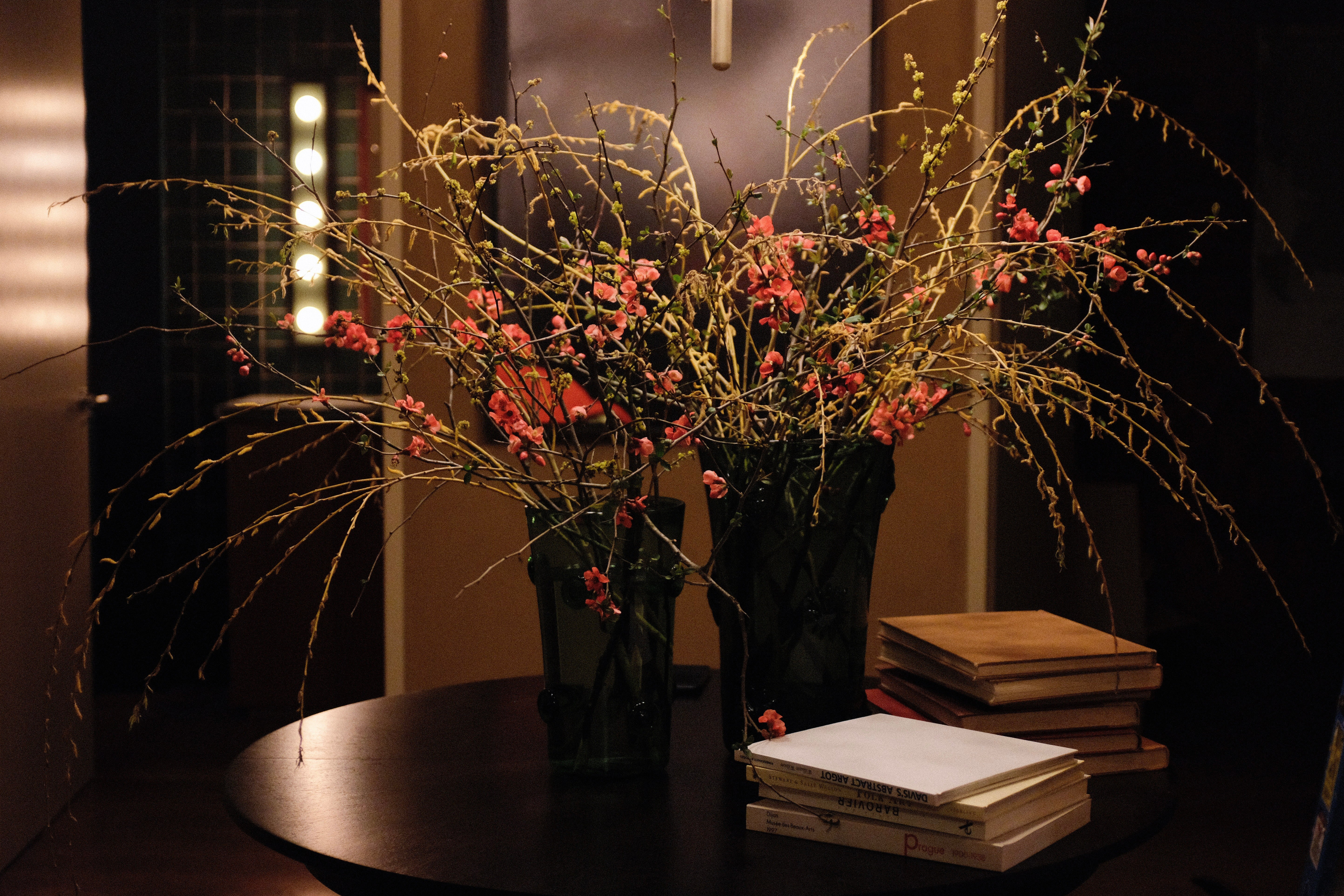
fig. x, Forced coral quince with threads of young weeping willow in the antechamber in Quarters. Photo: Field Studies Flora.
Just a stone's throw from another interior account, our team of florists can often be spotted ferrying bundles of branches between Quarters and The Guild, a space from the brilliant minds of Roman & Willams. You can explore our work with them, .

Elements (5)
View Index
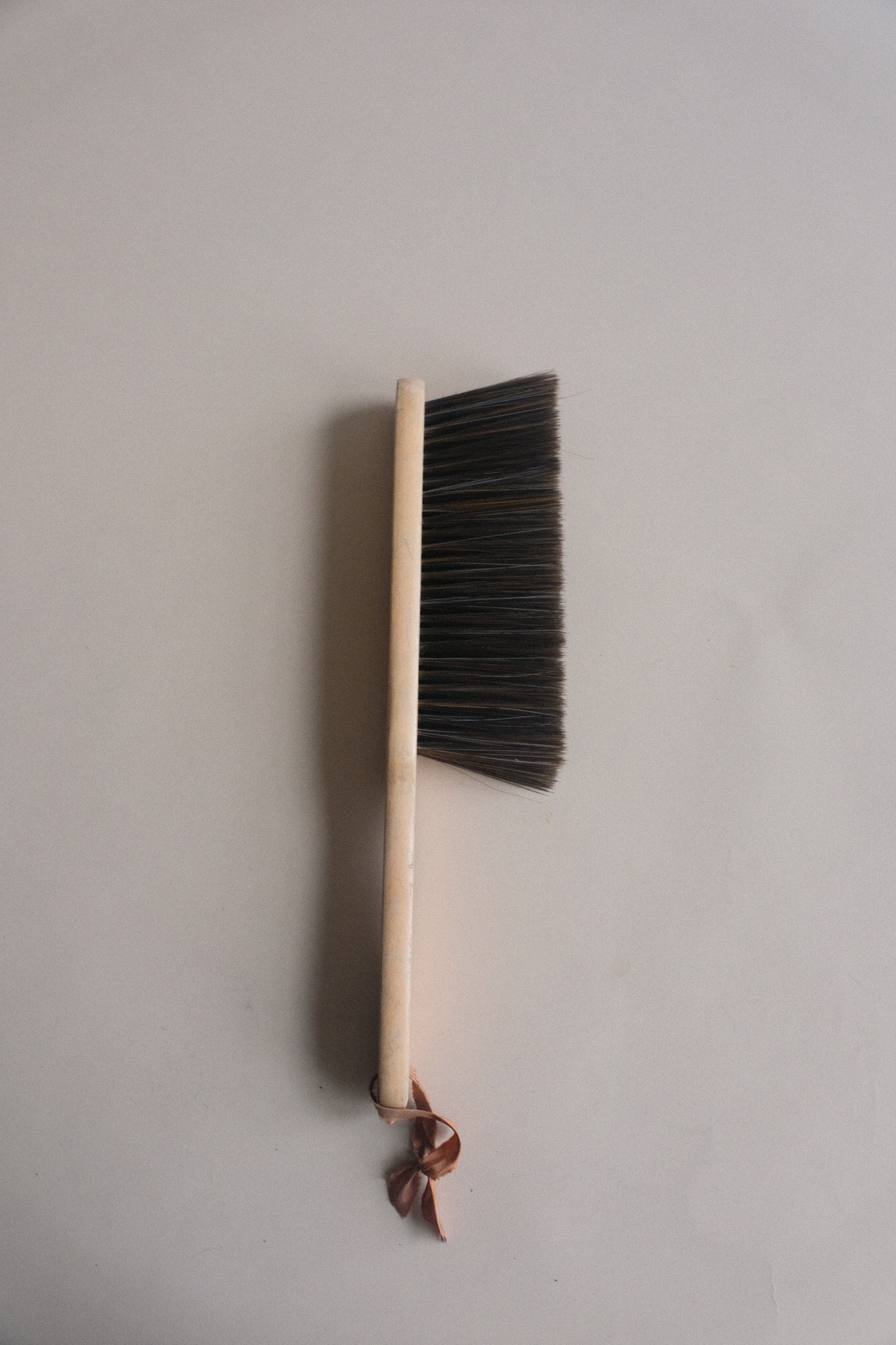
Just like in a kitchen, keeping your flower counter in tip-top shape is a must. Very little can be controlled in this medium, but at the very least, you can maintain your sanity through a clean workspace.
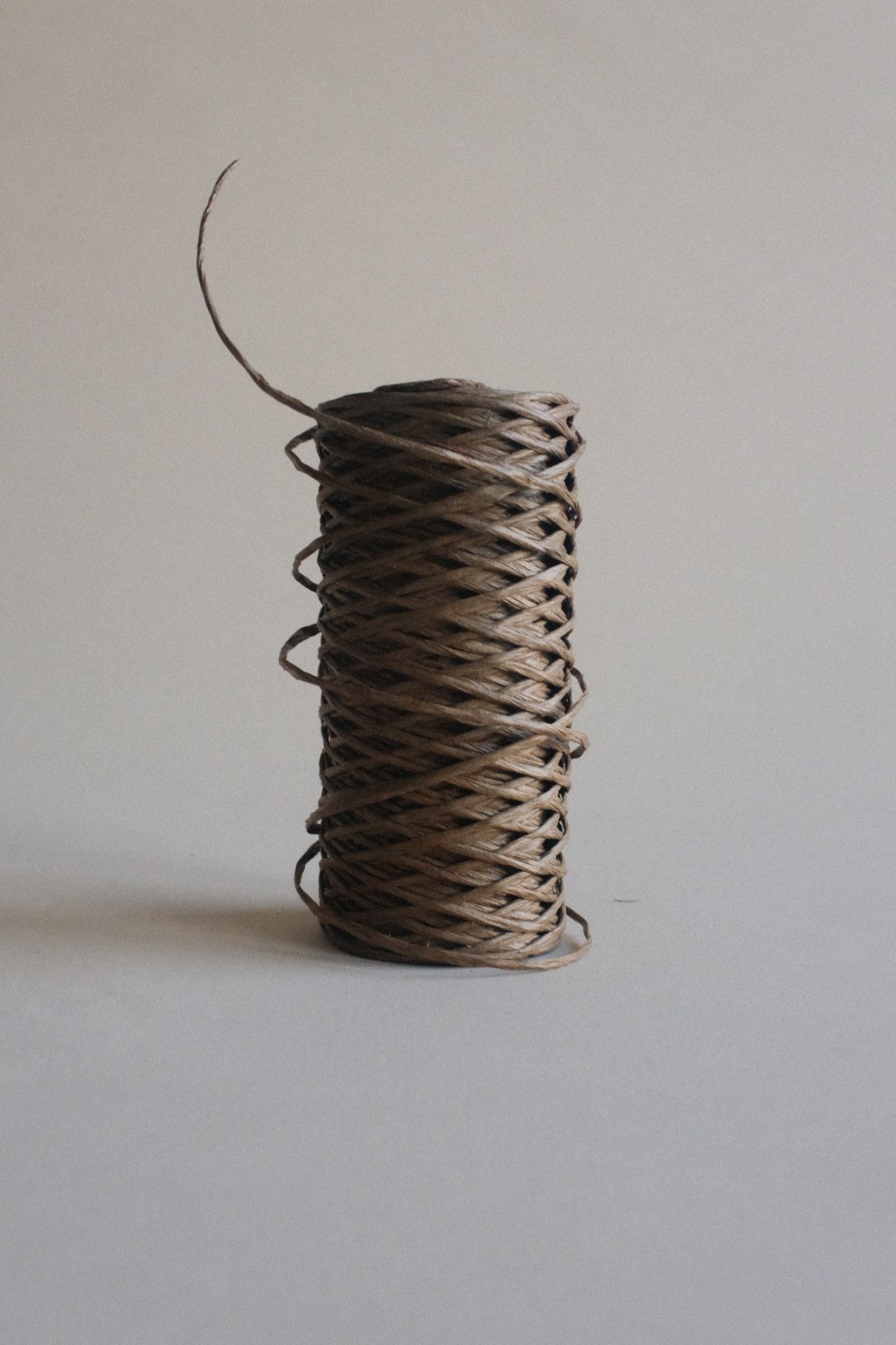
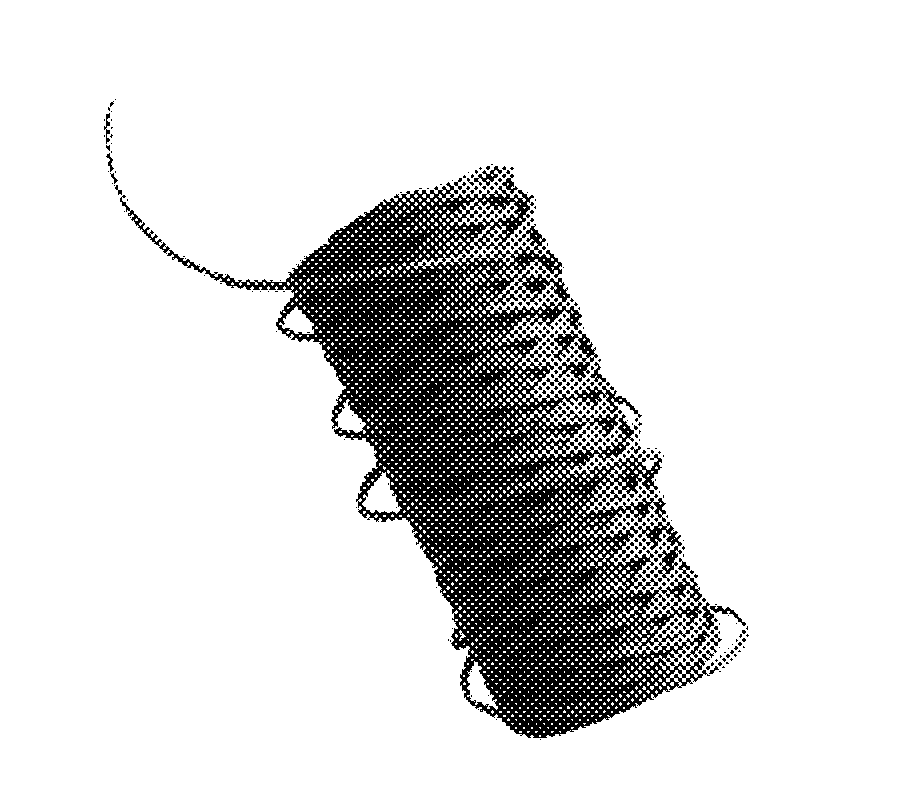
Much like it sounds, bind wire allows us to hold things together. This could look like manipulating the wire into a frog-like cage for specific stem arrangement within an intervention, or it could be used to help us reinforce a structure like a wreath, a tangle of sculptural stems, or a nest of branches.
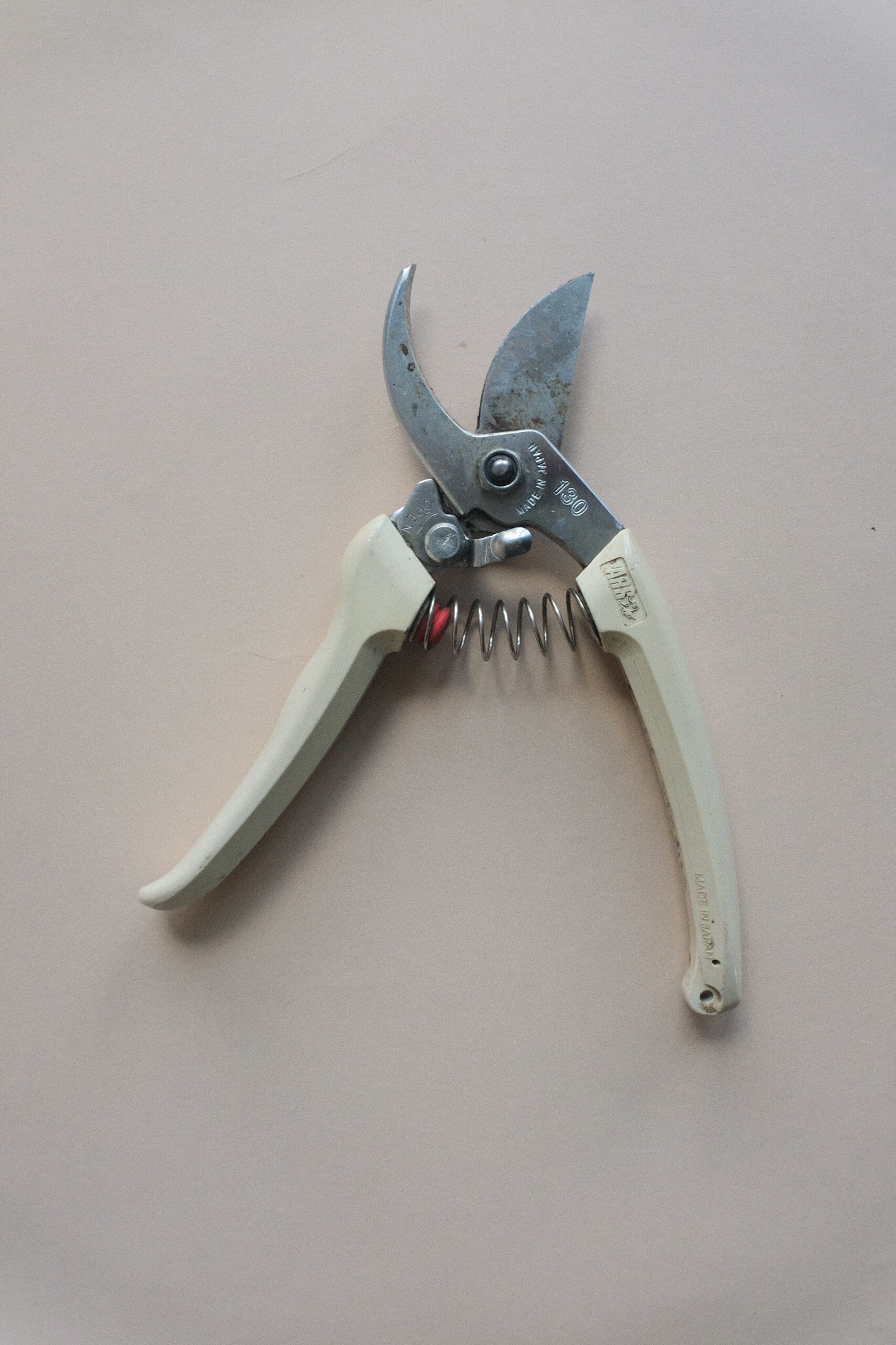
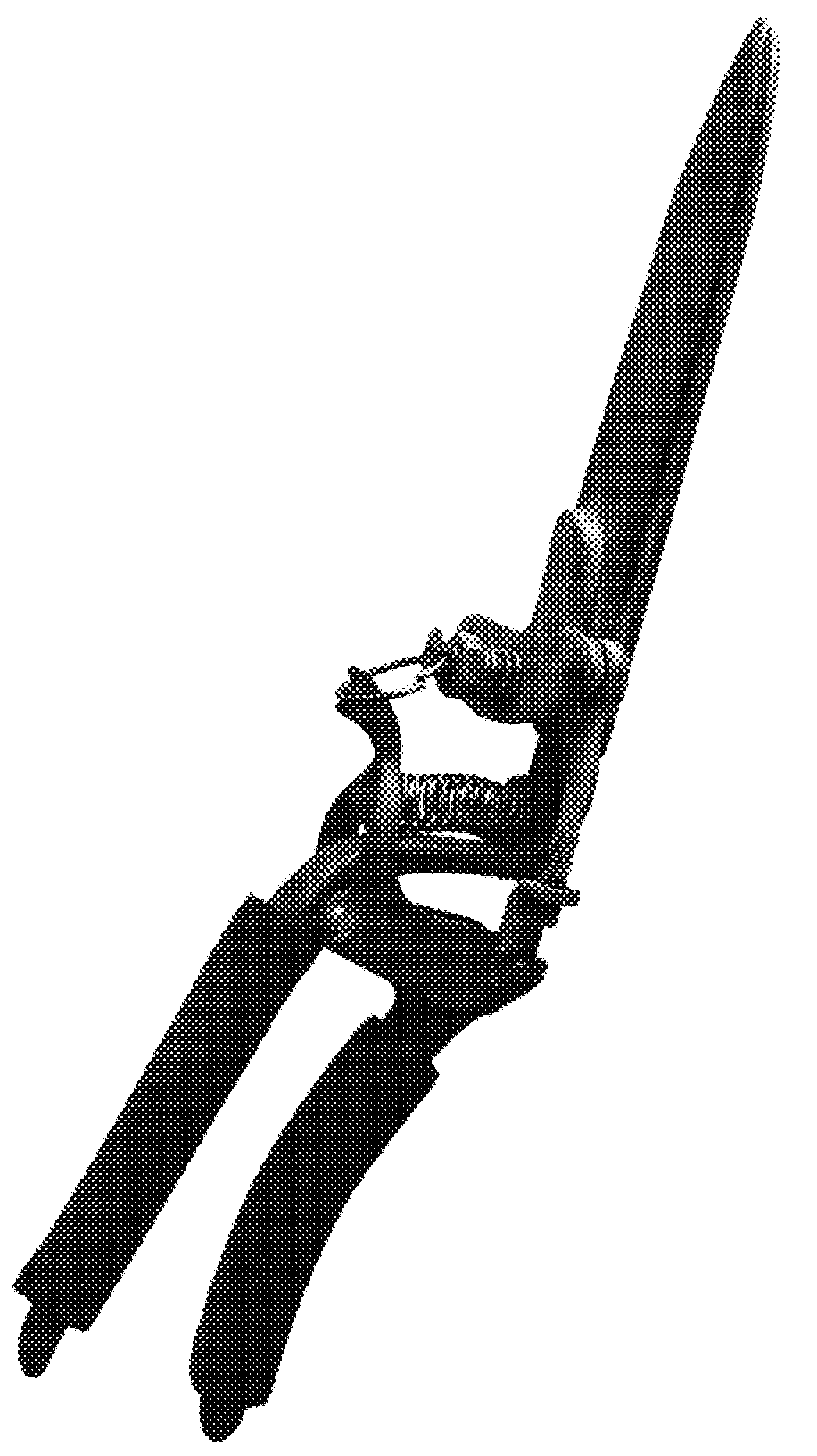
Lightweight and low-fuss, a basic pair of shears could be used hundreds of times a day in the studio or on-site. Perfect for trimming twigs and medium-sized stems, we use our shears not just for stylistic arranging, but to protect flowers when cutting them to ensure that their ends remain open to water intake and we find that these ars shears are the most durable and comfortable in our hands.
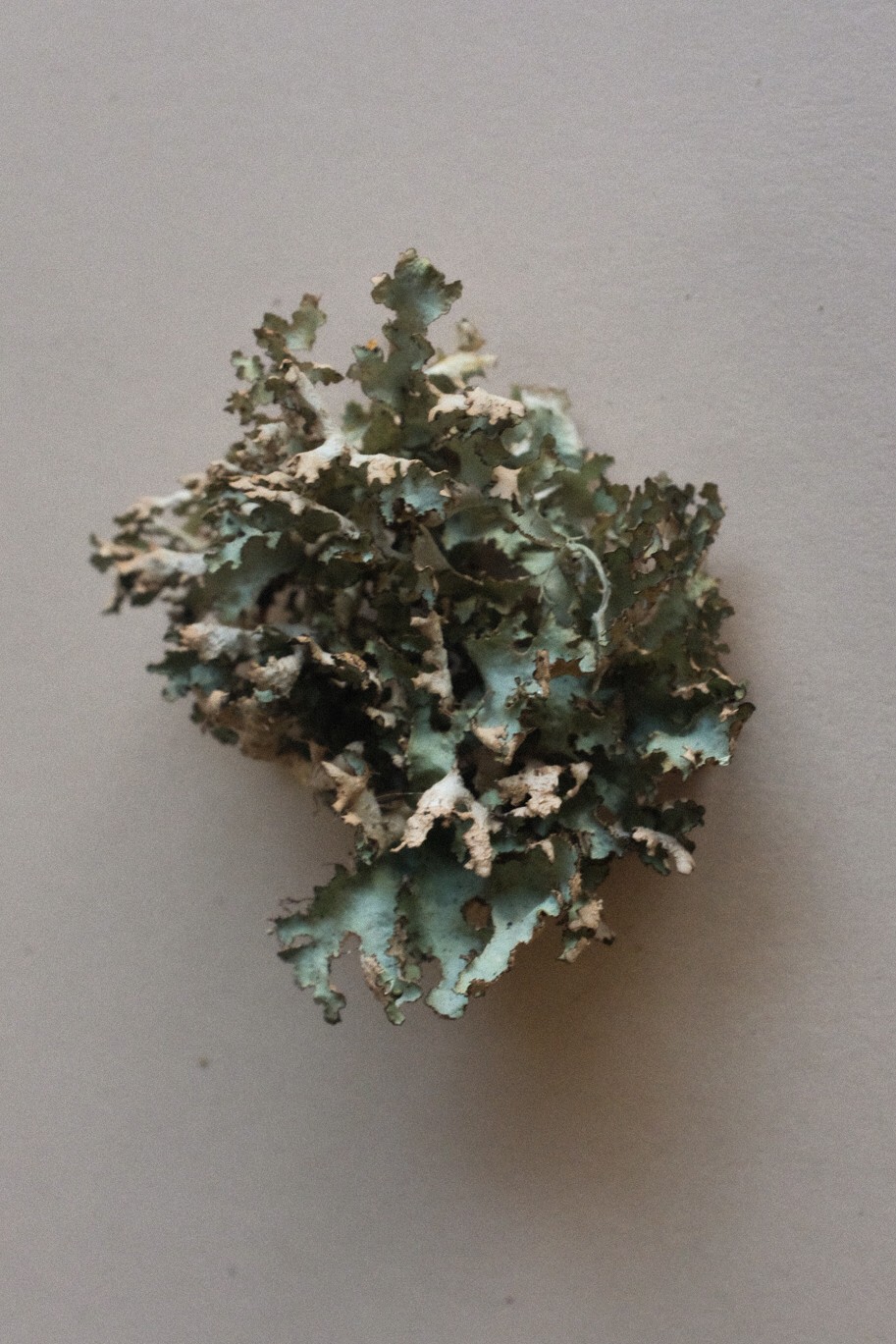
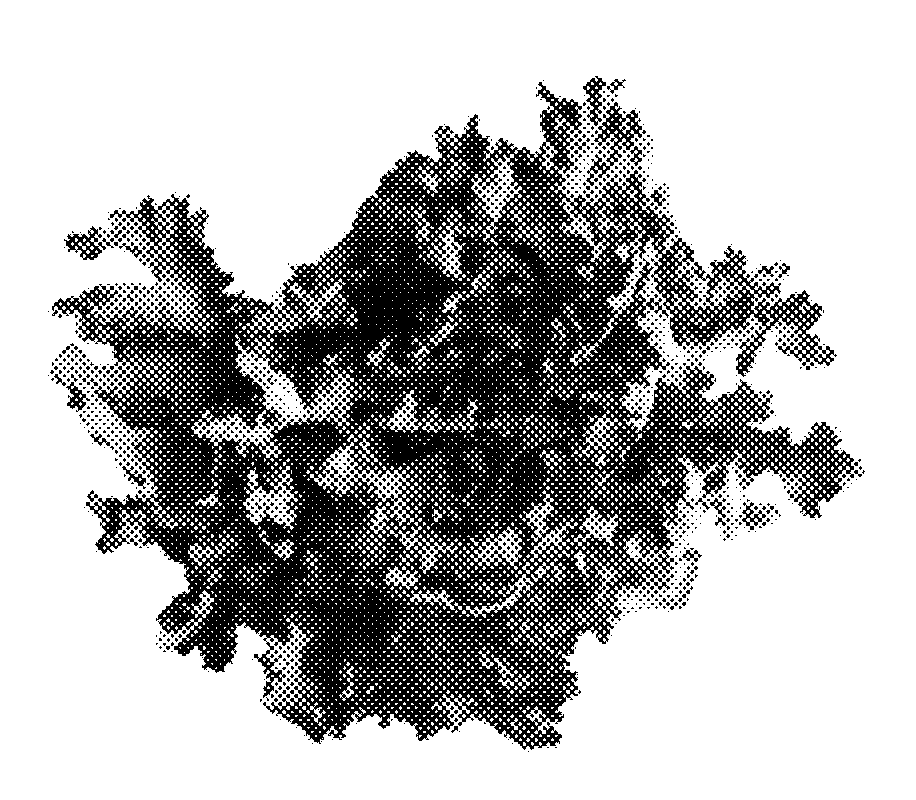
Lichen, an extraordinary organism that lives in every corner of the world, is an often overlooked marvel. Otherworldly in a way, these impressive living things are not plants although they may seem to be. In actuality, they’re the lovechild of a fungus and an alga. With a crust-like texture and often chromatic skin, they cling to surfaces like trees and rocks and almost anything else, but not in an intrusive or parasitic manner. Quite the opposite, Lichen serves as a kind of protective shield for the stones and sticks that they blanket.
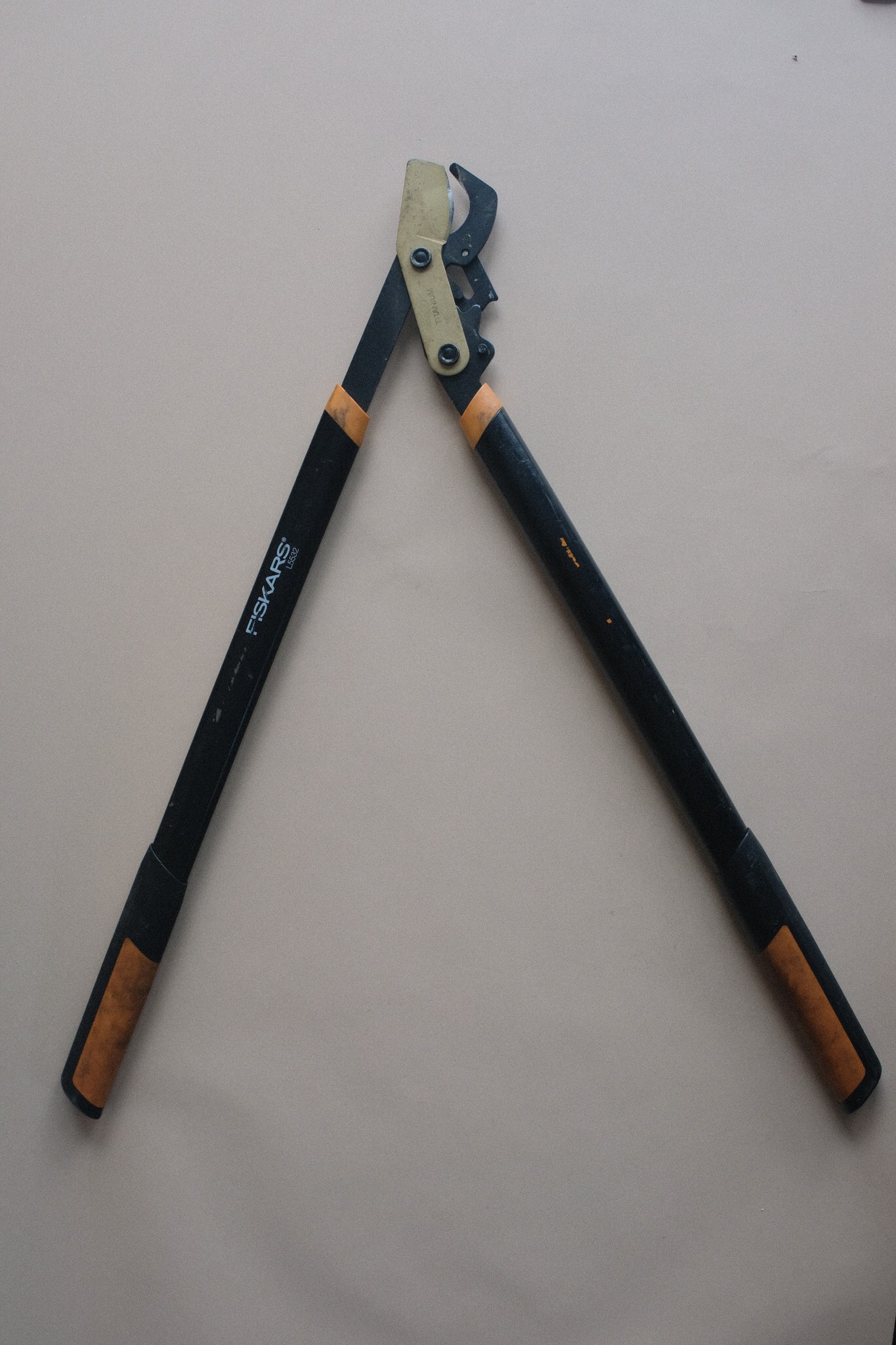
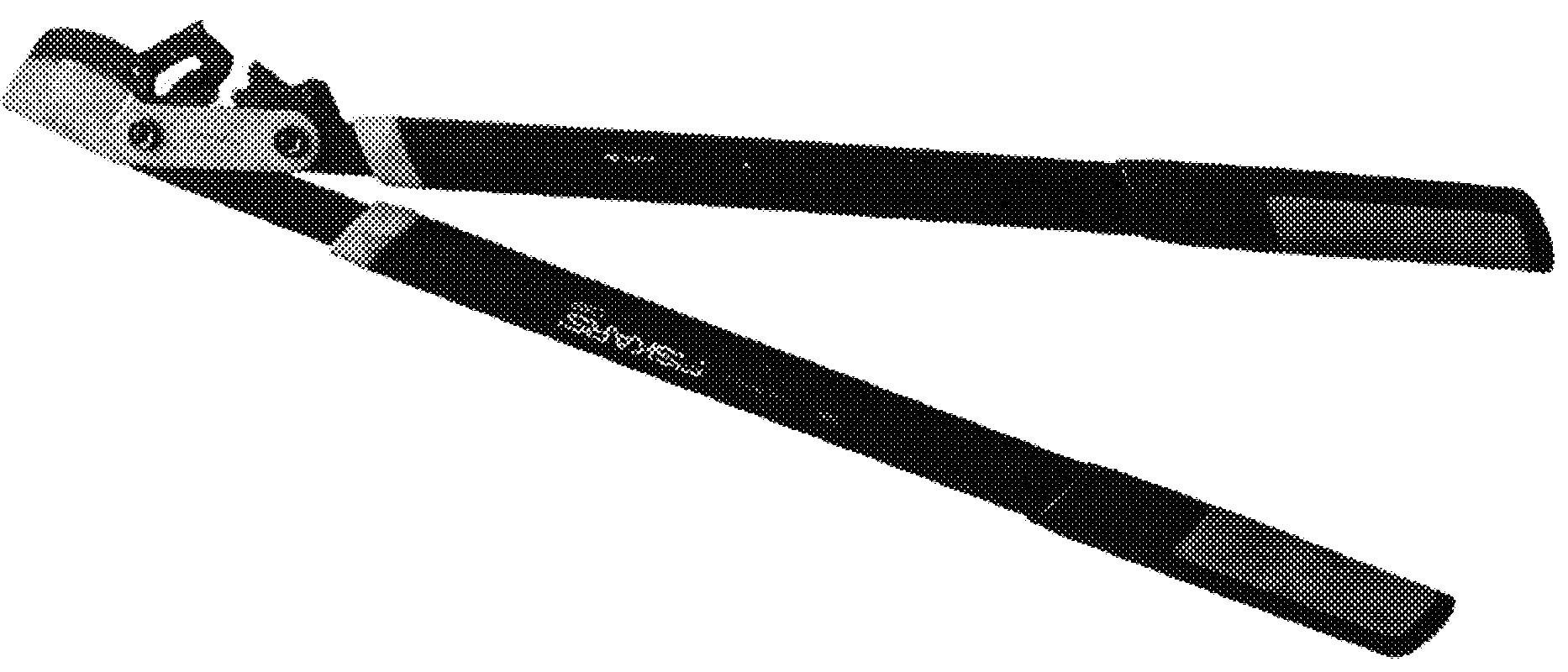
Another tool for smooth and easy pruning, loppers allow us to cut back thick and woody branches like Magnolia and Mountain laurel that are impenetrable with our other tools.
Archive
Archive
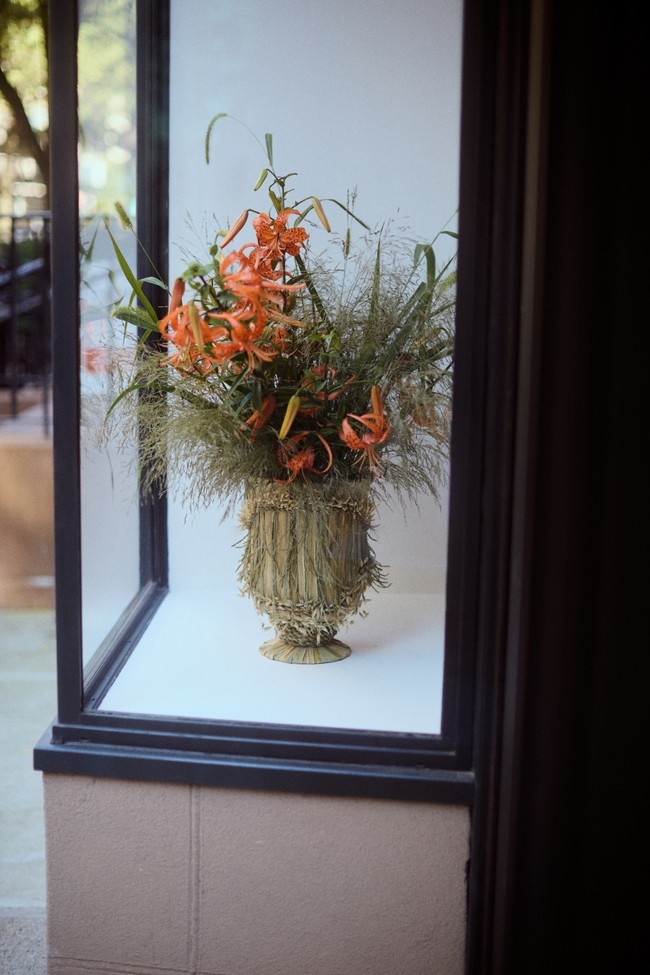
Vibrant tiger lillies and blueberry branches. Photo: Alyona Kuzmina.
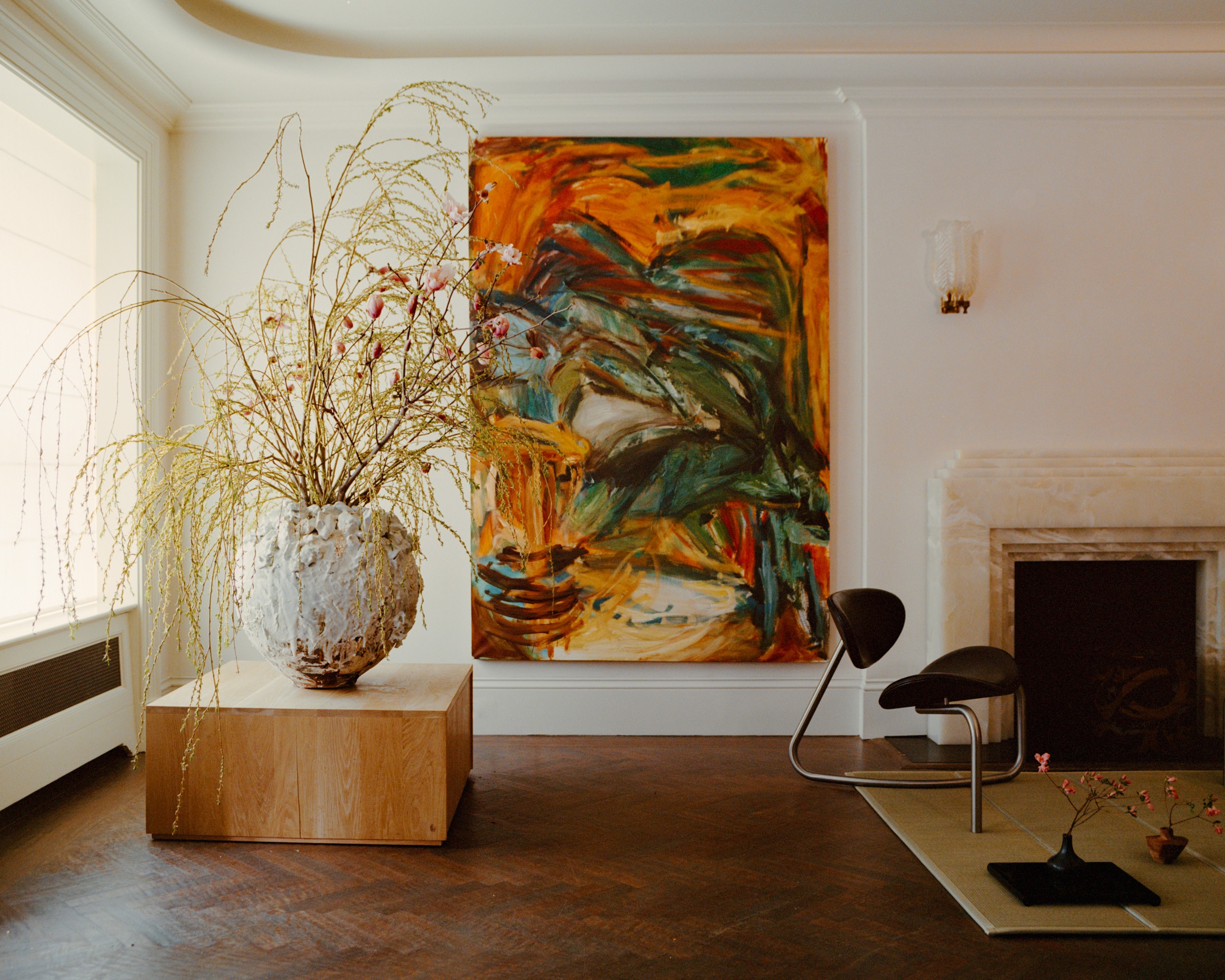
Magnolia, weeping willow and azalea buds inside of a tranquil space designed by Rob Johansen and photographed by William Jess Laird.
Orange tiger lilies in a subtle yet significant vessel in the back room of Somerset House. Photo: Marco Galloway
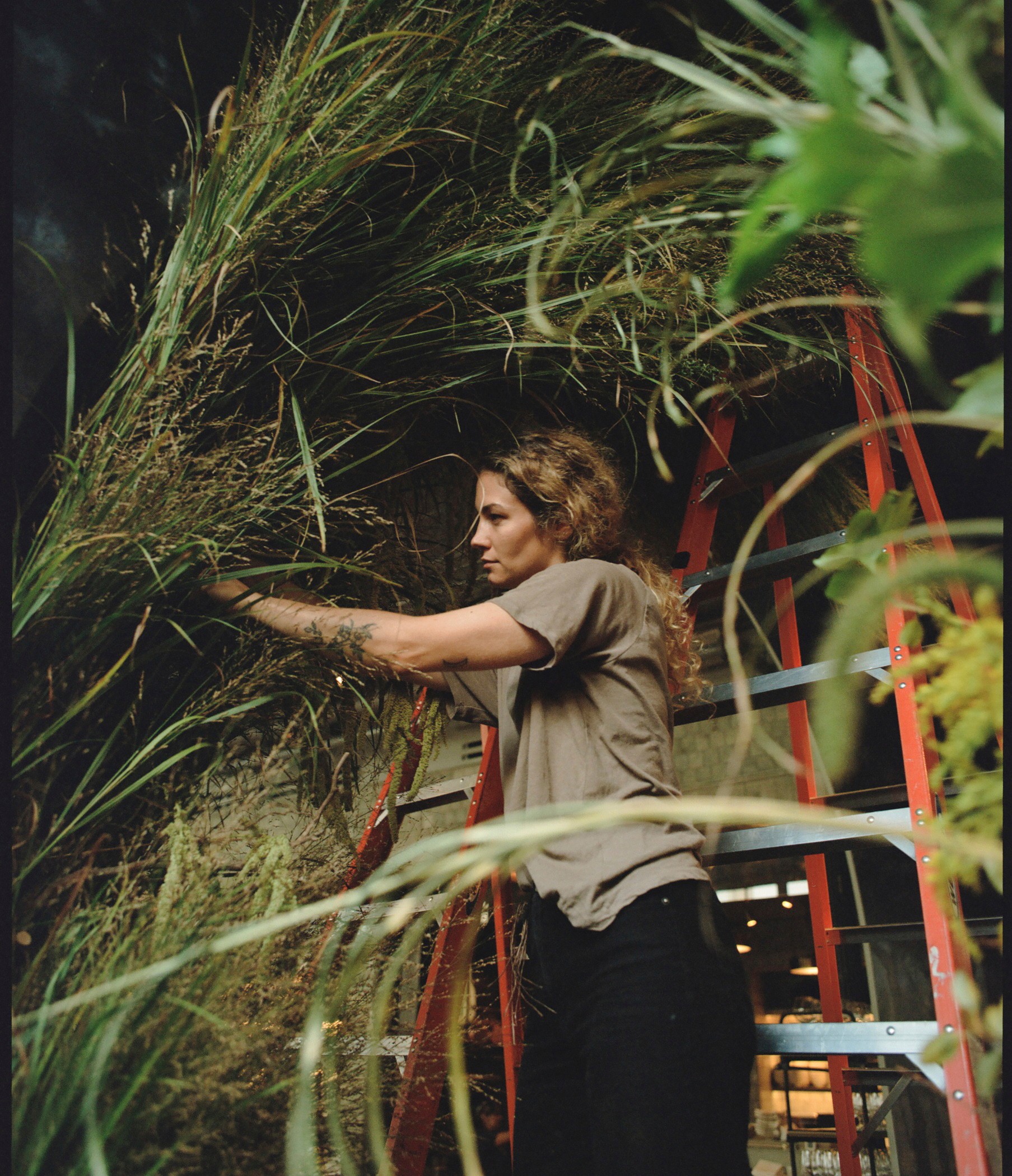
The archway at Roman & Williams, adorned in late summer’s finest foraged greens. A slurry of grasses were nestled into an armature of mountain laurel and garnished with long green-bean-looking catalpa pods to create this vertical meadow of fringe which crawls 14 feet up the wall and arcs over guest below. Photo: Austin Sandhaus
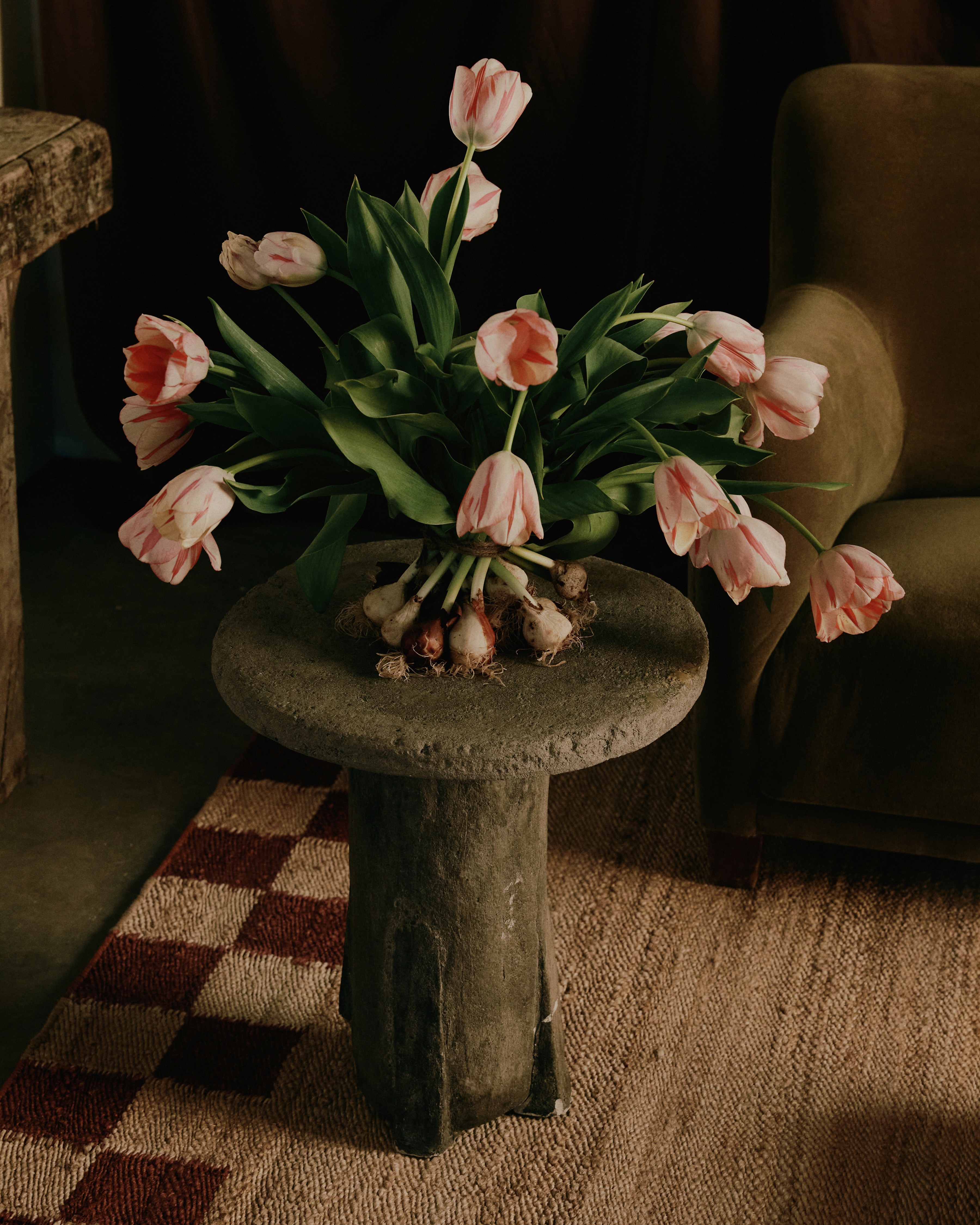
Tulip season for Nordic Knots shot and styled at Galerie Was. Photo: William Jess Laird
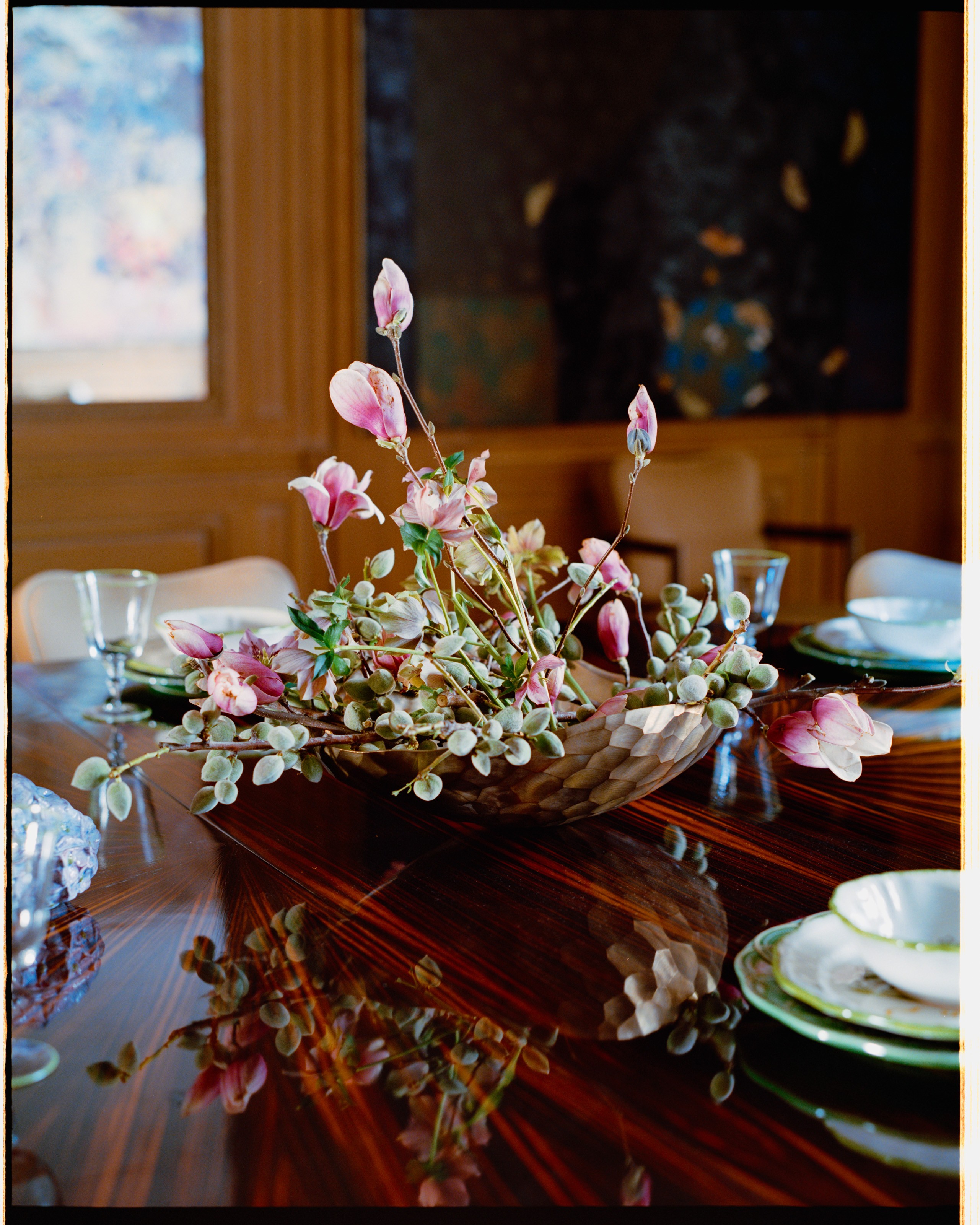
Magnolia, hellebores and almond husks inside of a garden-inspired dining space designed by Rob Johansen.Photo: William Jess Laird.
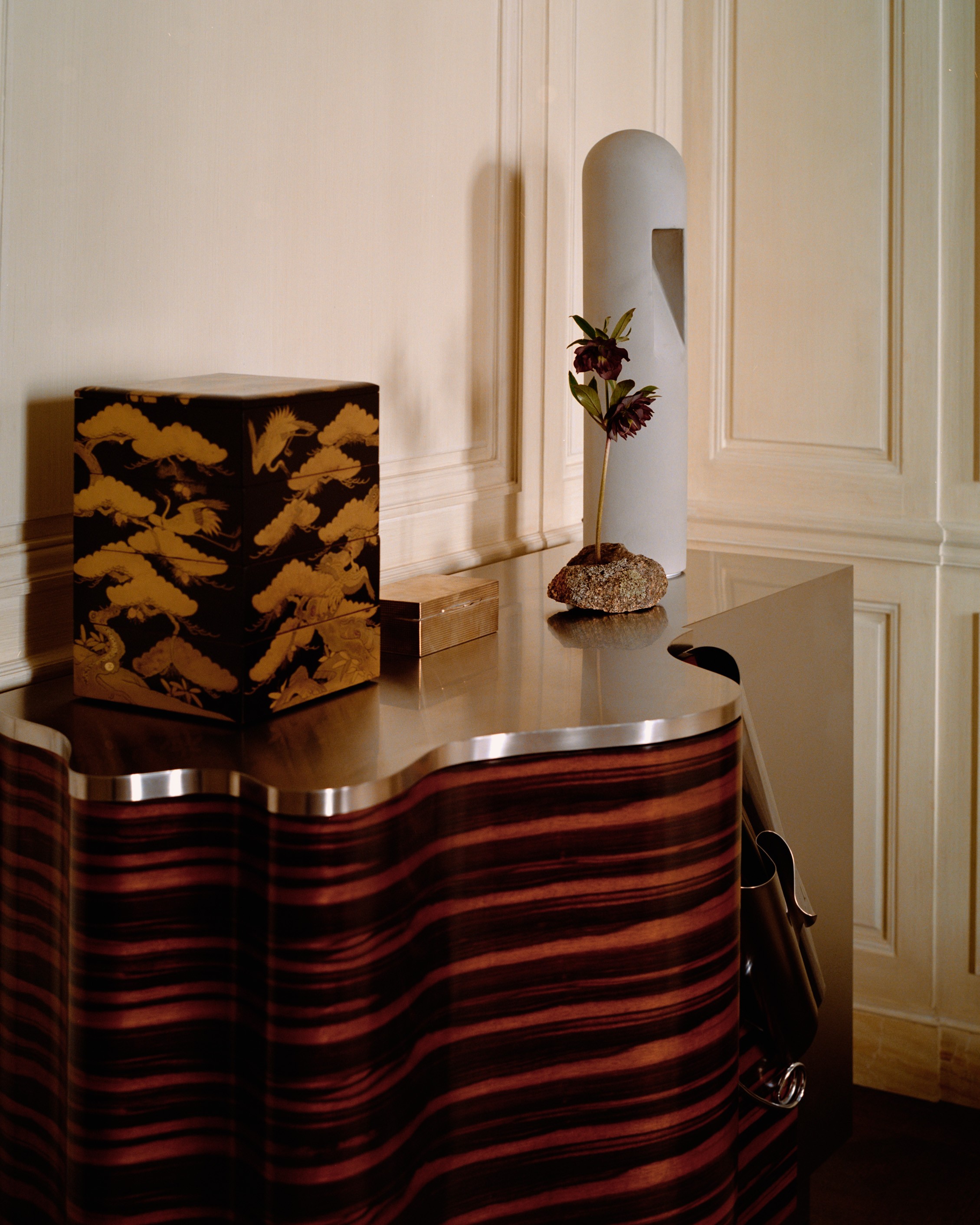
A single Hellebore stem inside of an apartment designed by Rob Johansen.Photo: William Jess Laird.
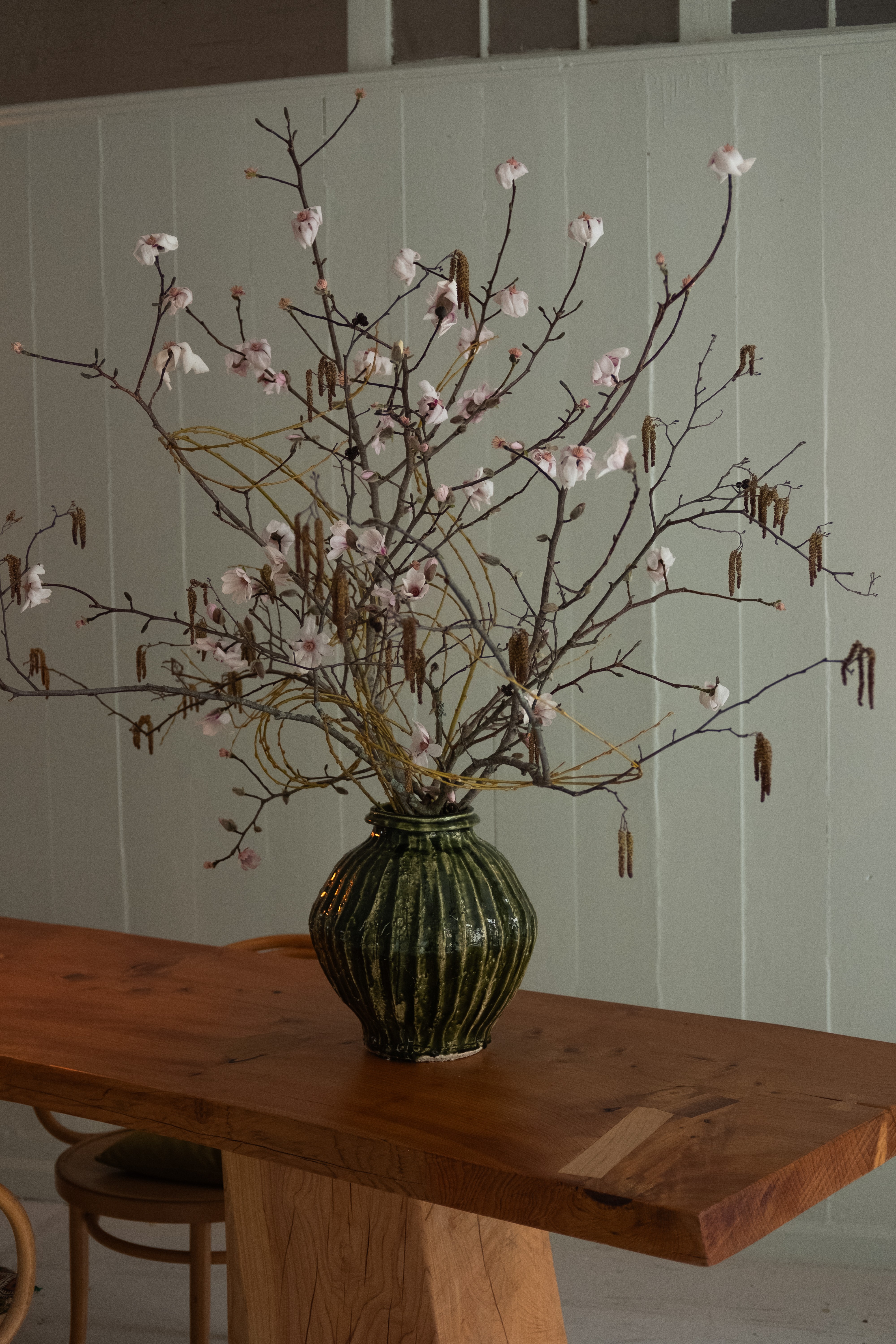
A beloved trine: magnolia, willow and birch with catkins. This was the entryway intervention at Tiwa Gallery for our dear friend Cadis' show. Photo: Field Studies Flora
A private spring luncheon at La Mercerie. Photo: Andrea Gentl and Martin Hyers
Frothy cherry and Spanish moss displayed in the antechamber of Quarters. Styling: Tim Brown, Photo: William Jess Laird
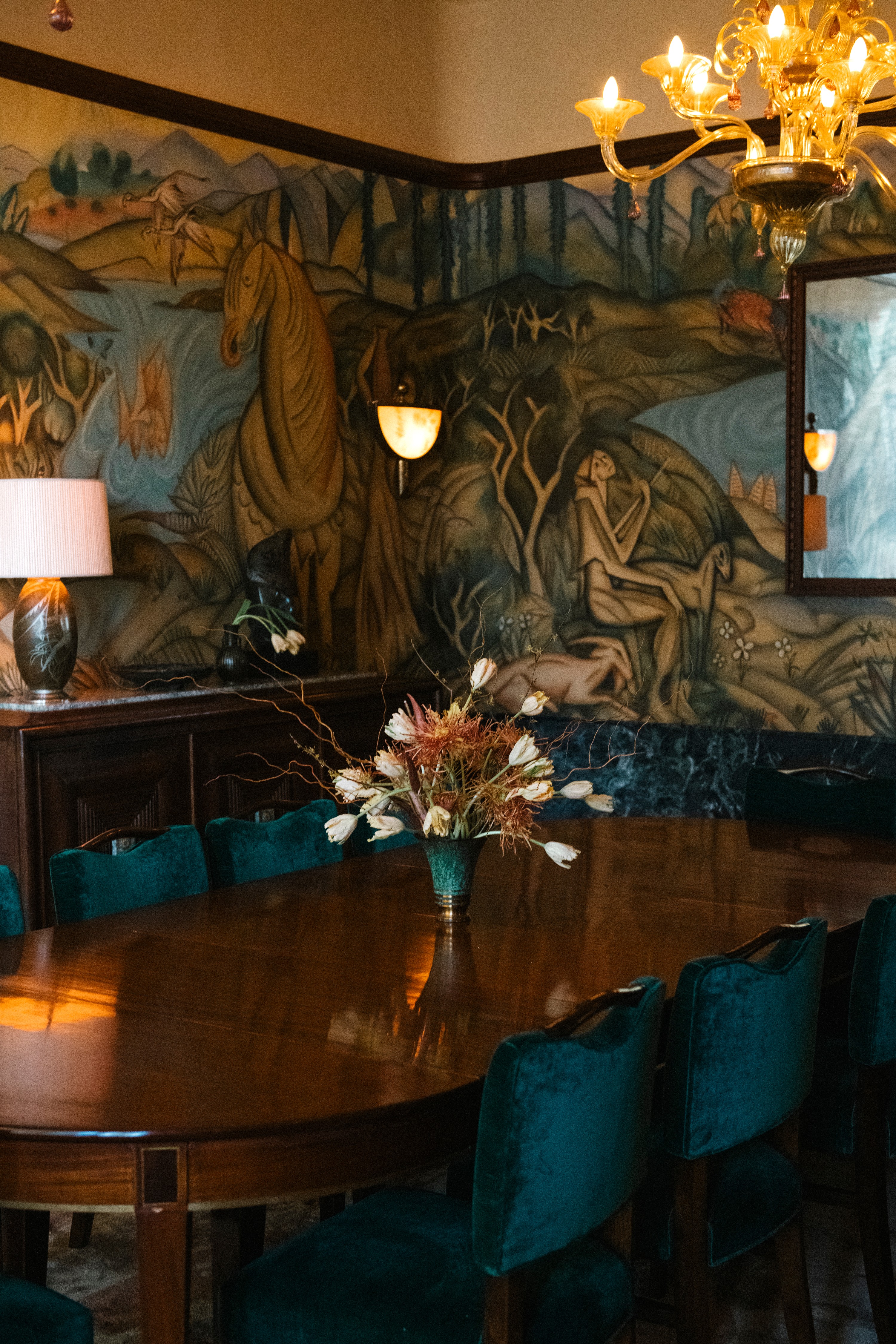
Inside the hand painted private dining room at Locanda Verde Hudson Yards. Photo: Adrianna Glaviano.
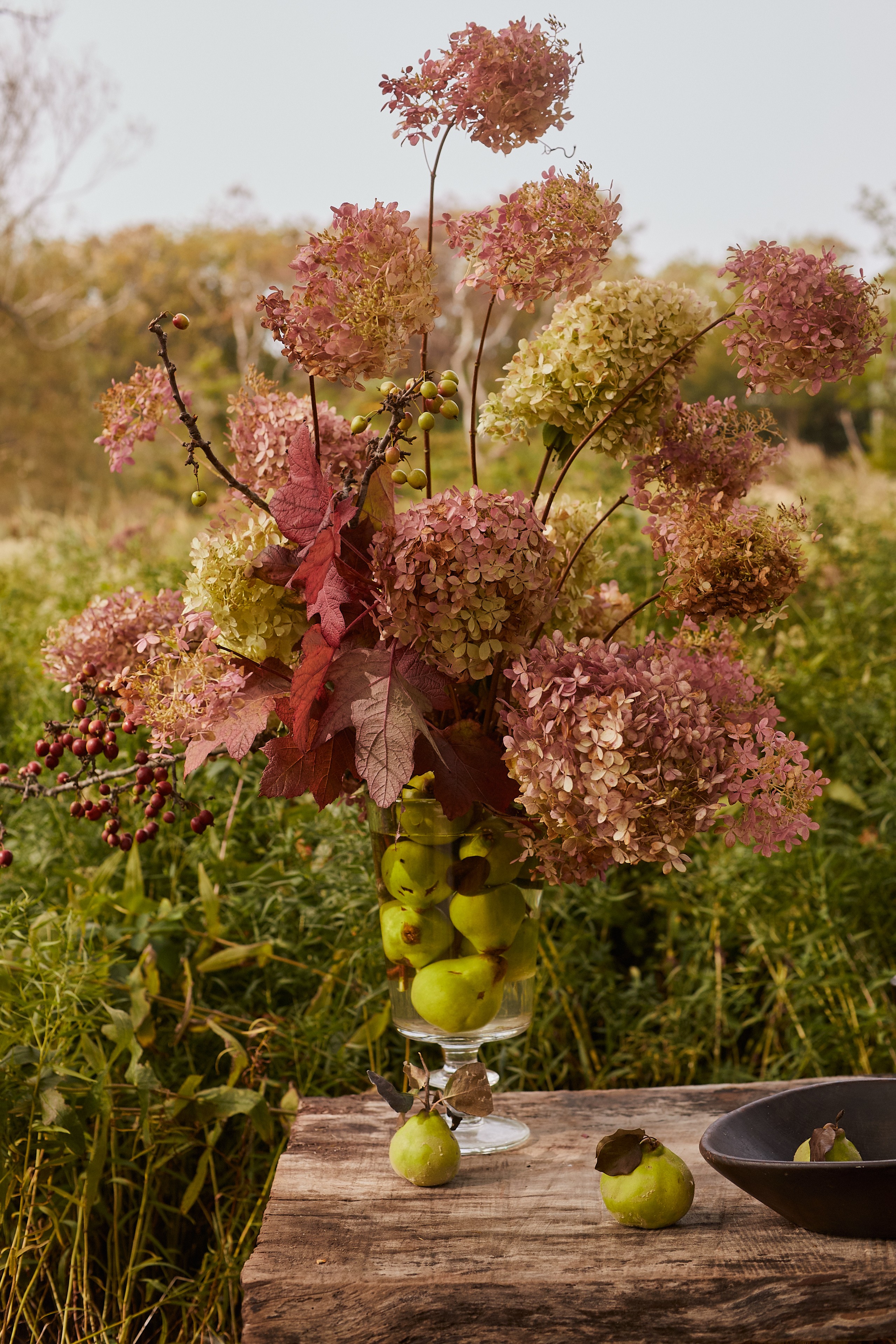
Hydrangea and electric green quince for The Financial Times story on Roman and Williams. Photo: Billal Taright