

Natoora

fig. i, Dressing a tower of wooden factory palettes, twisting apple branches were carefully woven through each construction with hints of fruit braided throughout. Photo: Natoora
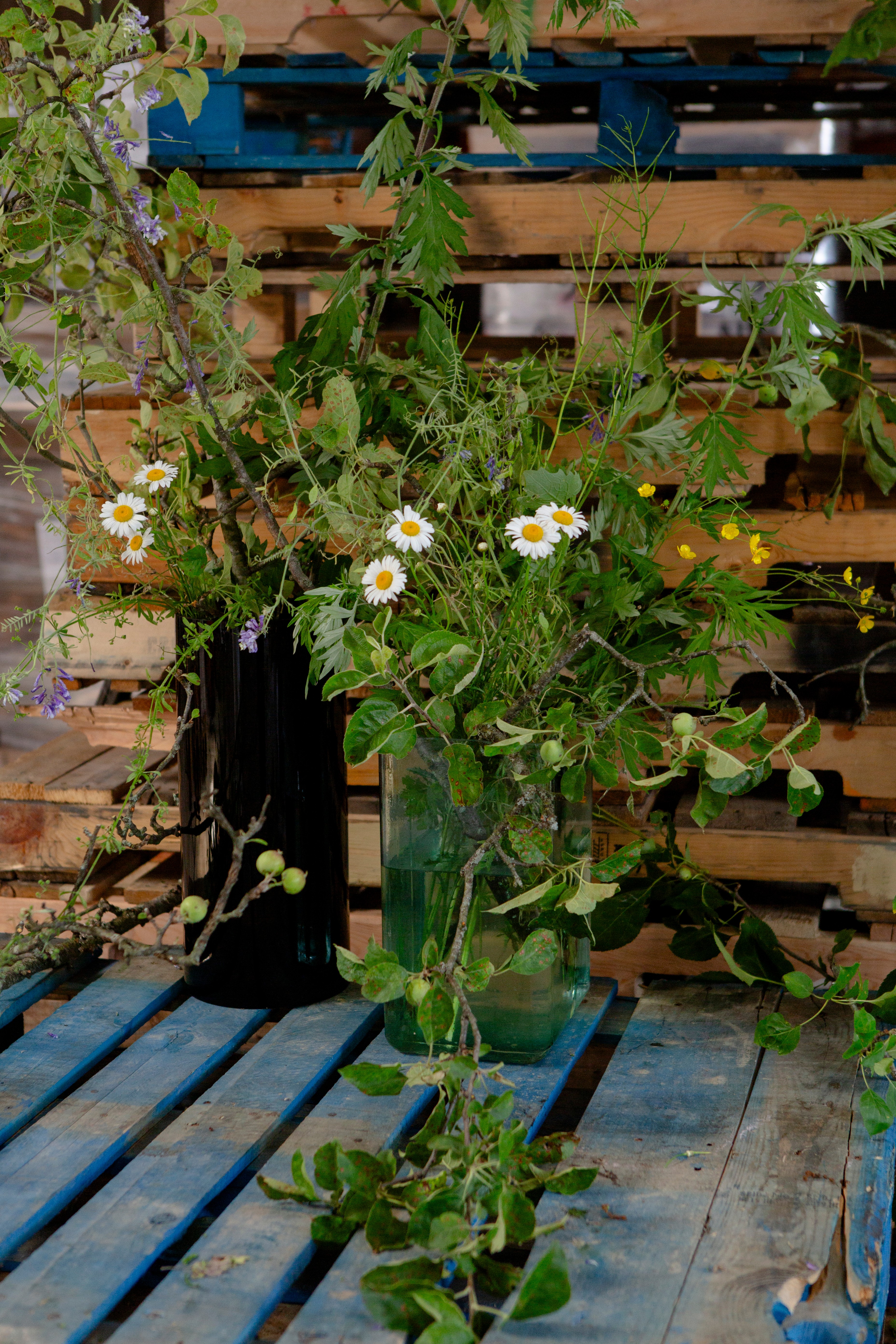
fig. ii, Interspersed throughout, a plethora of wildflowers added a softness of summer.
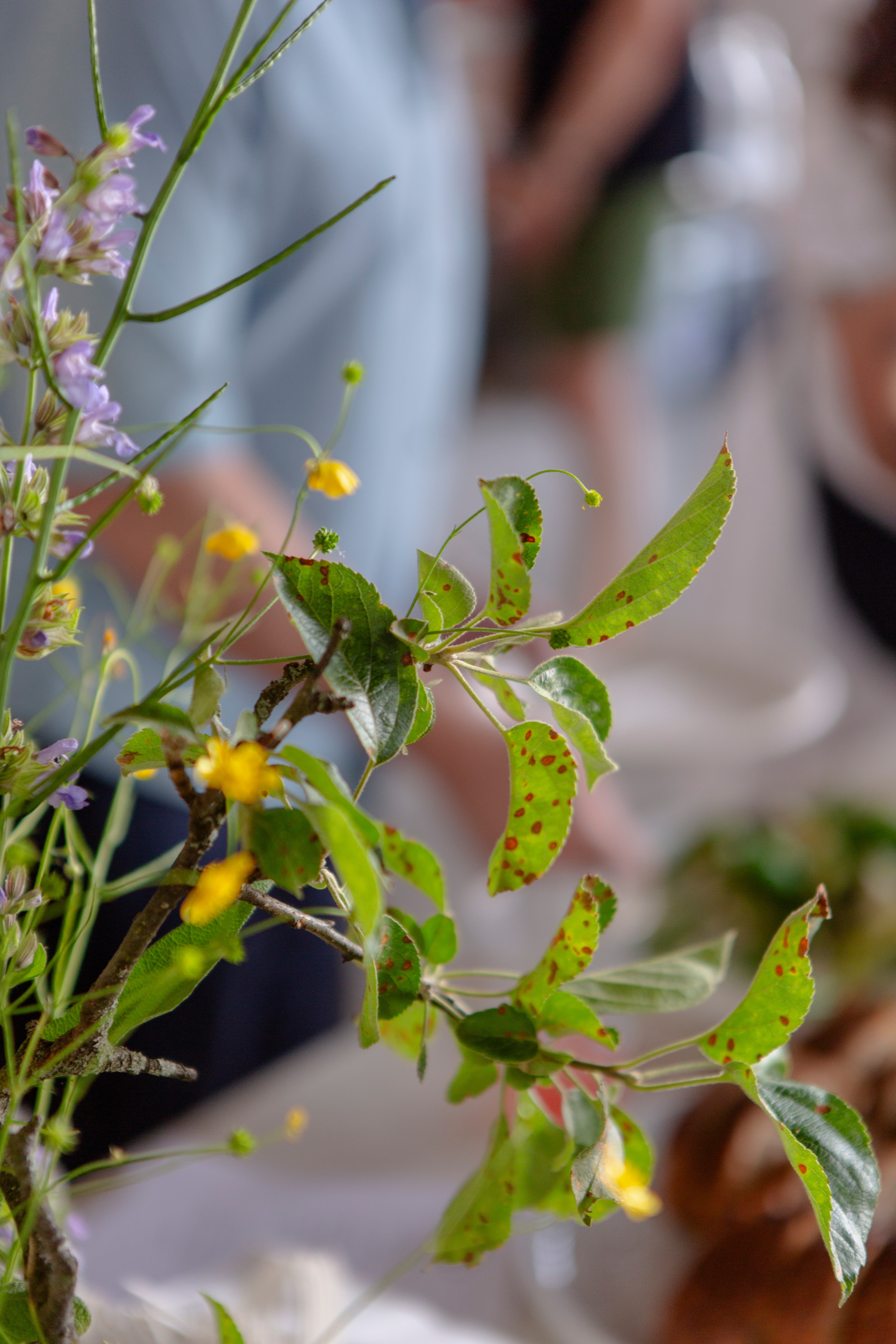
fig. iii, Mugwort, daisies and vetch.
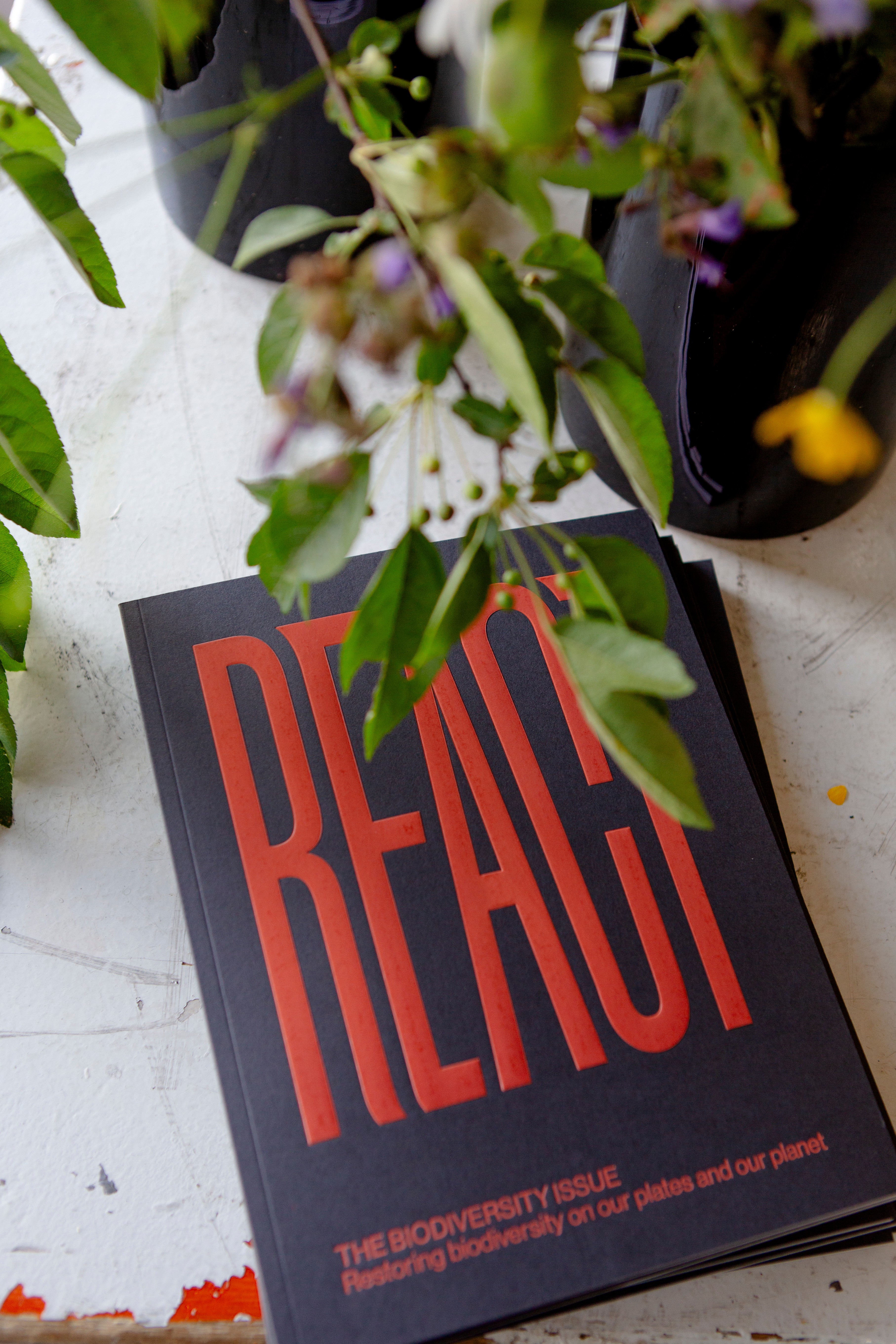
fig. IV, A copy of React a publication dedicated to exploring the fault-lines in our food sourcing.
fig. i, Dressing a tower of wooden factory palettes, twisting apple branches were carefully woven through each construction with hints of fruit braided throughout. Photo: Natoora
fig. ii, Interspersed throughout, a plethora of wildflowers added a softness of summer.
fig. iii, Mugwort, daisies and vetch.
fig. IV, A copy of React a publication dedicated to exploring the fault-lines in our food sourcing.
Natoora is a hands-on, international organization that — as they put it — “exists to fix the food system.”
In the summer of 2024, their founder Franco Fubini approached our studio for a three-fold partnership in tandem with the release of Natoora’s second issue of REACT[1], a philanthropic publication dedicated to exploring the fault-lines in our food sourcing.

[1] All profits from sales of REACT go straight to Farm Fund, an initiative raising money for the next generation of agroecological growers. BUY A COPY ↳
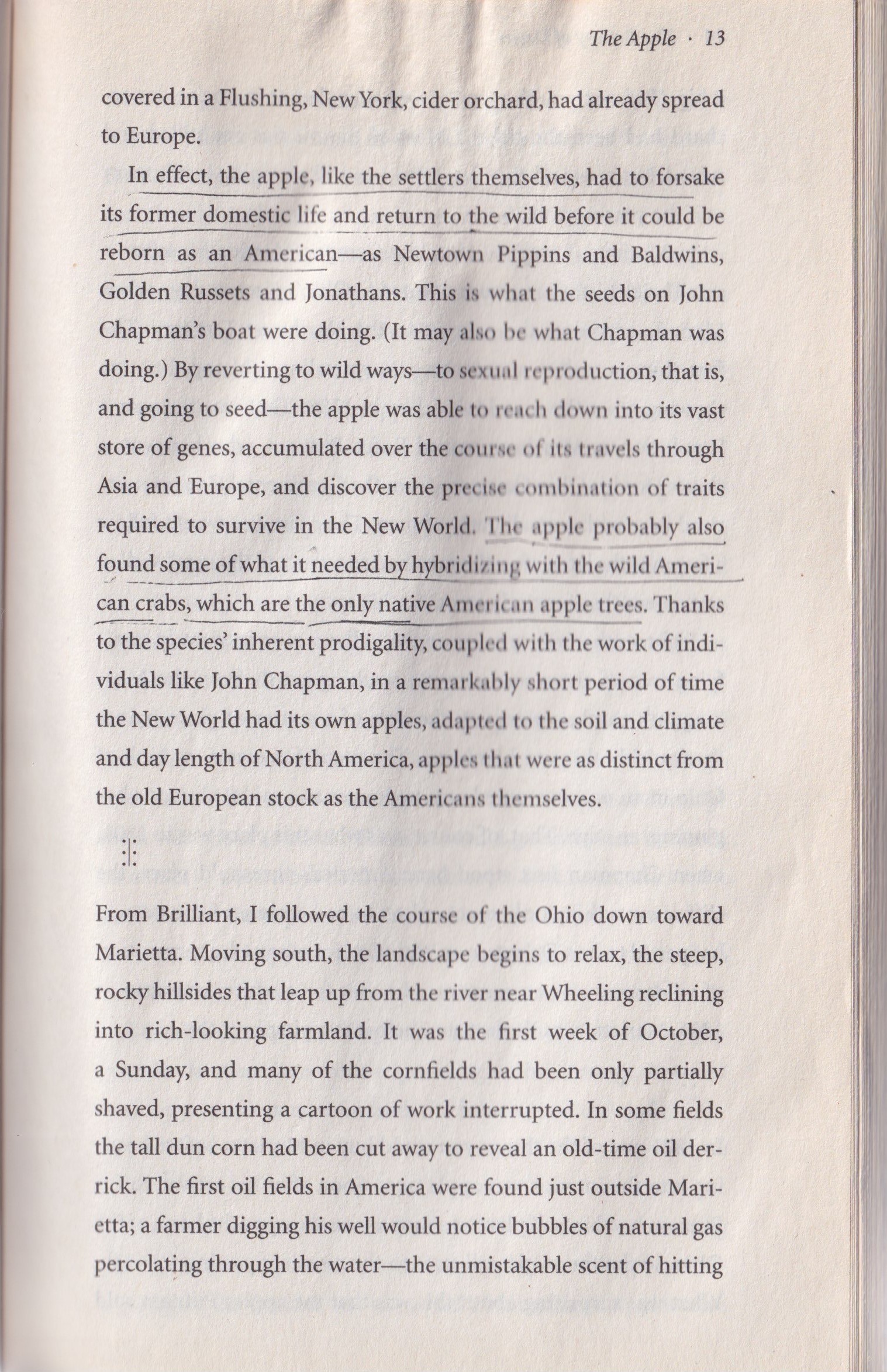
fig. I, On apples: a page from Michael Pollen's seminal book, Botany of Desire, underlined by Alex.
As part of this collaboration, we were asked to adorn a corner of Natoora’s Brooklyn warehouse with a floral intervention that complimented REACT’s theme of biodiversity. The key speaker for this event was William Mullan[2] , a photographer, the creator of Odd Apples, and the co-creator (with pomologist Matt Kaminsky of Gnarly Pippins) of the Pomological Series[3], a sister zine to William and Matt's Wild Apple Exhibition held in New England.
In considering the symbiotic relationships that fuel much of our foraging team’s efforts, we instantly thought to tap in one of our most trusted collaborators, Nicole of Spadaflora, who was able to locate a local New Jersey orchard that was in desperate need of an apple tree pruning.

[2], “Urban apple expert” William Mullan at work in the city. Photo: Jutharat Pinyodoonyachet.

[3] The cover of the third volume of William and Matt's Pomological Series which gloriously exposes the world of misfit apples that exists right under all of our noses. A must read. Must devour.
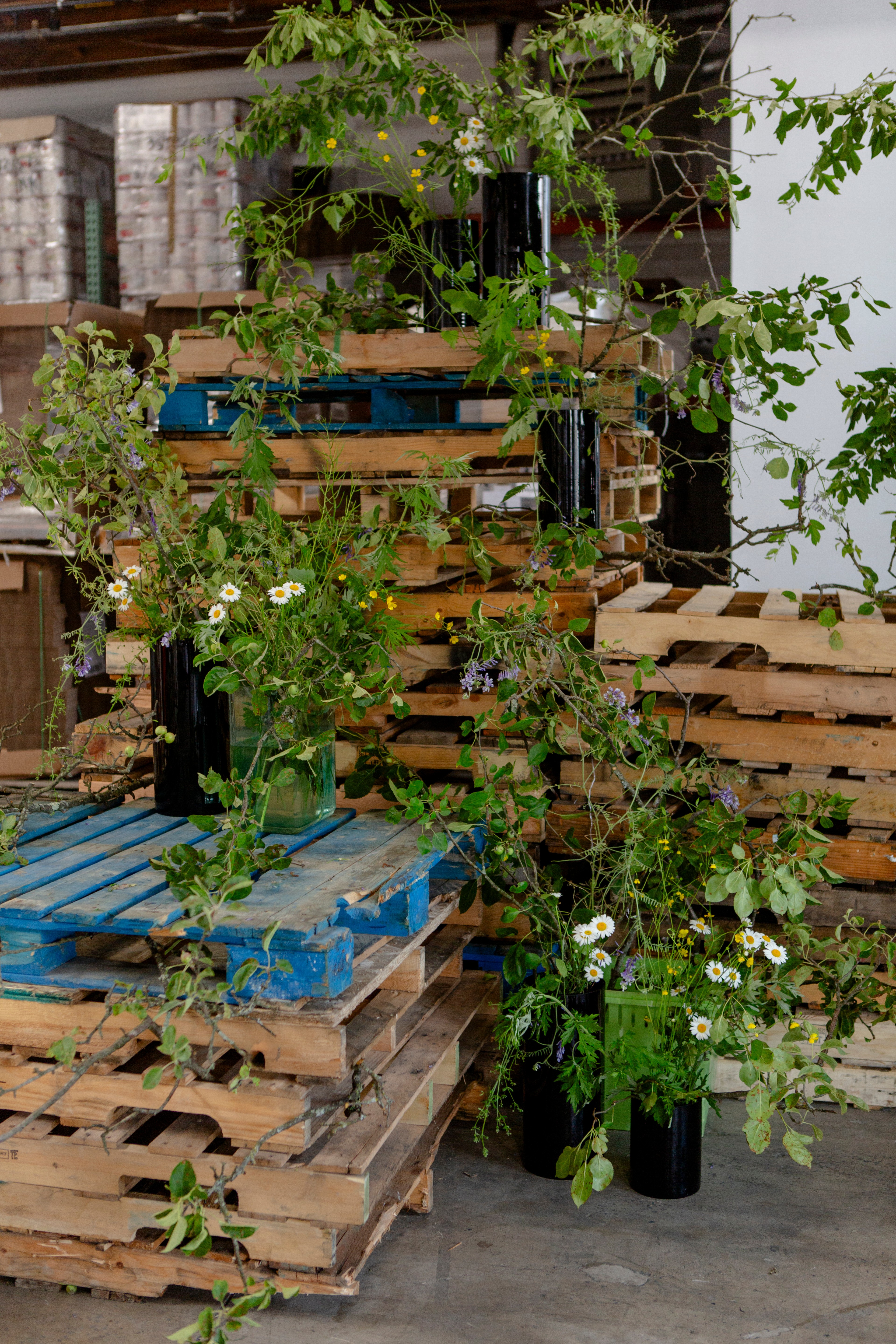
Fig II, Twisting apple branches were woven through each construction of weathered wood palettes in Natoora's processing facility in Brooklyn.
The standout element of this intervention was our ability to reframe this floral activation, not as something purely pleasing to the eye, but as an environmentally equitable solution to a farmer’s problem.
Dressing a tower of wooden factory palettes, twisting apple branches were carefully woven through each construction of weathered wood, offering the raw architecture of man-made and nature-made side by side, with hints of fruit. Interspersed throughout, a plethora of wildflowers like daisies, mugwort and vetch, added a softness of late spring.
The beauty of this concept followed these prompts:
Why is biodiversity important? How can we restore it, both alone and together? And what does a healthy food and floral future look like?
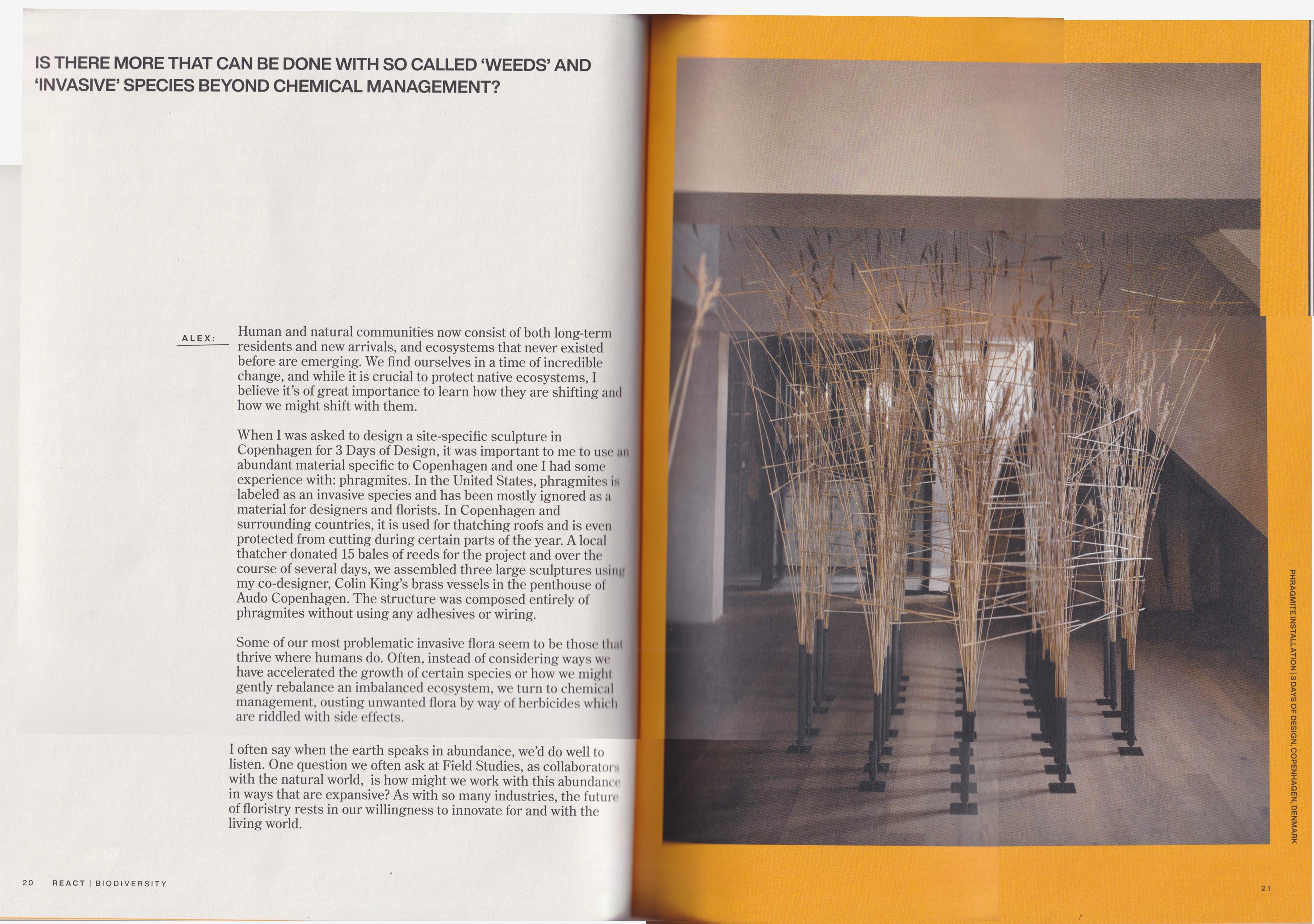
Fig. iiI, An excerpt from the issue reads: "Human and natural communities now consist of both long-term residents and new arrivals, and ecosystems that never existed before are emerging. We find ourselves in a time of incredible change, and while it is crucial to protect native ecosystems, I believe it’s of great importance to learn how they are shifting and how we might shift with them."
Pairing with our intervention in the Natoora space, our founder Alex contributed an essay on these subjects to REACT entitled “Spaces For Unwanted Species.” In this piece, she wrote about the slippery concept of “weeds,” and the critical choices we have to make around what we choose to do with them in order to move gracefully into the unknown of what comes next. Below is her contribution in full:
Human and natural communities now consist of both long-term residents and new arrivals, and ecosystems that never existed before are emerging. We find ourselves in a time of incredible change, and while it is crucial to protect native ecosystems, I believe it's of great importance to learn how they are shifting and how we might shift with them.
When I was asked to design a site-specific sculpture in Copenhagen for 3 Days of Design, it was important to me to use an abundant material specific to Copenhagen and one I had some experience with: phragmites. In the United States, phragmites is labeled as an invasive species and has been mostly ignored as a material for designers and florists. In Copenhagen and surrounding countries, it is used for thatching roofs and is even protected from cutting during certain parts of the year. A local thatcher donated 15 bales of reeds for the project and over the course of several days, we assembled three large sculptures using my co-designer, Colin King's brass vessels in the penthouse of Audo Copenhagen. The structure was composed entirely of phragmites without using any adhesives or wiring.
Some of our most problematic invasive flora seem to be those that thrive where humans do. Often, instead of considering ways we have accelerated the growth of certain species or how we might gently rebalance an imbalanced ecosystem, we turn to chemical management, ousting unwanted flora by way of herbicides which are riddled with side effects.
I often say when the earth speaks in abundance, we'd do well to listen. One question we often ask at Field Studies, as collaborators with the natural world, is how might we work with this abundance in ways that are expansive? As with so many industries, the future of floristry rests in our willingness to innovate for and with the living world
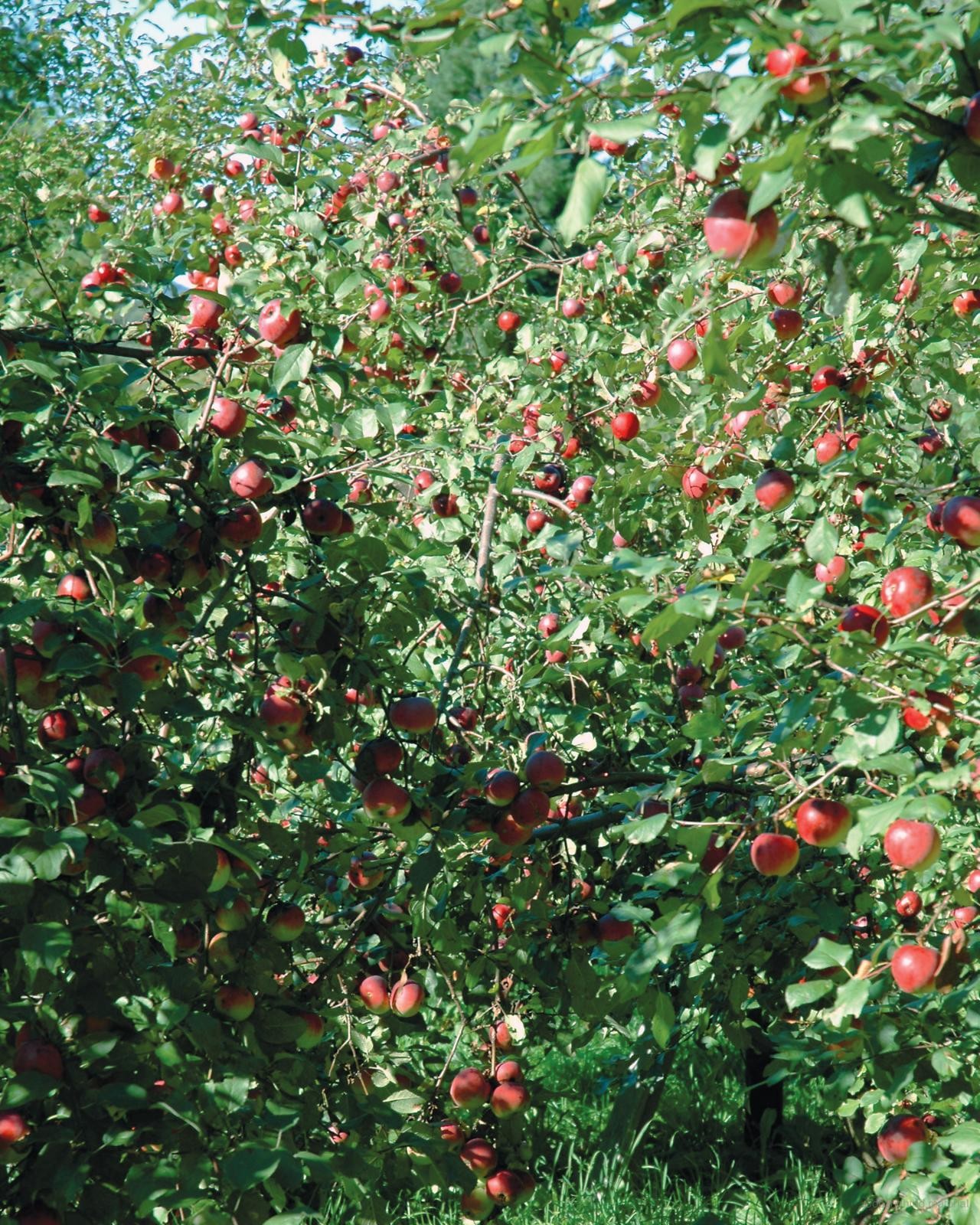
[3] A point of reference on apples from our bookshelf is The Apple Grower: A Guide for the Organic Orchardist By Michael Phillips, published in 2005.
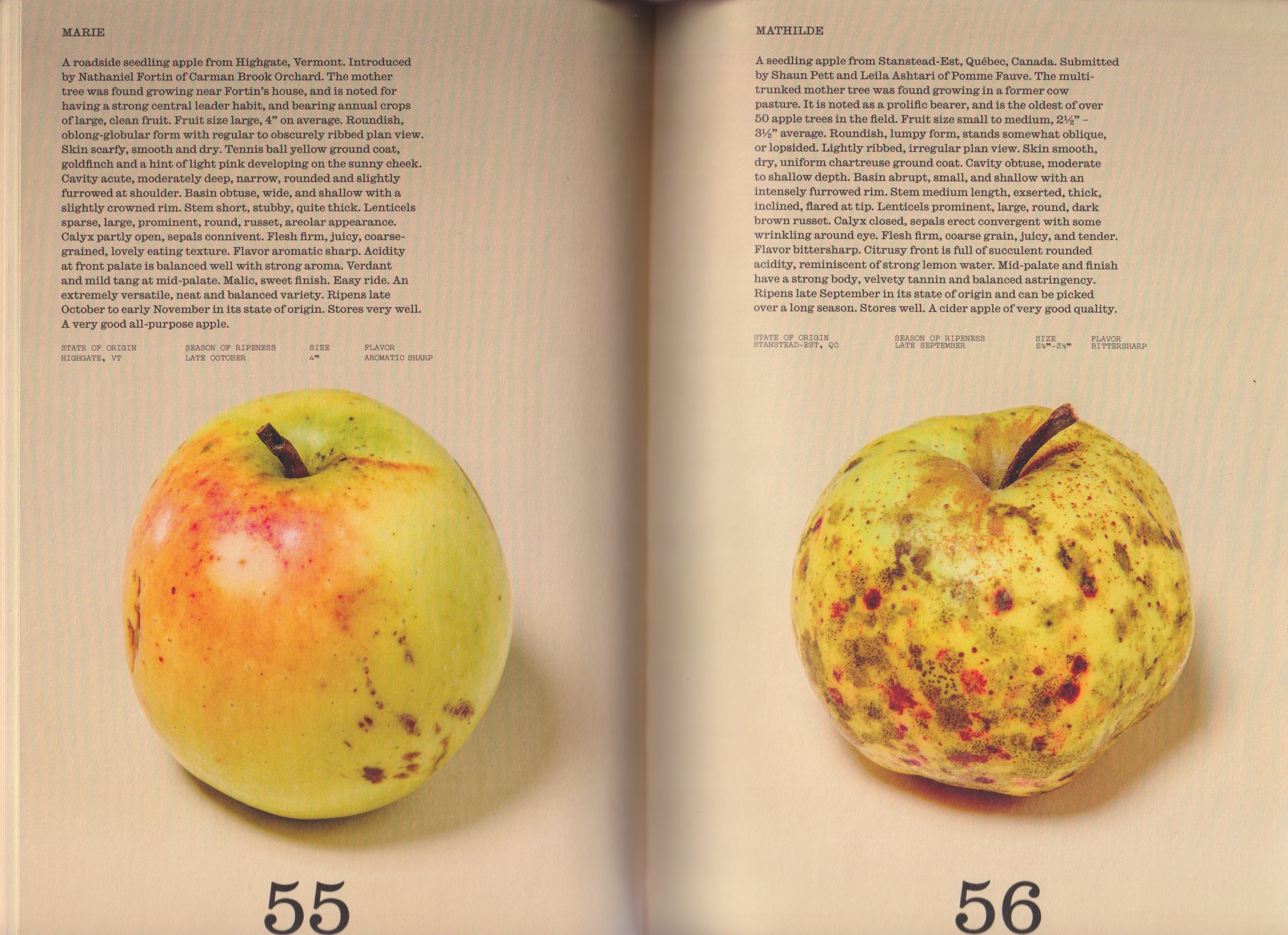
Fig III, Two oddball apple varieties, spotted and presumably delicious, from William's apple zine. Scanned in from our studio Library.
Throughout the issue at large, farmers, chefs, and artists offered their insights into subjects that touch every single person on this planet. Proudly, we were the first floral studio invited to contribute to the publication.
Along with the event's floral decor and Alex's contribution to React we were also invited to give a 15 minute presentation to an audience of chefs and food system disruptors, explaining how we how biodiversity is seeded into the Field Studies practice, forging alliances with those we often look to in the Farm to Table movement for inspiration in our own movement building. The path forward is one of collaboration.
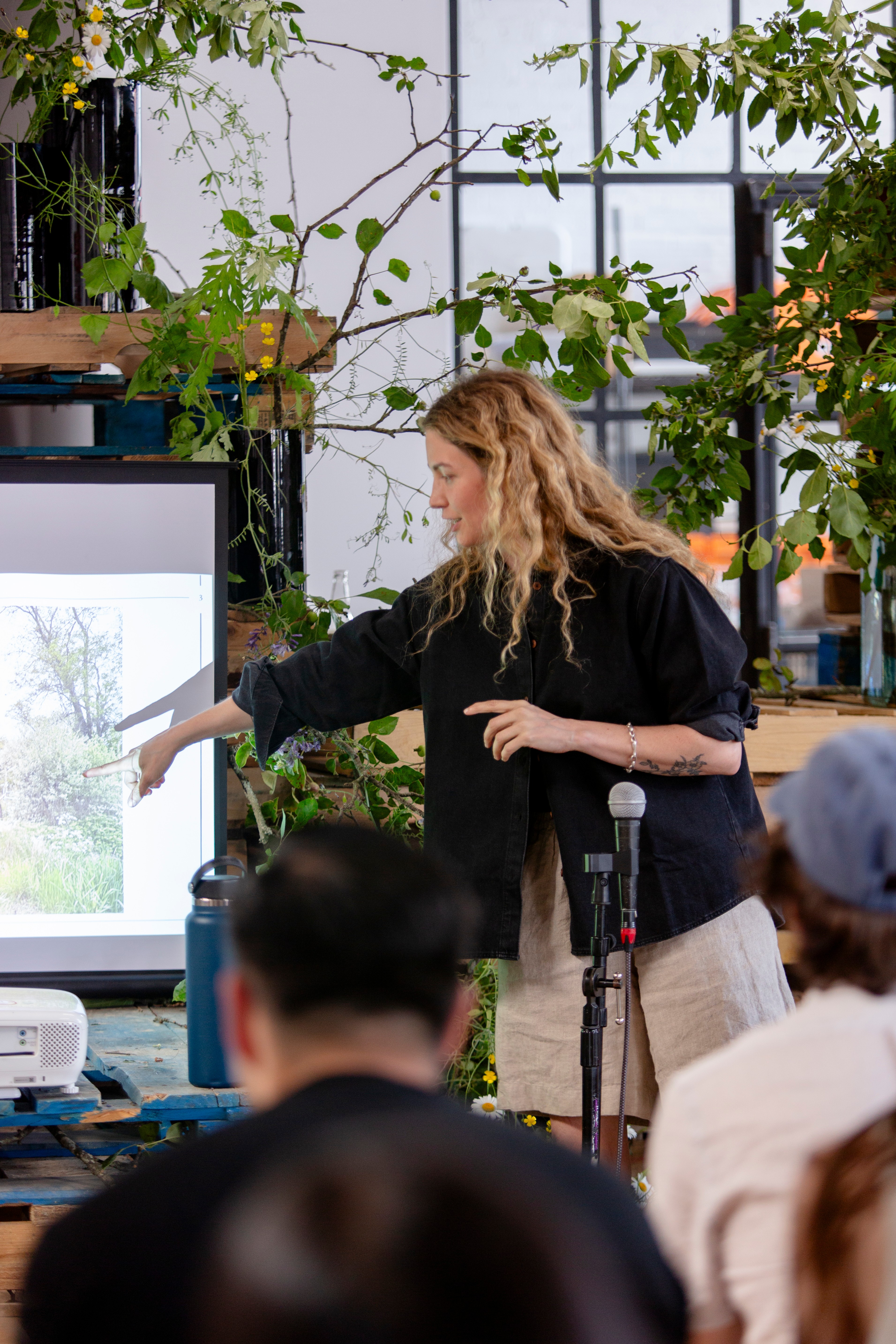
FIG. VI, At the start of this event, our founder Alex presented the prompts of the day in question through a brief 15 minute overview of how biodiversity is seeded into the Field Studies practice.
Elements (5)
View Index
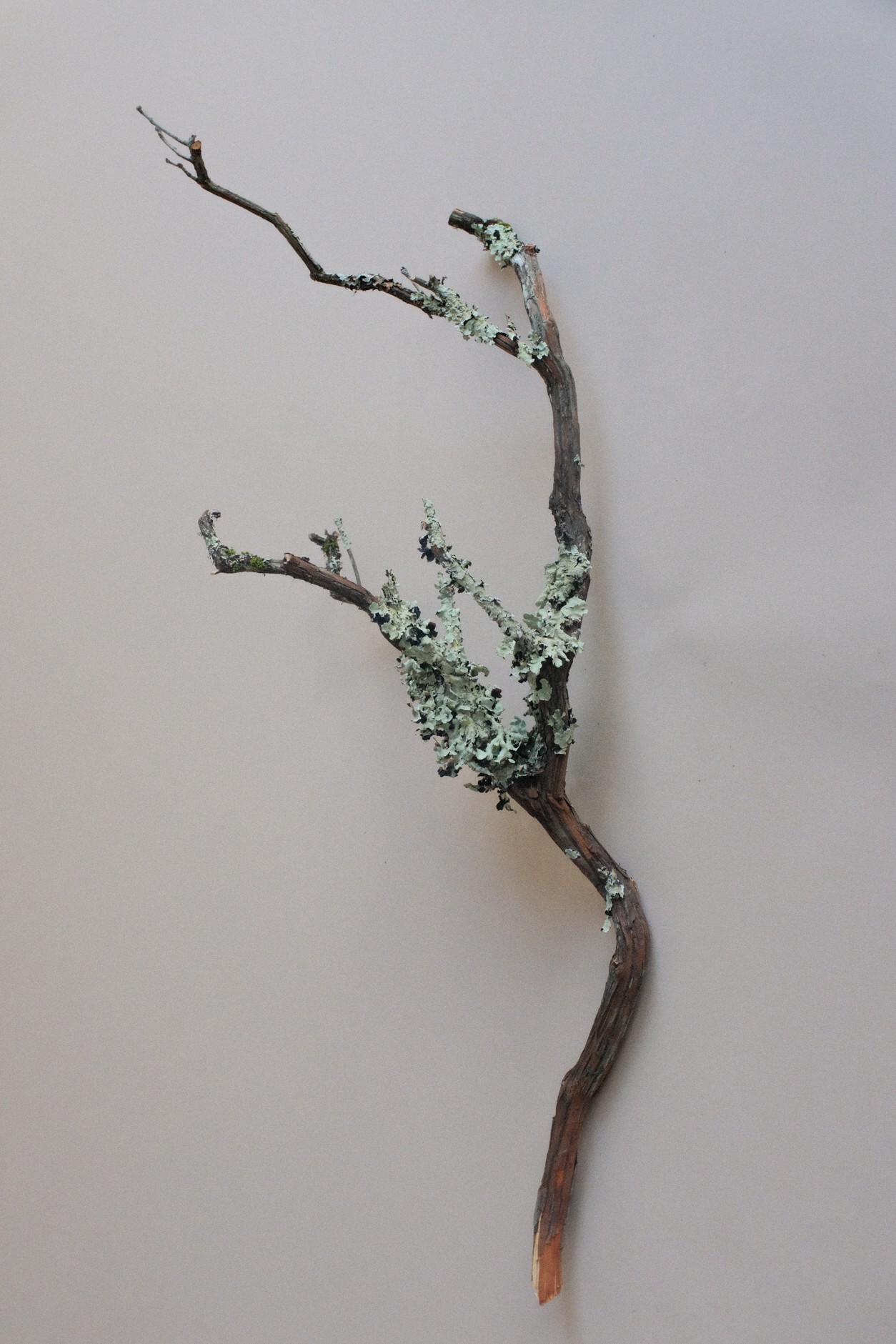
Branches by far are our most adored material to work with. Dressed in a variety of styles: blossoms, leaves, lichen, moss, vines or completely bare, they each present unbound opportunities for use. Generally most branches have at least a week-long vase life. And we have become known for using them in our oning interior accounts as a replacement to potted trees that require more care and attention to sustain. Our most favorite amongst them all is Mountain Laurel.
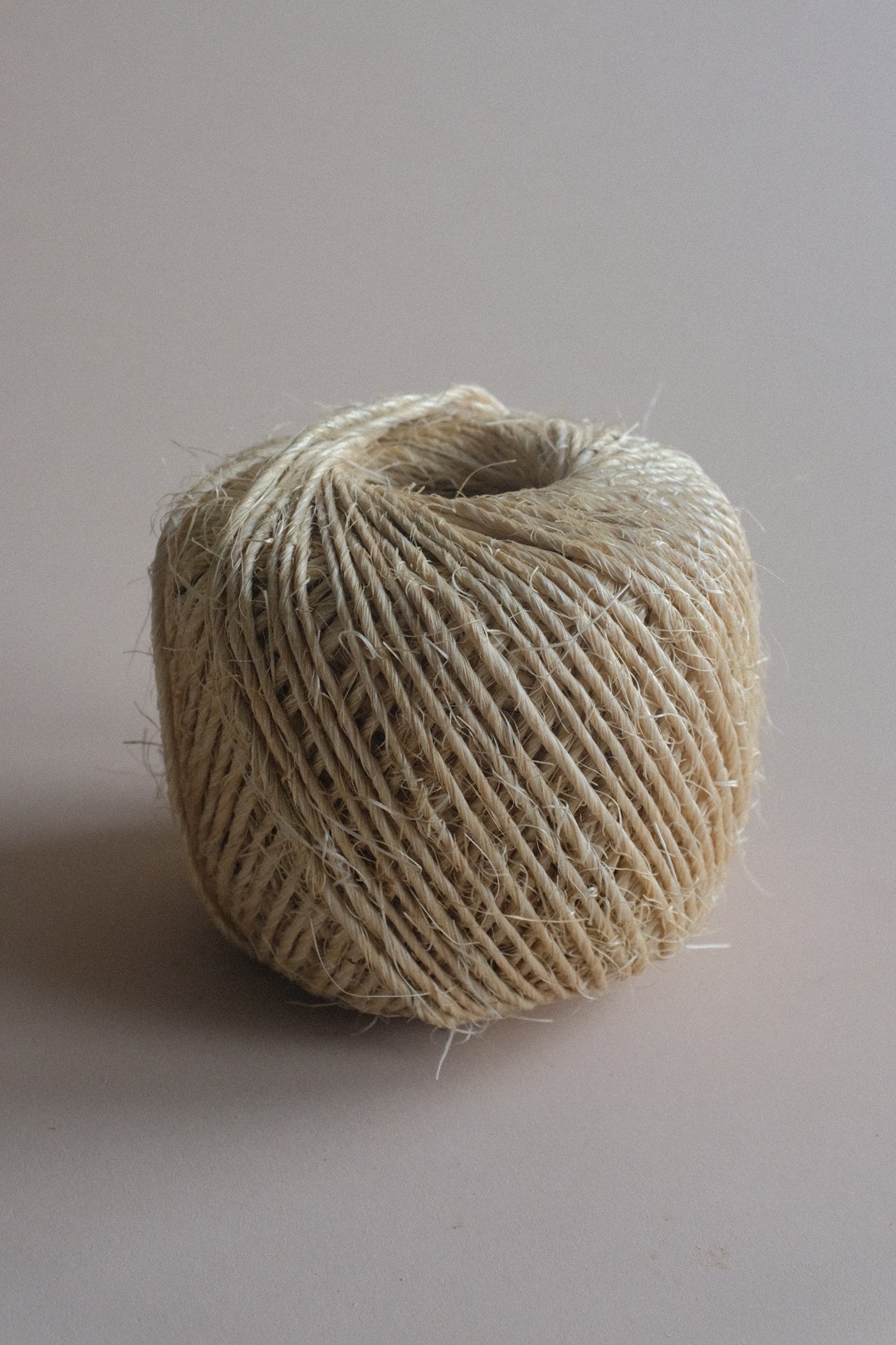
Sisal twine, made from the fibers of the Agave sisalana plant, has a history rooted in pre-Columbian Central America, where the Aztecs and Mayans used it for ropes. In our work, we use it for nearly the same reason, tying flowers into place.
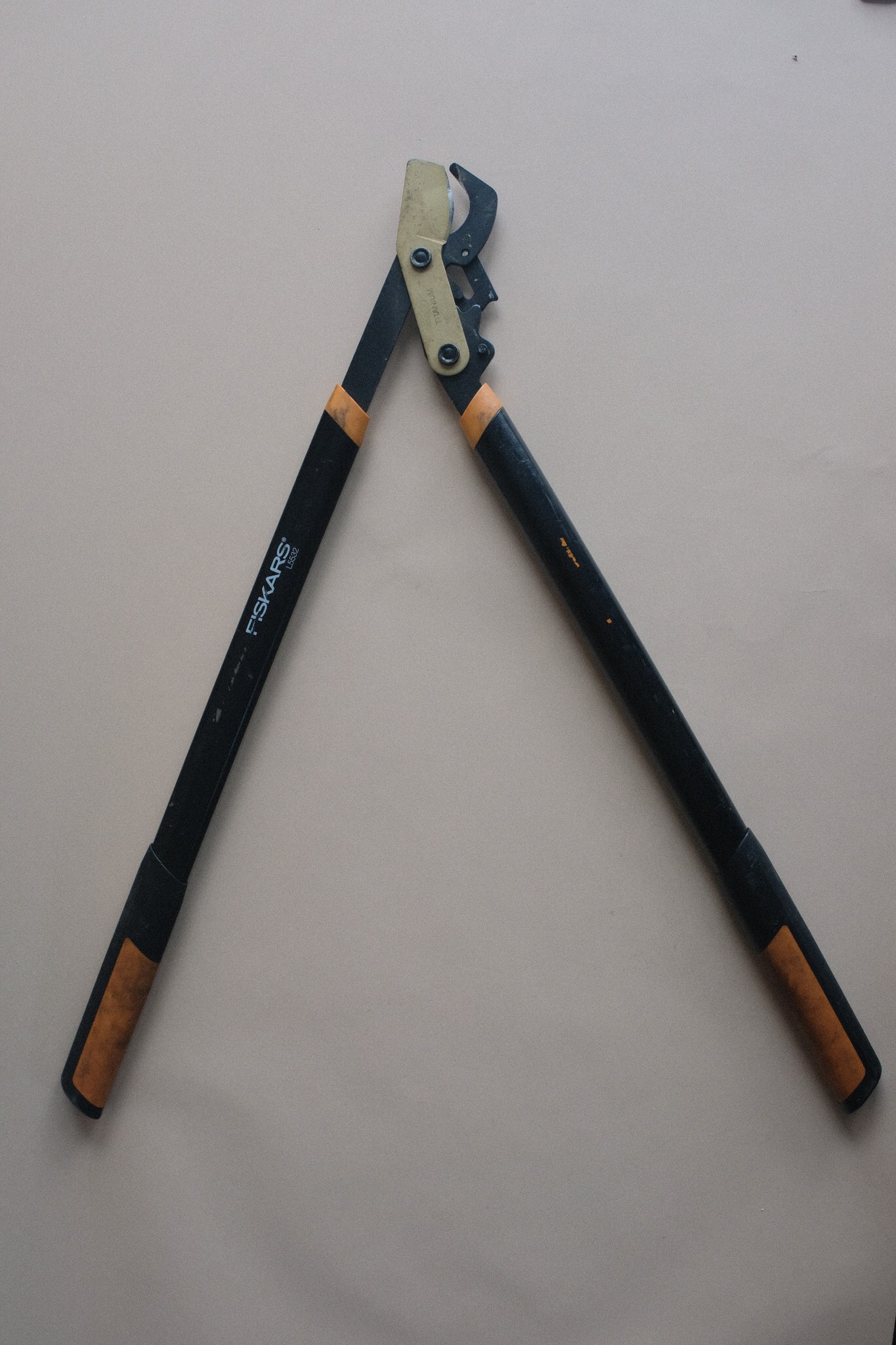
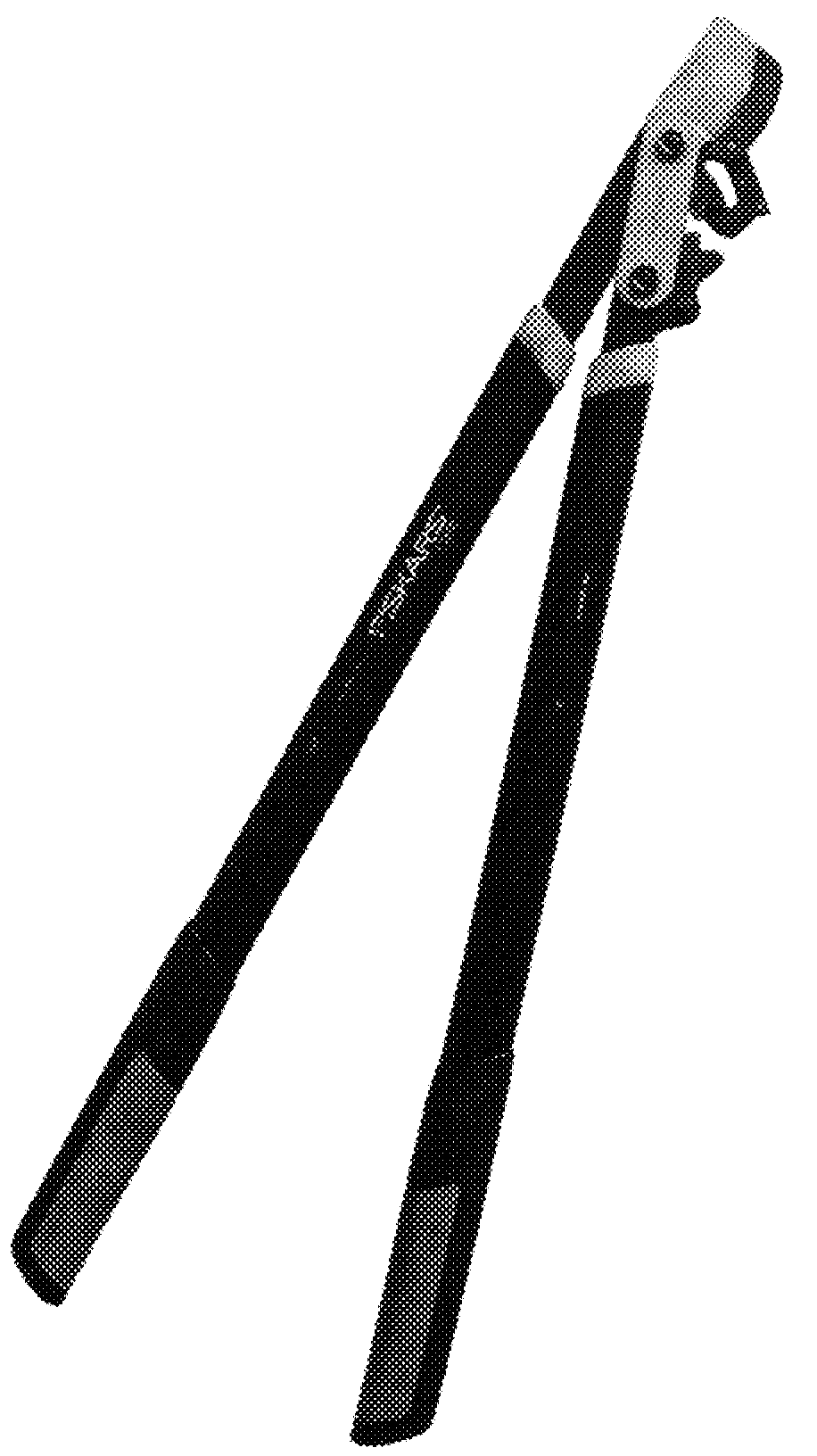
Another tool for smooth and easy pruning, loppers allow us to cut back thick and woody branches like Magnolia and Mountain laurel that are impenetrable with our other tools.
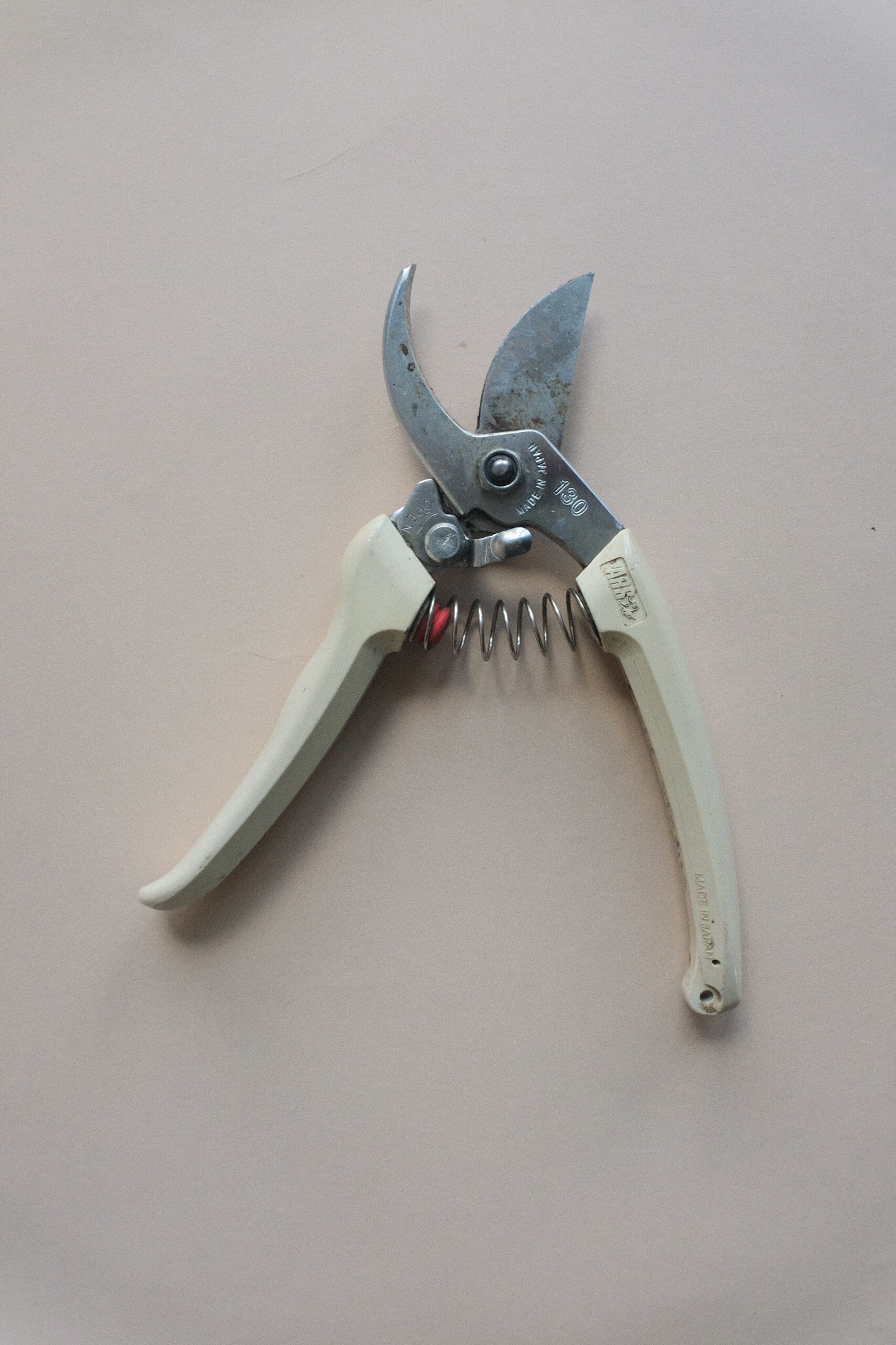
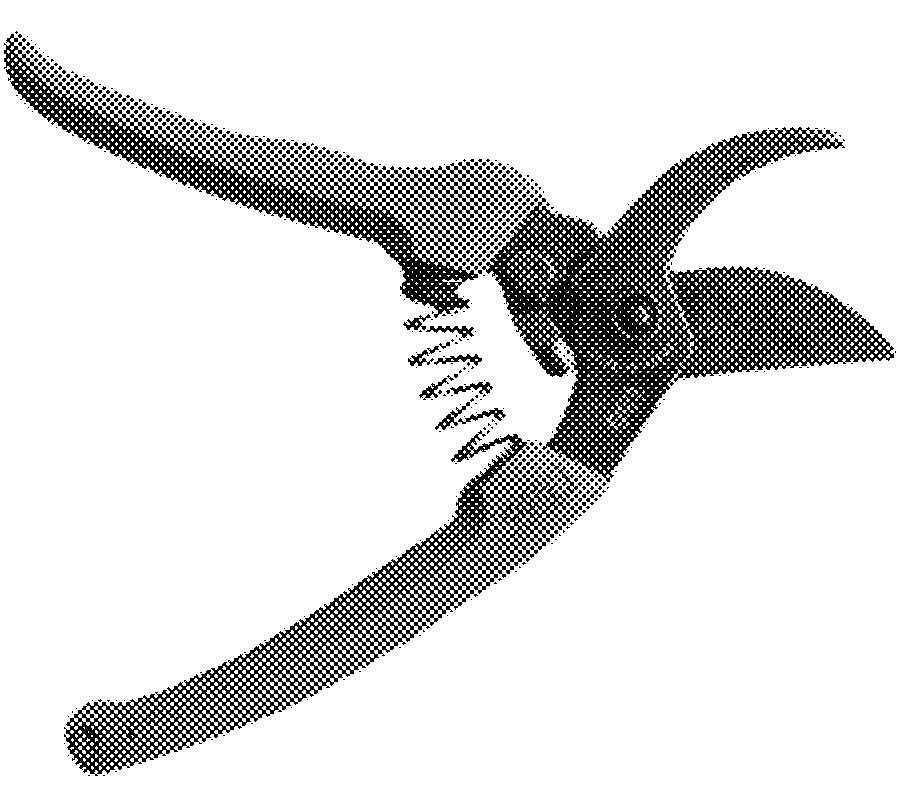
Lightweight and low-fuss, a basic pair of shears could be used hundreds of times a day in the studio or on-site. Perfect for trimming twigs and medium-sized stems, we use our shears not just for stylistic arranging, but to protect flowers when cutting them to ensure that their ends remain open to water intake and we find that these ars shears are the most durable and comfortable in our hands.
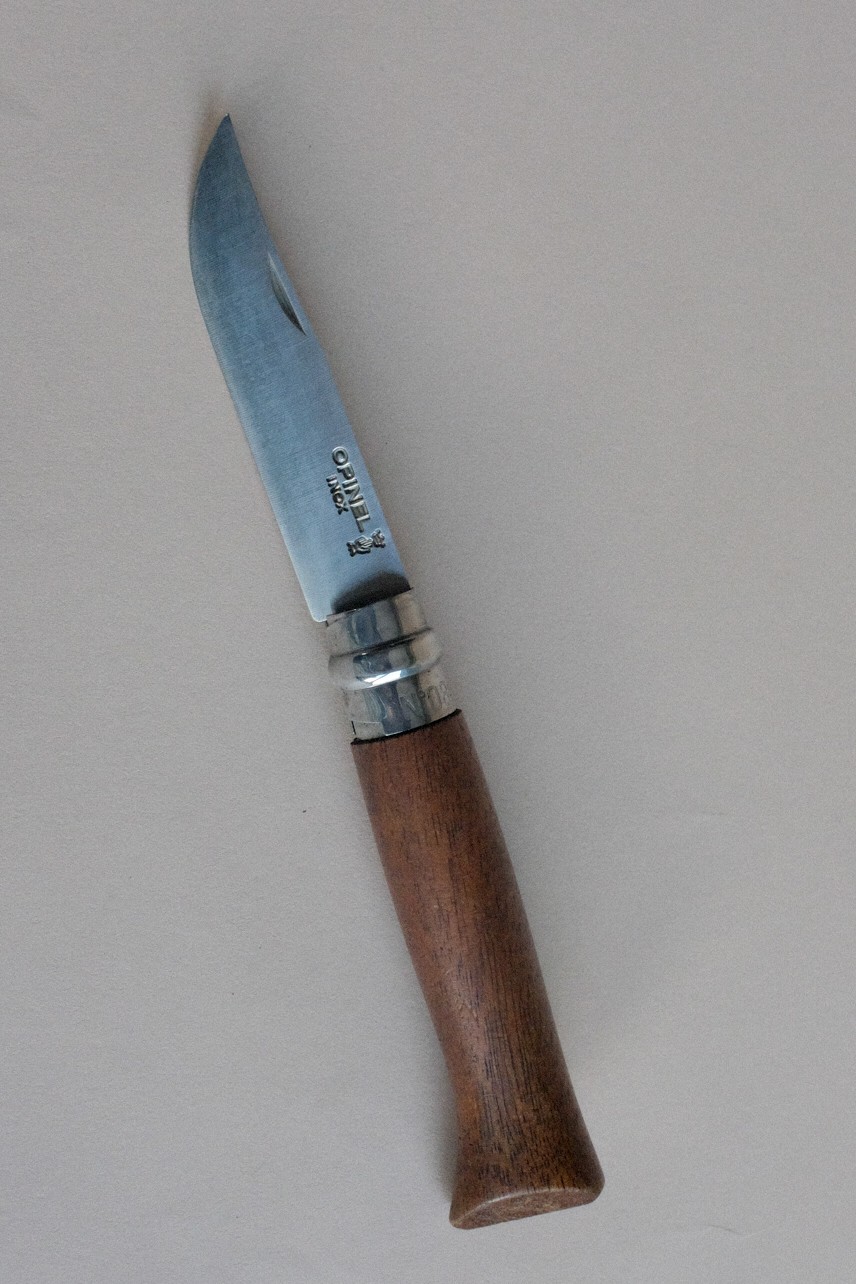
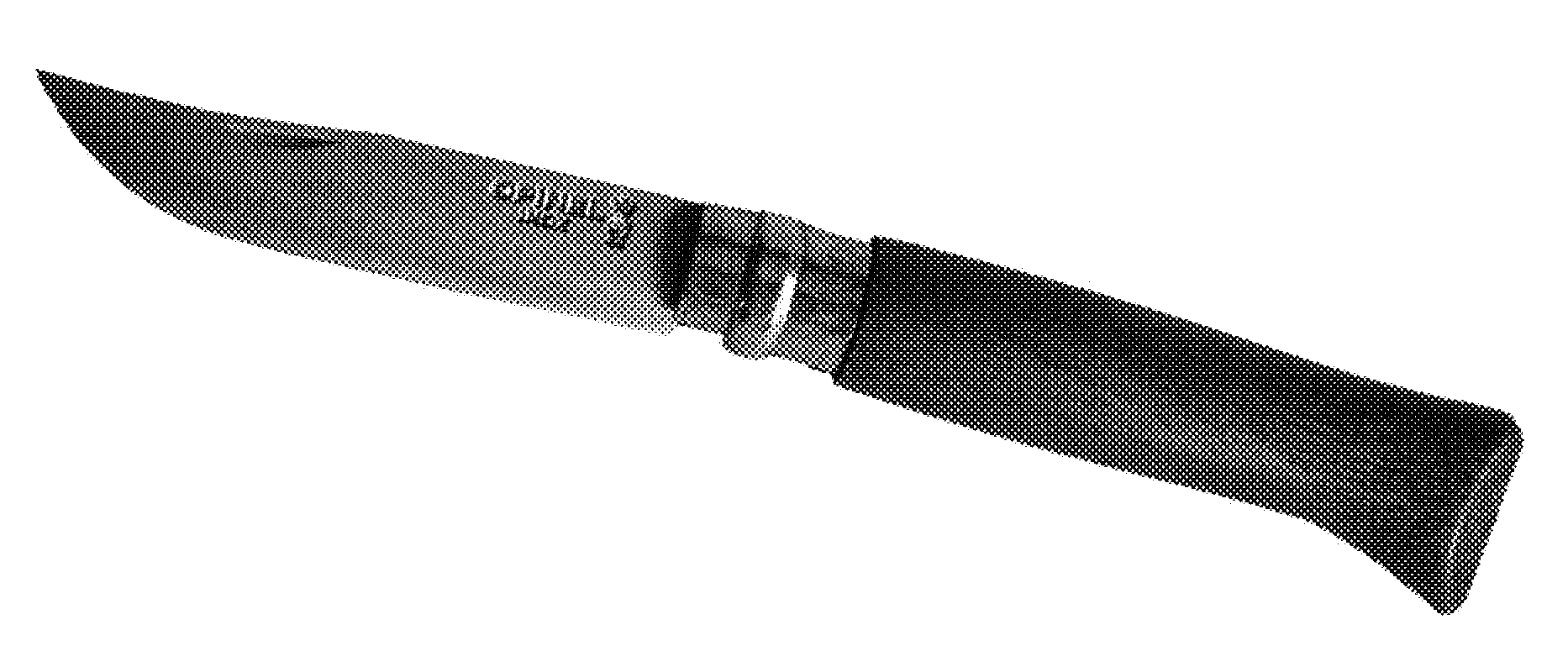
A florist without tools is like a flower without water. You’d be hard-pressed to find our founder Alex Crowder without her go-to folding knife, Opinel No. 8. A classic, these knives have been hand-crafted in France since 1890. As the makers put it, this blade is perfect for everything from “sharpening your pencils to pruning your roses.”
Archive
Archive
Vibrant tiger lillies and blueberry branches. Photo: Alyona Kuzmina.
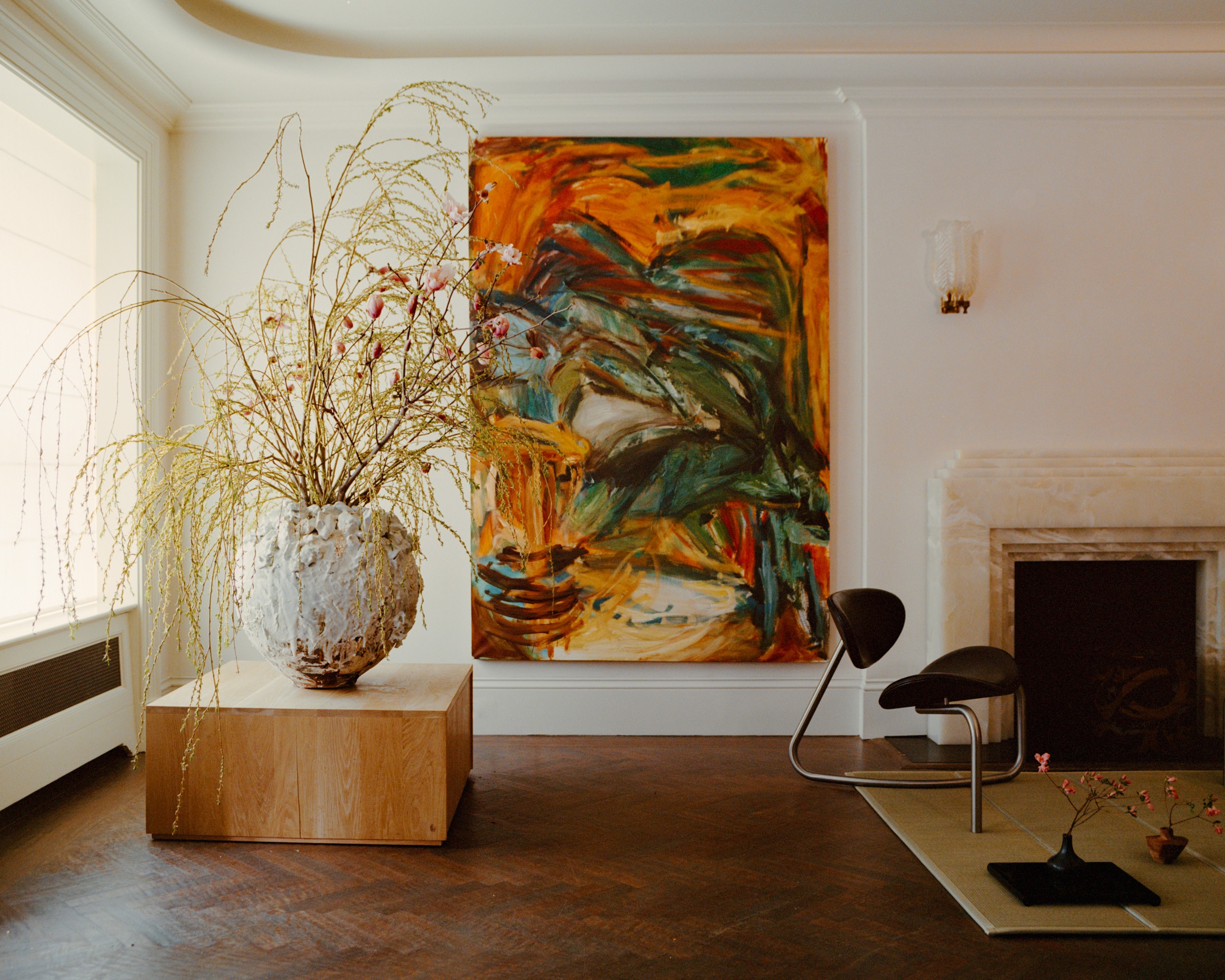
Magnolia, weeping willow and azalea buds inside of a tranquil space designed by Rob Johansen and photographed by William Jess Laird.
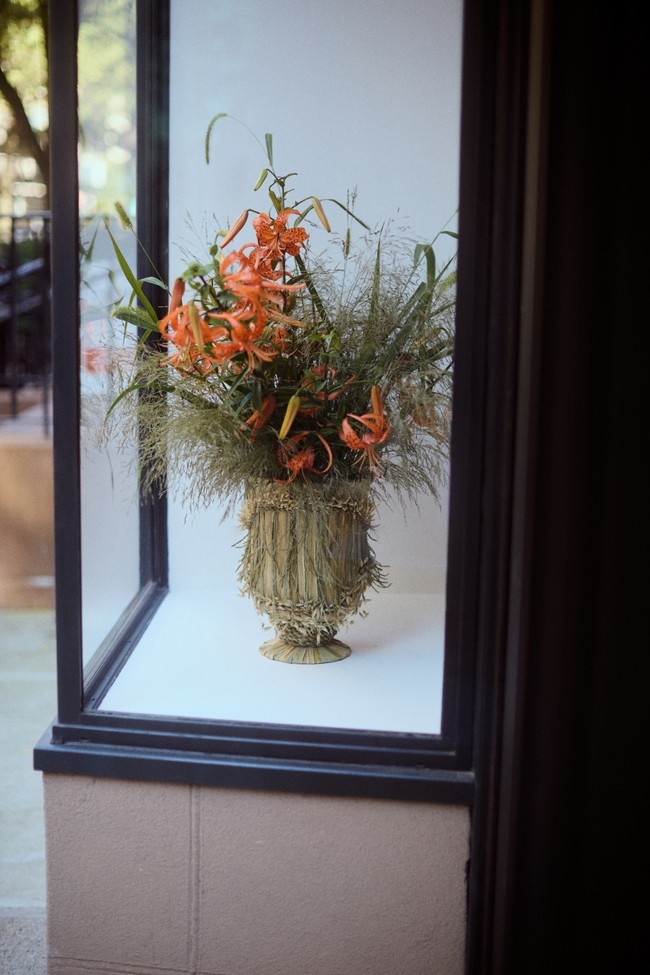
Orange tiger lilies in a subtle yet significant vessel in the back room of Somerset House. Photo: Marco Galloway
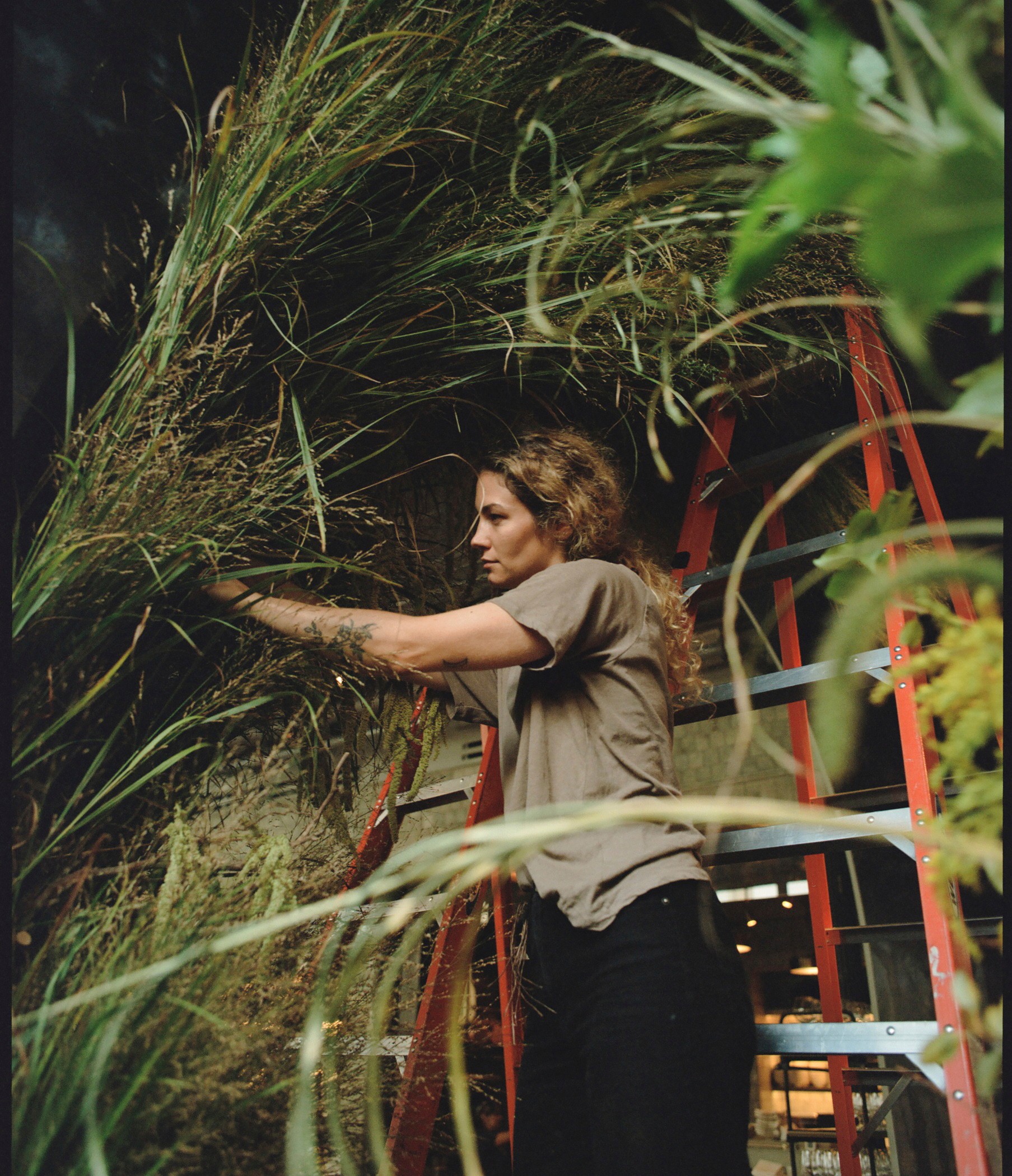
The archway at Roman & Williams, adorned in late summer’s finest foraged greens. A slurry of grasses were nestled into an armature of mountain laurel and garnished with long green-bean-looking catalpa pods to create this vertical meadow of fringe which crawls 14 feet up the wall and arcs over guest below. Photo: Austin Sandhaus
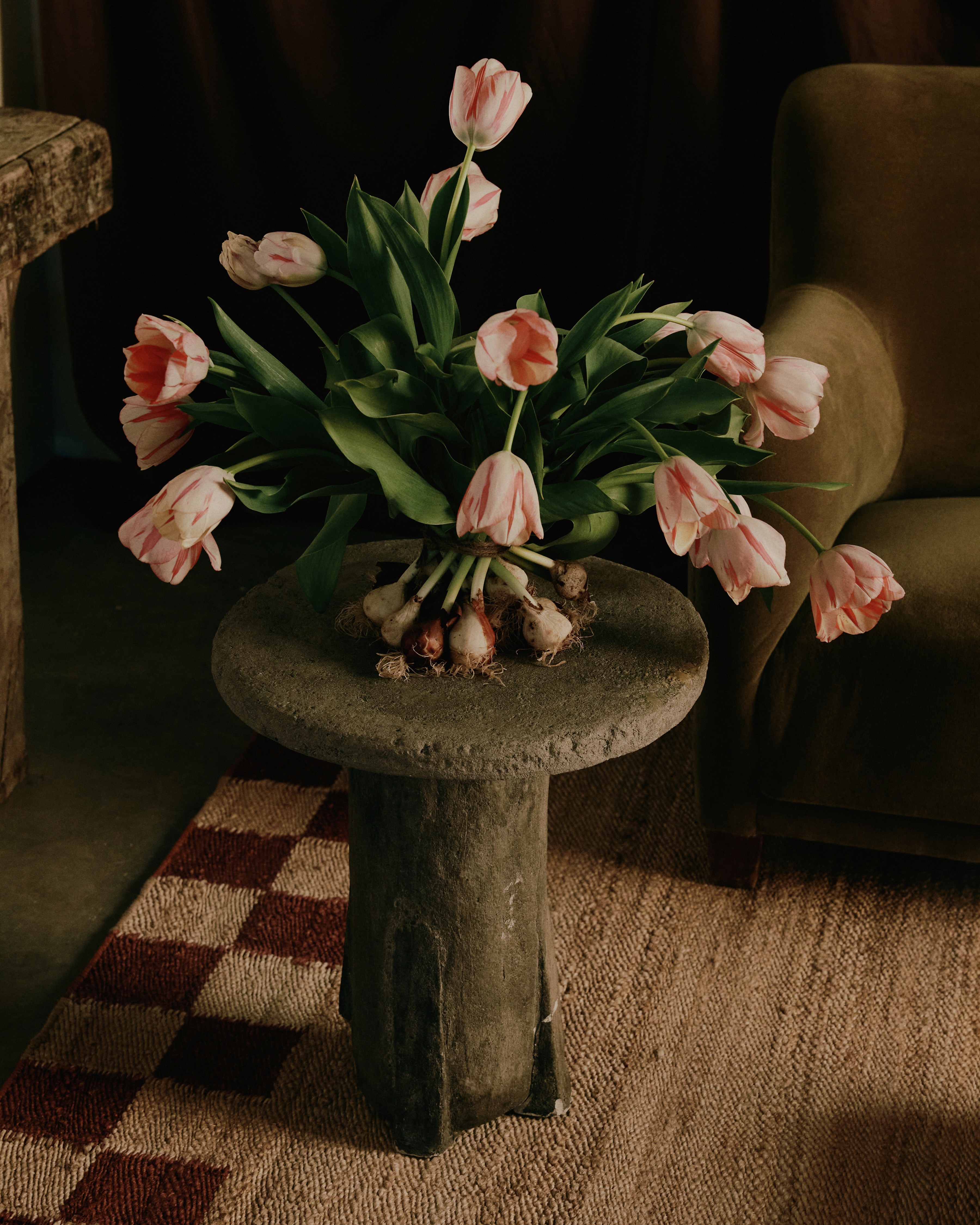
Tulip season for Nordic Knots shot and styled at Galerie Was. Photo: William Jess Laird
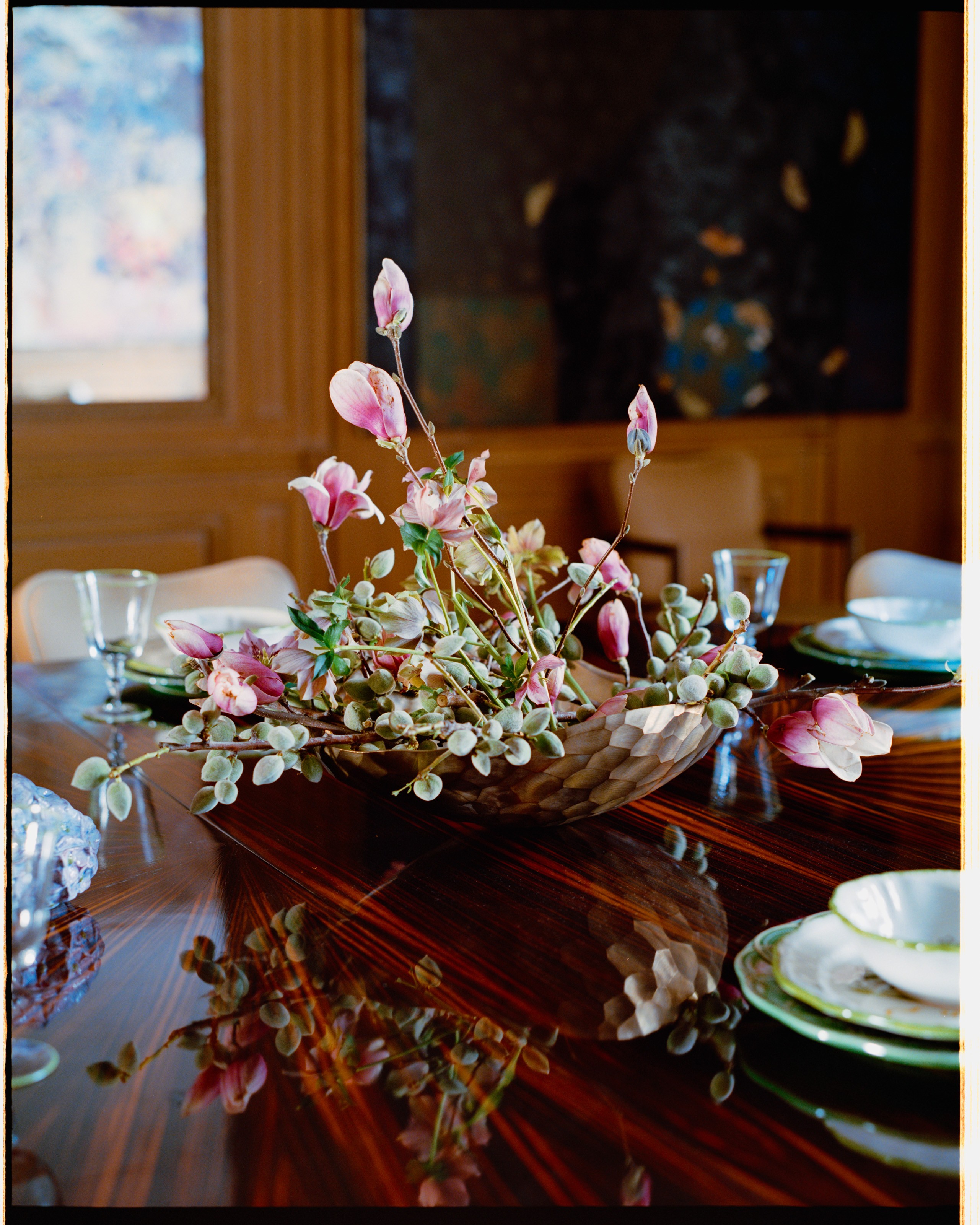
Magnolia, hellebores and almond husks inside of a garden-inspired dining space designed by Rob Johansen.Photo: William Jess Laird.
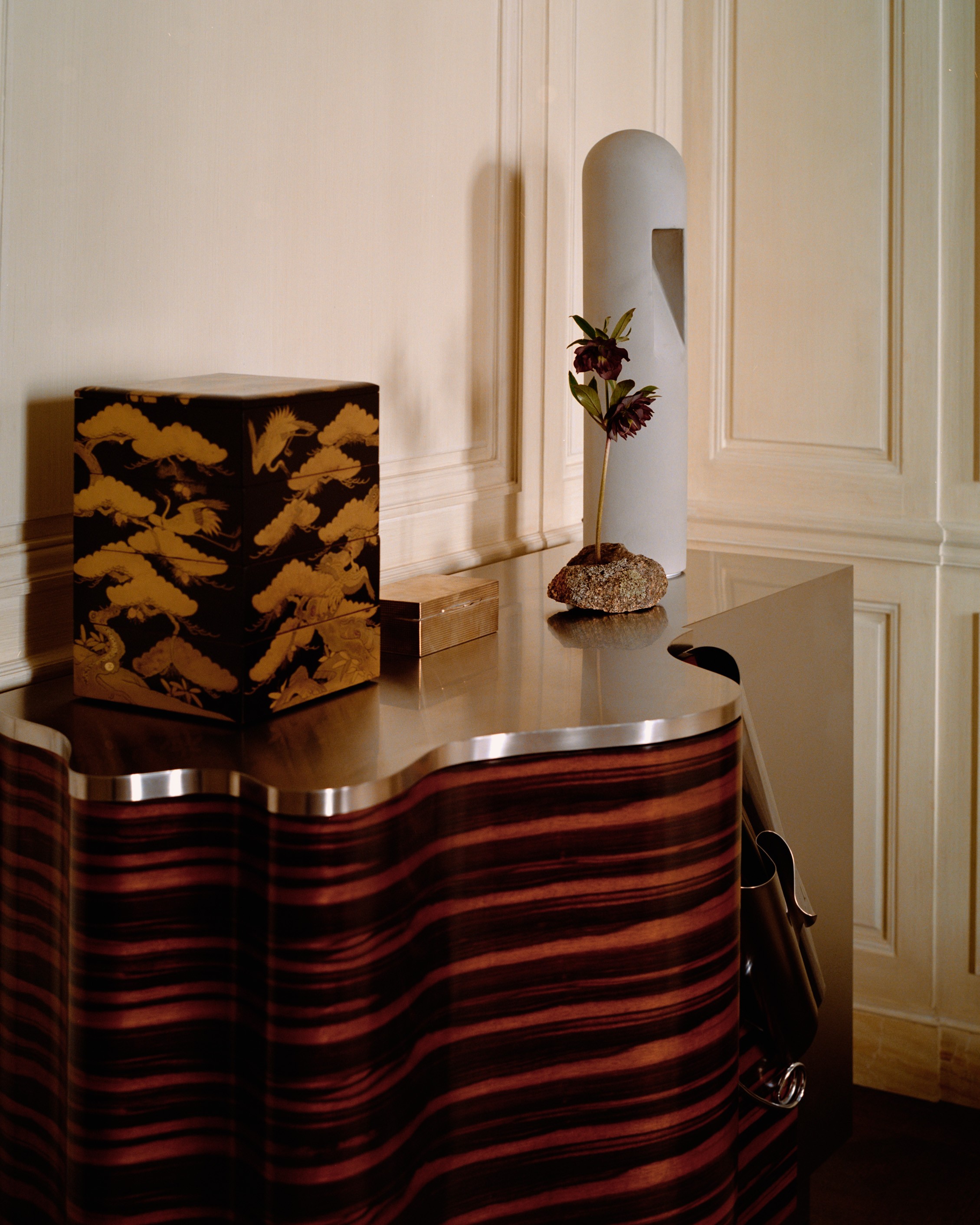
A single Hellebore stem inside of an apartment designed by Rob Johansen.Photo: William Jess Laird.
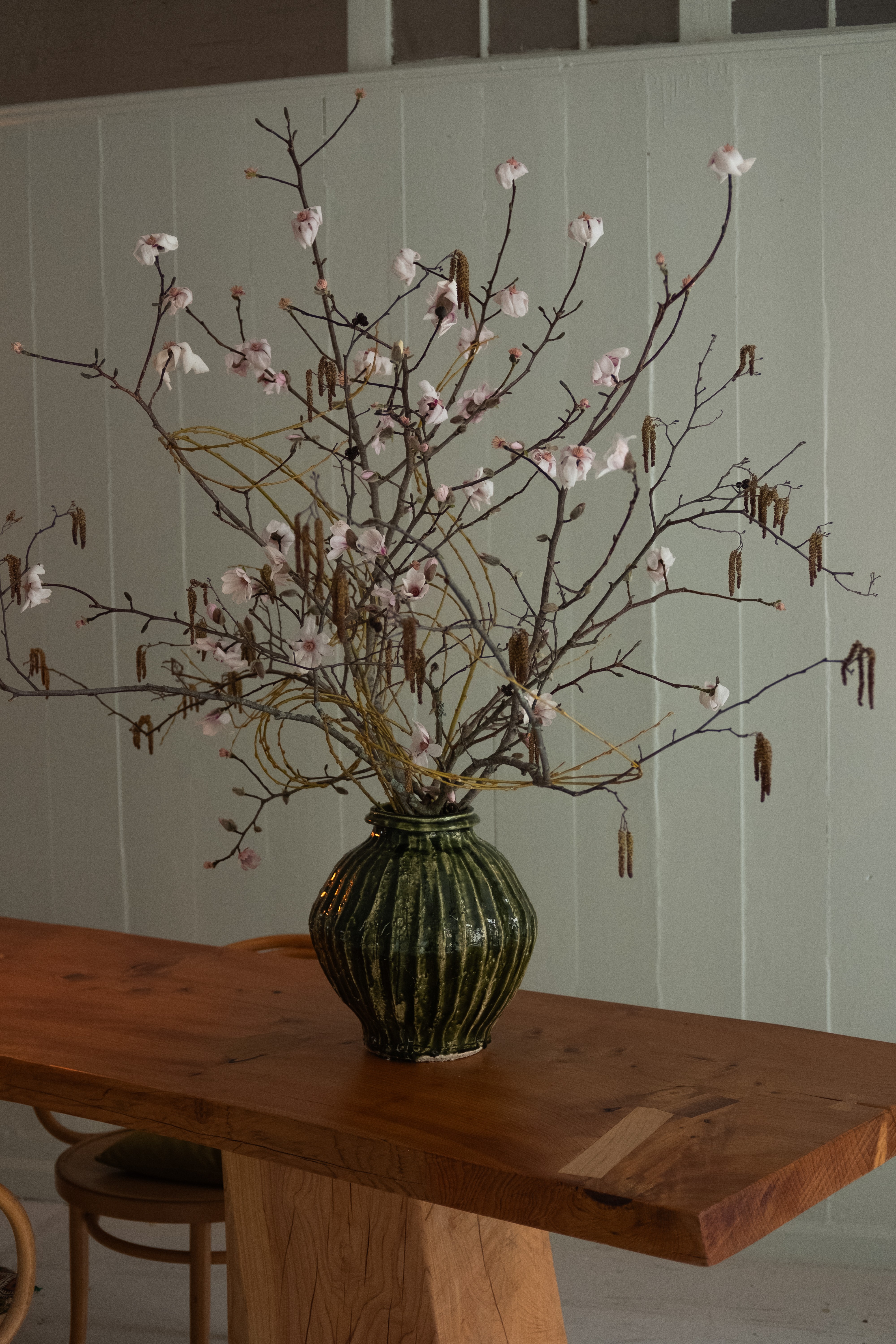
A beloved trine: magnolia, willow and birch with catkins. This was the entryway intervention at Tiwa Gallery for our dear friend Cadis' show. Photo: Field Studies Flora
A private spring luncheon at La Mercerie. Photo: Andrea Gentl and Martin Hyers
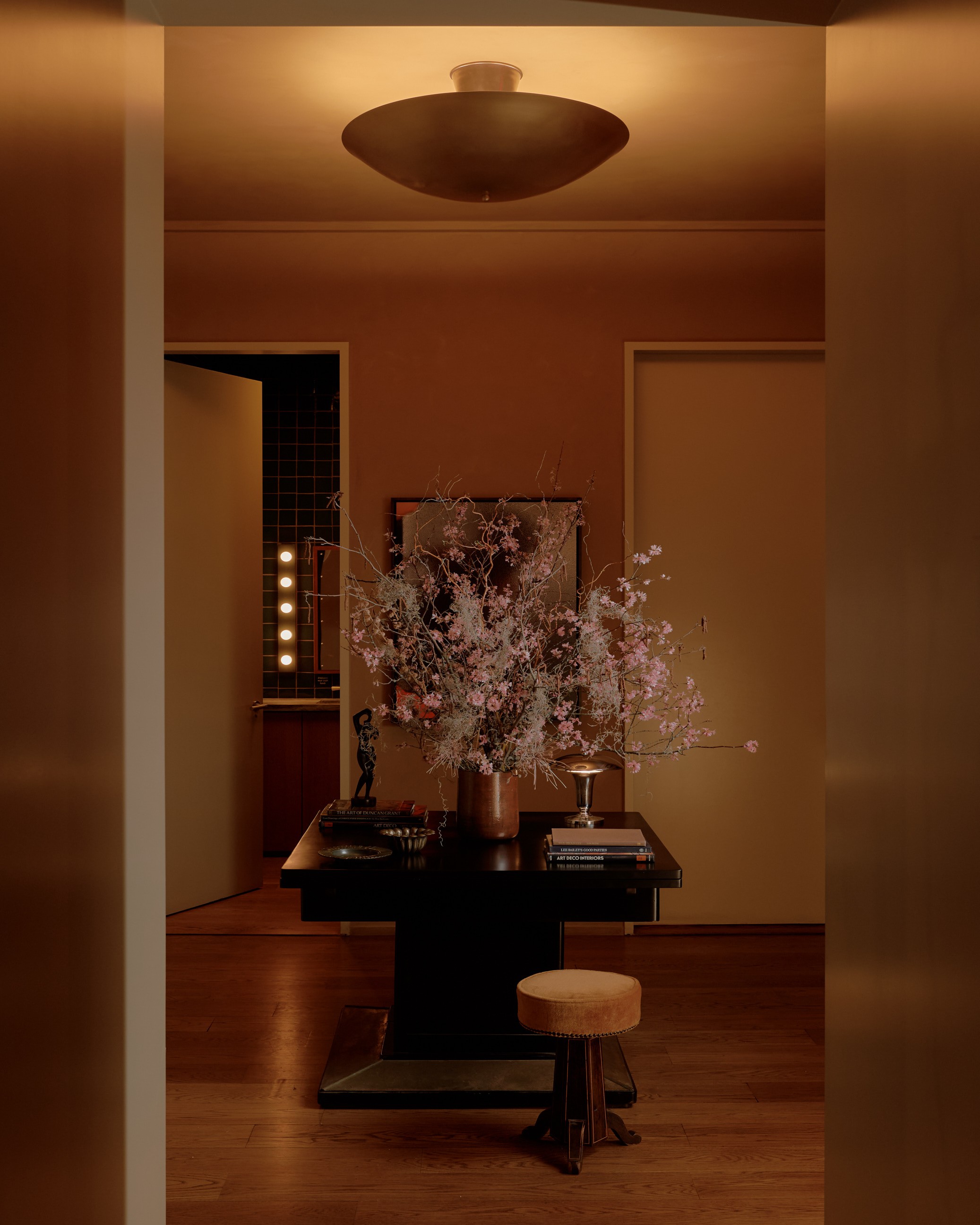
Frothy cherry and Spanish moss displayed in the antechamber of Quarters. Styling: Tim Brown, Photo: William Jess Laird
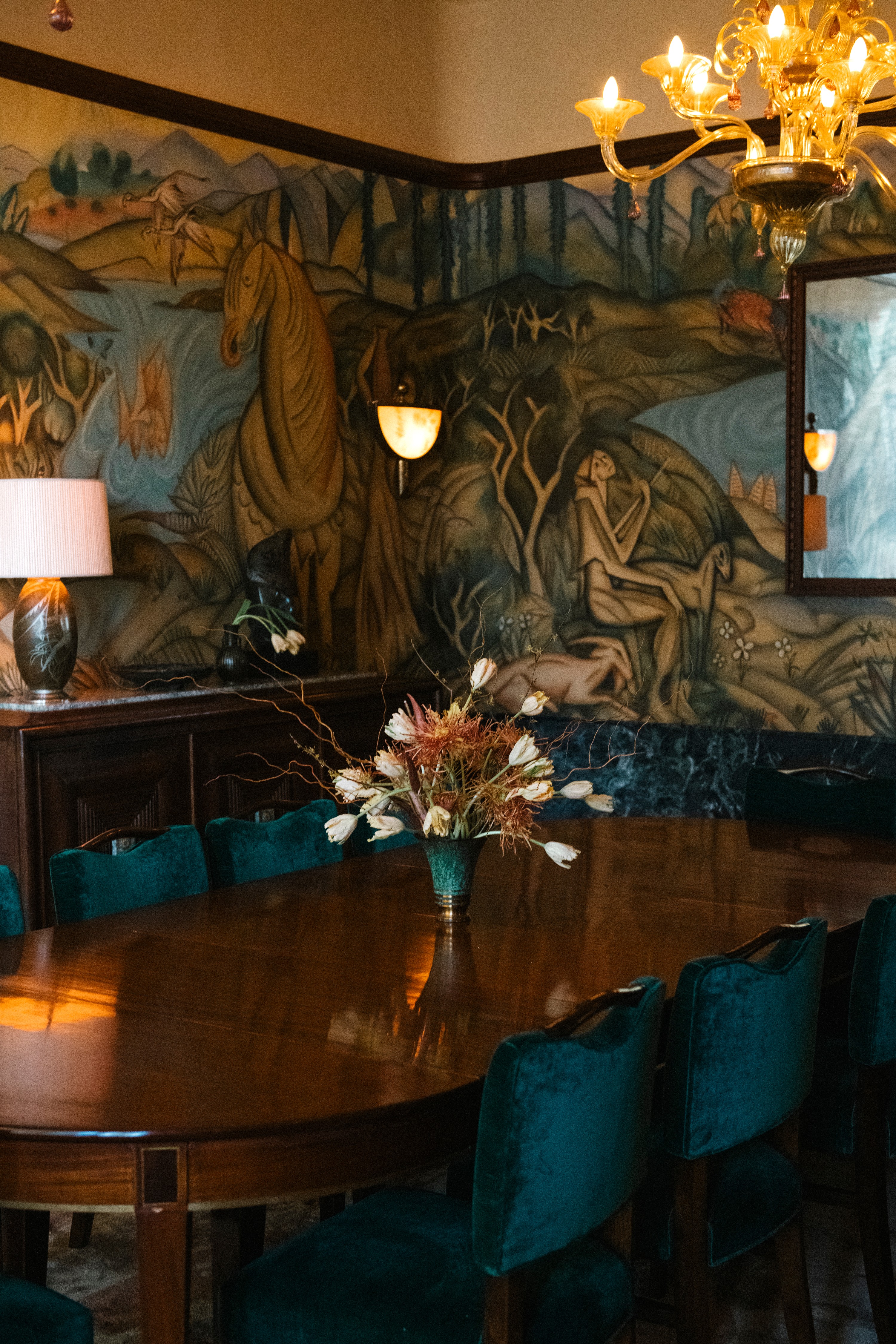
Inside the hand painted private dining room at Locanda Verde Hudson Yards. Photo: Adrianna Glaviano.
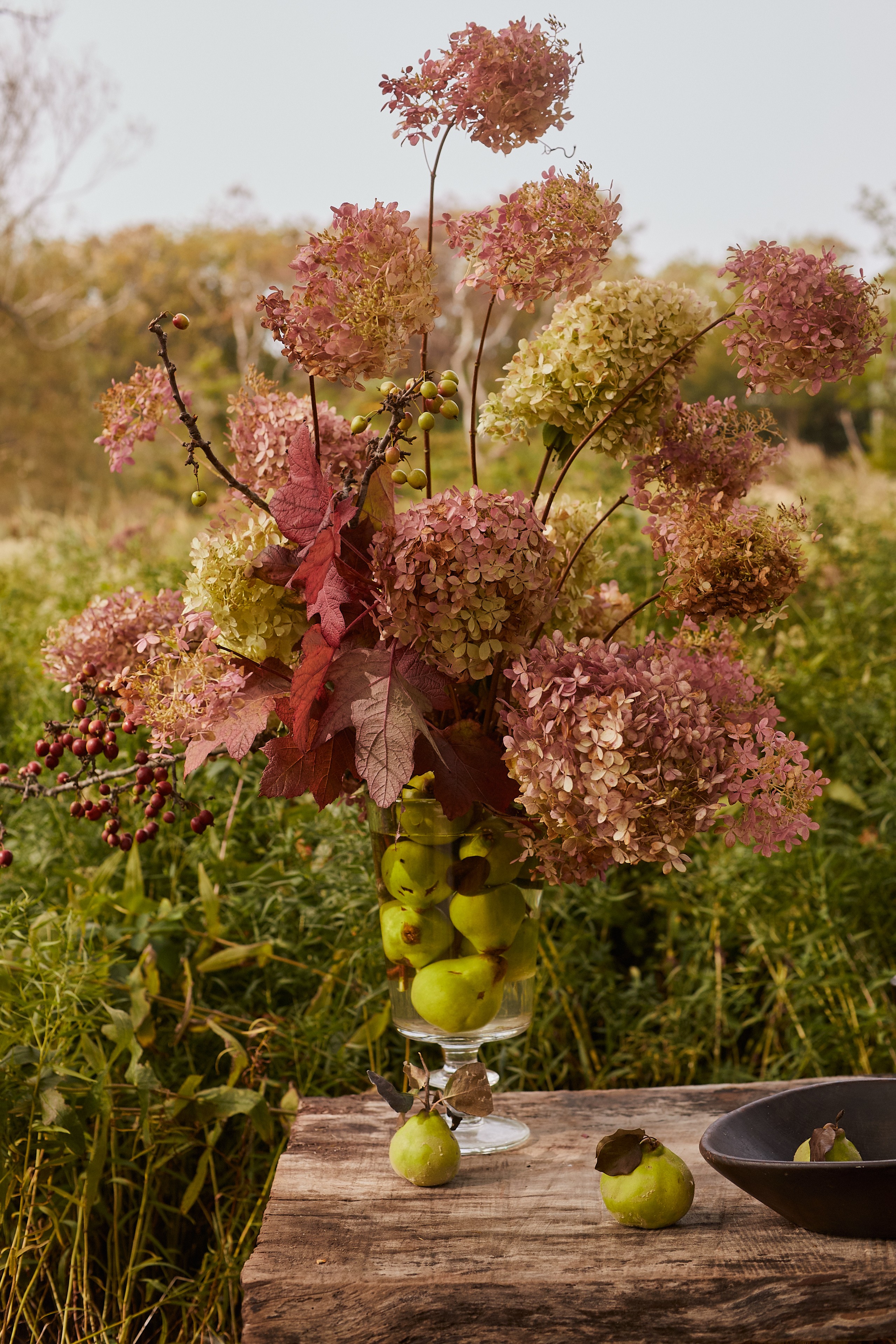
Hydrangea and electric green quince for The Financial Times story on Roman and Williams. Photo: Billal Taright