

Galerie Was for Nordic Knots
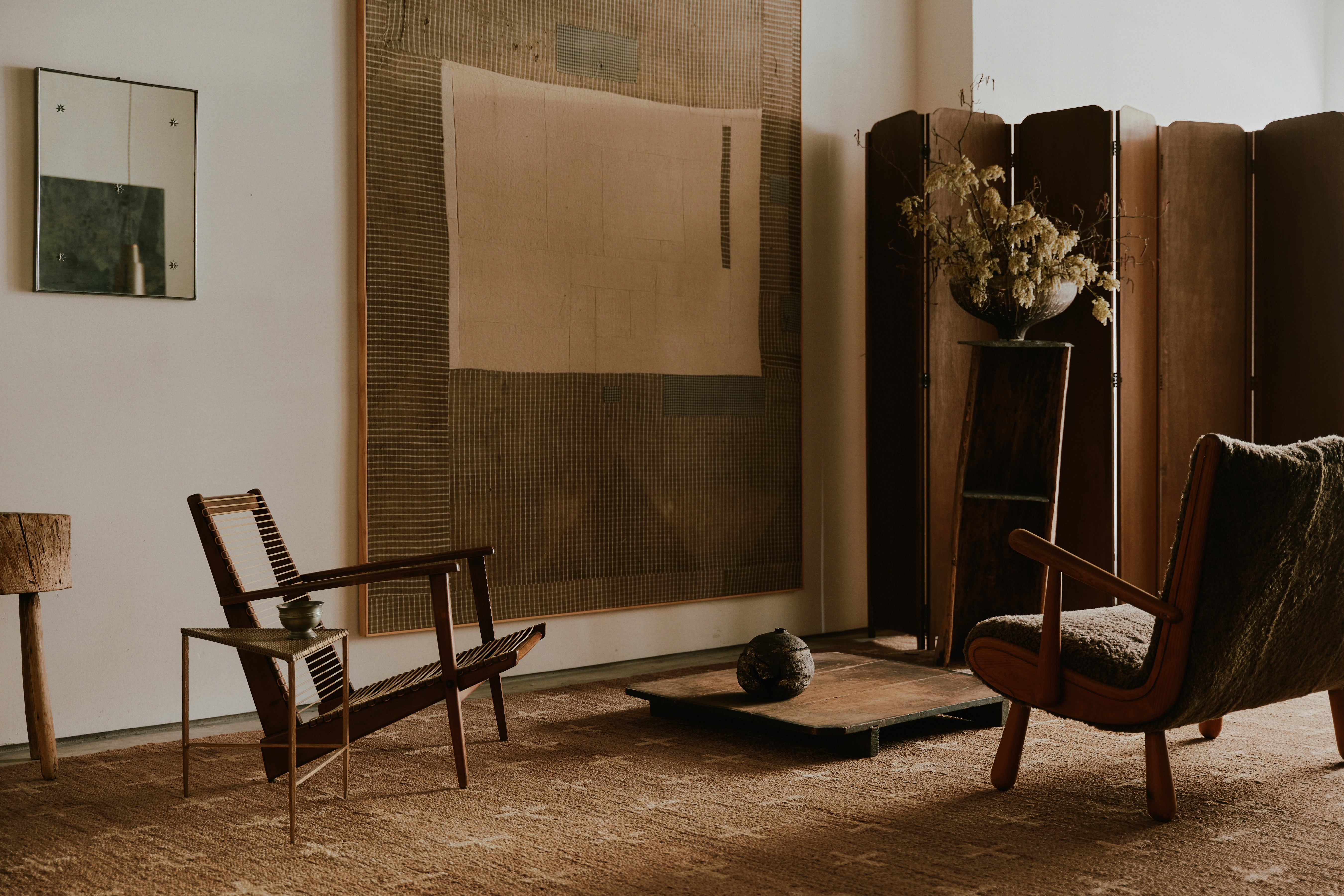
fig. i, Temple bells pieris or andromeda have a bell-shaped charm and in this case, a soft ivory color. Here you can see them in small waterfalls with all of their leaves removed, balanced in a nest of young birch branches, ornamented with catkins. Photo: William Jess Laird.
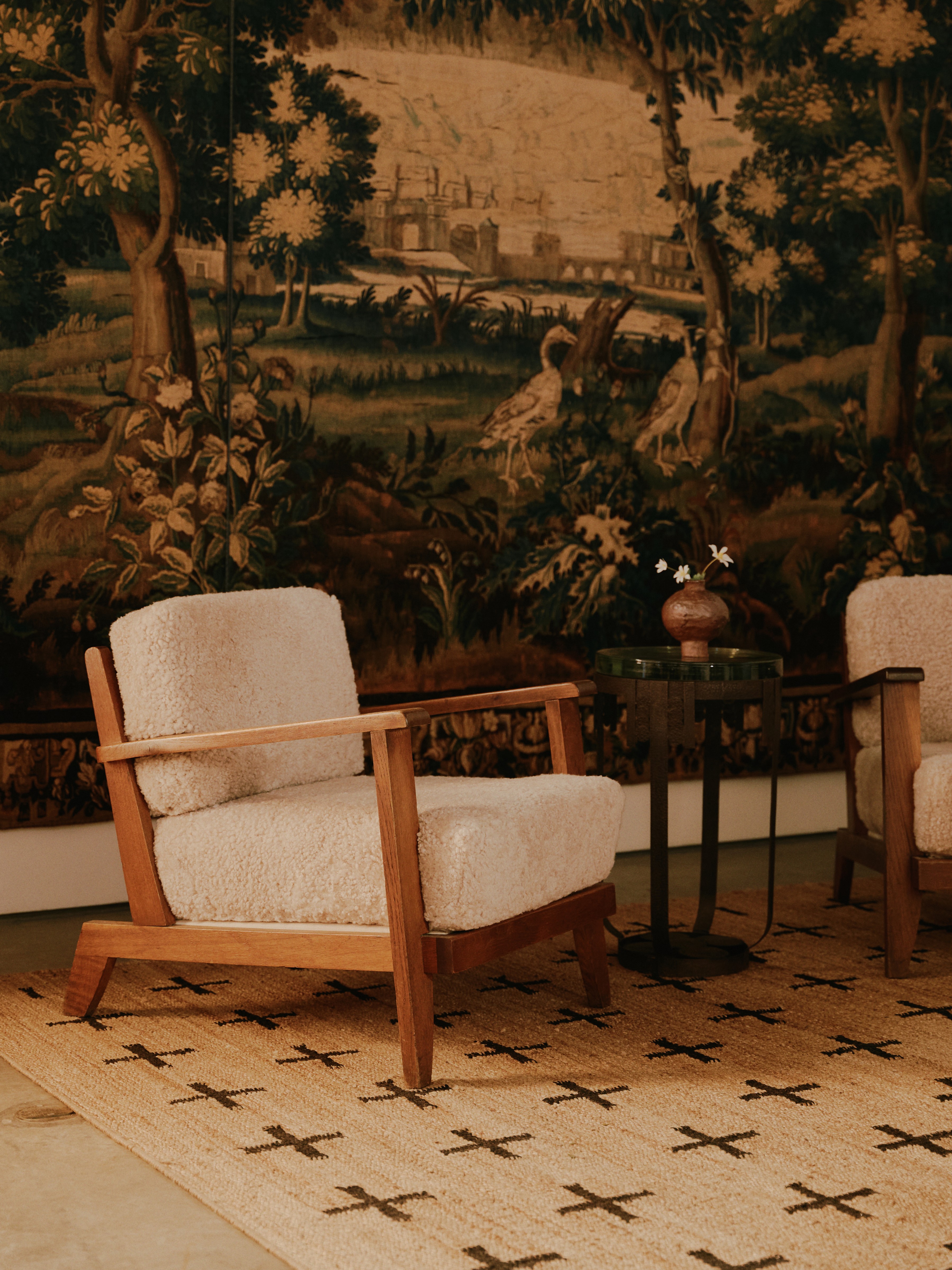
fig. II, Two elusive blooms of the bloodroot. Photo: William Jess Laird.
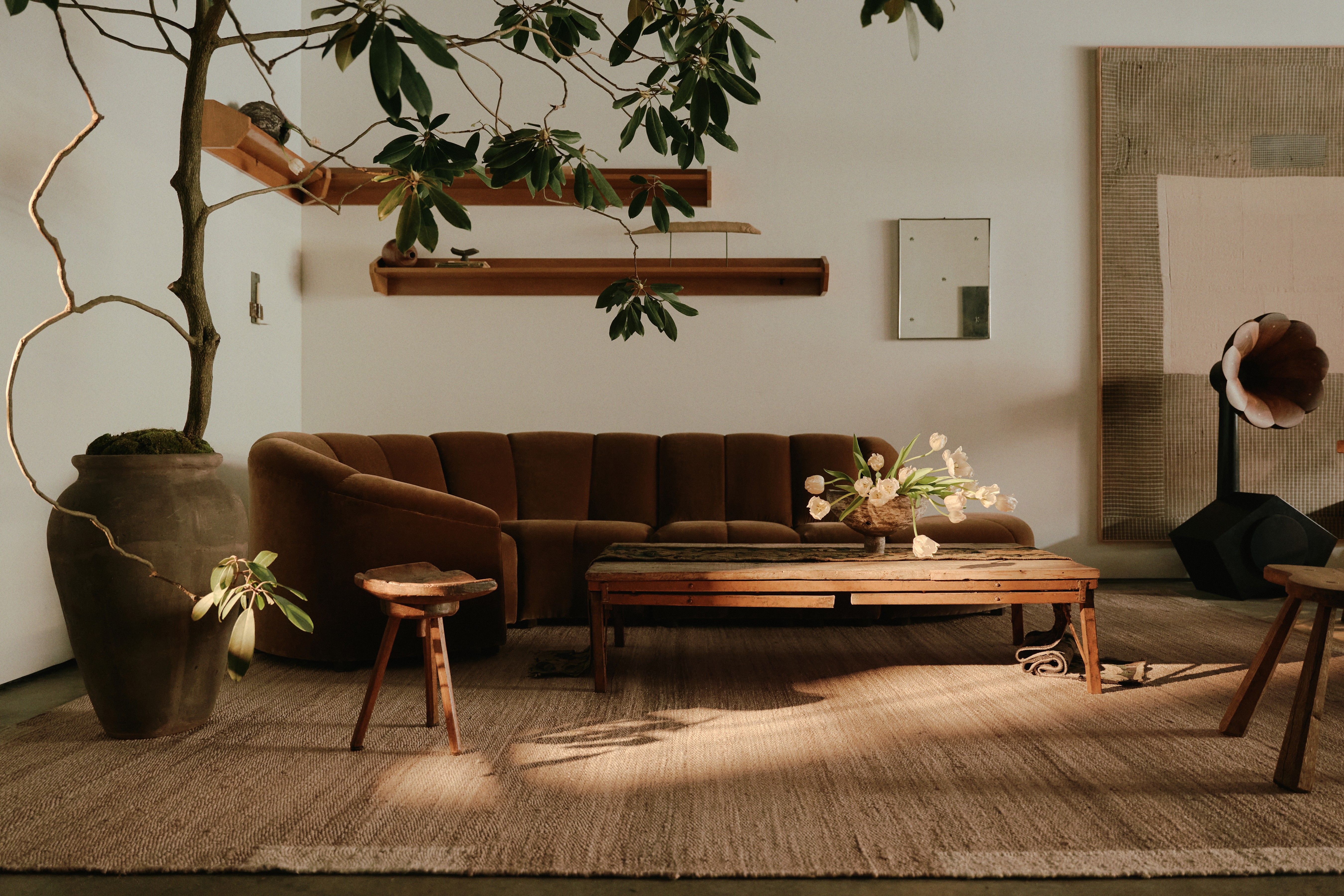
fig. iii, An incredibly expressive rhododendron branch procured from the wild by Spadaflora with dancer-like tulips beneath its canopy. Photo: William Jess Laird.
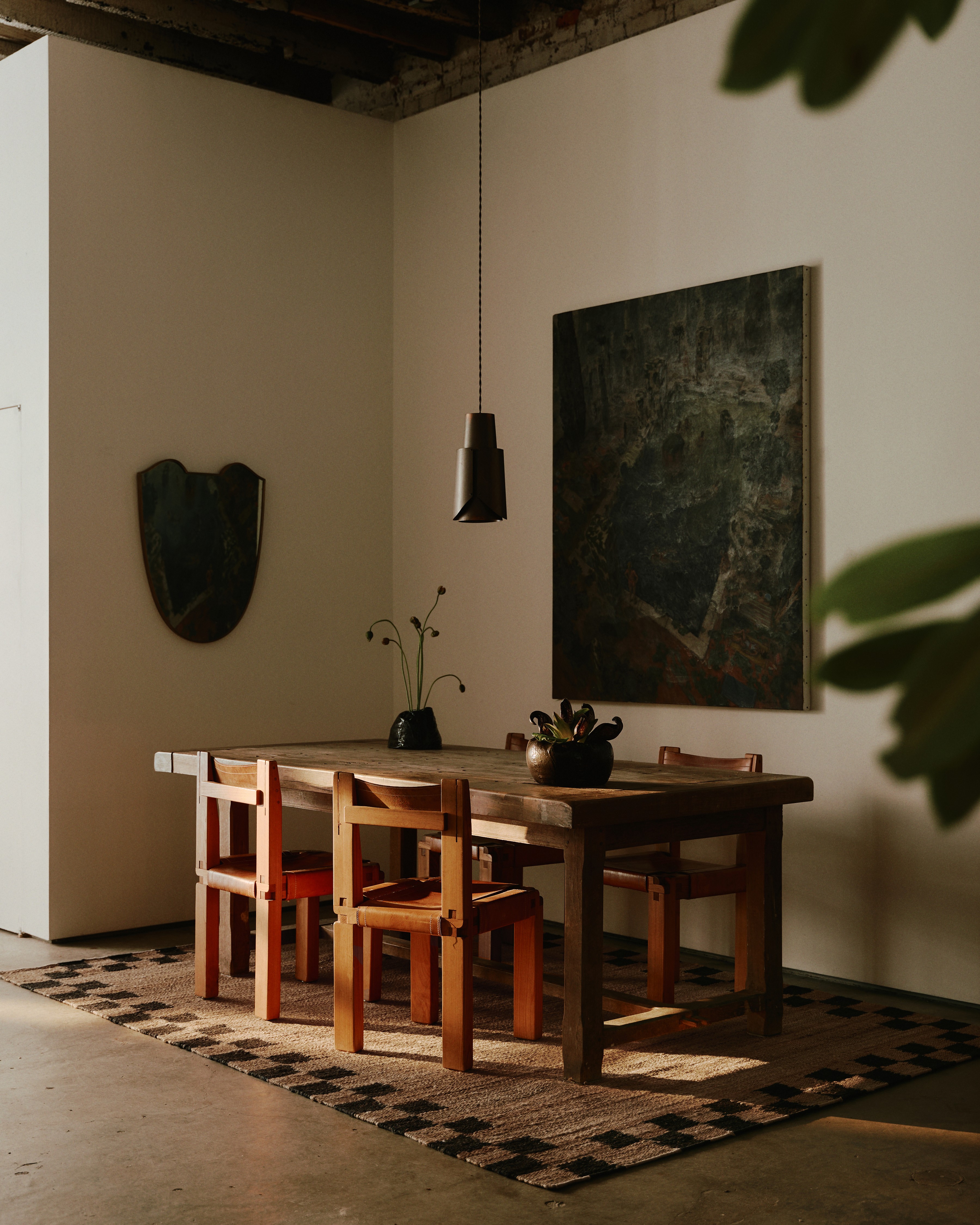
fig. Iv, Un-cracked Poppy heads and newly-emerged Skunk Cabbage at rest in vessels made by Cadis. Photo: William Jess Laird.
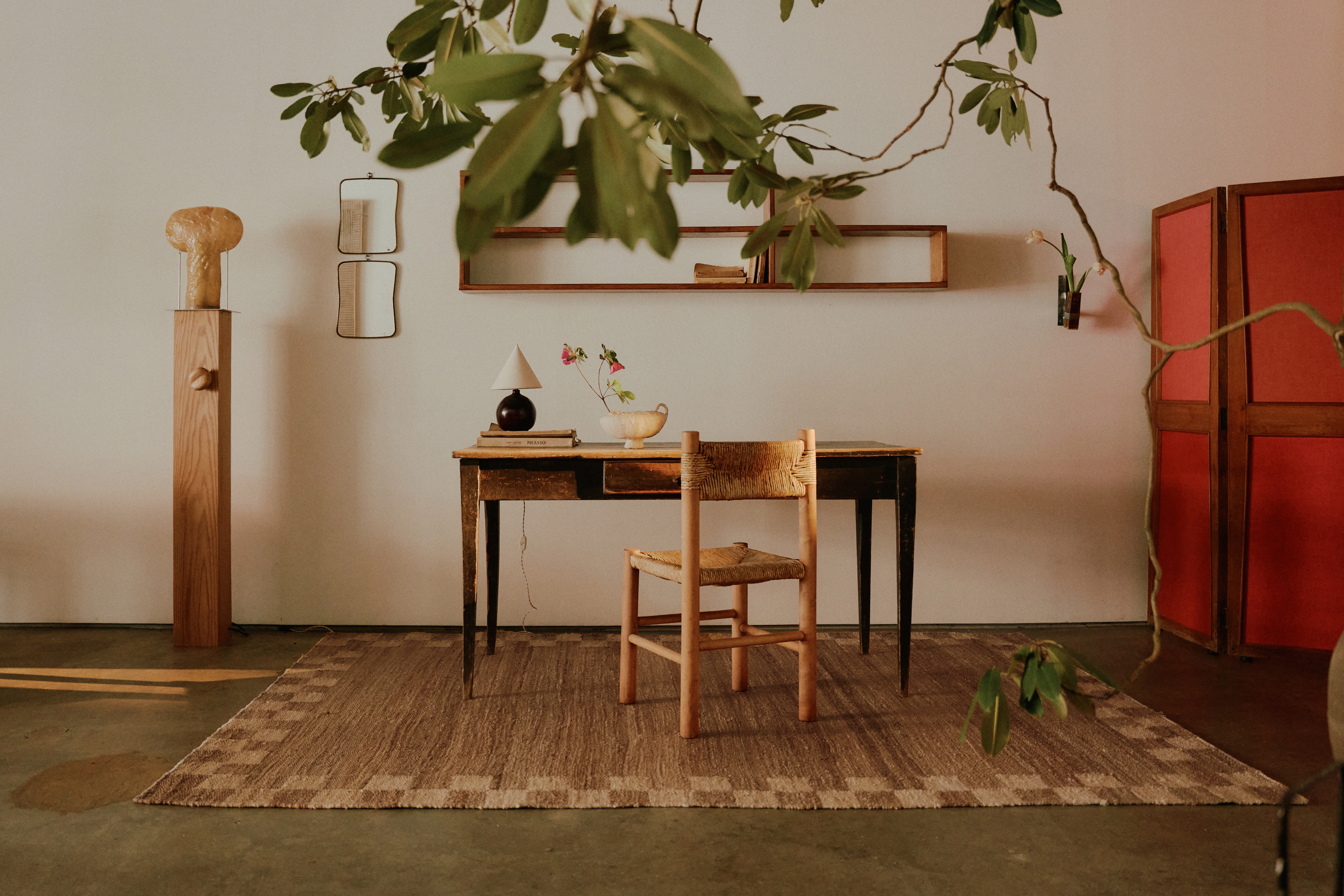
FIG V, Ranging in scale and form, each floral intervention in this campaign felt as though it has just been ferried from the outside in. Photo: William Jess Laird.
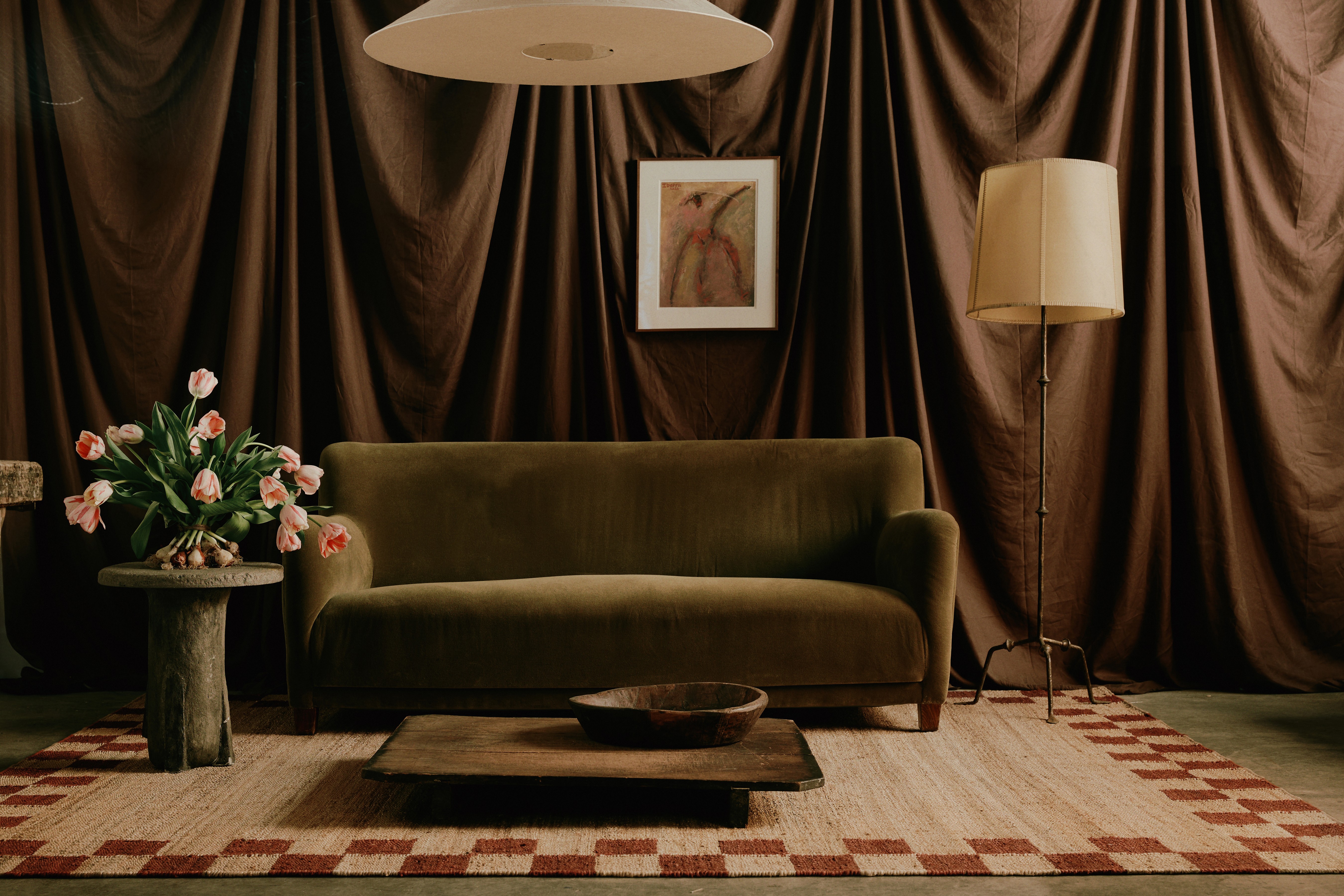
FIG VI, Strategically left to rest in our studio for three days prior to the installation at Galerie Was, these striped tulips were captured at just the right time with each stem gracefully drooping like an exhausted ballerina. Photo: William Jess Laird.
fig. i, Temple bells pieris or andromeda have a bell-shaped charm and in this case, a soft ivory color. Here you can see them in small waterfalls with all of their leaves removed, balanced in a nest of young birch branches, ornamented with catkins. Photo: William Jess Laird.
fig. II, Two elusive blooms of the bloodroot. Photo: William Jess Laird.
fig. iii, An incredibly expressive rhododendron branch procured from the wild by Spadaflora with dancer-like tulips beneath its canopy. Photo: William Jess Laird.
fig. Iv, Un-cracked Poppy heads and newly-emerged Skunk Cabbage at rest in vessels made by Cadis. Photo: William Jess Laird.
FIG V, Ranging in scale and form, each floral intervention in this campaign felt as though it has just been ferried from the outside in. Photo: William Jess Laird.
FIG VI, Strategically left to rest in our studio for three days prior to the installation at Galerie Was, these striped tulips were captured at just the right time with each stem gracefully drooping like an exhausted ballerina. Photo: William Jess Laird.
This editorial campaign, a project for Nordic Knots at Galerie Was in Manhattan's Lower East Side, was photographed in the early weeks of spring in 2023, when just a few of the first brave wildflowers were beginning to unfurl. Undeterred by this challenge, we sent our foraging partners at Spadaflora out into the fields and forest of New Jersey to see what wild and compelling things they could bring back for us.
Something of a miracle, they did the impossible — they found the evasive bloodroot[1], and gently delivered them to our doorstep in a bed of moss.
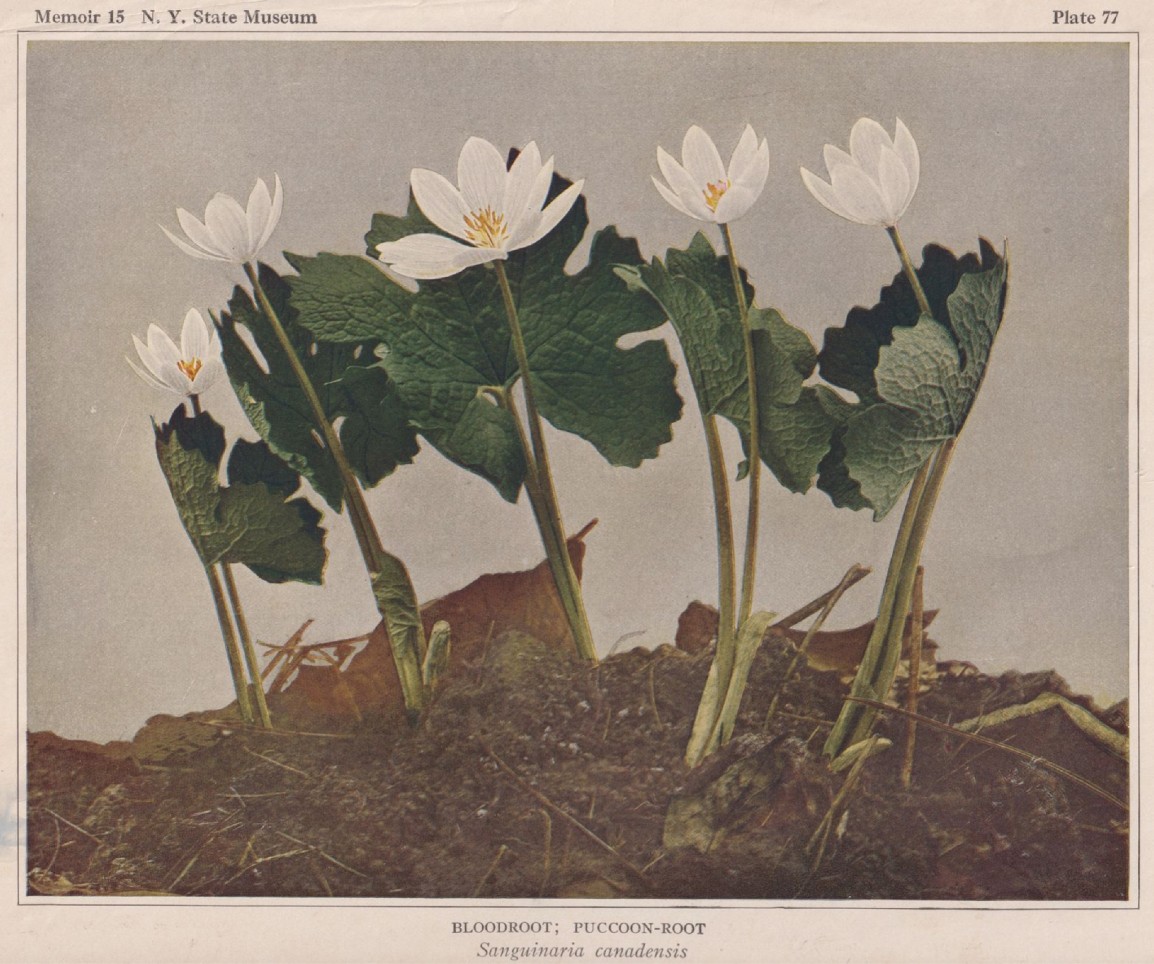
[1] Bloodroot from Wild Flowers of New York, published in 1921.
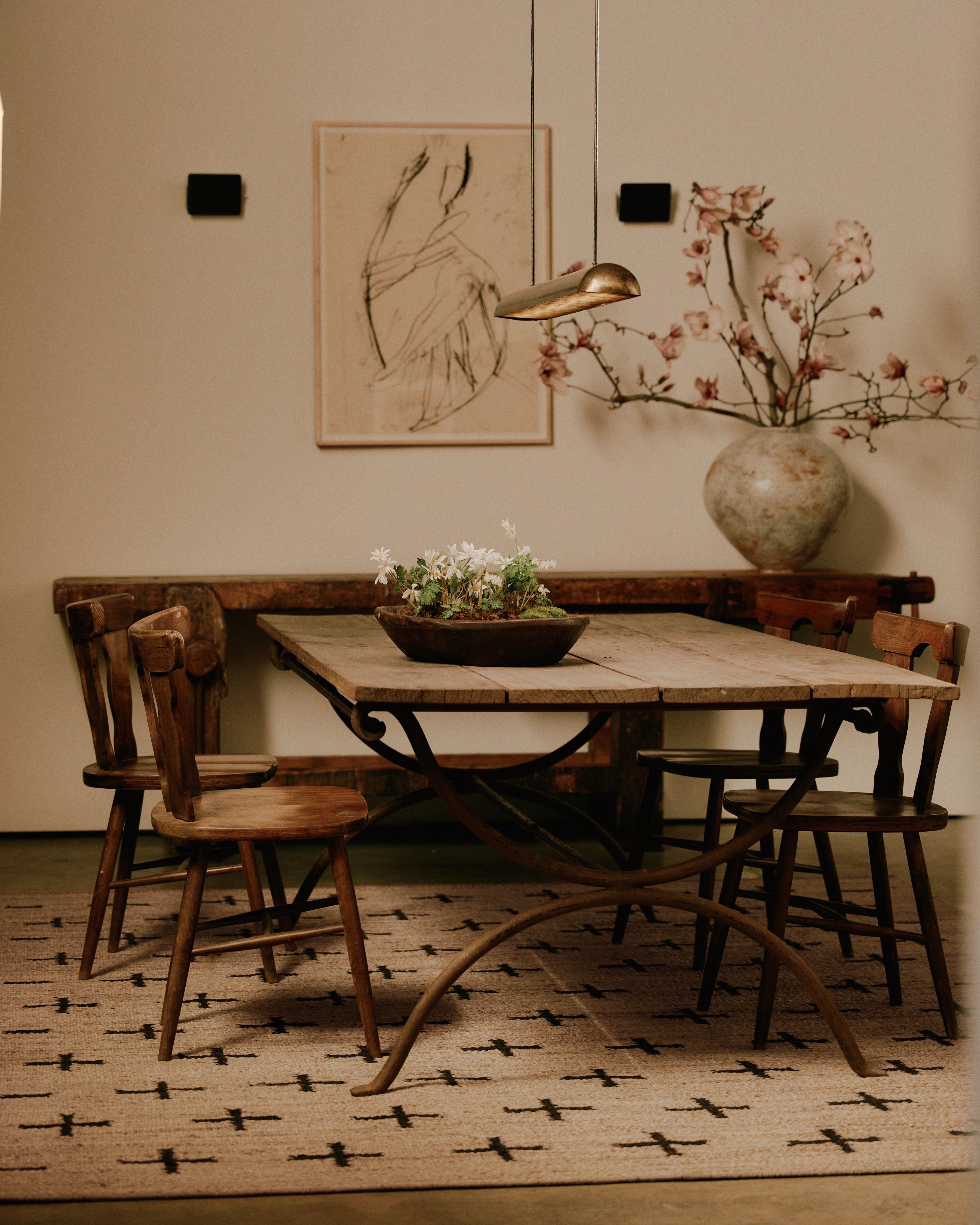
fig. I, Bloodroot on a bed of moss procured from the wild by Spadaflora. Photo: William Jess Laird.
Meanwhile, another colleague — the forager, farmer, and artist behind Vanishing Point Farm, Lily Bruder, — went out into the wetlands on her land and cut swamp cabbage for us, one of the most fascinating (and earliest) of all the wildflowers. Completely ingenious, its painted hood, known as the spathe, can grow through snow by raising its internal heat high enough to melt the frozen ground above as it pushes through the ground.
All of the floral interventions for this campaign took cues from the idea of raw kind of beauty that's all the better for its imperfections, much like the antique furniture in the gallery space and the handcrafted rugs at the campaign's center.
Un-cracked poppy heads, long and gestural wilting tulips, a grand rhododendron branch, exposed bulbs, andromeda stripped of its leaves, young birch. Every element staged throughout this lived-in interior offered a sense of time passed — peculiar and worthy of your attention in the way that Mary Oliver[2] might remind you to think about the trees more often than you generally do.
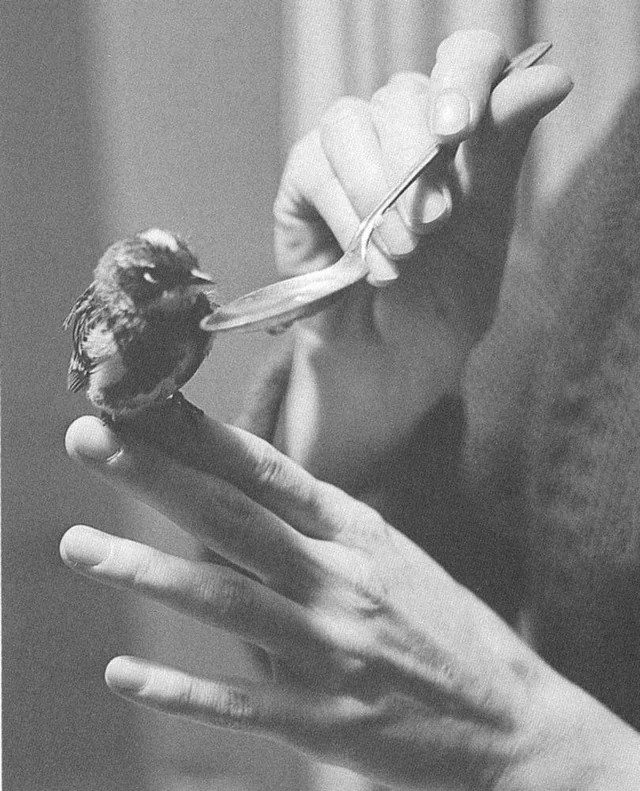
[2] Mary Oliver, a poet to respect and study, said and wrote many things that most people need to hear and read. Most relevant here is her observation that "attention is the beginning of devotion," a sentiment shared at the close of an essay entitled "Upstream." In it, she prompts pause in awe of nature’s quiet artistry. Photo: Molly Malone Cook, Oliver's life partner. READ THE POEM HERE↳
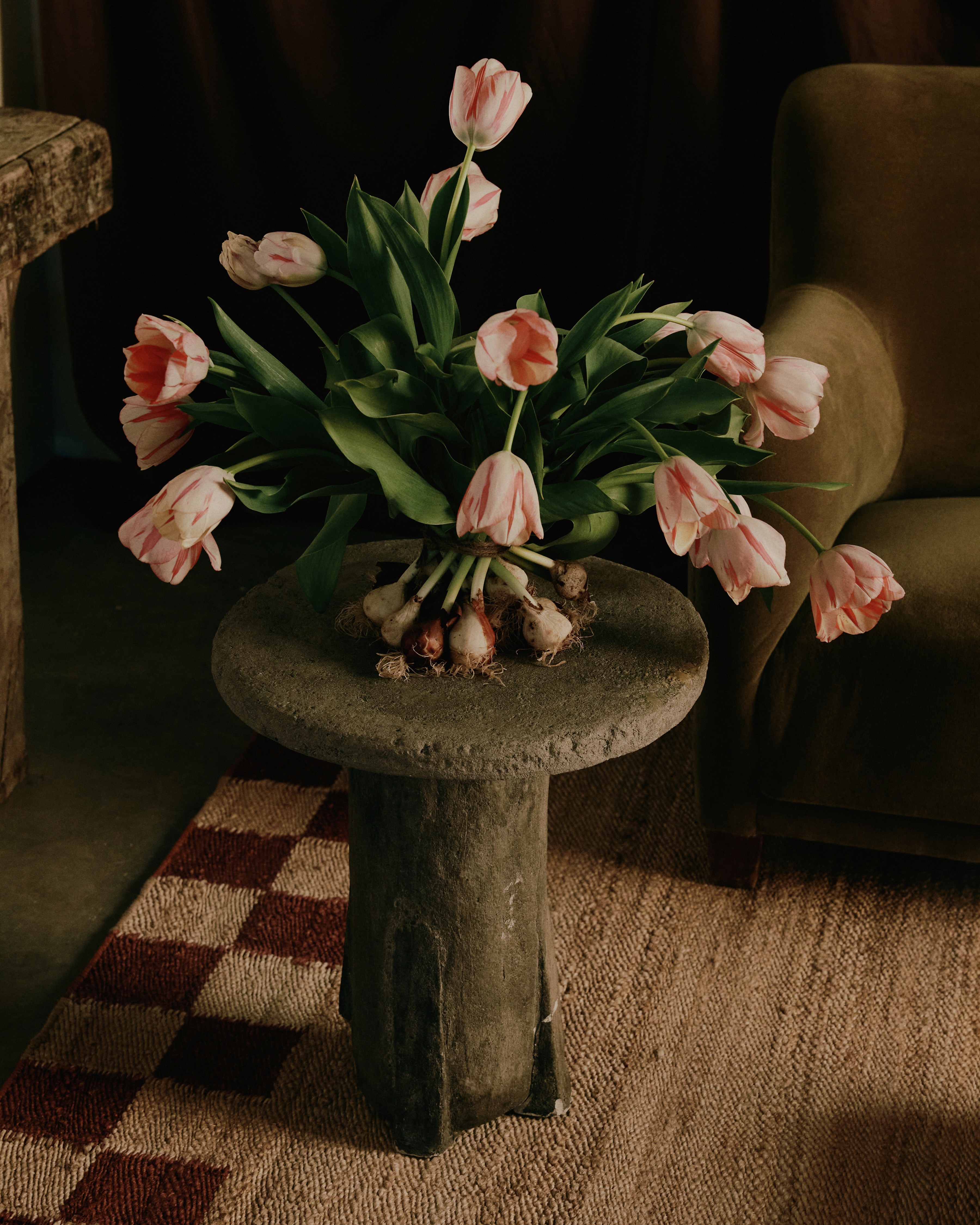
fig. II, We love tulips in all their forms, particularly when we can showcase the entirety of the plant with the bulb exposed, revealing their soil-dwelling base in juxtaposition with their well-tailored petals. Photo: William Jess Laird.
Strategically left to rest in our studio for three days prior to the installation at Galerie Was, these striped tulips were captured at just the right time with each stem gracefully drooping like an exhausted ballerina.
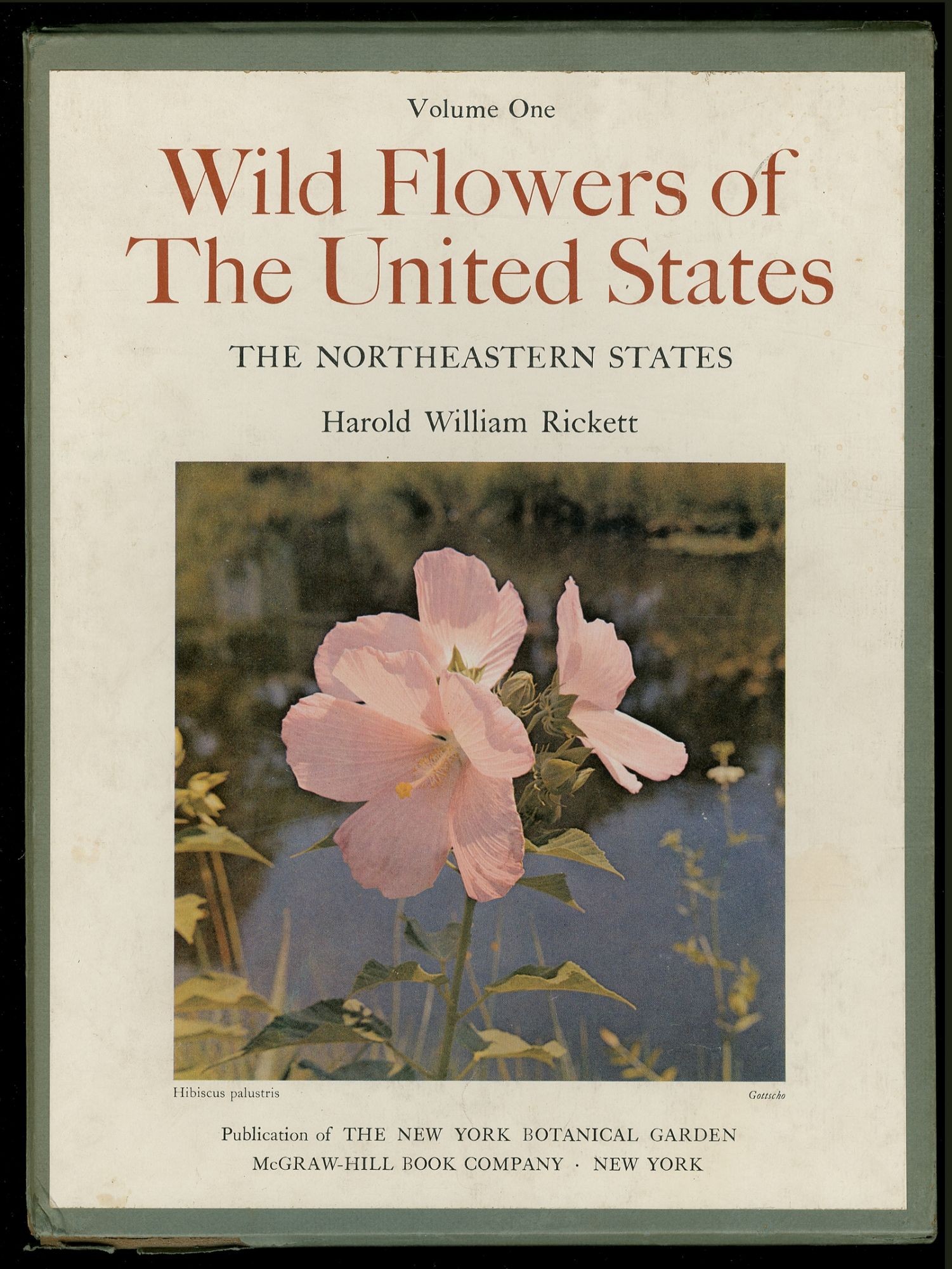
FIG. IV, A weathered selection from our studio Library, Harold Rickett's Wild Flowers of The United States, is ideal education for anyone interested in learning about the flowers that grow in secret, right under all of our noses. Understanding what they are and where to find them is a lot like holding a treasure map.
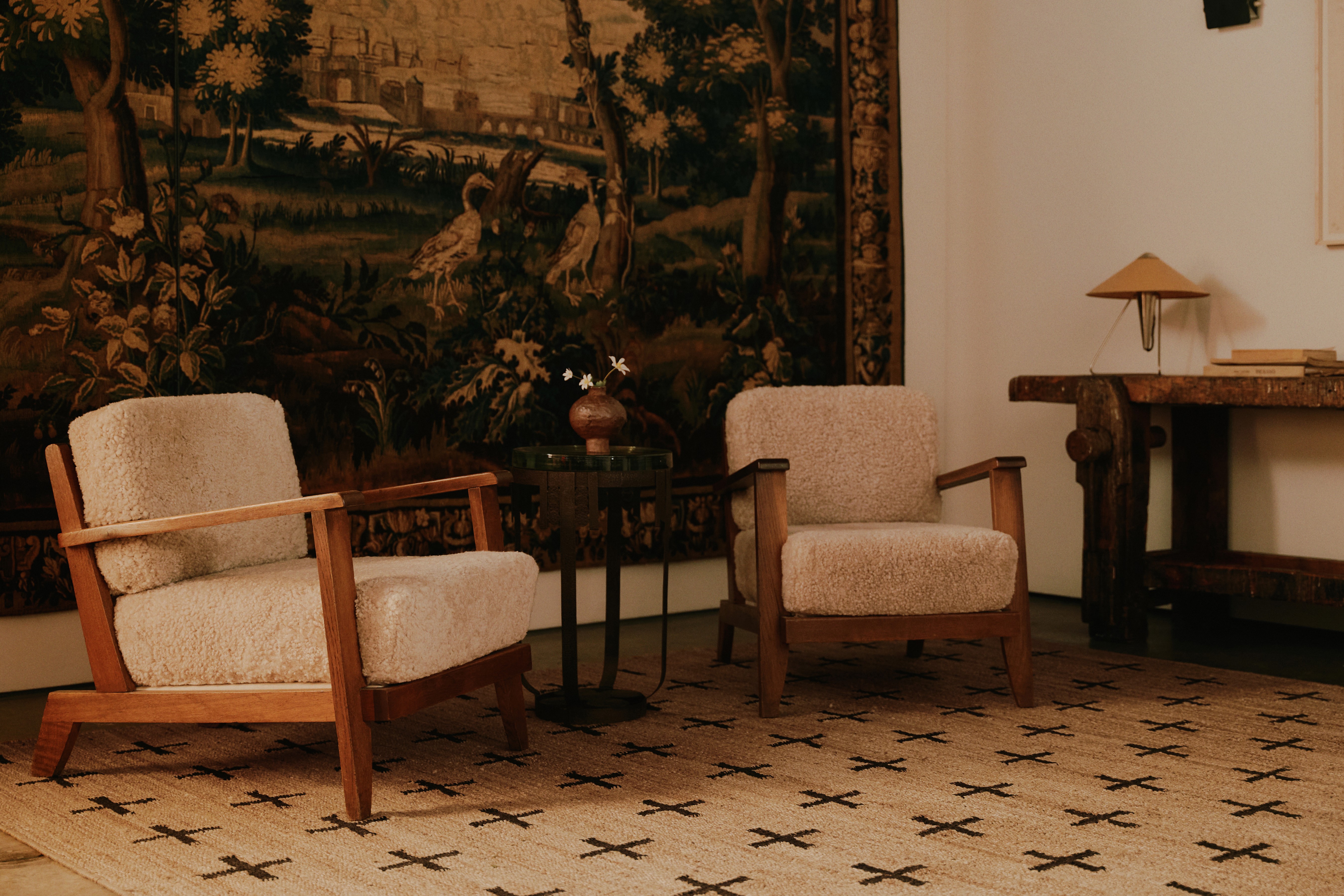
fig. III, Two elusive blooms of the swamp cabbage plant. Photo: William Jess Laird.
Elements (4)
View Index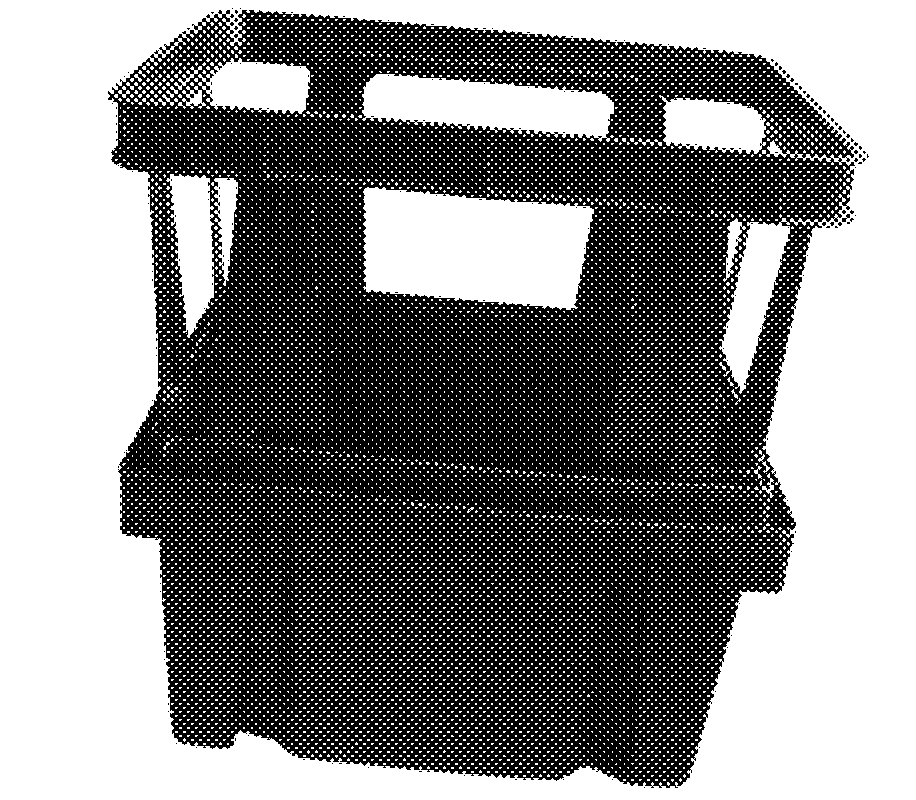

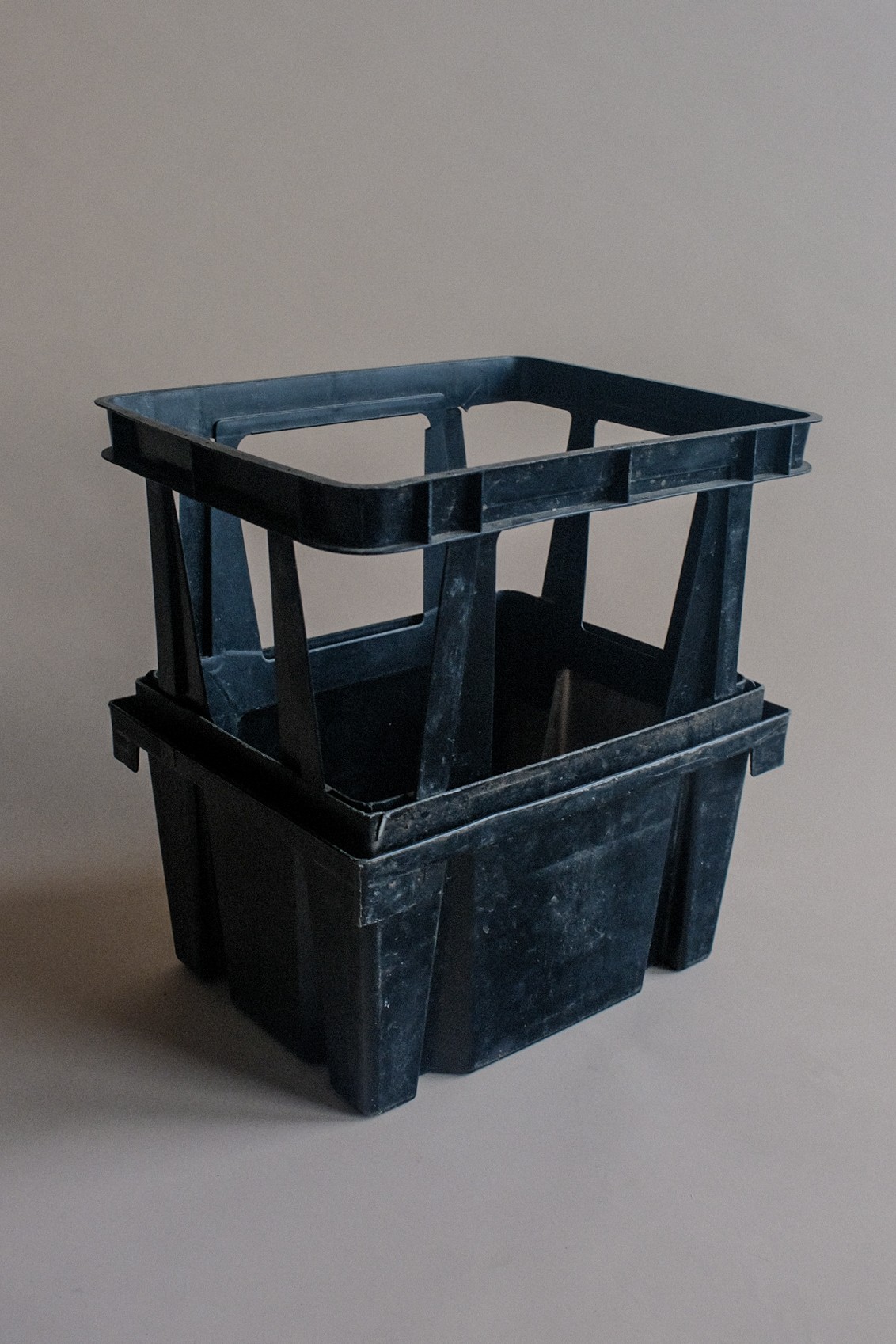
All kinds of them. Gallon buckets from hardware stores, square procona buckets (stackable, good for air flow and long commutes), and regular floral buckets too; these are the long, tall ones you see outside of flower shops.
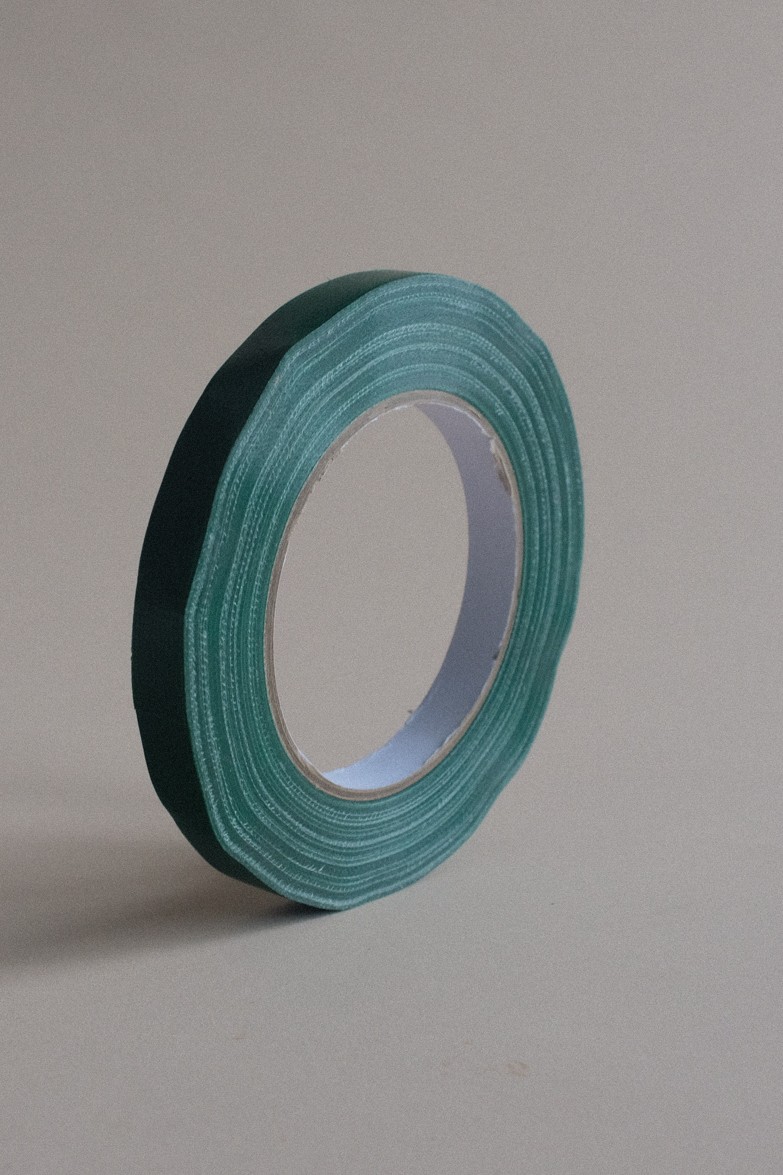
Much more durable than clear floral tape and much more visible, this green heavy-duty waterproof tape is an essential tool in our work. It’s used in the same way as clear tape, to create a grid over a large-mouthed vessel or to tape down a chicken wire bundle inside of a vase. Repeating ourselves in the spirit of manifestation: we have tried to find plastic-free alternatives to this provision but nothing seems to stick. We really hope that one day this isn’t the case.
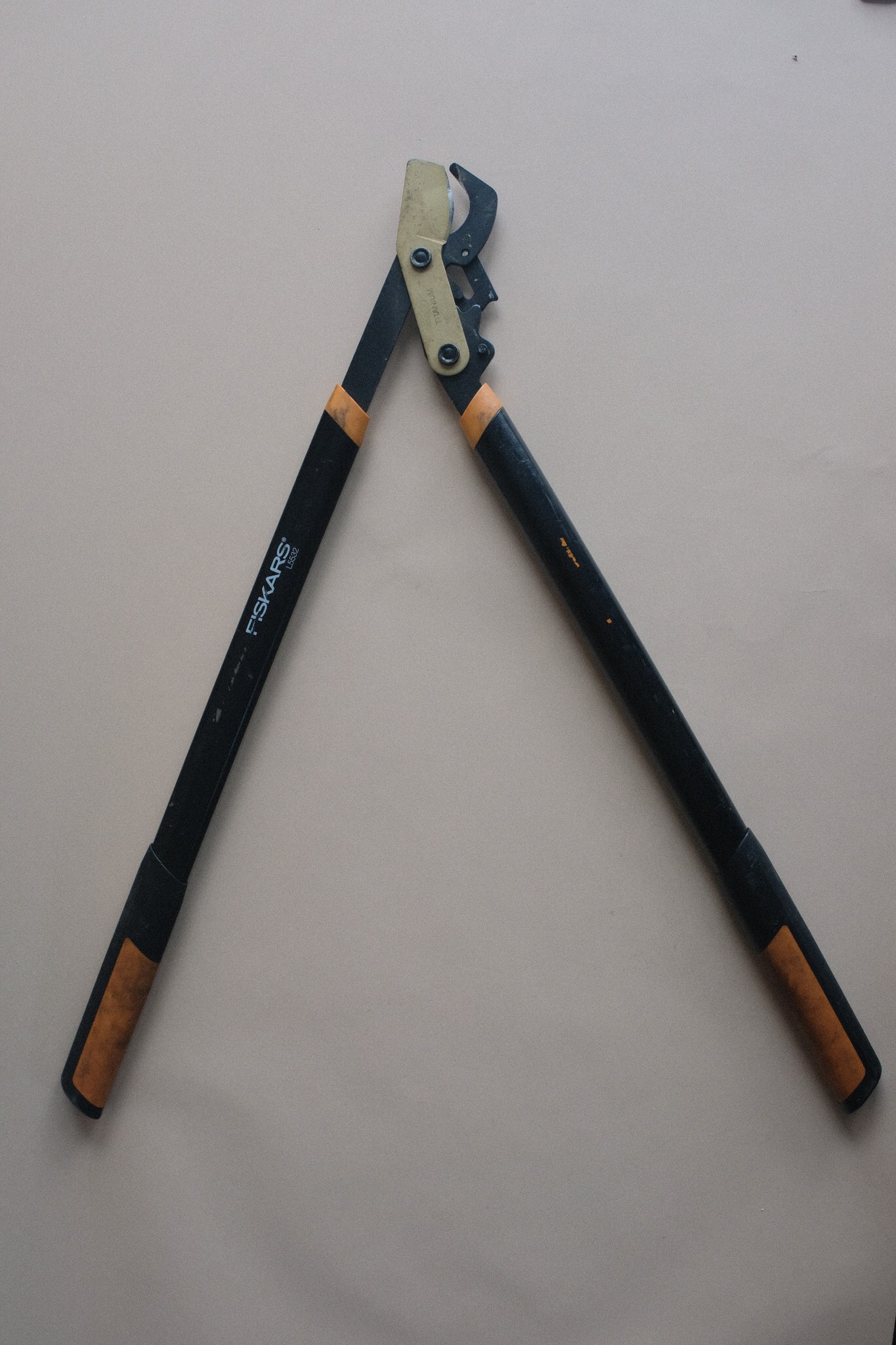
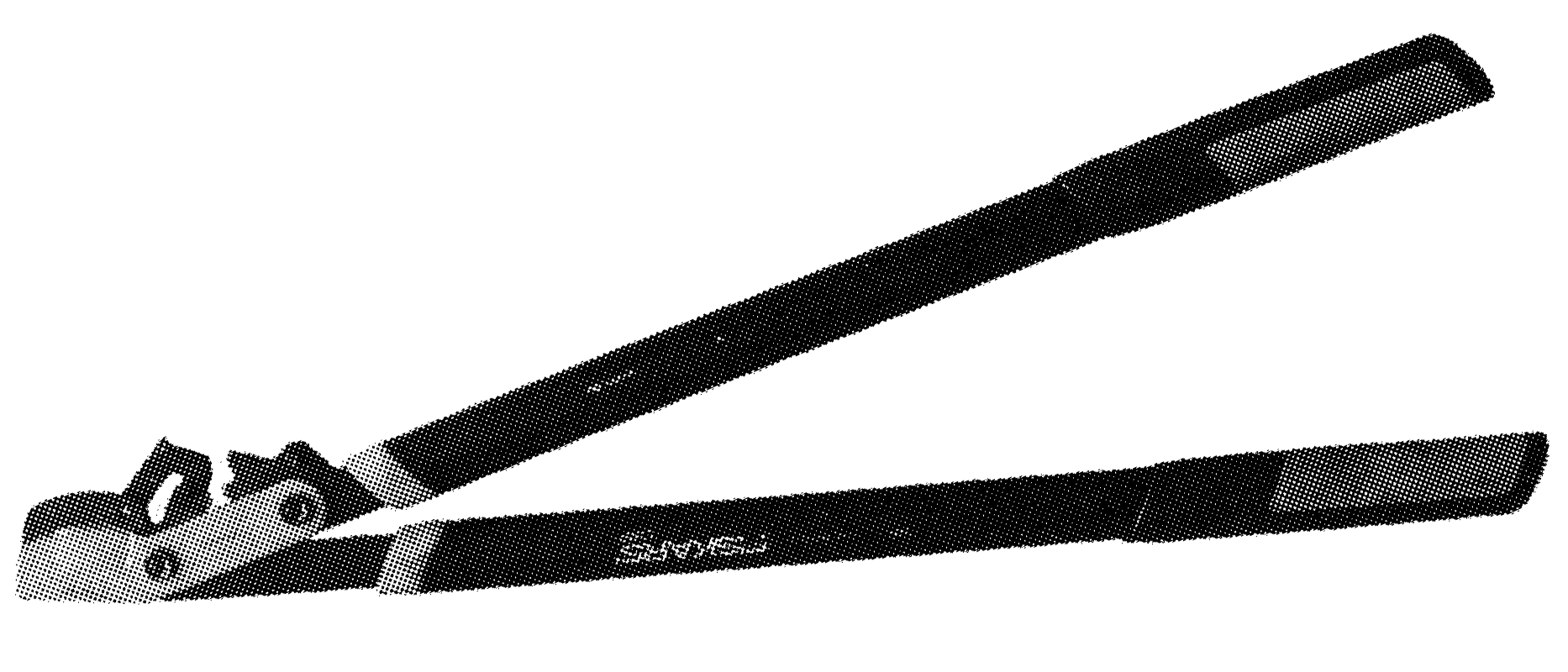
Another tool for smooth and easy pruning, loppers allow us to cut back thick and woody branches like Magnolia and Mountain laurel that are impenetrable with our other tools.
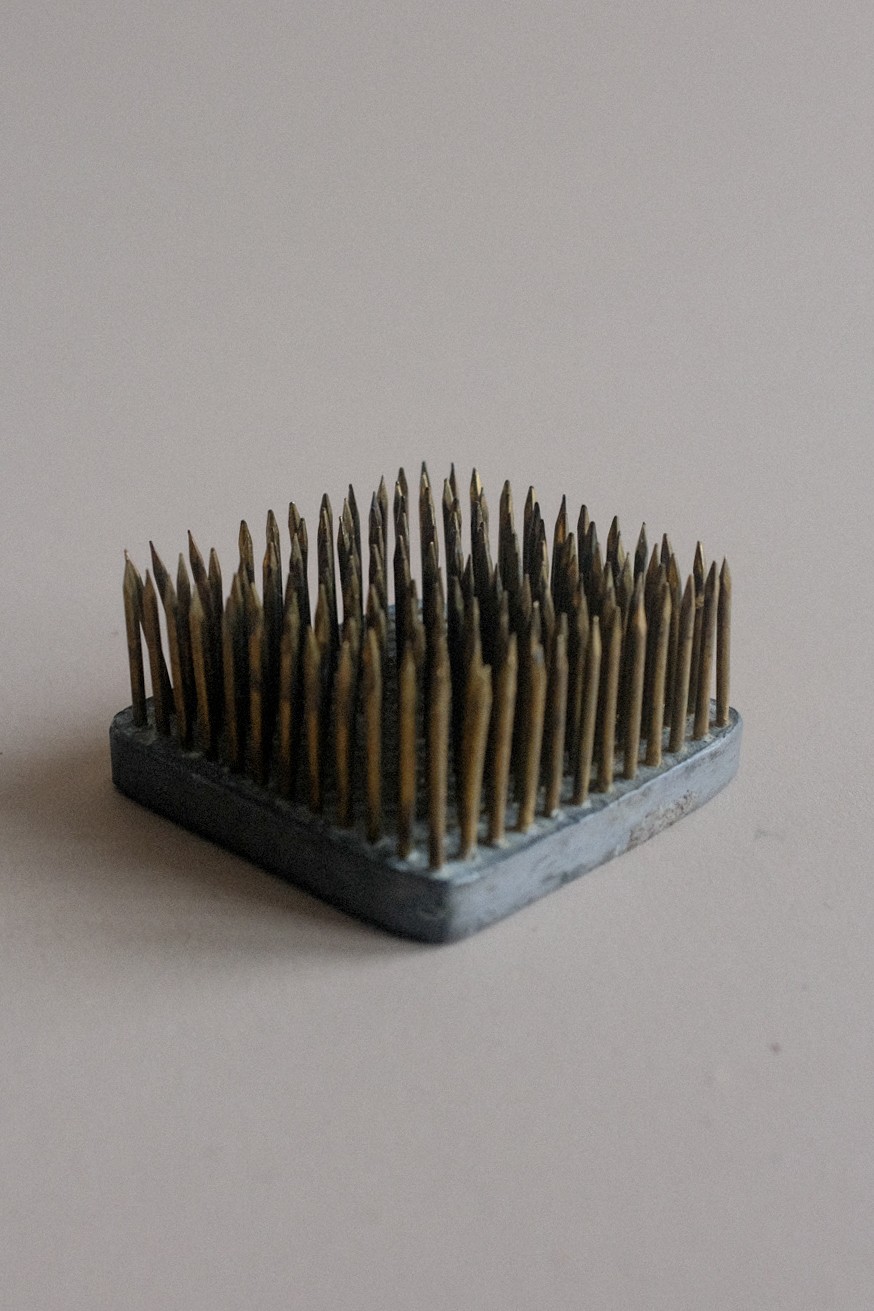
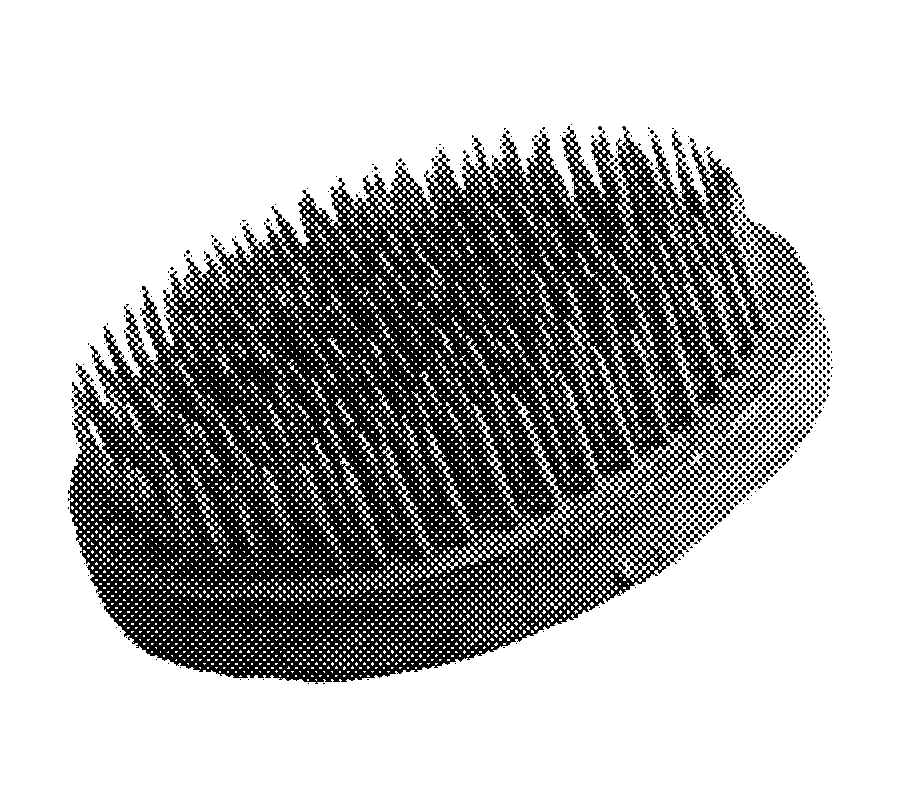
We use these little workhorses in nearly all of our interventions. Their spiky form acts as a pin cushion for stems that get stabbed into each thorn-like point of steel, which — as if by magic when seen at a distance — holds it firmly in place. This method dates back to at least the 14th century in Japan where the practice of Ikebana relied on the meticulous placement of individual flowers.
Archive
Archive
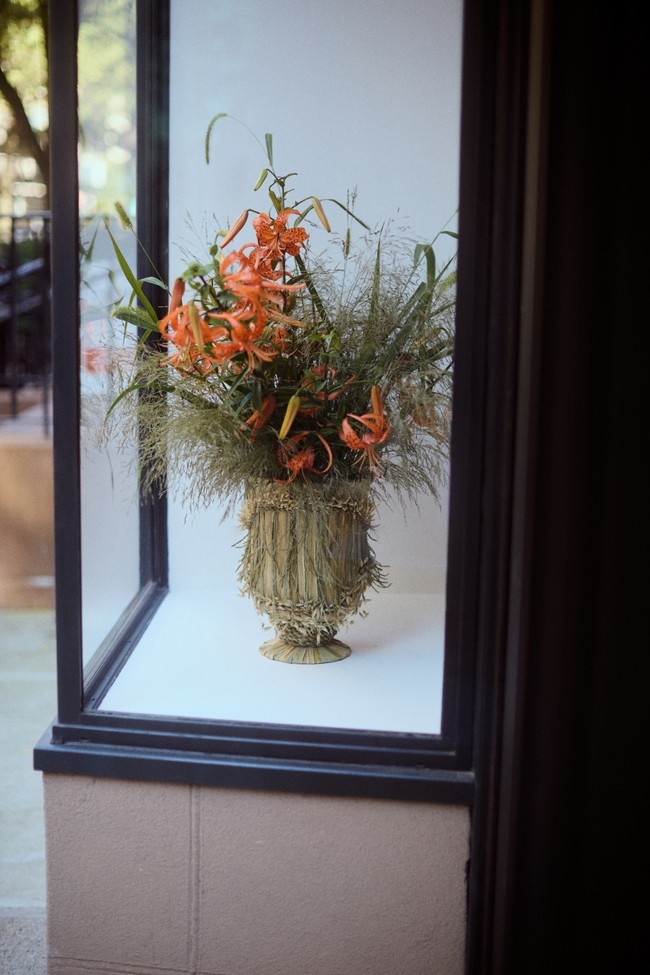
Vibrant tiger lillies and blueberry branches. Photo: Alyona Kuzmina.
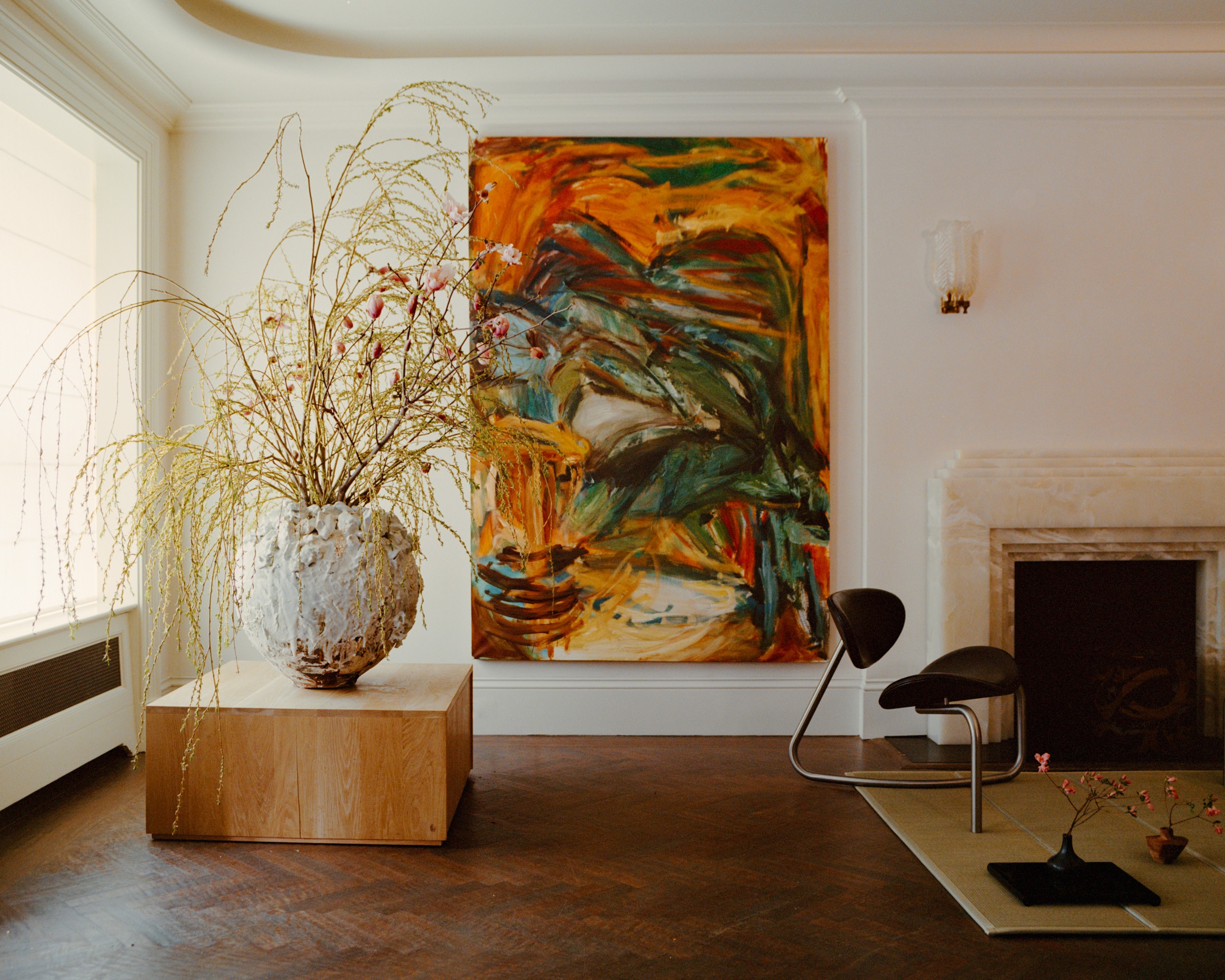
Magnolia, weeping willow and azalea buds inside of a tranquil space designed by Rob Johansen and photographed by William Jess Laird.
Orange tiger lilies in a subtle yet significant vessel in the back room of Somerset House. Photo: Marco Galloway
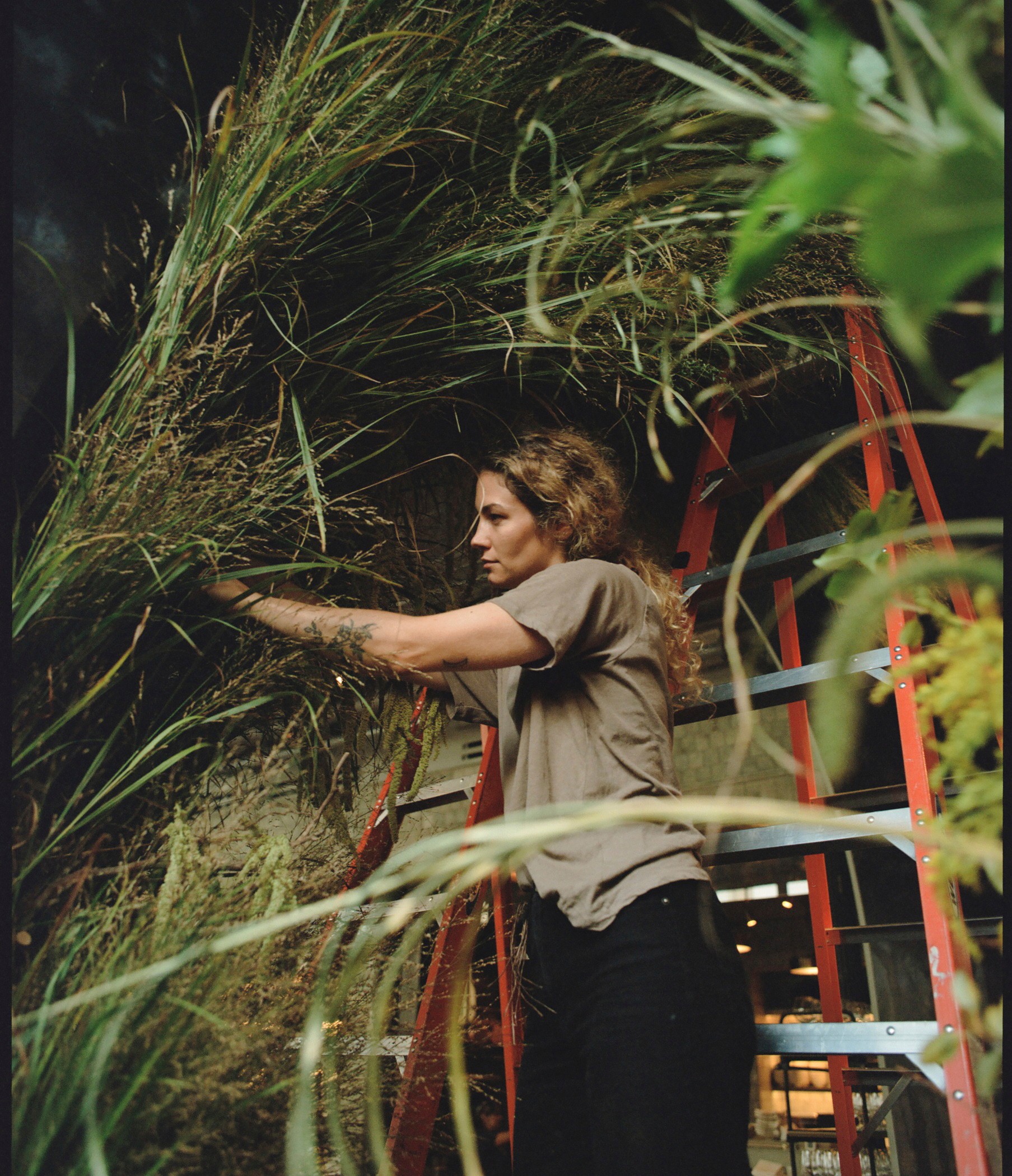
The archway at Roman & Williams, adorned in late summer’s finest foraged greens. A slurry of grasses were nestled into an armature of mountain laurel and garnished with long green-bean-looking catalpa pods to create this vertical meadow of fringe which crawls 14 feet up the wall and arcs over guest below. Photo: Austin Sandhaus
Tulip season for Nordic Knots shot and styled at Galerie Was. Photo: William Jess Laird
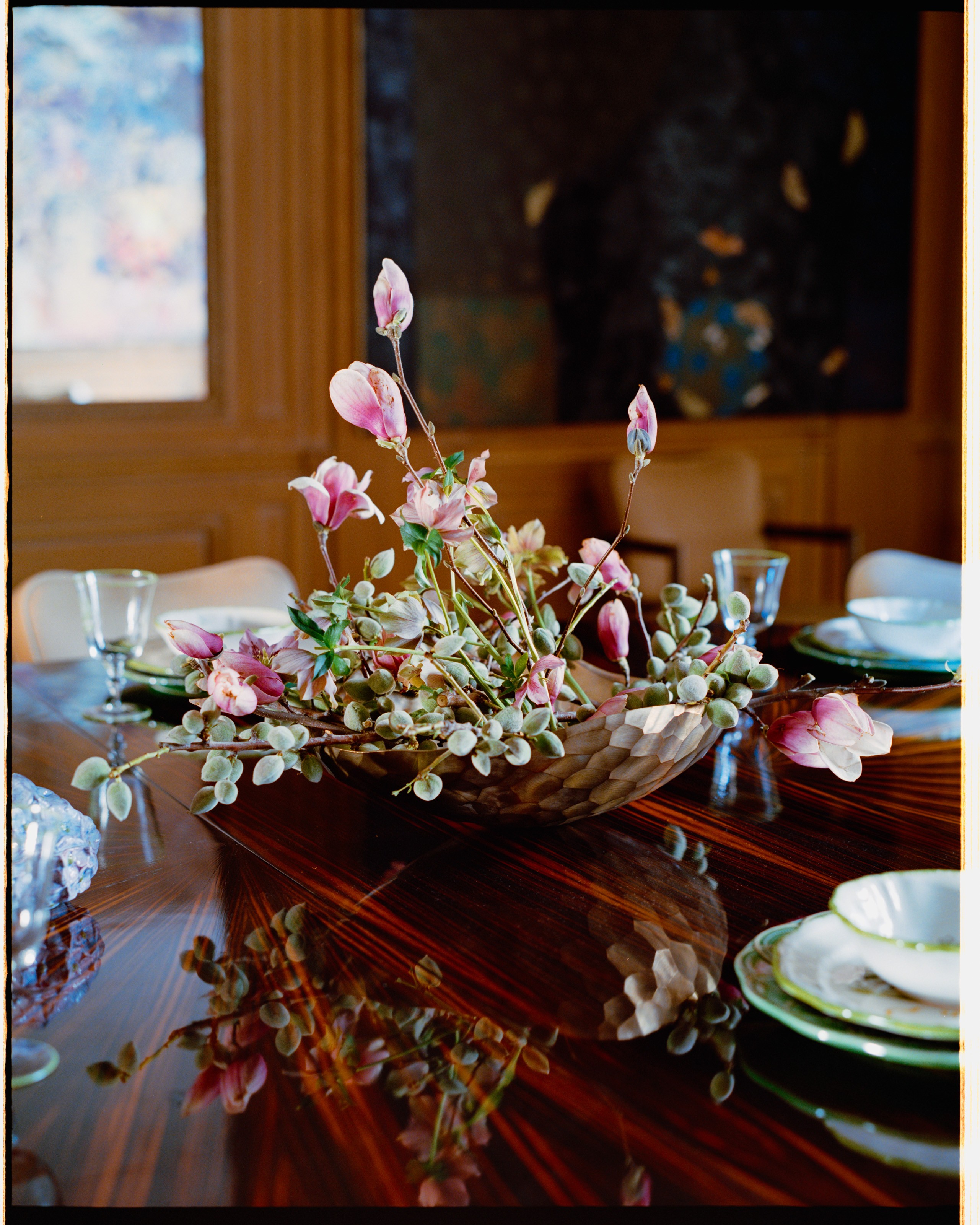
Magnolia, hellebores and almond husks inside of a garden-inspired dining space designed by Rob Johansen.Photo: William Jess Laird.
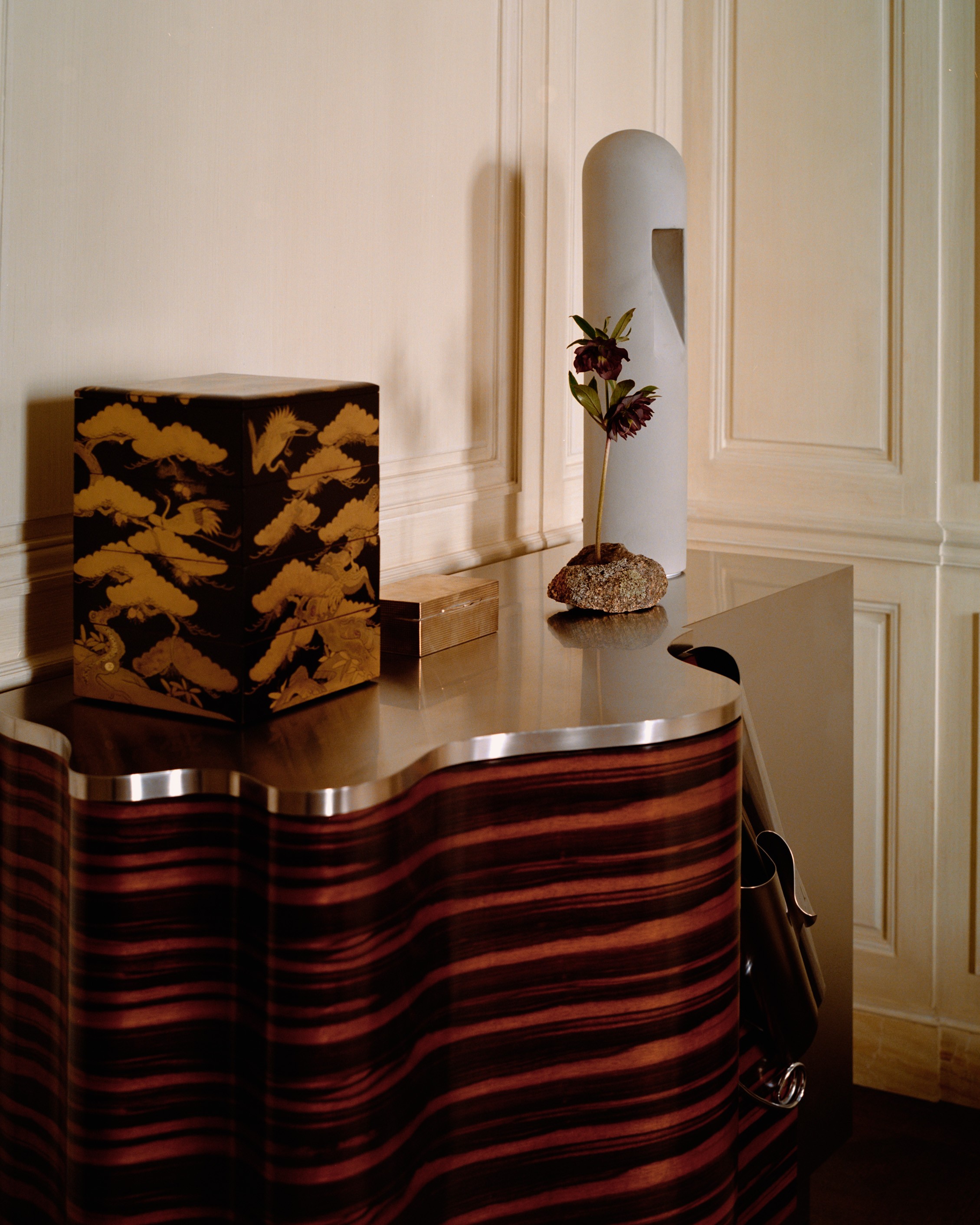
A single Hellebore stem inside of an apartment designed by Rob Johansen.Photo: William Jess Laird.
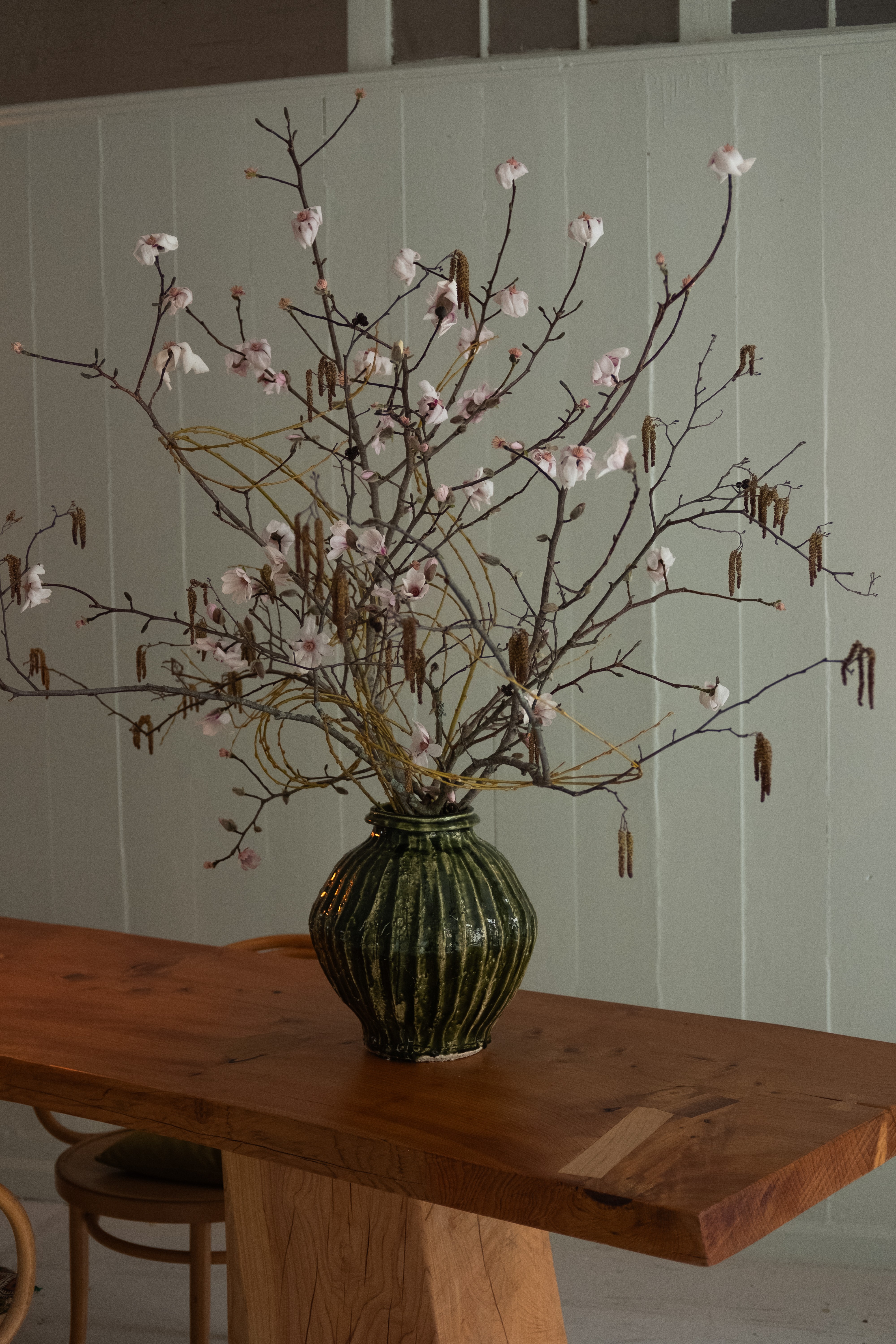
A beloved trine: magnolia, willow and birch with catkins. This was the entryway intervention at Tiwa Gallery for our dear friend Cadis' show. Photo: Field Studies Flora
A private spring luncheon at La Mercerie. Photo: Andrea Gentl and Martin Hyers
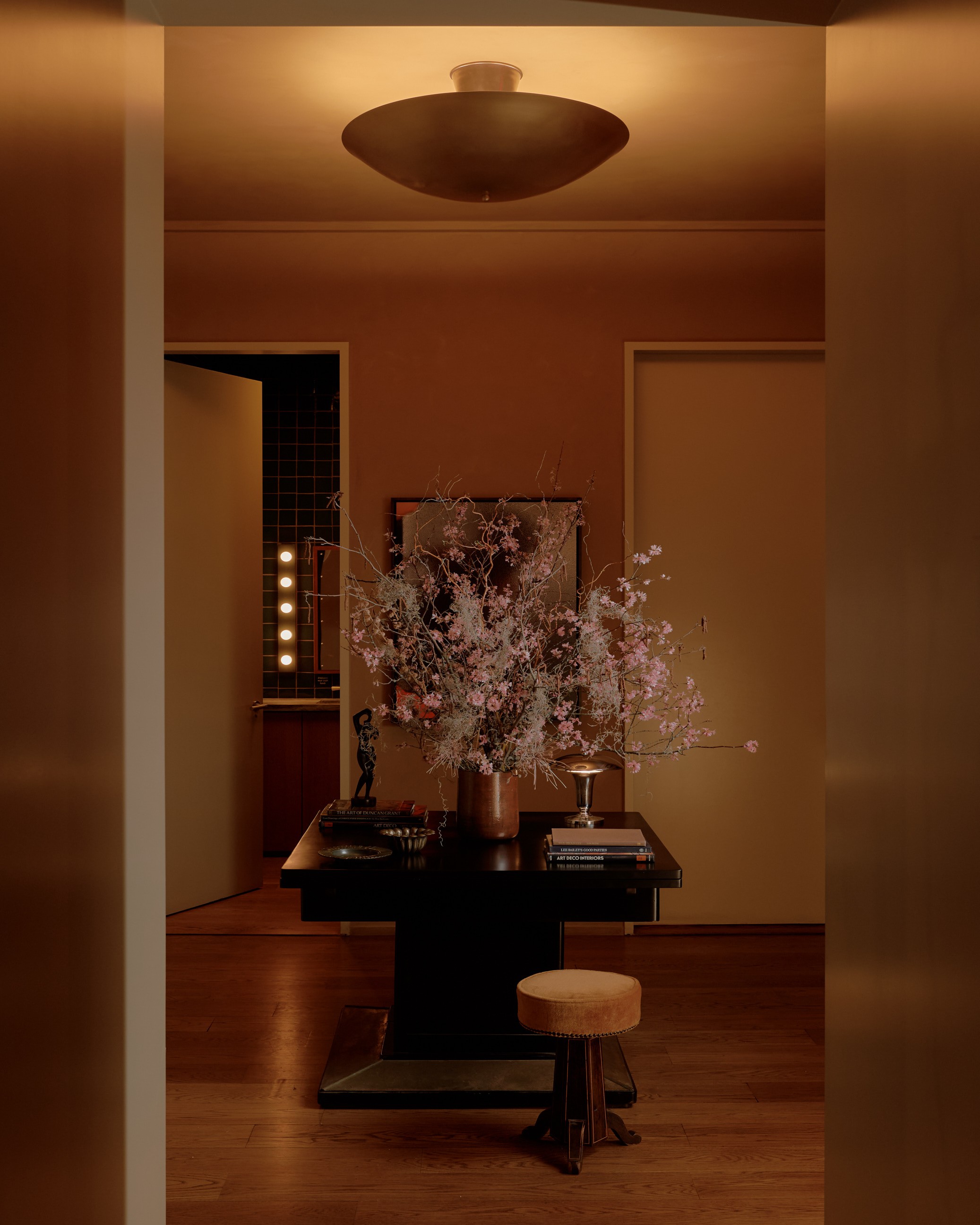
Frothy cherry and Spanish moss displayed in the antechamber of Quarters. Styling: Tim Brown, Photo: William Jess Laird
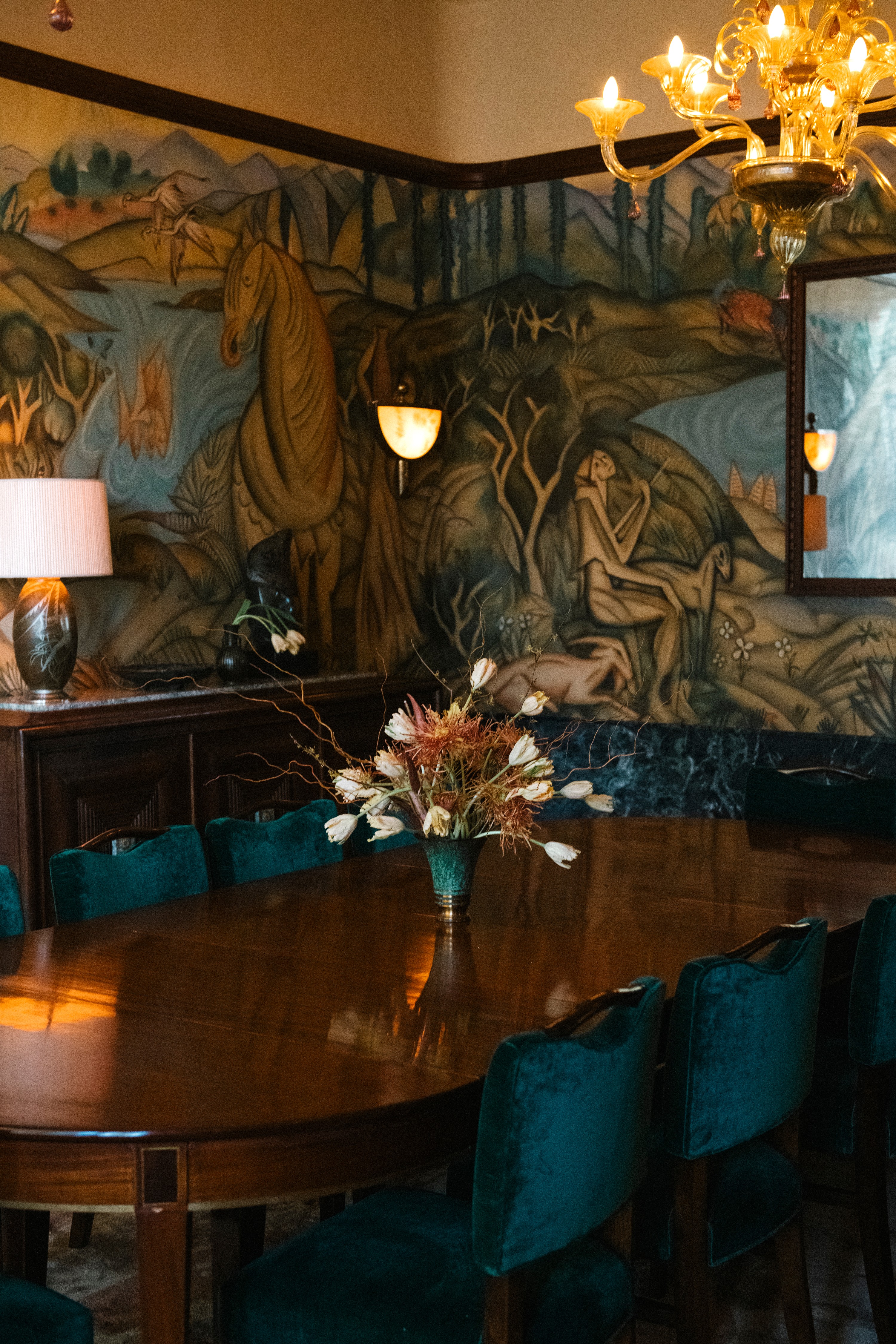
Inside the hand painted private dining room at Locanda Verde Hudson Yards. Photo: Adrianna Glaviano.
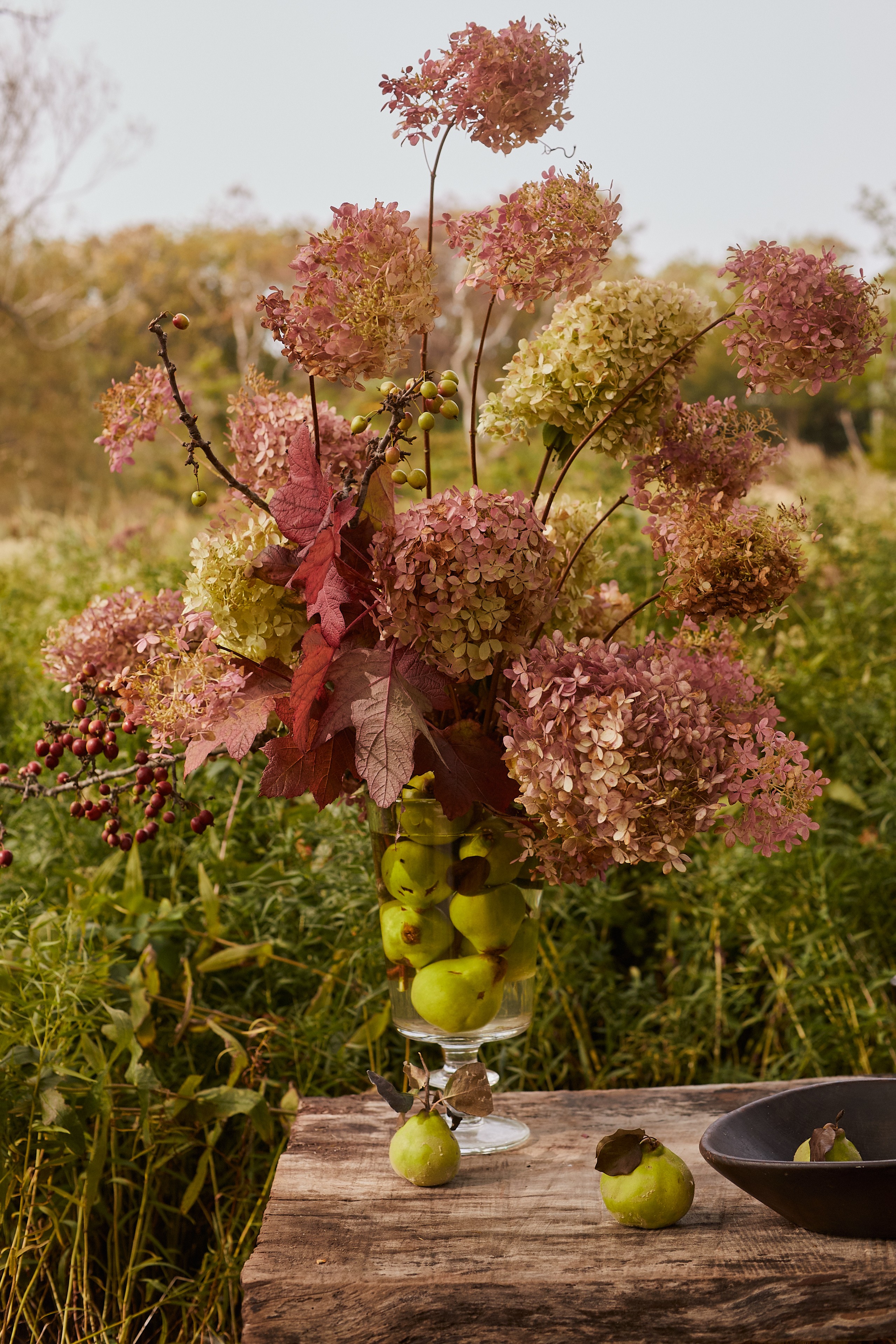
Hydrangea and electric green quince for The Financial Times story on Roman and Williams. Photo: Billal Taright