

Family Style at Somerset House
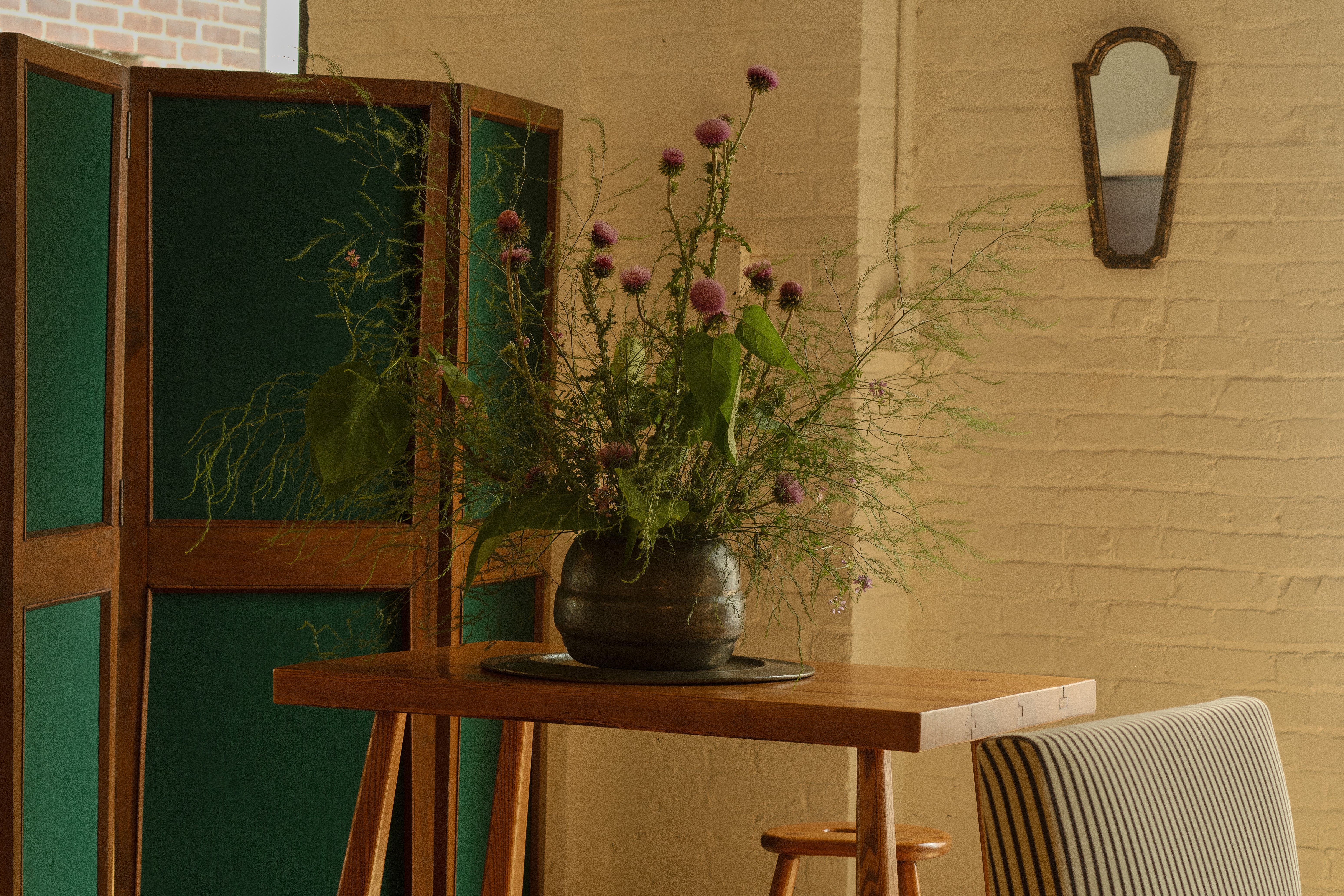
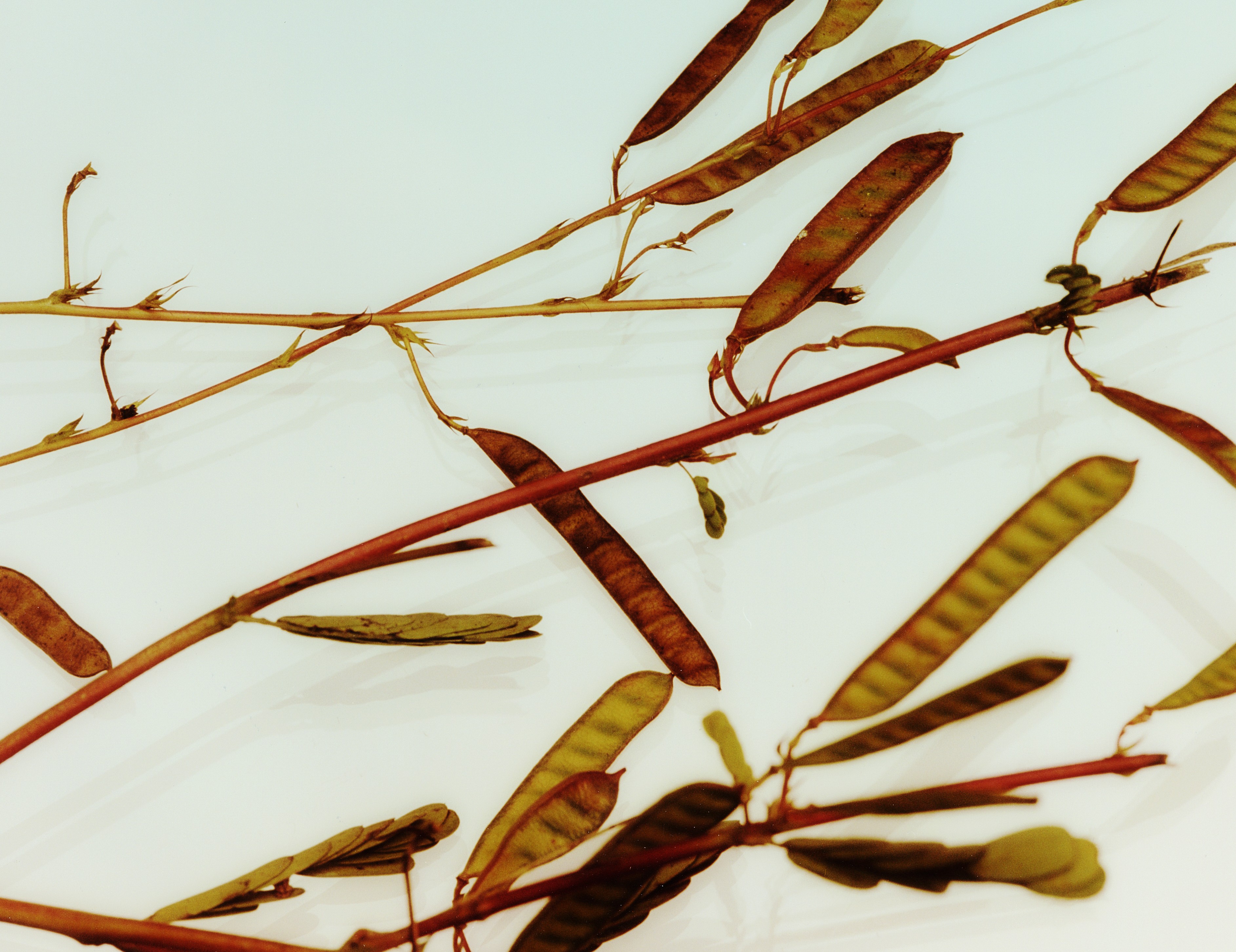
fig. i, Bull thistle, asparagus foliage, crown vetch and catalpa branches; three weeds and a spring snack arranged in nature’s reflection. Photo: Marco Galloway.
fig. Ii, A perfect example of one of our favorite foragers' handiwork. This right angled daisy grew along the ground and sprouted stems which reached their blooming heads upward. Cut by Spadflora, and placed in a pewter vase at Somerset House, we showcased this ankle-high wildflower, and it's beautiful bend, near eye level for all to see. Photo: Marco Galloway.
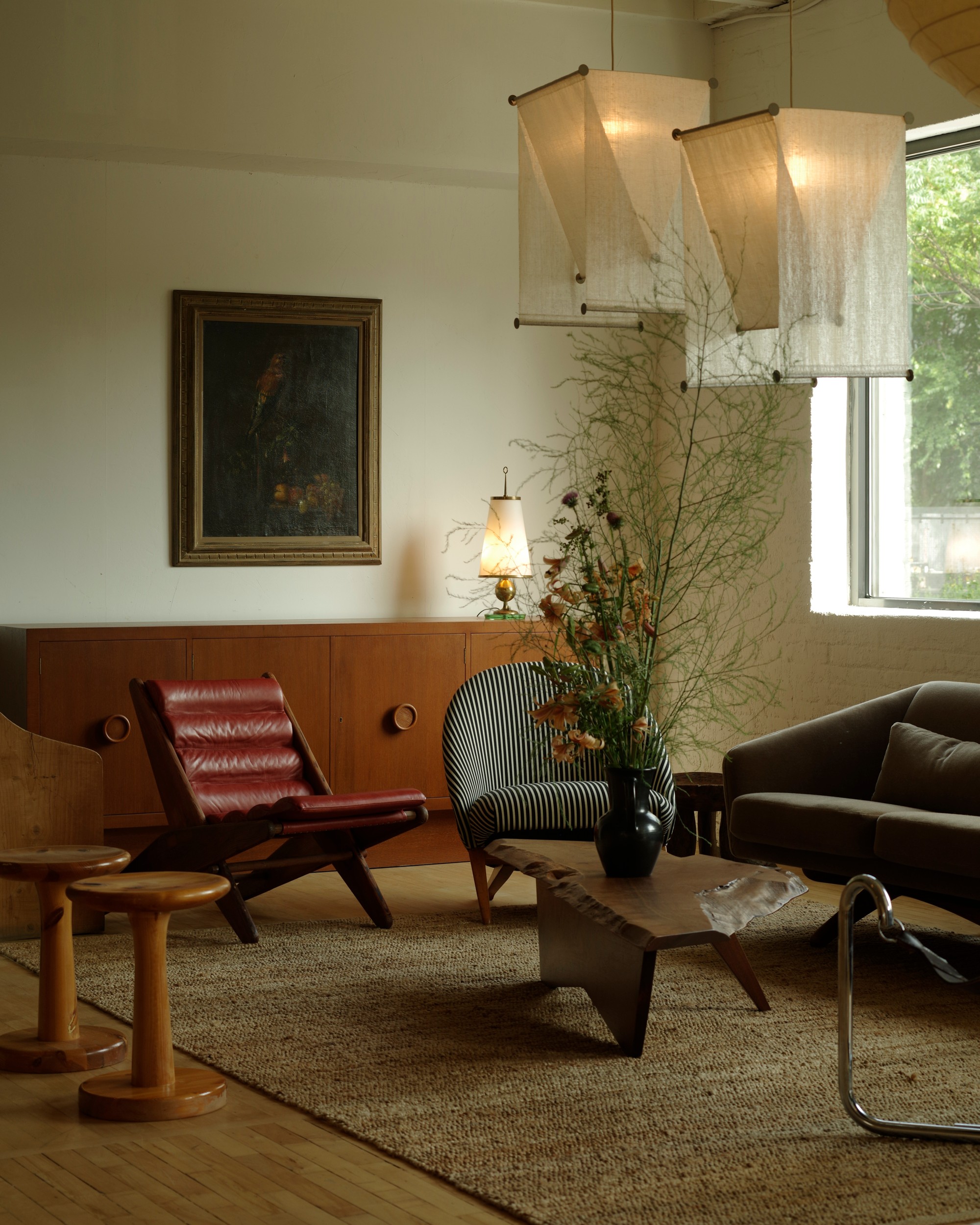
fig. iii, Asparagus and thistle foraged by Spadaflora, plus lilies grown by Lily Bruder of Vanishing Point Farm. Photo: Marco Galloway.
fig. iv, Tiger lilies from Vanishing Point Farm in the Hudson Valley. Photo: Marco Galloway.
fig. v, One of the fifteen arrangements made for this event, in an incredibly special room of Somerset House, painted by Alan. Photo: Marco Galloway.
fig. i, Bull thistle, asparagus foliage, crown vetch and catalpa branches; three weeds and a spring snack arranged in nature’s reflection. Photo: Marco Galloway.
fig. Ii, A perfect example of one of our favorite foragers' handiwork. This right angled daisy grew along the ground and sprouted stems which reached their blooming heads upward. Cut by Spadflora, and placed in a pewter vase at Somerset House, we showcased this ankle-high wildflower, and it's beautiful bend, near eye level for all to see. Photo: Marco Galloway.
fig. iii, Asparagus and thistle foraged by Spadaflora, plus lilies grown by Lily Bruder of Vanishing Point Farm. Photo: Marco Galloway.
fig. iv, Tiger lilies from Vanishing Point Farm in the Hudson Valley. Photo: Marco Galloway.
fig. v, One of the fifteen arrangements made for this event, in an incredibly special room of Somerset House, painted by Alan. Photo: Marco Galloway.
In the first week of summer 2024, our team was tapped to compose interventions reflective of the changes in season for the celebration of Family Style's second issue, a then-new magazine[1] dedicated to creativity, community, and cuisine.
Hosted in the Long Island City showroom of Alan Eckstein, The Somerset House, we were given this brief: create ten complimentary arrangements of varying sizes to be showcased in vessels pulled from the gallery's collection on site ranging in form and feeling from Baroque ceramic pieces to Danish Modern works.

[1], Exploring 'Objects of Affection,' the summer 2024 issue of Family Style was only their second publication. Since its release, the magazine has built a cult-following in circles that can only be described as sublimely inspired. FAMILY STYLE ↳
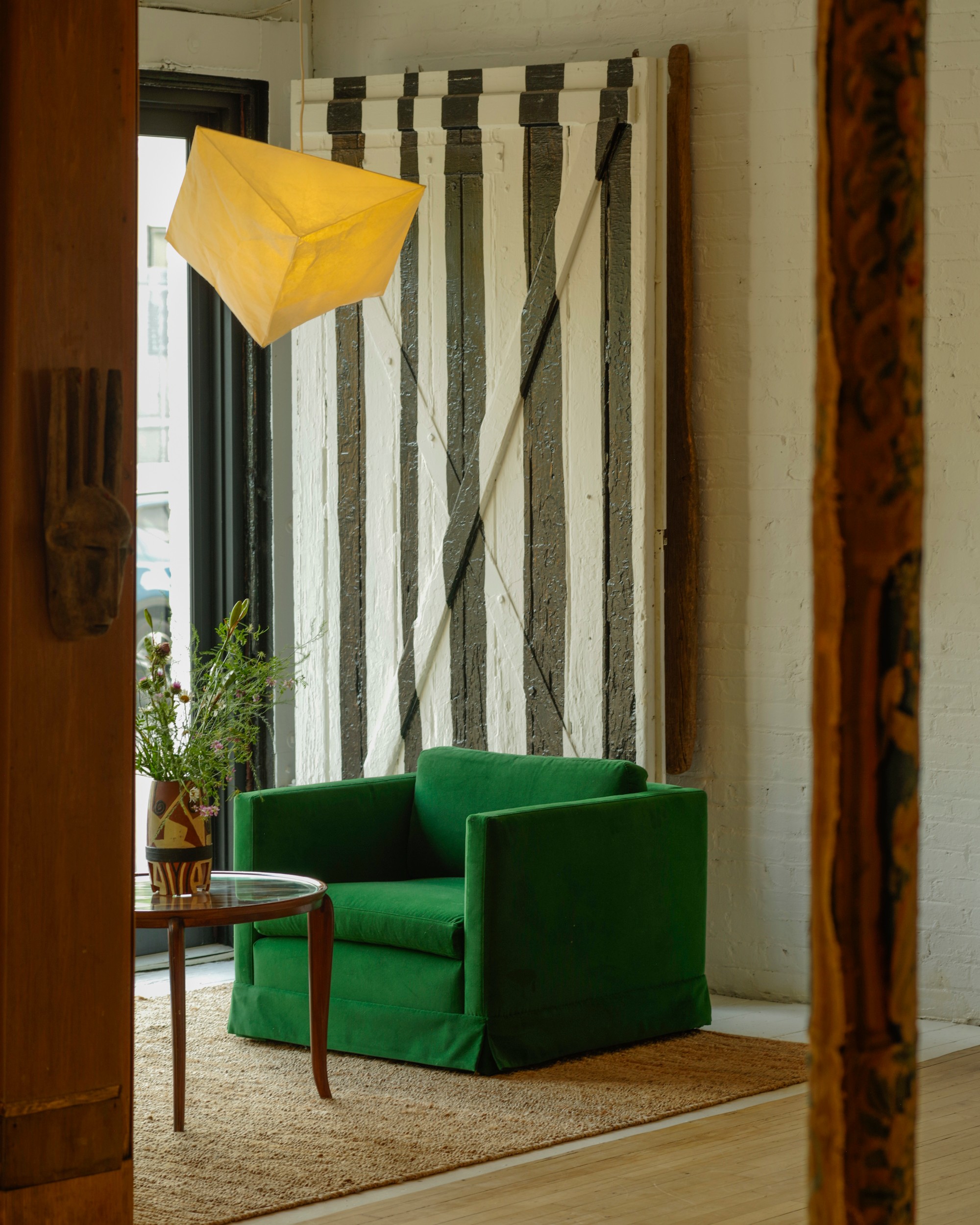
fig. I, A verdant corner of the showroom with crown vetch, iris pods, and bull thistle. Photo: Marco Galloway.
Taking place in a season of abundance, we were spoiled for choice on what local flora we wanted to showcase. So we focused on procuring flora that was site-specific, like Catalpa branches which mirrored the Catalpa tree visible through the showroom windows. Bringing buckets and buckets (and more buckets) of flowers into the space, we spent the day playing with different vessels to find just the right dynamic pairings, often pulling Alan over to review the combinations and discuss how the plants could be in concert with the vases that were holding them. An artist critique.
In preparation for this project, during our weekly sourcing meeting, we went over a list of all the flora we noticed growing near the showroom - northern sea oats had taken over a citibike docking station so we planned to cut a few from that area, bull thistle was springing up the median of a busy street two doors down, and there was a large catalpa tree growing outside in the parking lot of the showroom, visible through one of the large windows in the space. We asked our forager, Nicole of Spadaflora, to find catalpa branches and bull thistle that we could showcase as if the surrounding landscape was making its way into the interior to join the party.
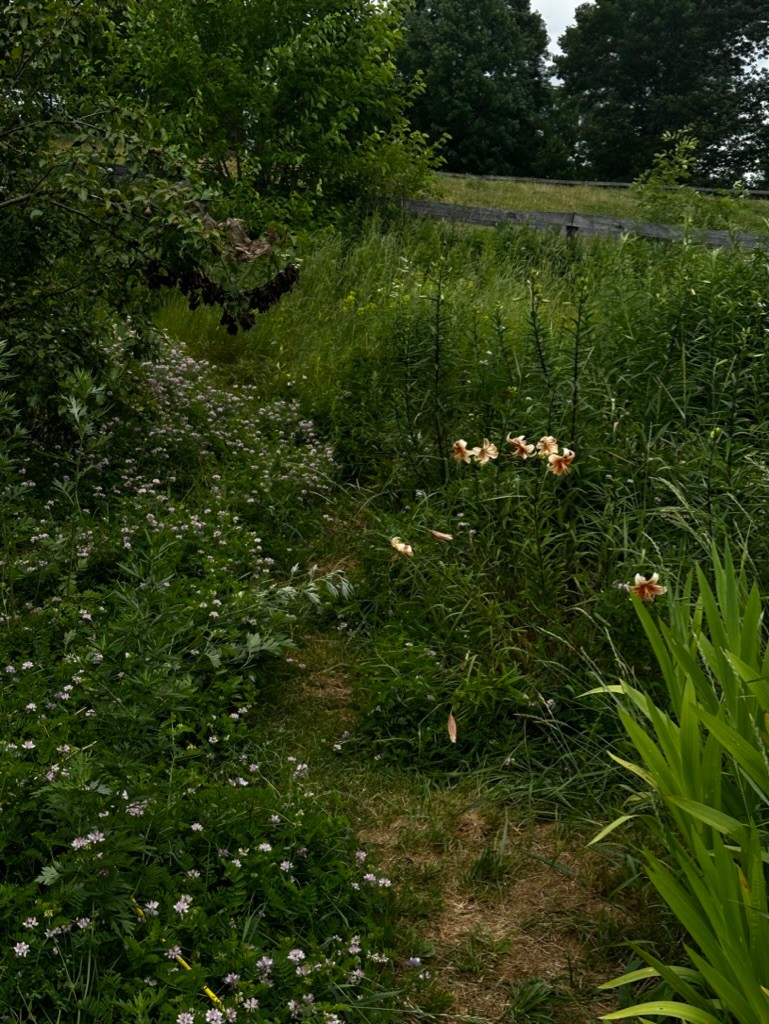
[2], Orange tiger lilies in the fields of Vanishing Point Farm. These exquisetly wild flower farm is a collaboration between head farmer, Lily, and the surrounding ecosystem.
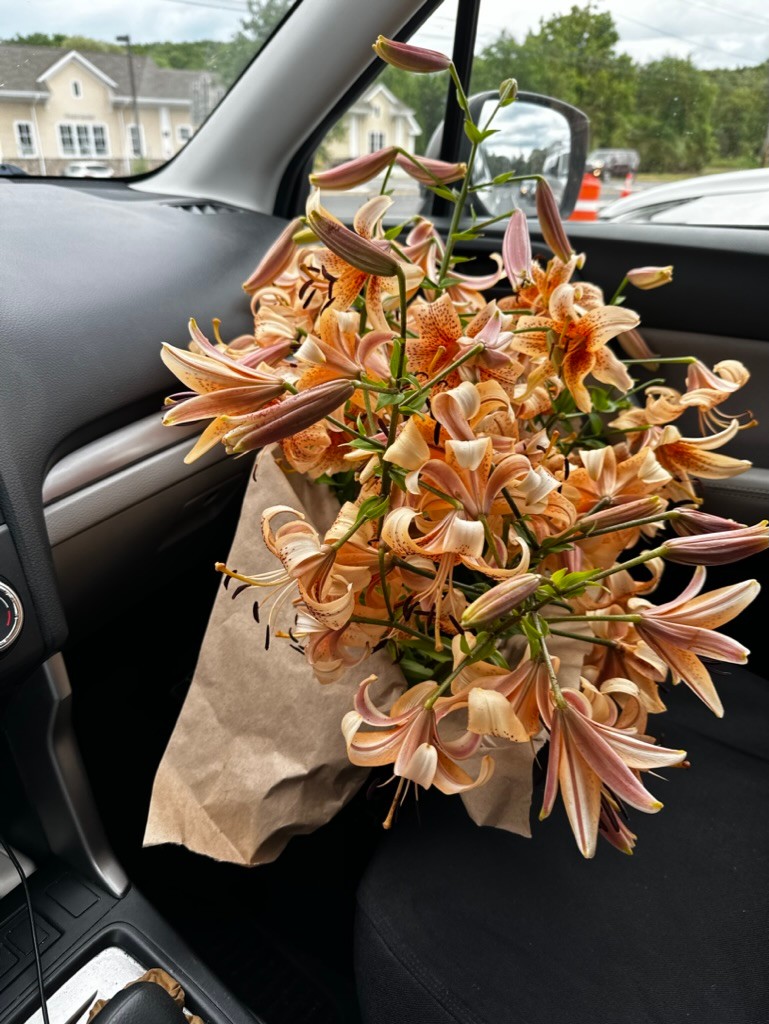
[3] ...and in the car, riding back into the city.
FIG II, Orange tiger lilies procured by Lily at Vanishing Point Farm. Photo: Marco Galloway
In the end, we created fifteen arrangements for the evening featuring all local, often undervalued flora like thistle, aspargus, ox-eyd daisies, vetch and sedges of various kinds.
Perhaps our favorite of the bunch came from Lily at Vanishing Point Farm[2] in the Hudson Valley who procured the most exquisite orange tiger lilies[3] that were exclusively displayed in the lofted back room of the gallery, which, if you've never been to the space before, feels a little like a secret treehouse.
Elements (6)
View Index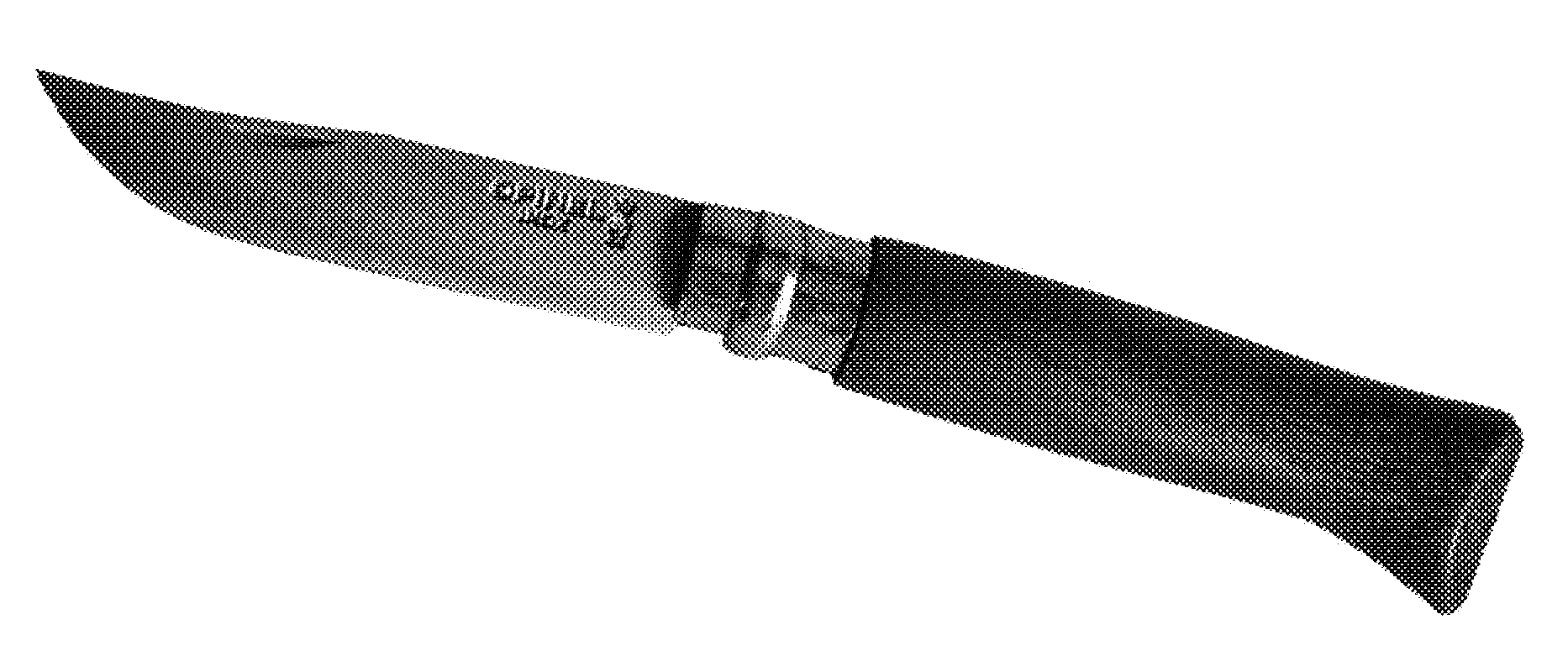
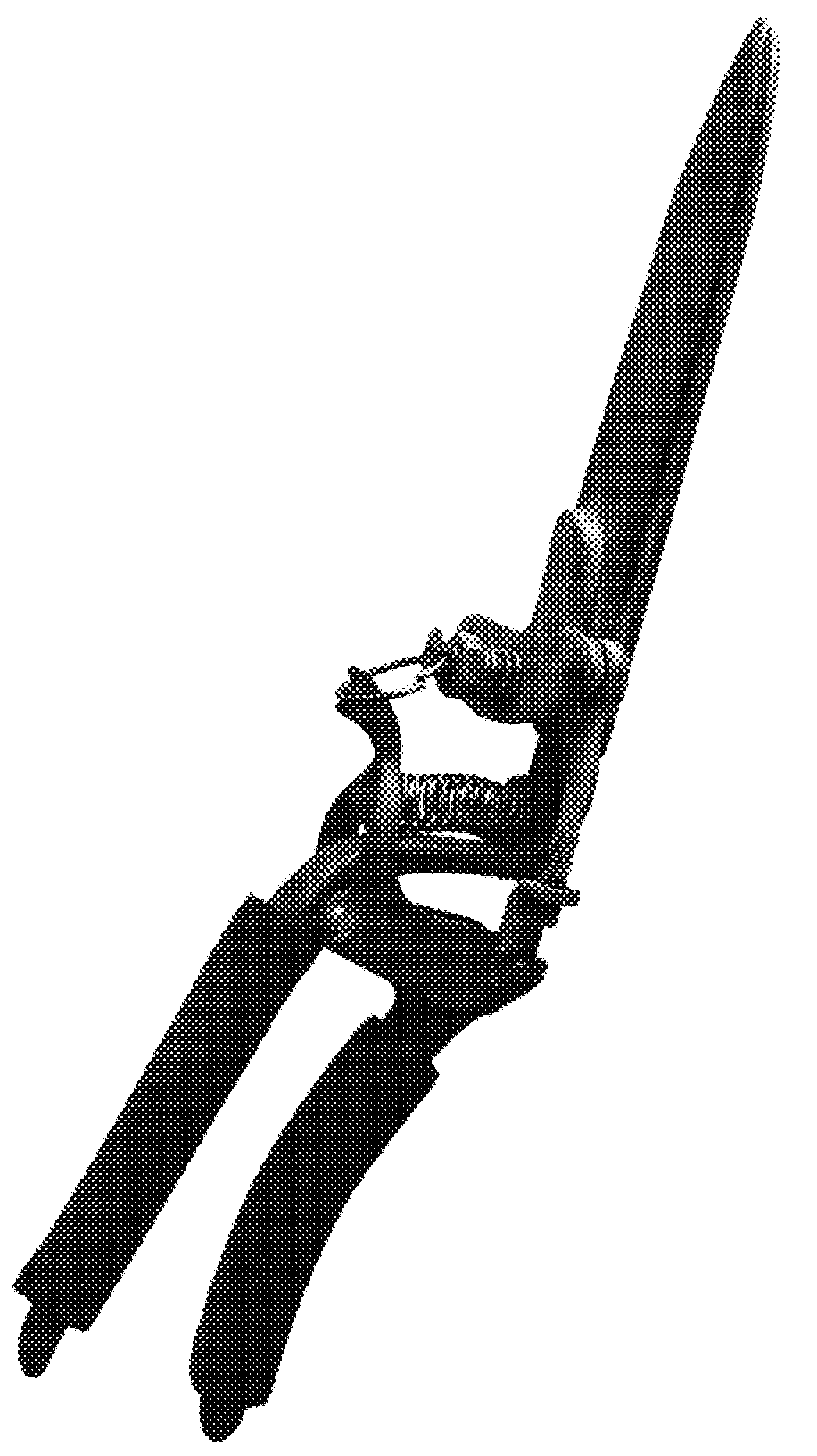
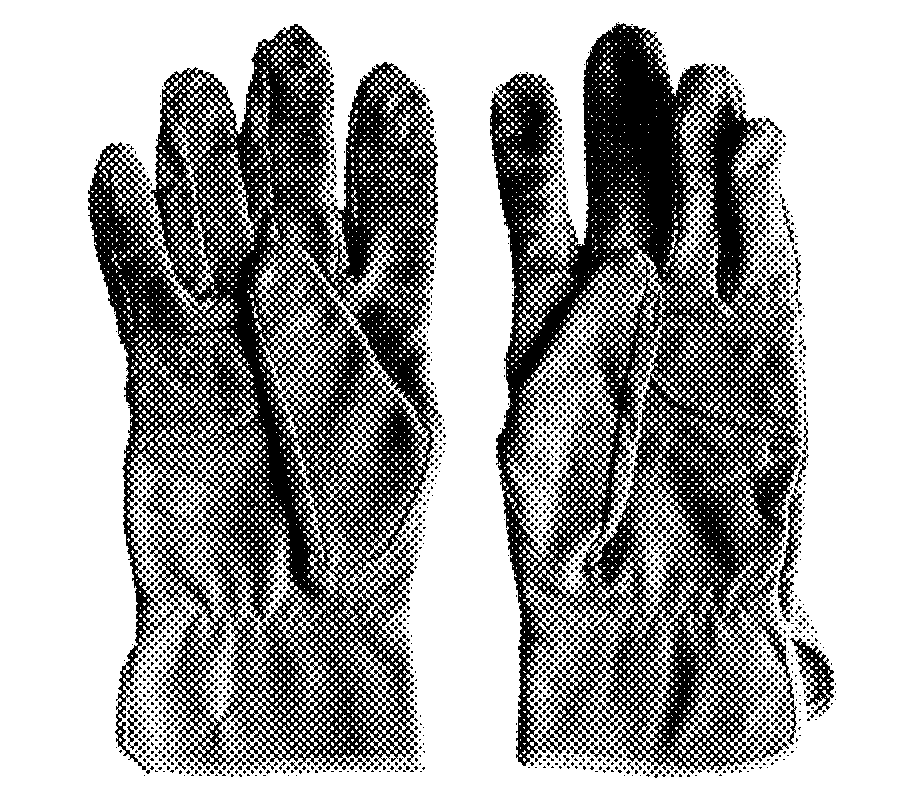
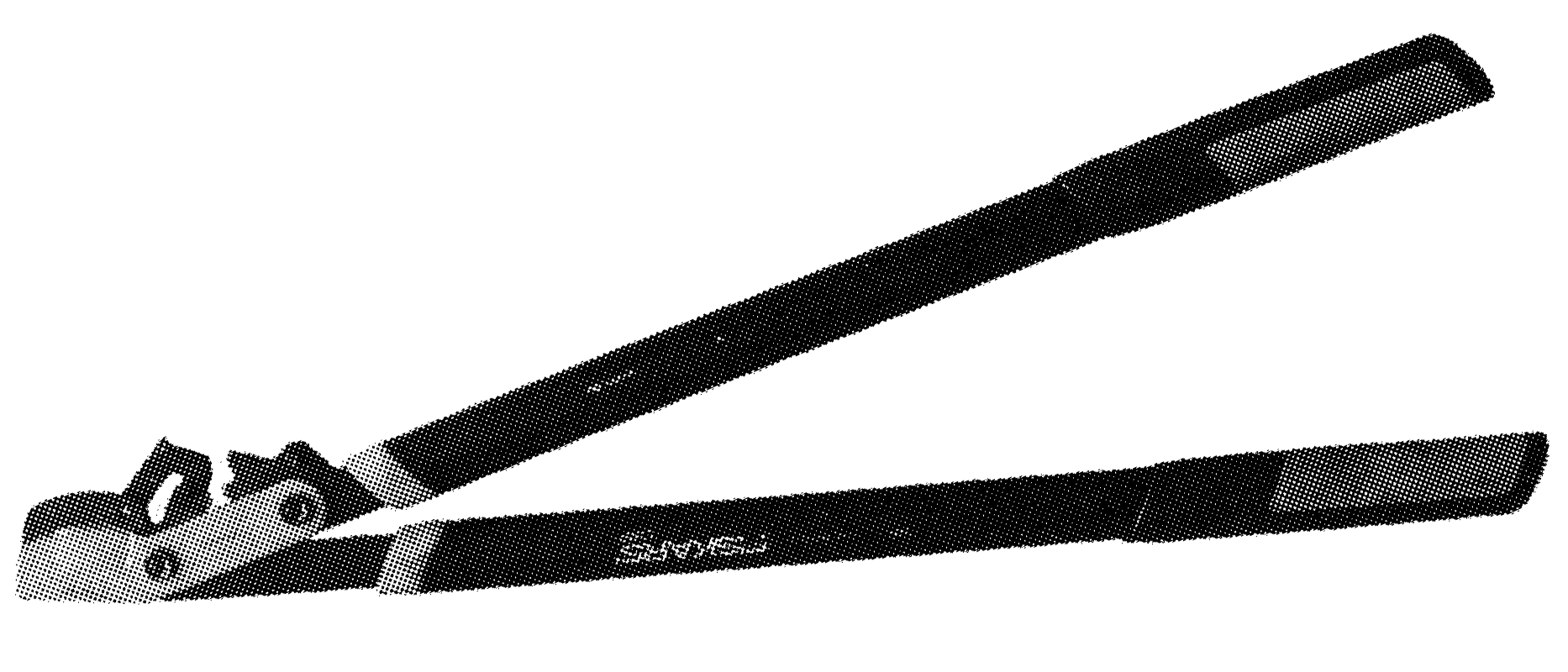
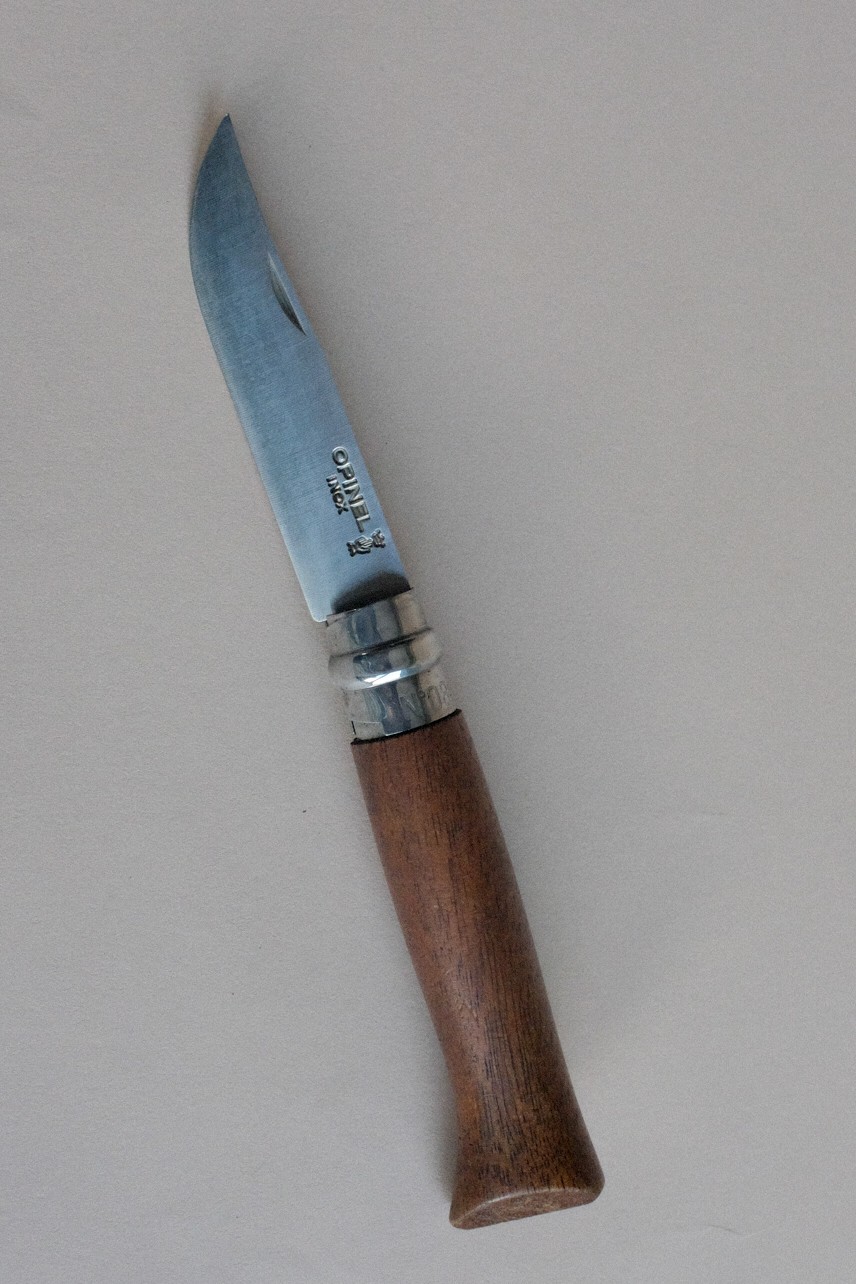
A florist without tools is like a flower without water. You’d be hard-pressed to find our founder Alex Crowder without her go-to folding knife, Opinel No. 8. A classic, these knives have been hand-crafted in France since 1890. As the makers put it, this blade is perfect for everything from “sharpening your pencils to pruning your roses.”
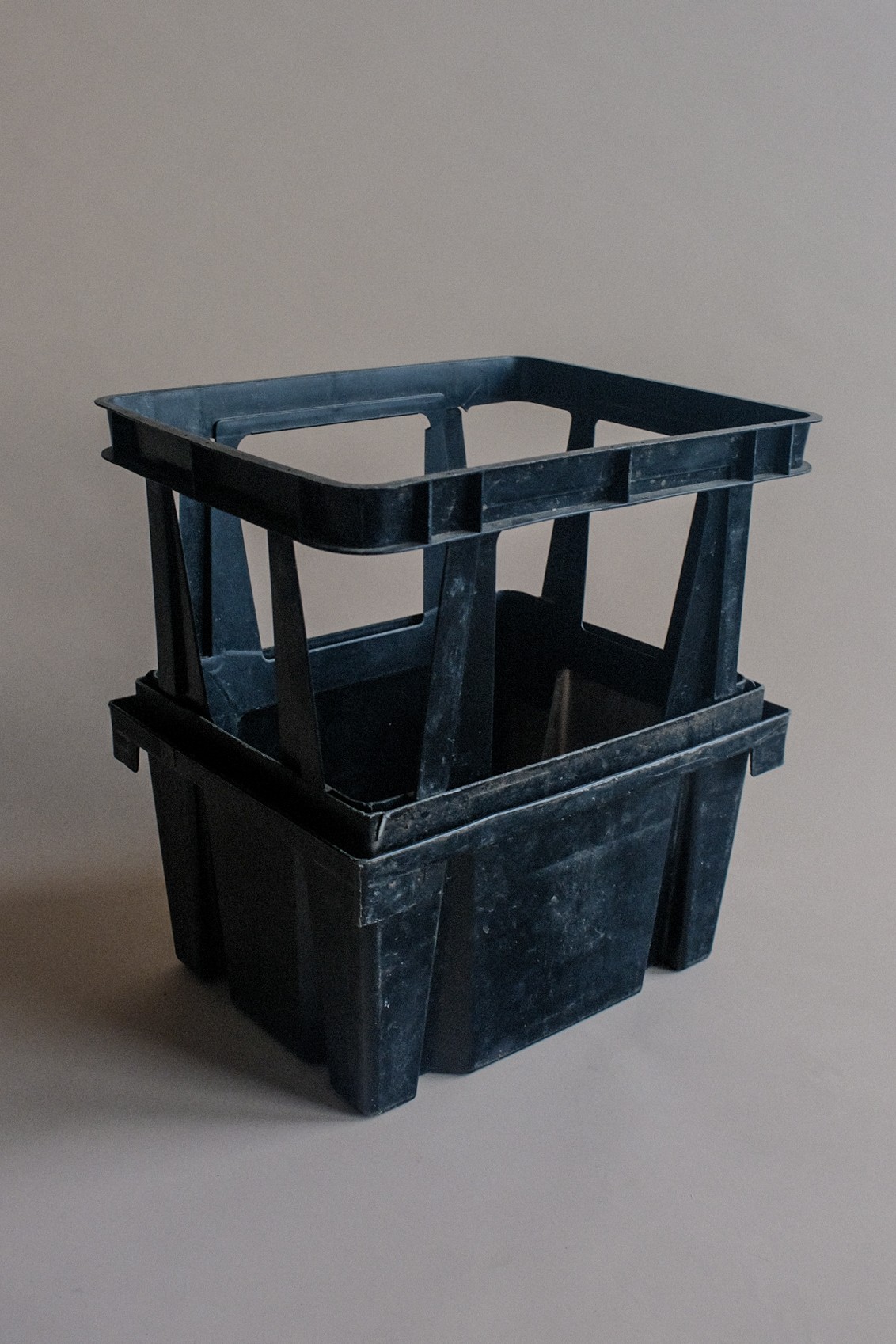
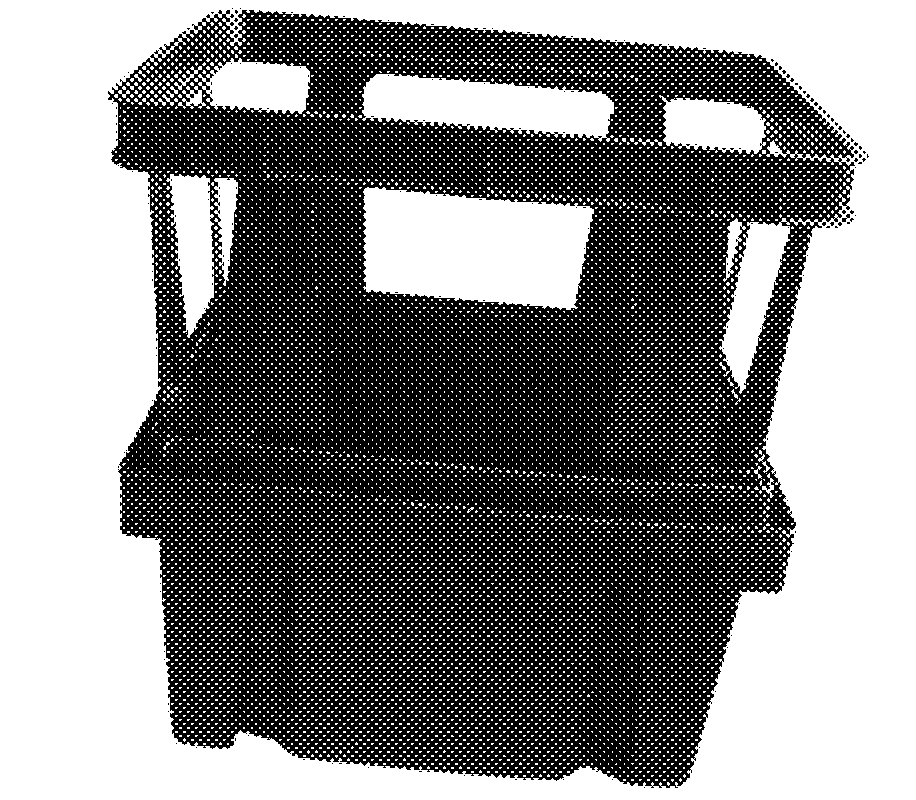
All kinds of them. Gallon buckets from hardware stores, square procona buckets (stackable, good for air flow and long commutes), and regular floral buckets too; these are the long, tall ones you see outside of flower shops.
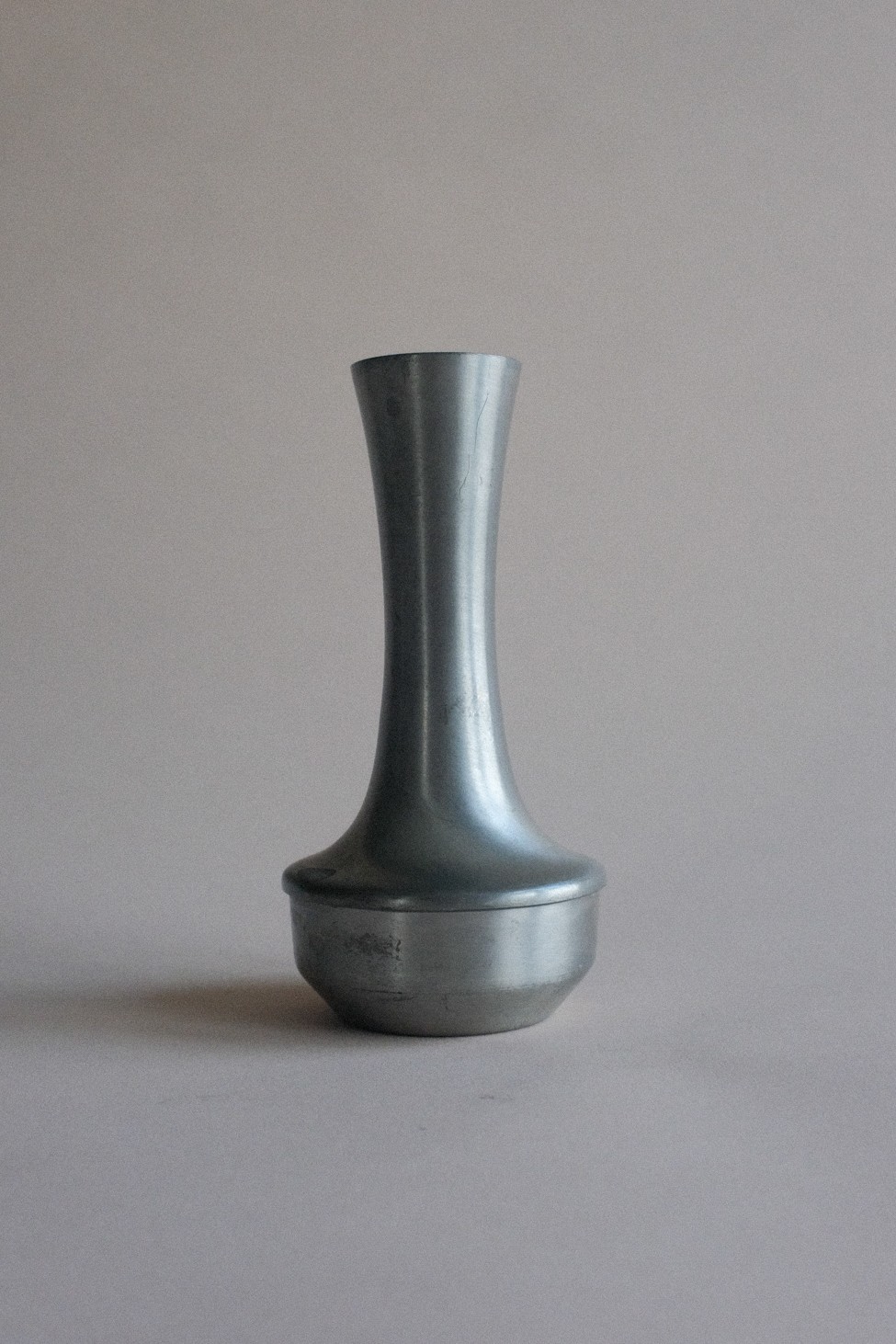
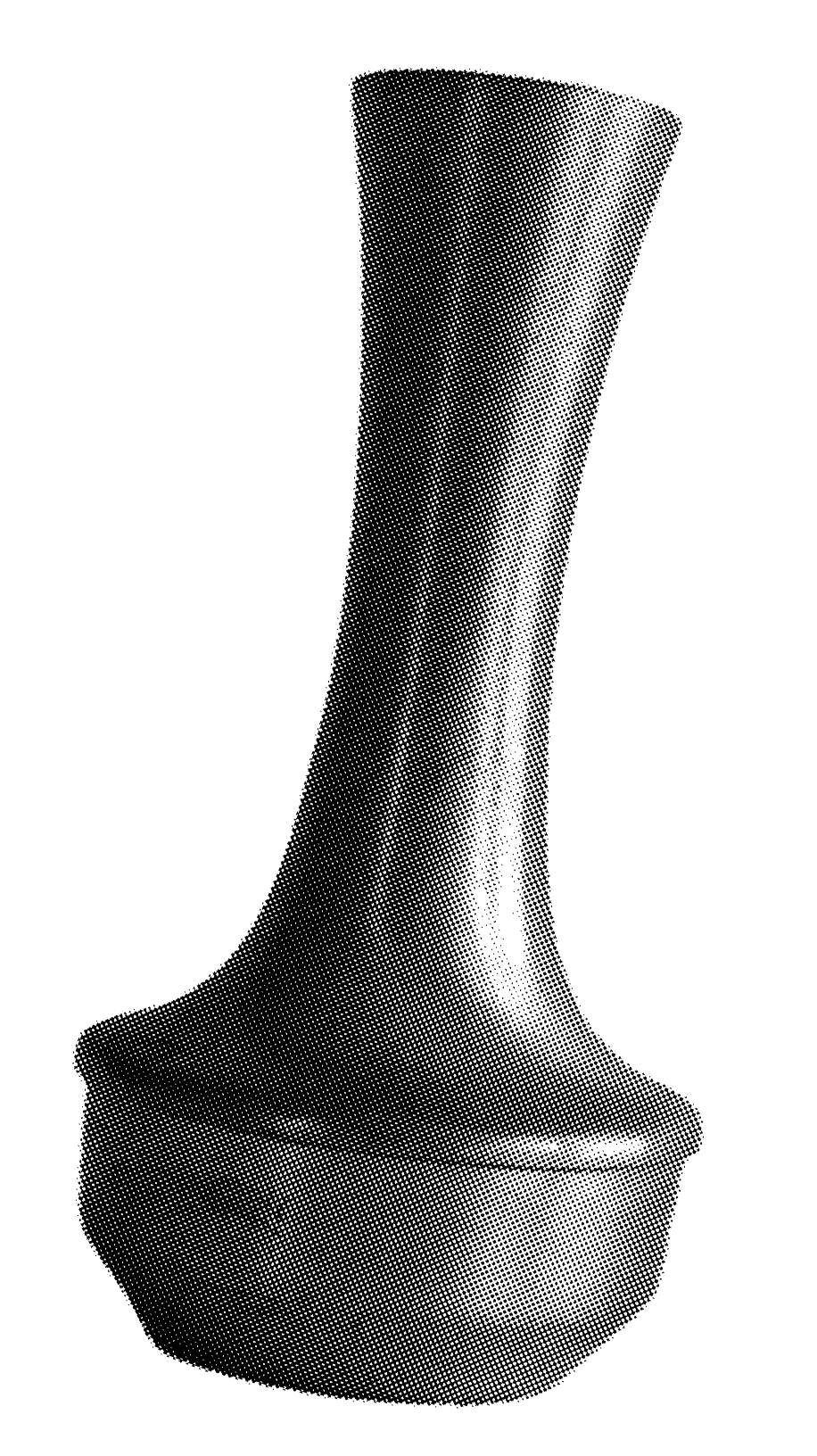
A petite vessel. A bud vase is best utilized to showcase an equally miniature jewel of a flower. We like to feature them on tabletops, showcasing bijou flowers that grow from ankle to calf height, elevating what is often missed at eye level. Bud vases can come in a variety of materials and do well clustered in odd numbers.
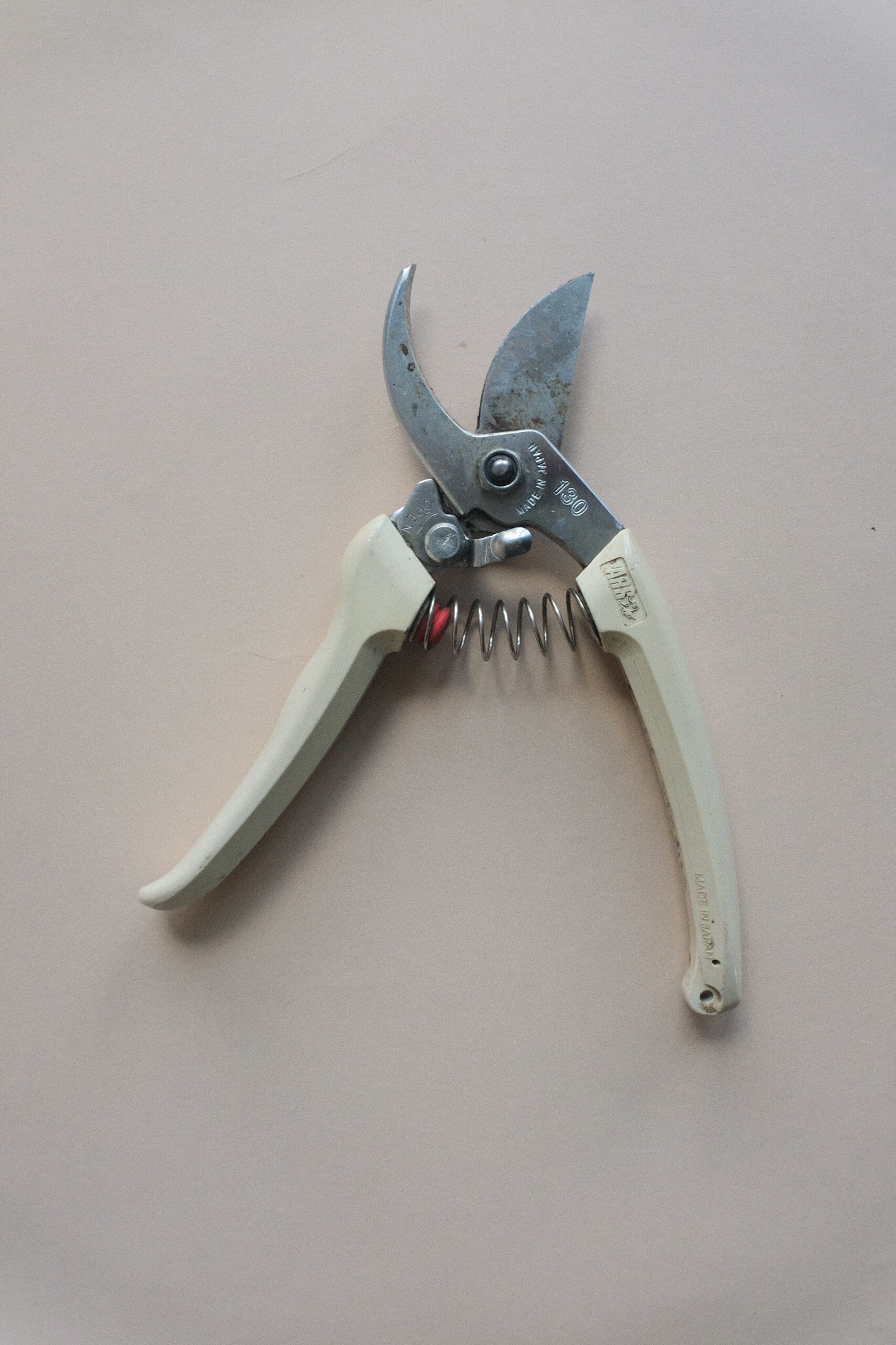
Lightweight and low-fuss, a basic pair of shears could be used hundreds of times a day in the studio or on-site. Perfect for trimming twigs and medium-sized stems, we use our shears not just for stylistic arranging, but to protect flowers when cutting them to ensure that their ends remain open to water intake and we find that these ars shears are the most durable and comfortable in our hands.
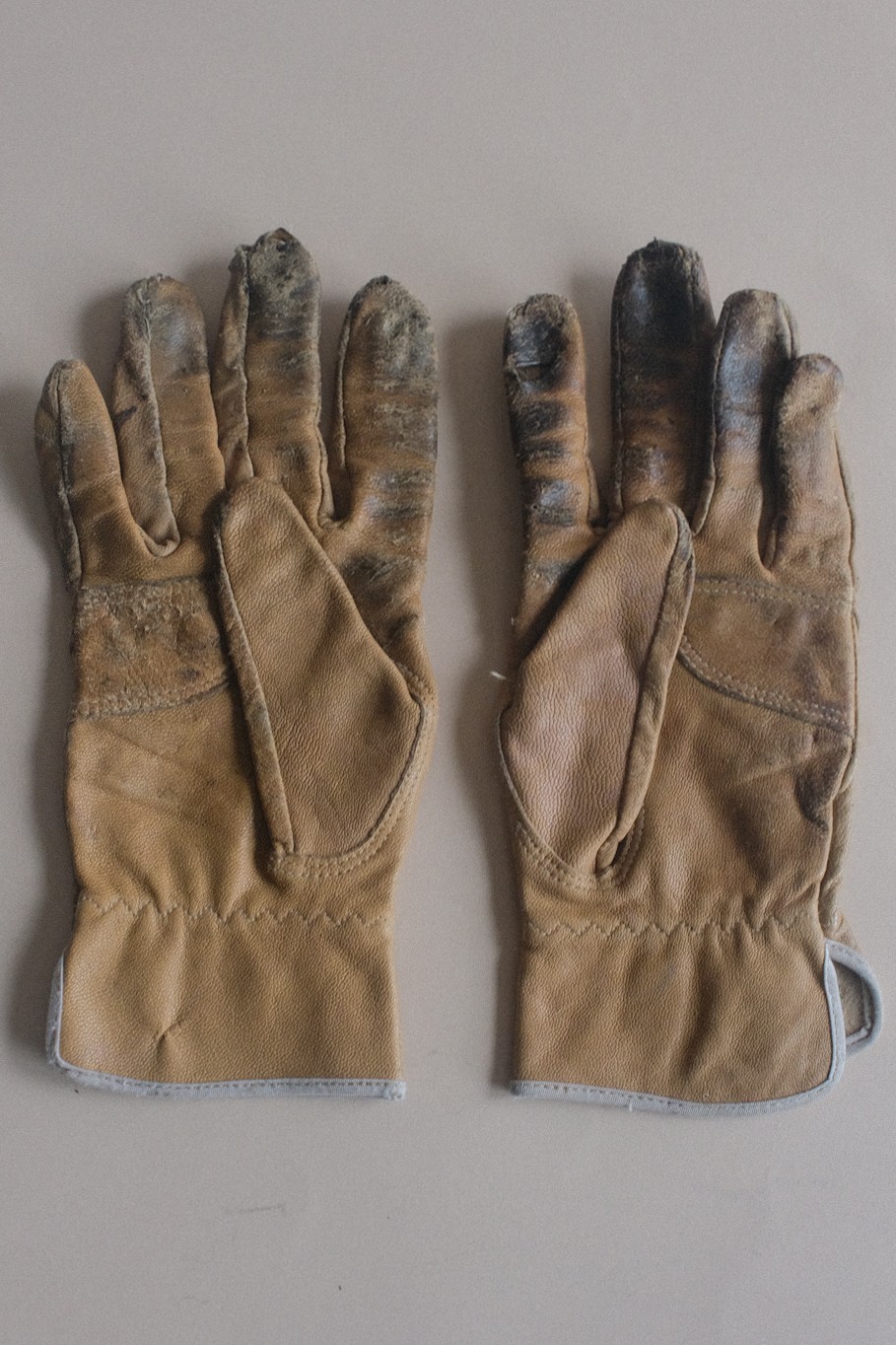
Florists’ hands are strong and scarred by errant thorns, or our own tools. While working with sharp or barbed elements — particularly the brambles of blackberries or multiflora roses— it's paramount to protect oneself from the sharp edges of beautiful things. While a deep slice by shears on a finger or two is seen as a rite of passage, leather gloves are a must when wrangling prickly flora on the job.
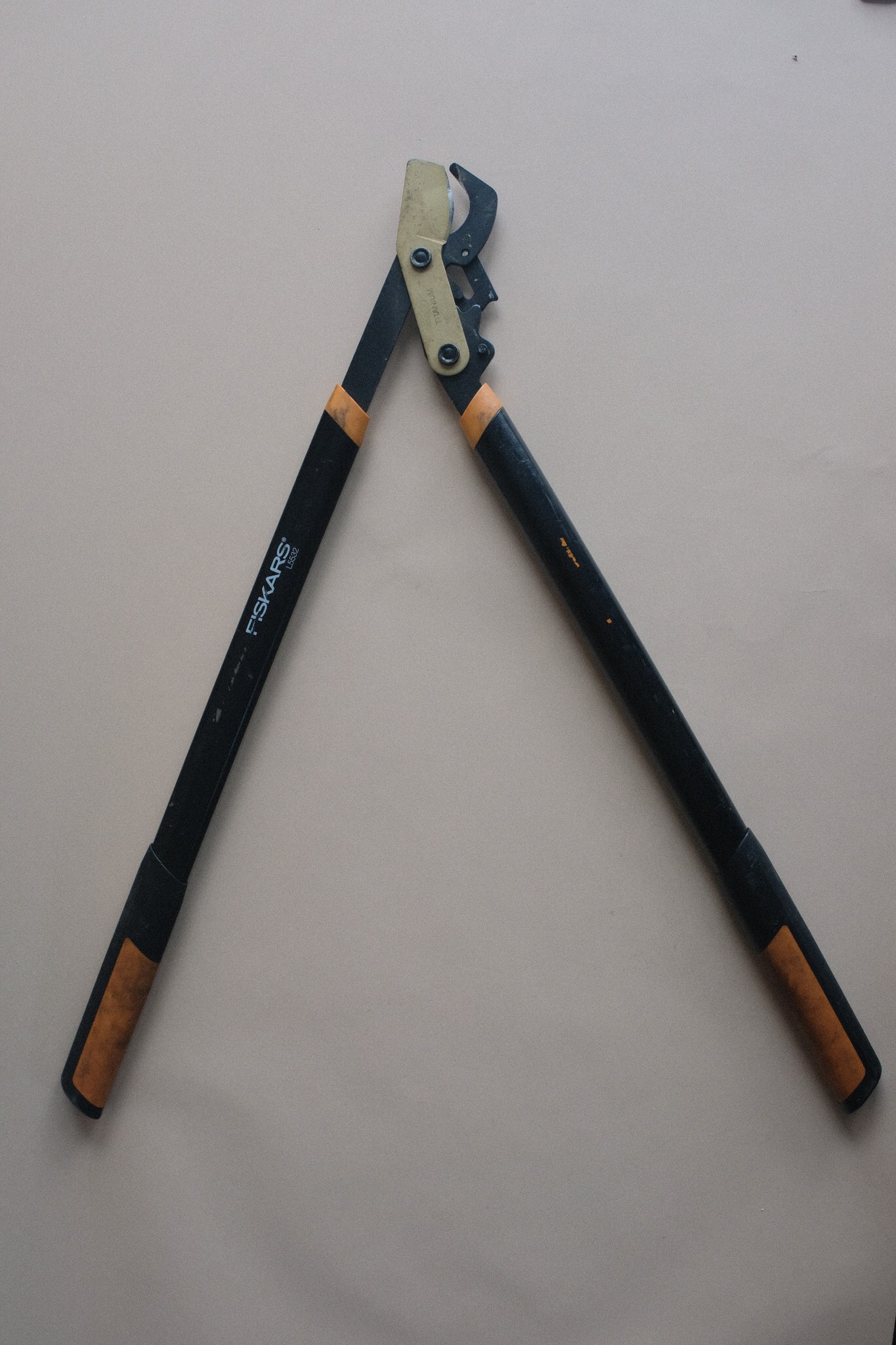
Another tool for smooth and easy pruning, loppers allow us to cut back thick and woody branches like Magnolia and Mountain laurel that are impenetrable with our other tools.
Archive
Archive
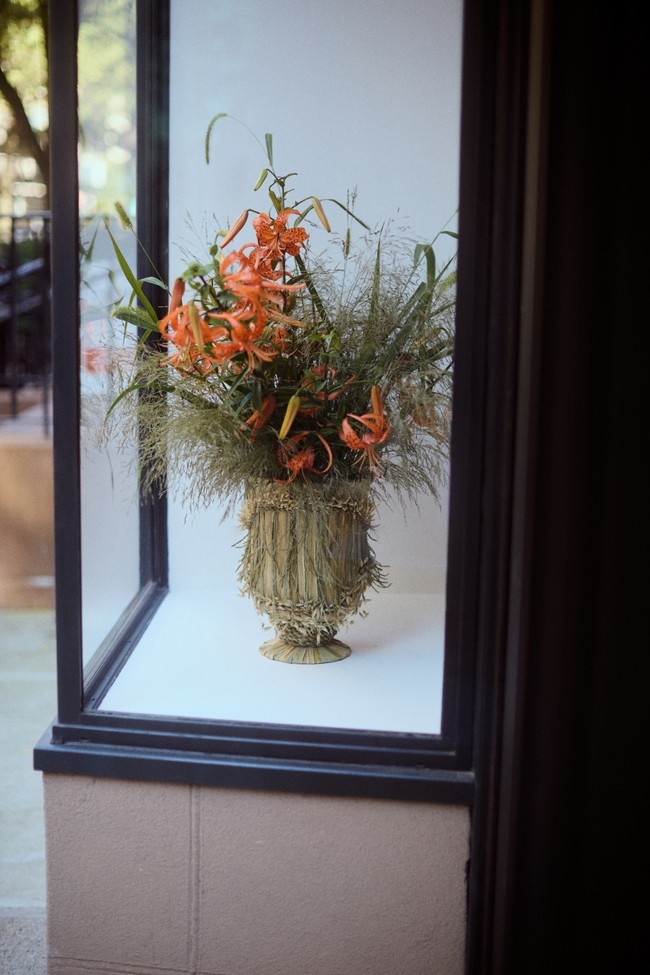
Vibrant tiger lillies and blueberry branches. Photo: Alyona Kuzmina.

Magnolia, weeping willow and azalea buds inside of a tranquil space designed by Rob Johansen and photographed by William Jess Laird.
Orange tiger lilies in a subtle yet significant vessel in the back room of Somerset House. Photo: Marco Galloway
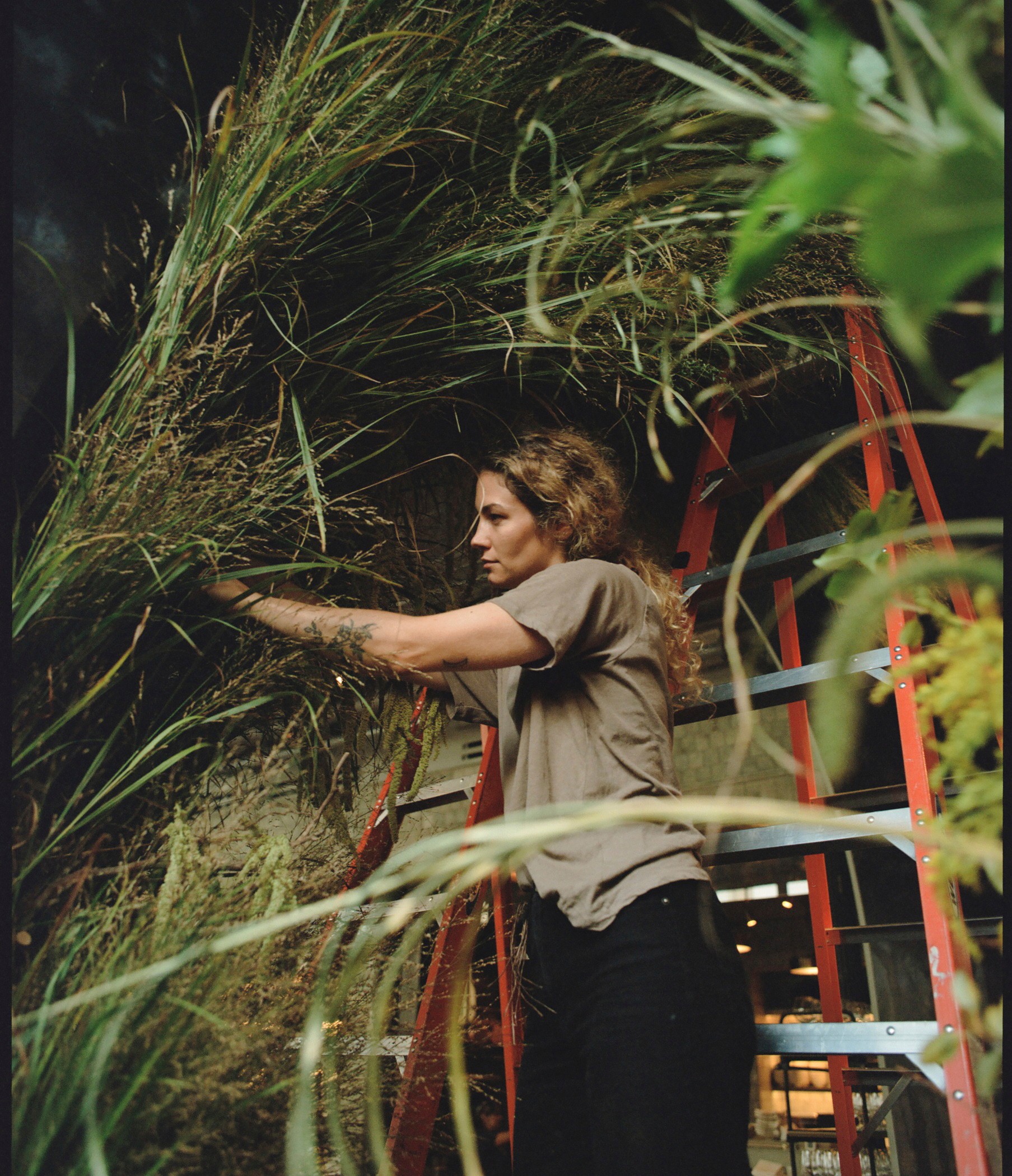
The archway at Roman & Williams, adorned in late summer’s finest foraged greens. A slurry of grasses were nestled into an armature of mountain laurel and garnished with long green-bean-looking catalpa pods to create this vertical meadow of fringe which crawls 14 feet up the wall and arcs over guest below. Photo: Austin Sandhaus
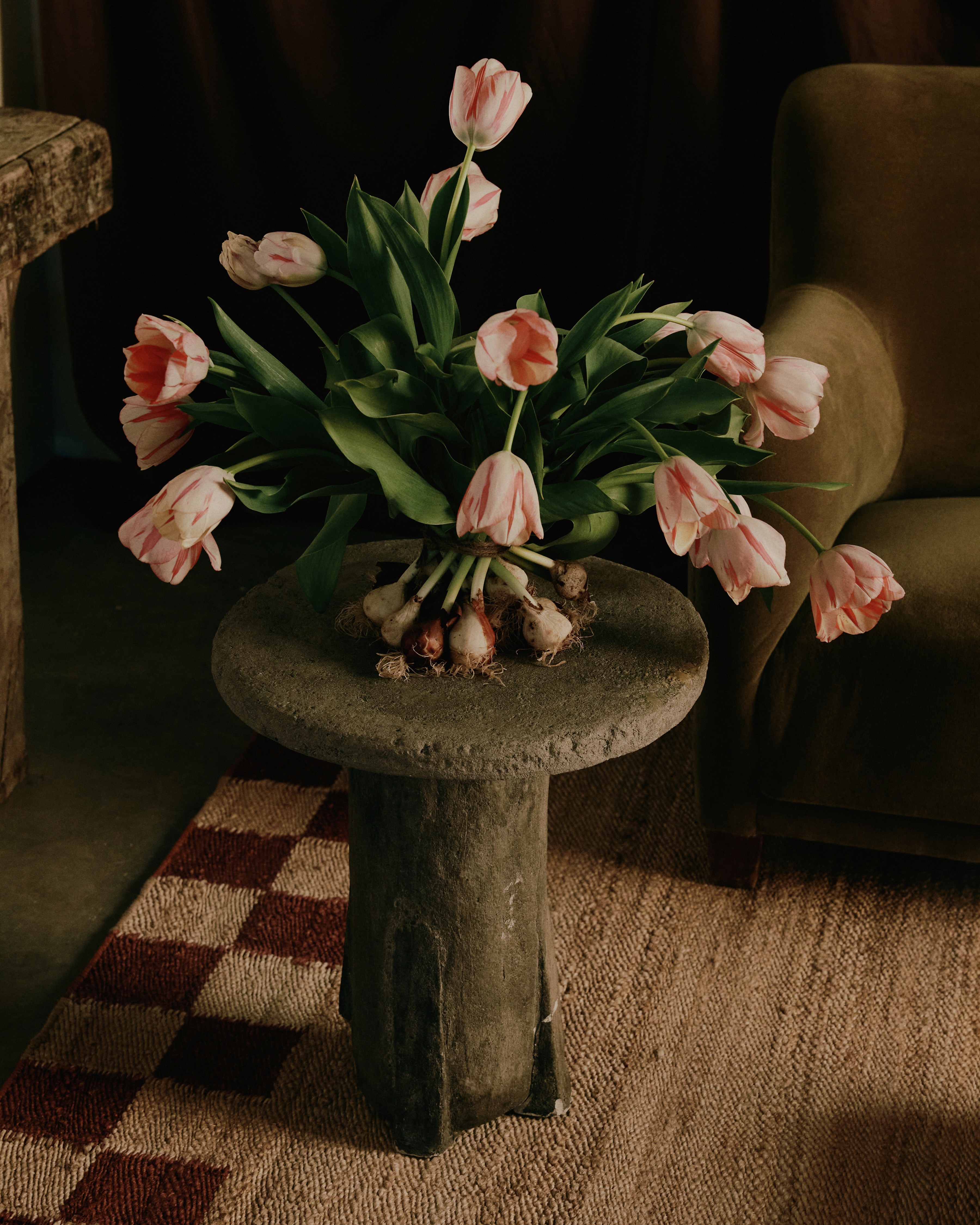
Tulip season for Nordic Knots shot and styled at Galerie Was. Photo: William Jess Laird
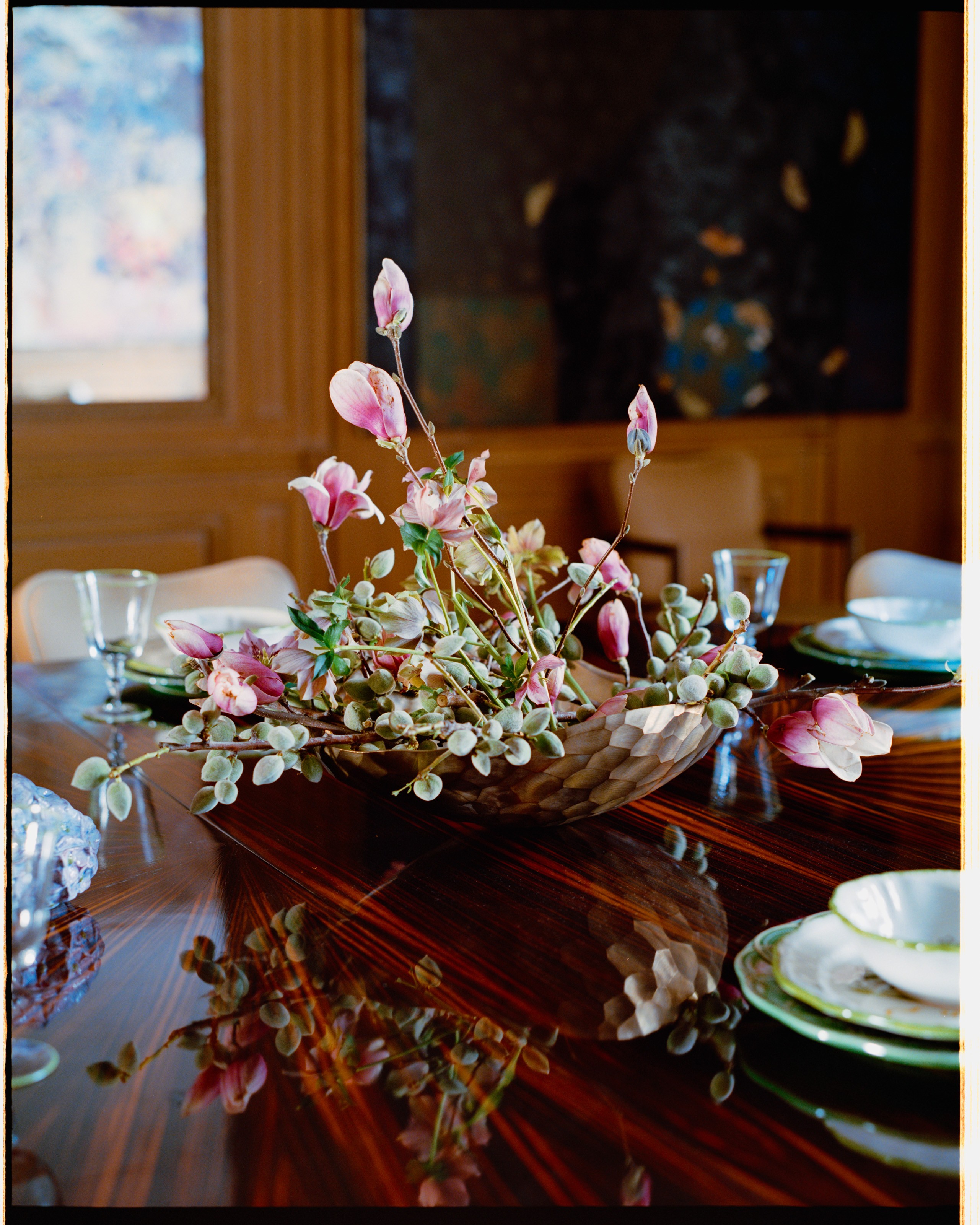
Magnolia, hellebores and almond husks inside of a garden-inspired dining space designed by Rob Johansen.Photo: William Jess Laird.
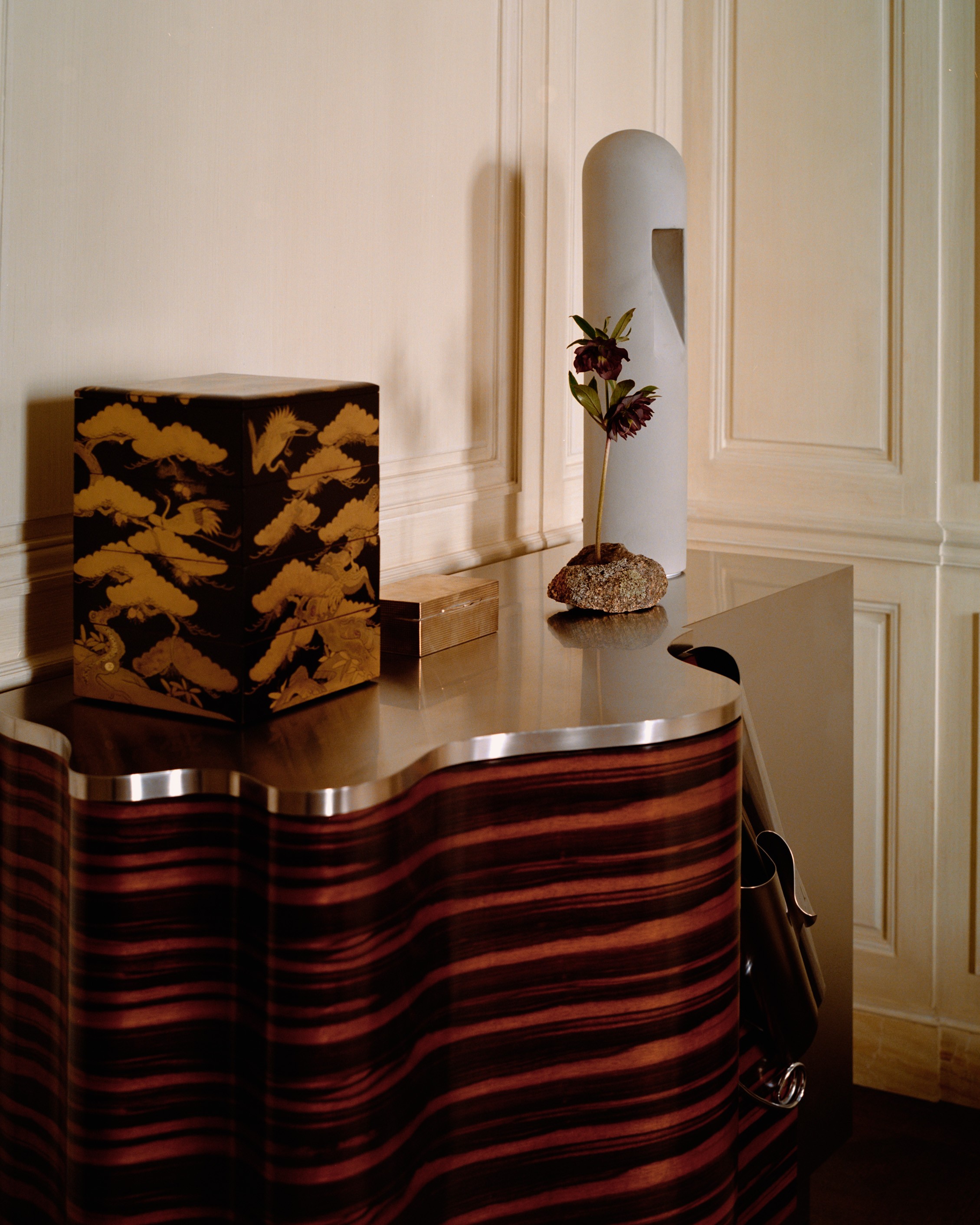
A single Hellebore stem inside of an apartment designed by Rob Johansen.Photo: William Jess Laird.
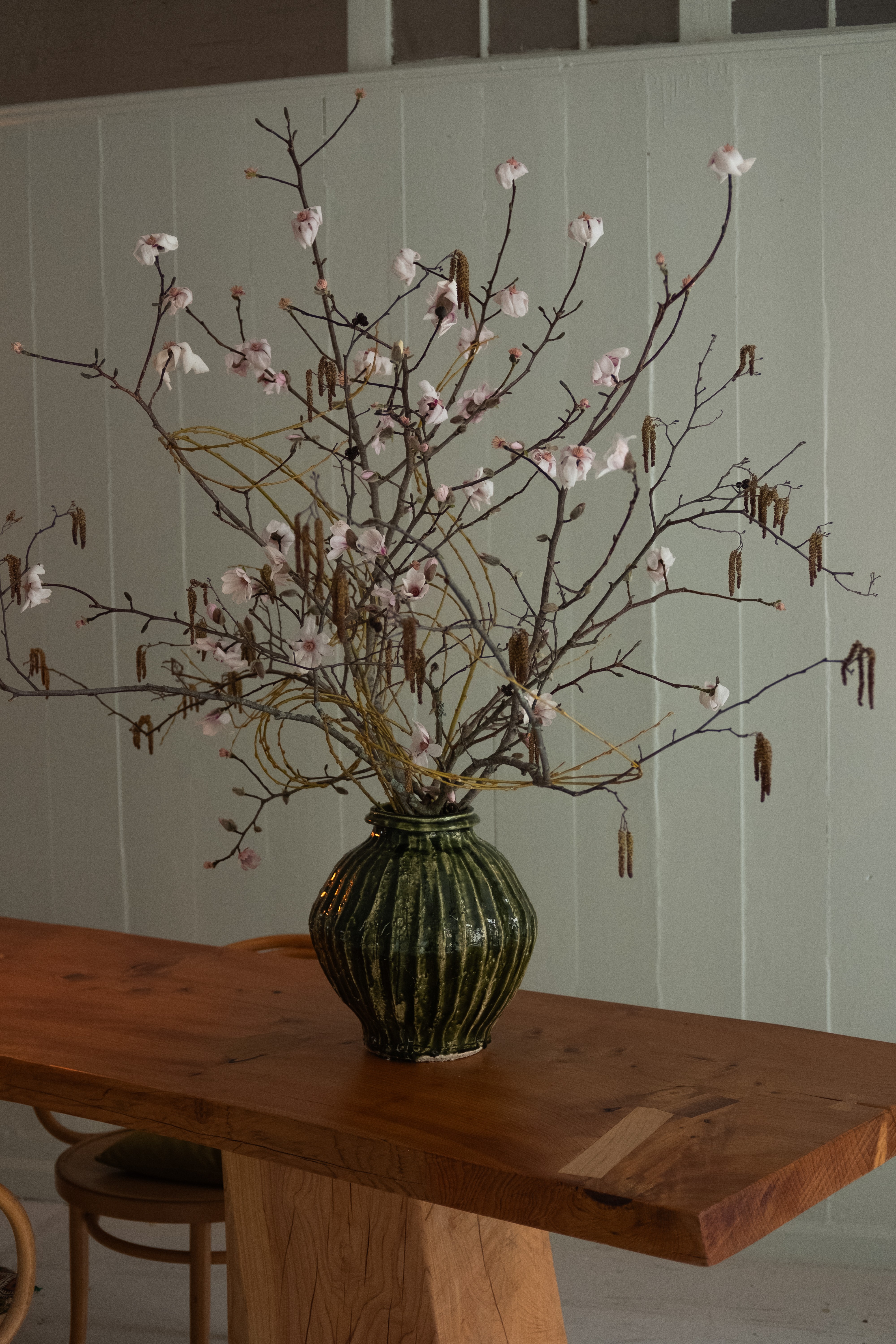
A beloved trine: magnolia, willow and birch with catkins. This was the entryway intervention at Tiwa Gallery for our dear friend Cadis' show. Photo: Field Studies Flora
A private spring luncheon at La Mercerie. Photo: Andrea Gentl and Martin Hyers
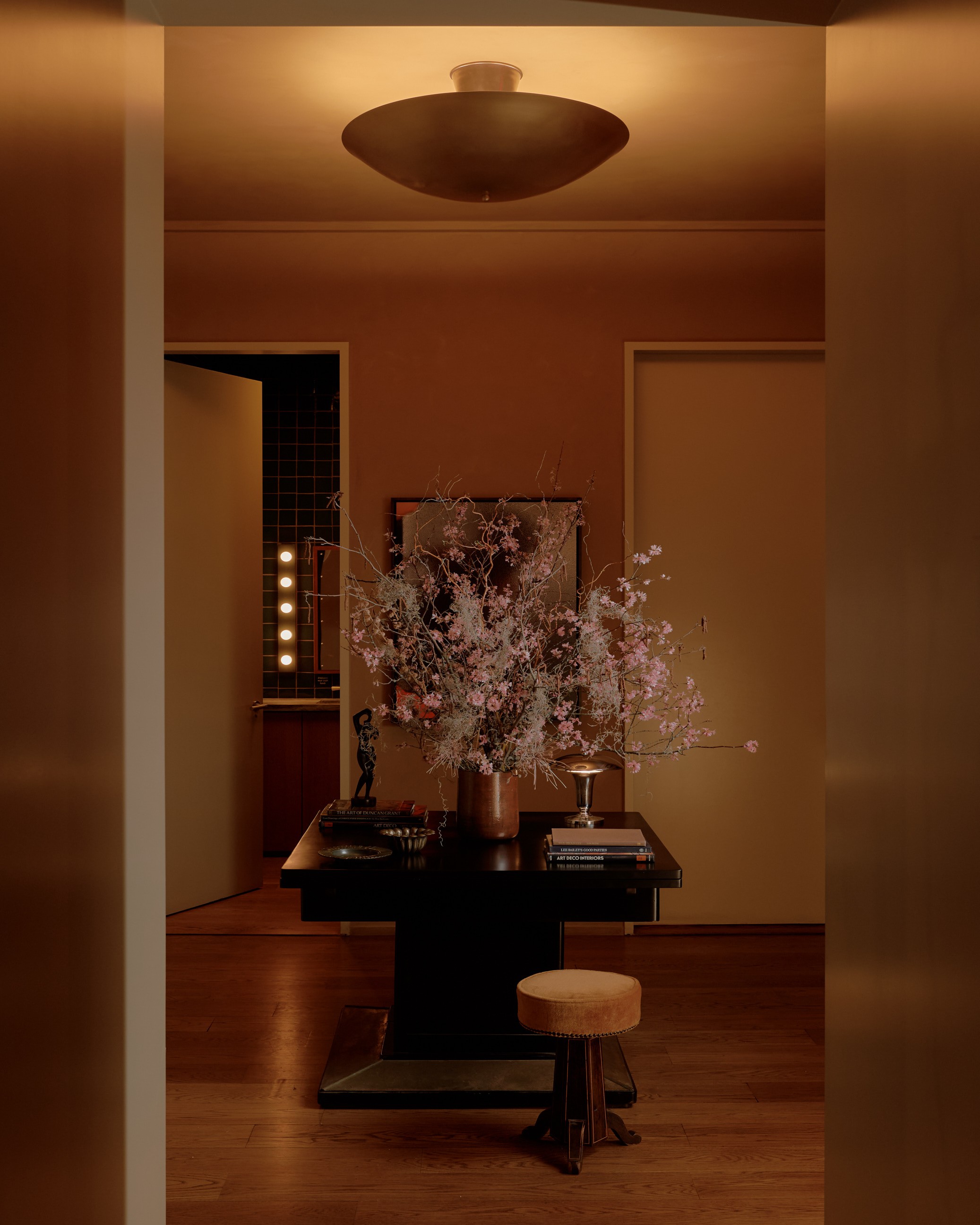
Frothy cherry and Spanish moss displayed in the antechamber of Quarters. Styling: Tim Brown, Photo: William Jess Laird
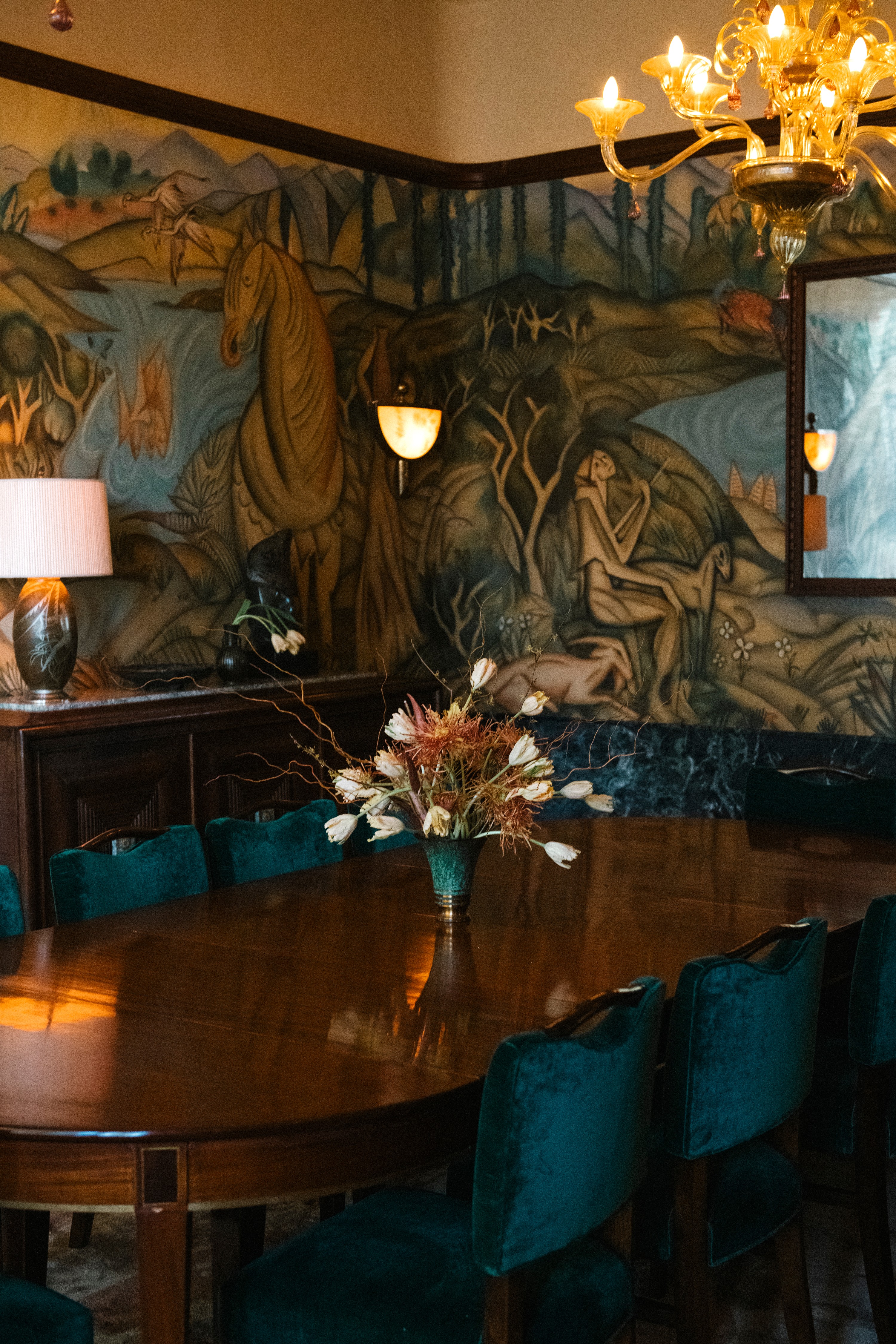
Inside the hand painted private dining room at Locanda Verde Hudson Yards. Photo: Adrianna Glaviano.
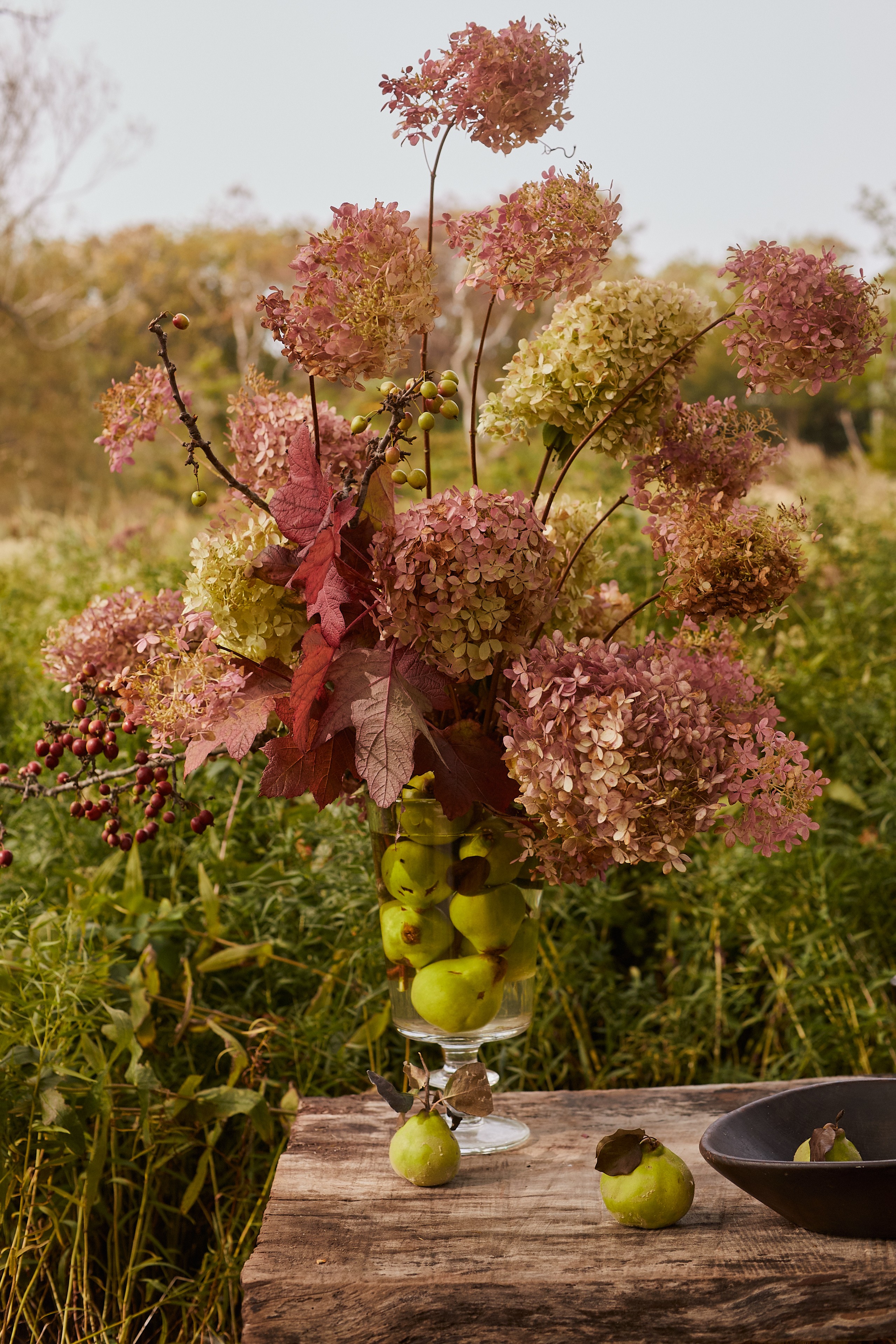
Hydrangea and electric green quince for The Financial Times story on Roman and Williams. Photo: Billal Taright