

Blumenhaus
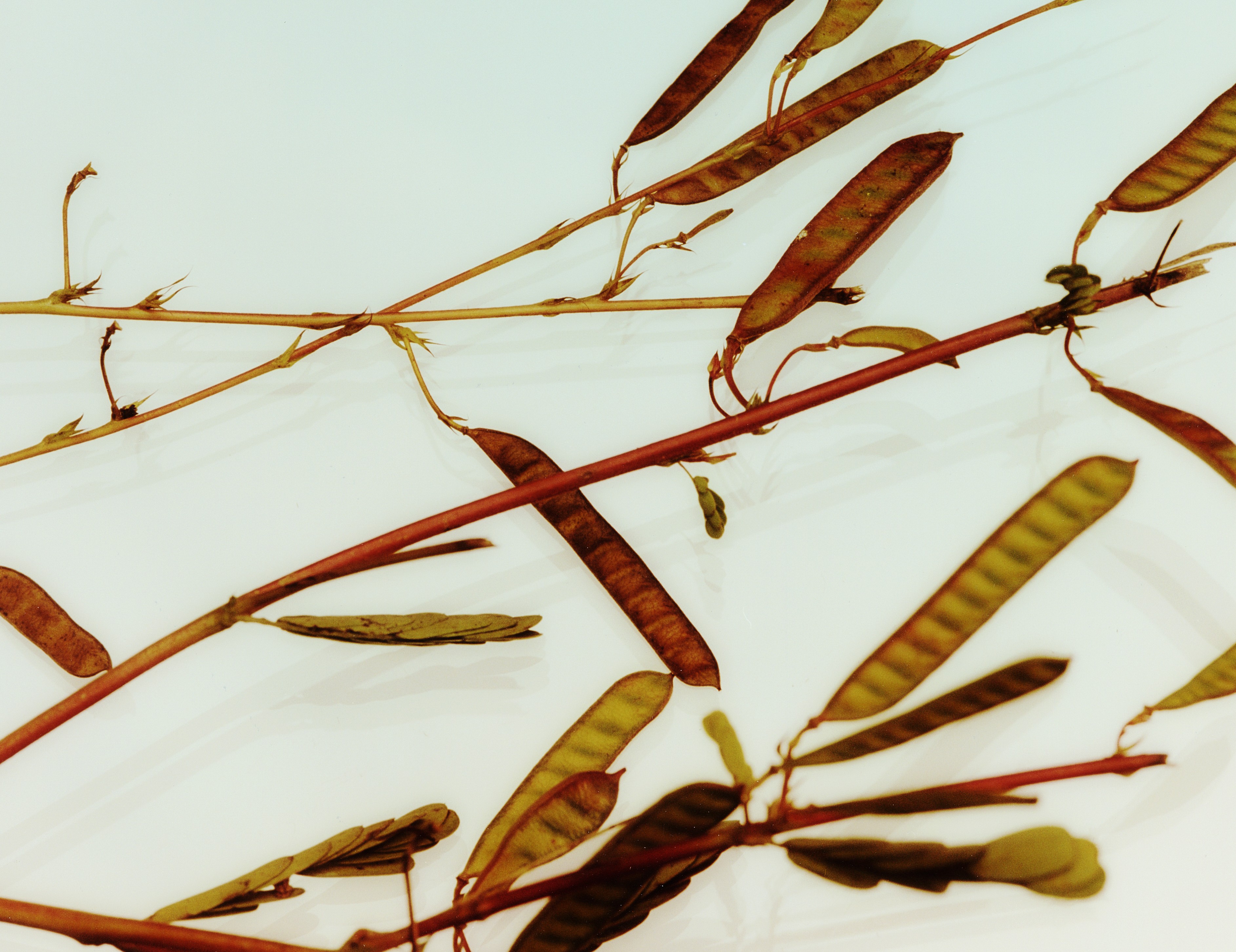
Fig I, Fast spreading, these weeds are part of the legume species, native to most of the eastern United States. Their buttery yellow flowers are favorite rest areas for bees and other pollinators. Photo: Marco Galloway
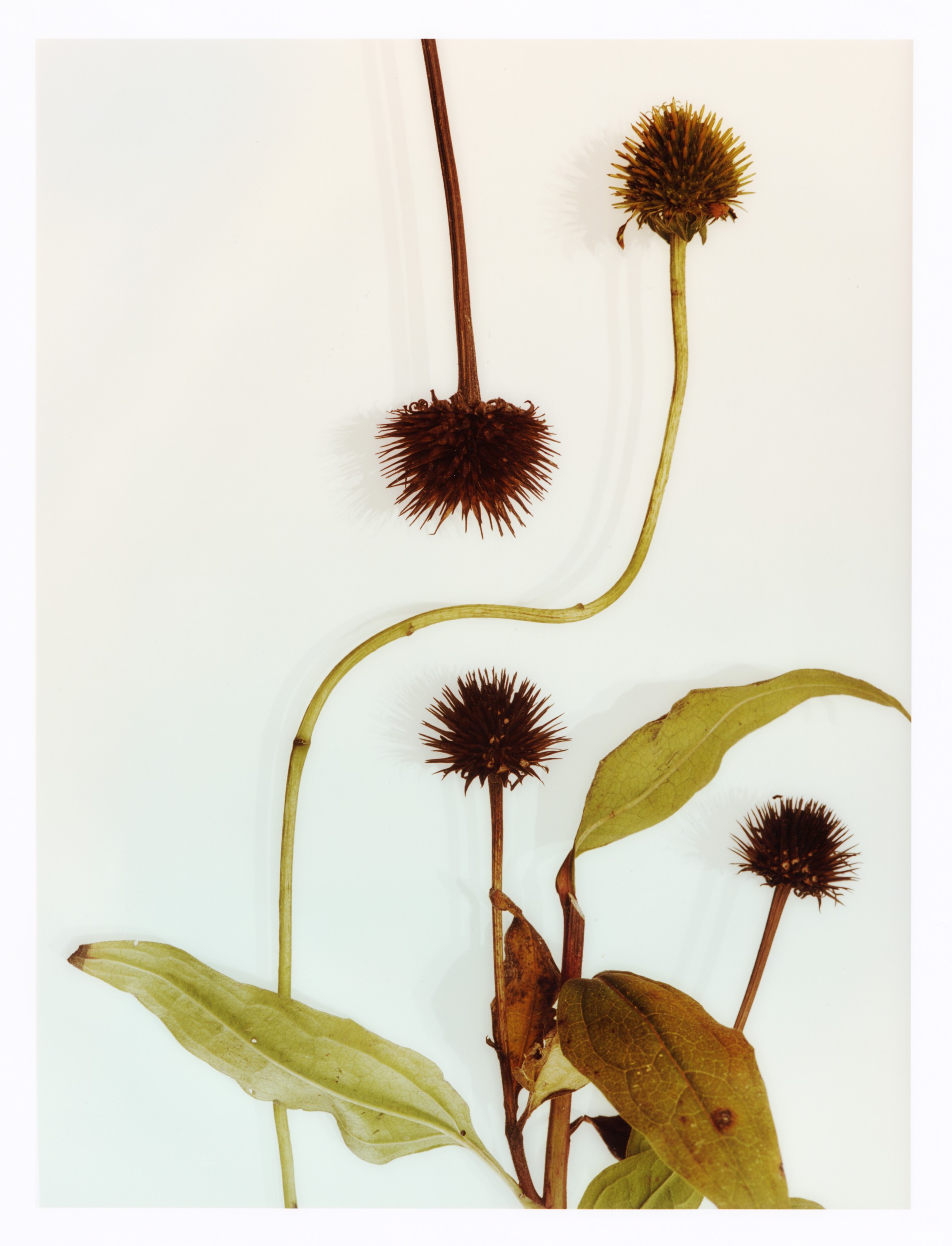
Fig II, Also known as Coneflower, this plant belongs to the Daisy family and has been used for centuries as a remedy for the common cold. Photo: Marco Galloway
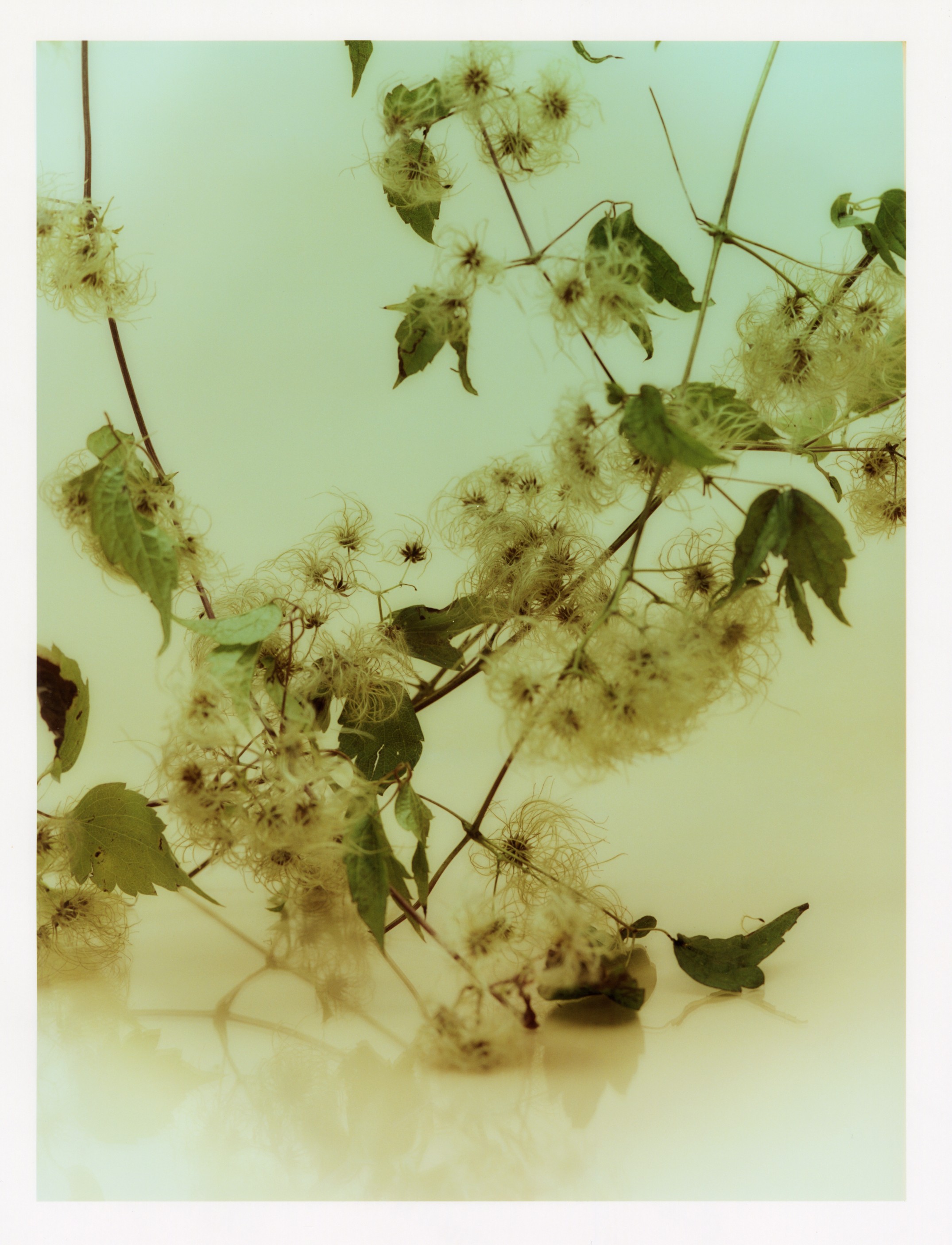
Fig III, Enthusiastic growers, the vines of the Clematis plant belong to the Buttercup family and can often be found scaling fences and walls in the city and other plant neighbors in the country.
Photo: Marco Galloway
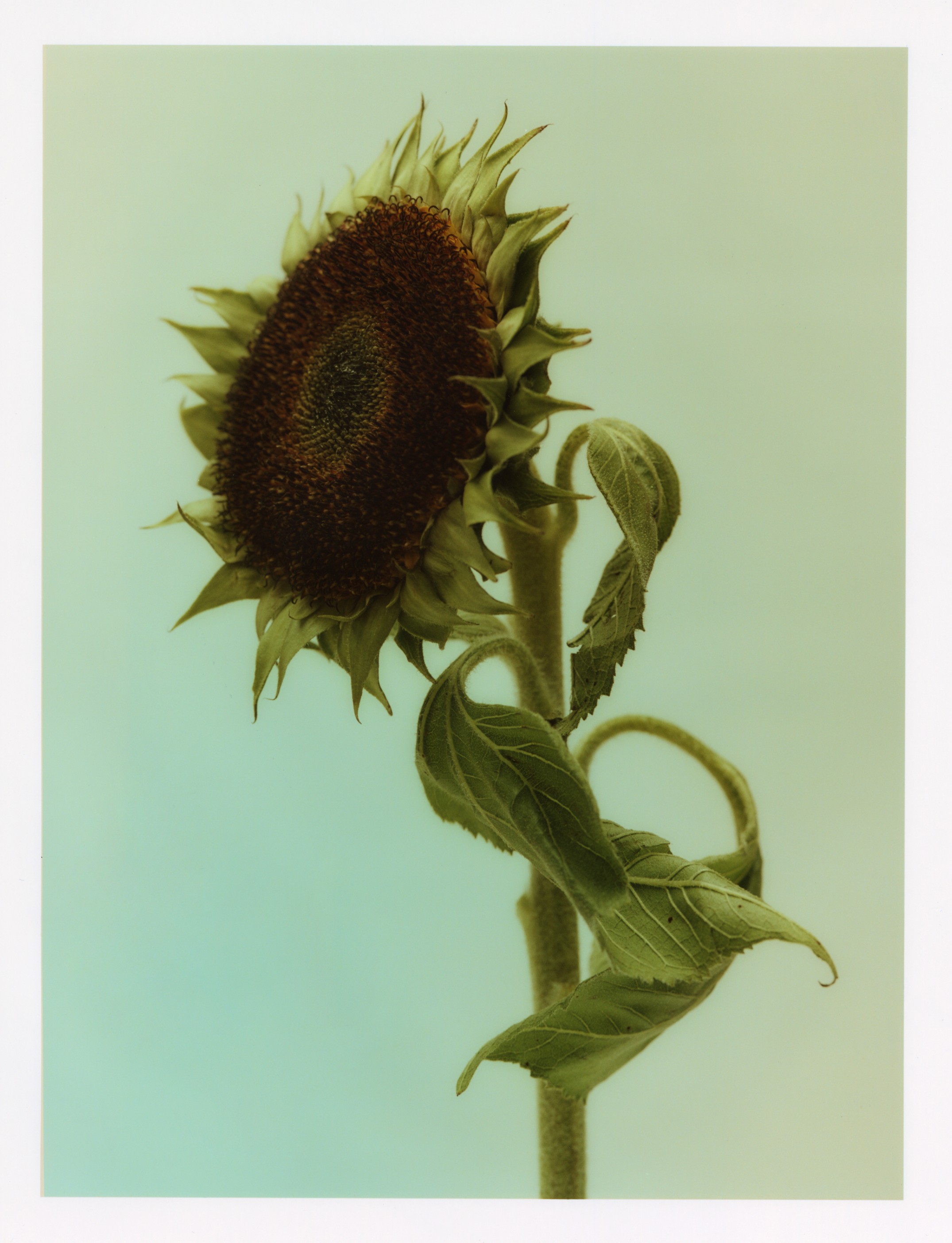
Fig Iv, The common Sunflower is a stranger to almost no one. Harvested for its oily seeds, it’s a crowd favorite that’s as “useful” as it is beautiful. Photo: Marco Galloway
Fig I, Fast spreading, these weeds are part of the legume species, native to most of the eastern United States. Their buttery yellow flowers are favorite rest areas for bees and other pollinators. Photo: Marco Galloway
Fig II, Also known as Coneflower, this plant belongs to the Daisy family and has been used for centuries as a remedy for the common cold. Photo: Marco Galloway
Fig III, Enthusiastic growers, the vines of the Clematis plant belong to the Buttercup family and can often be found scaling fences and walls in the city and other plant neighbors in the country.
Photo: Marco Galloway
Fig Iv, The common Sunflower is a stranger to almost no one. Harvested for its oily seeds, it’s a crowd favorite that’s as “useful” as it is beautiful. Photo: Marco Galloway
In the late fall of 2024, our founder Alex Crowder spent a day with Marco Galloway in his Brooklyn studio where the two captured the most abundant flowers of that moment. Datura, sunflowers, pokeweed, and partridge pea were among those chosen. Taking inspiration from the work of Karl Blossfeldt [1] and Georgia O'Keefe [2], Alex and Marco worked to create detailed portraits of the natural world. Published online for Blumenhaus in February of 2025, the portraits were accompanied by an essay from Alex on the subject of abundance.
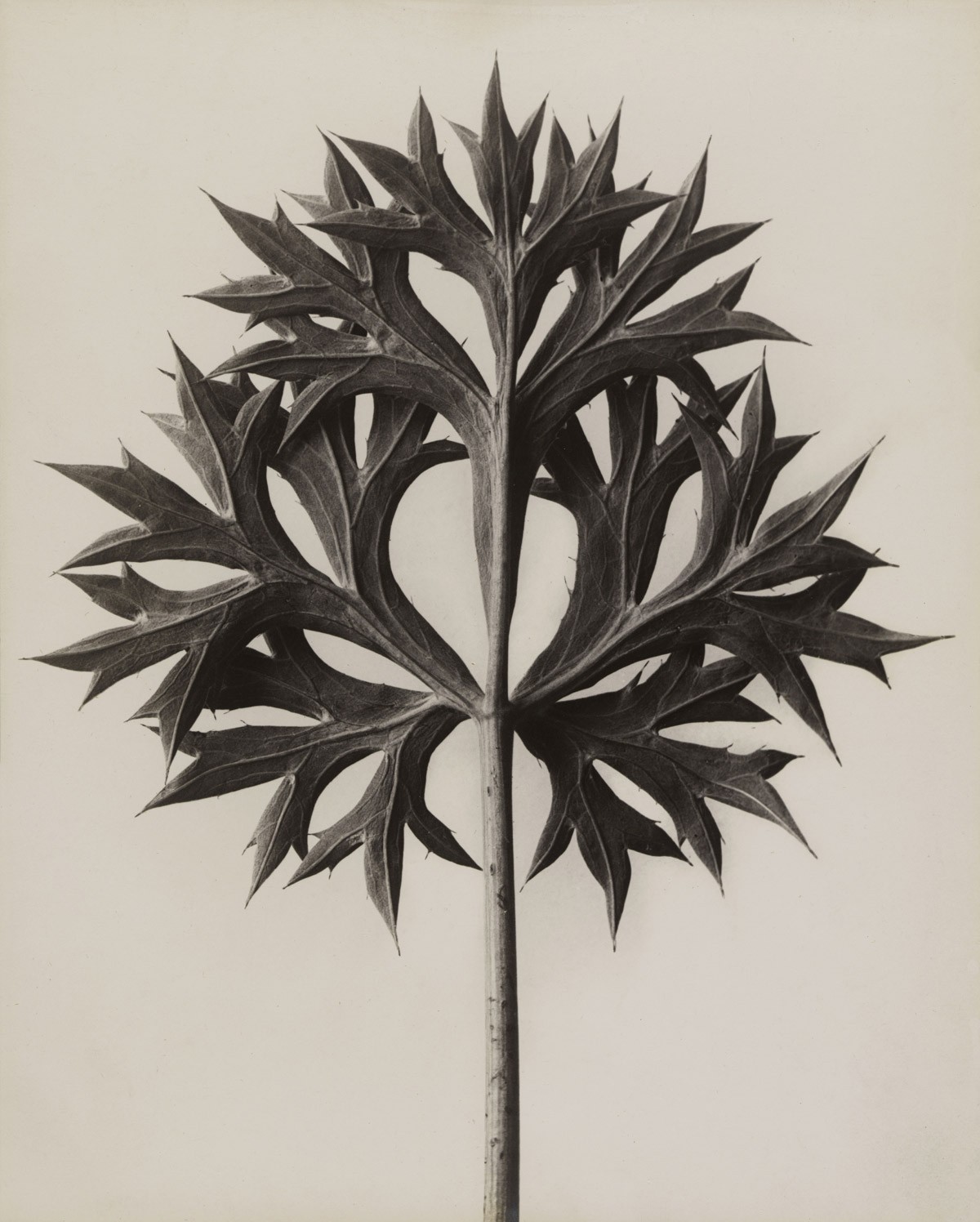
[1] Eryngium bourgatii by Karl Blossfeldt
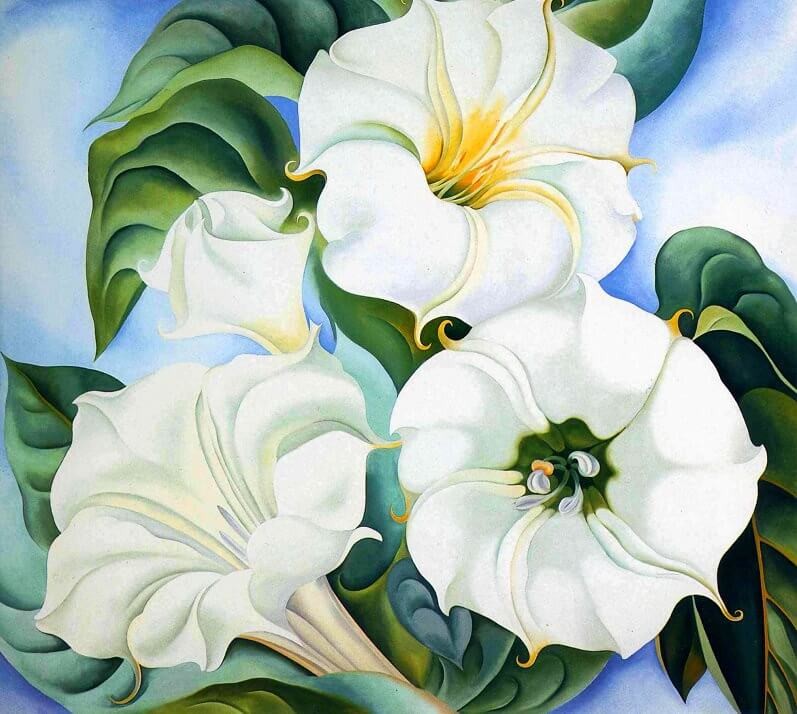
[2] Jimson Weed by Georgia O'Keefe
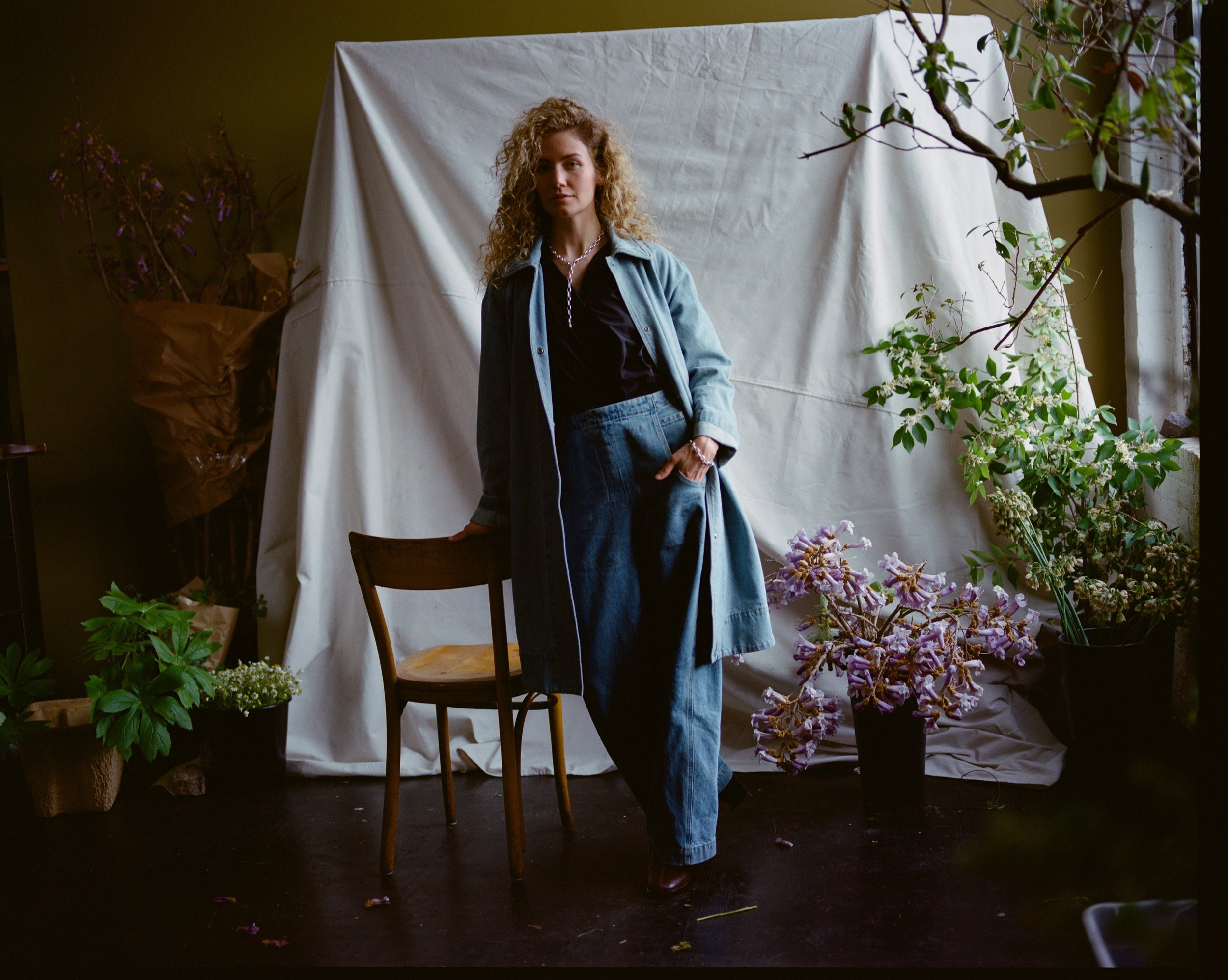
Fig I, A portrait of Alex Crowder in the studio. Photo: Anastasiia Duvallie.
The essay read:
“In nature, abundance can mean a multitude of things. It can equate to balance in the ecosystem, confirming that all the plants and animals are in harmony with each other and that there is enough to go around for everyone. Or — it can be a clue, warning us of irregularity, where something isn’t quite as it should be. When a plant becomes overly abundant at the cost of others, we label it as 'invasive,' a species that’s hogging the resources of the landscape to the detriment of its neighbors. The thing is, there’s a fly in the ointment of this kind of categorization as it isn’t as hard and fast as it sounds. Just the opposite, the state of invasiveness is a dance, malleable and collaborative, with elements moving in and out of rhythm with the natural world. As the environment changes, the circumstances follow suit and all the plants, animals, and humans do what they can in order to survive and thrive. In surveying this idea, Field Studies spends a considerable amount of time and attention on the oddballs that fall under the invasive umbrella. We constantly come back to one question: what do we have a lot of right now that could afford a lessening in numbers? Whether this mindful sourcing is done from what we currently have in the studio [3] or procured from the fields or flower market, we consider what needs to be cut back, what could benefit from a trim? This question is typically followed by: how can we draw attention to a plentiful plant that rarely gets showcased in floristry? Weird weeds, twisting branches, hungry invasives. These are the plants which flank our walks and drives as we move through the world, mostly going unnoticed. We’d like to change that and invite you into new ways of seeing these oft unseen and incredibly clever neighbors of ours.”
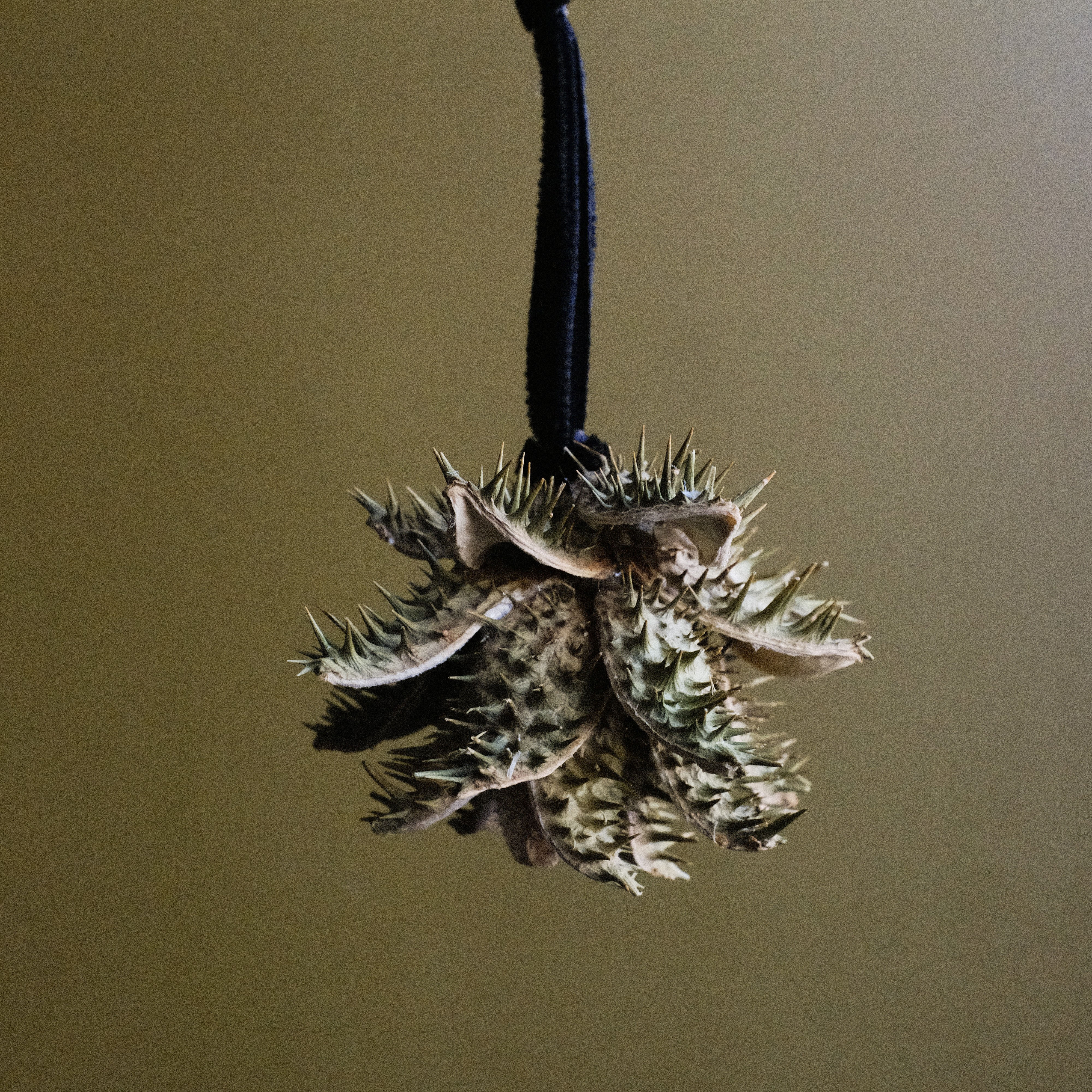
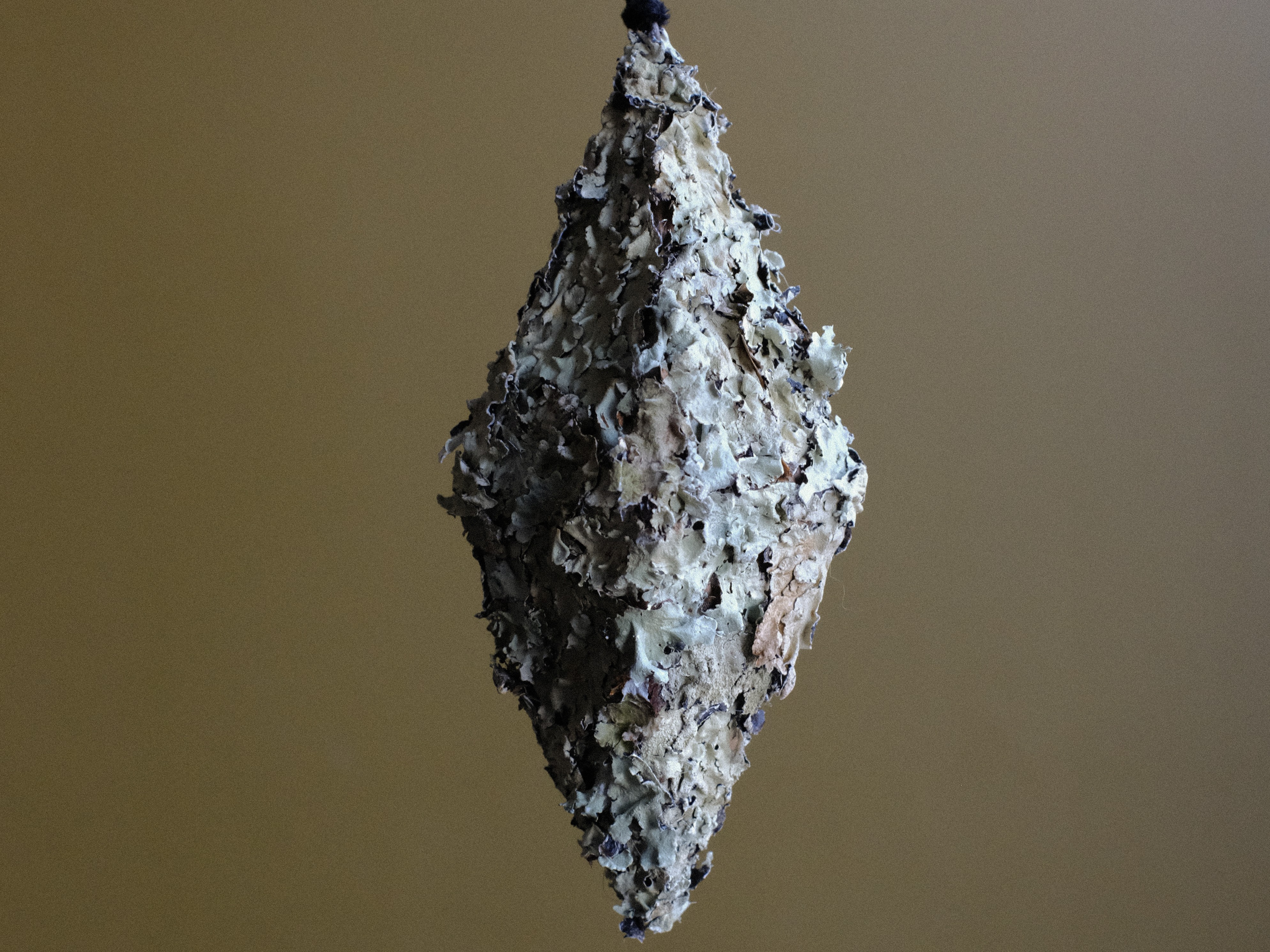
[3] A holiday ornament we created from a surplus of datura in our studio. Read more about these creations here. Photo: Field Studies Flora
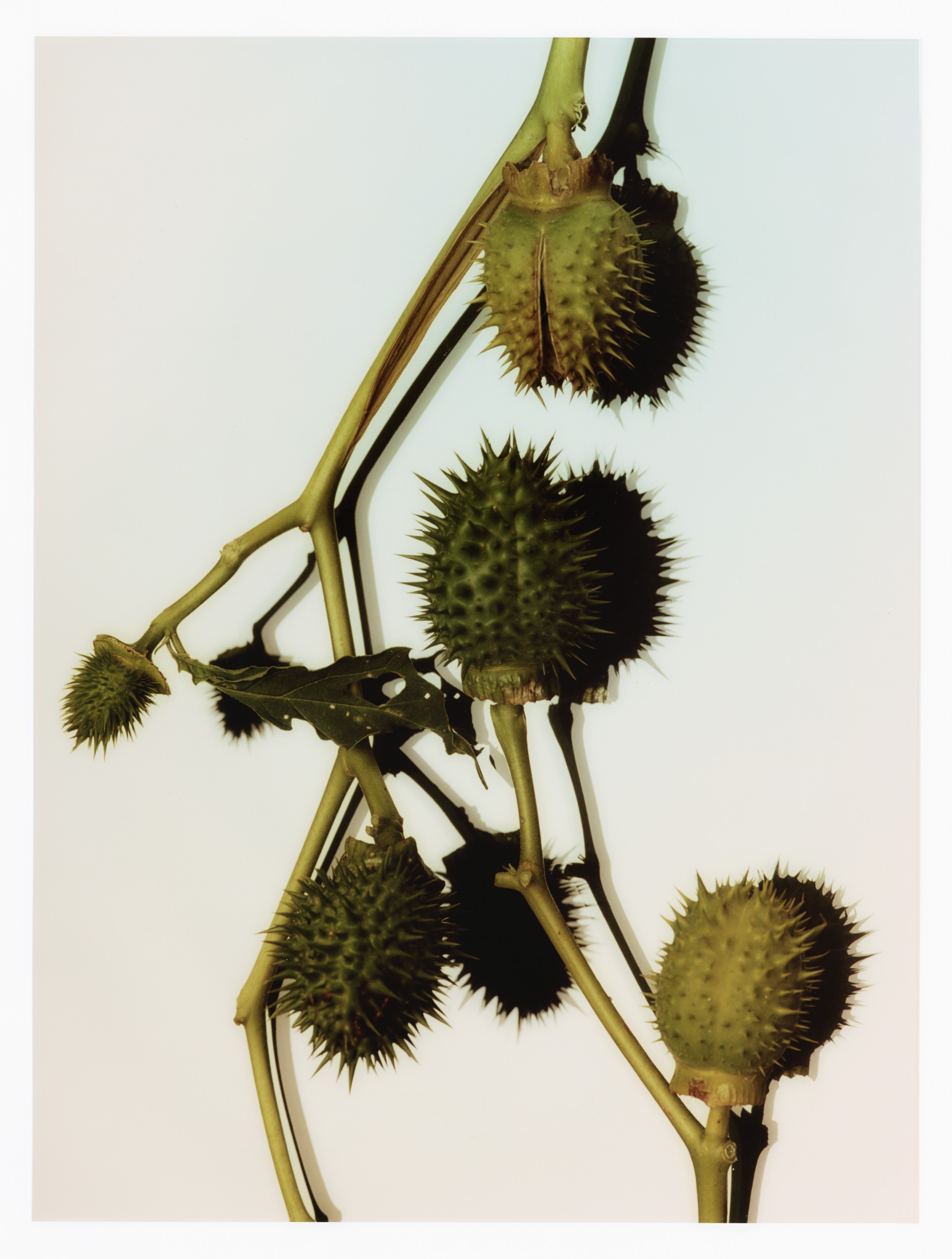
Fig II, Misunderstood and mystical, the trumpeted flowers of the Datura plant was a favorite subject of Georgia O’Keefe. Photo: Marco Galloway
Elements (4)
View Index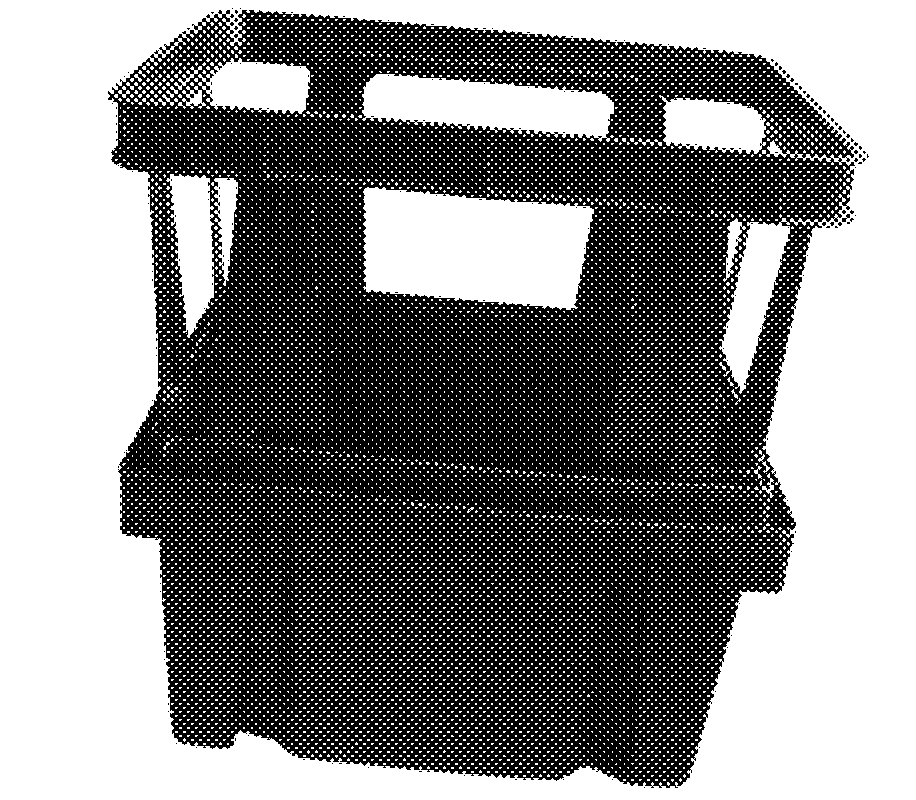

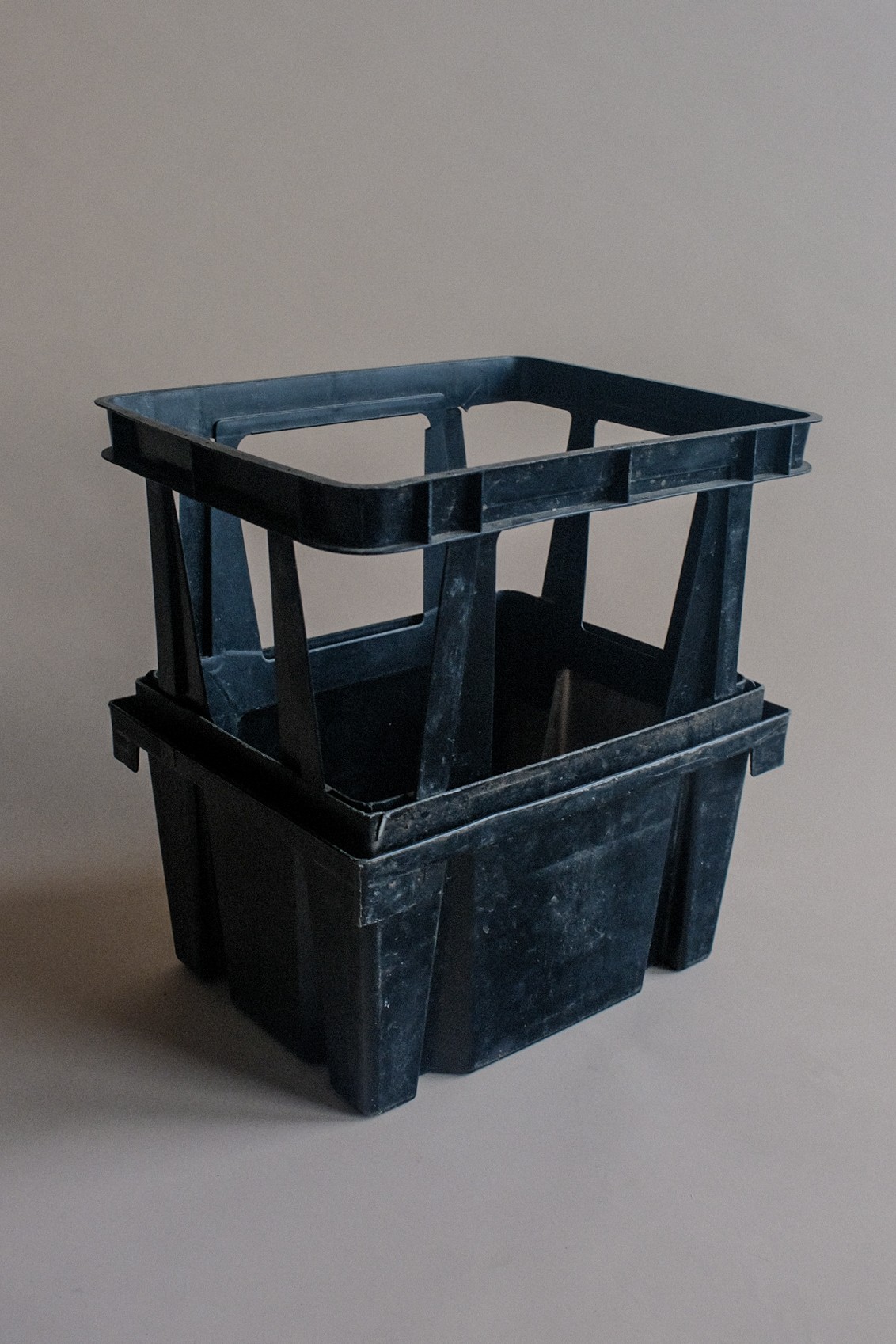
All kinds of them. Gallon buckets from hardware stores, square procona buckets (stackable, good for air flow and long commutes), and regular floral buckets too; these are the long, tall ones you see outside of flower shops.
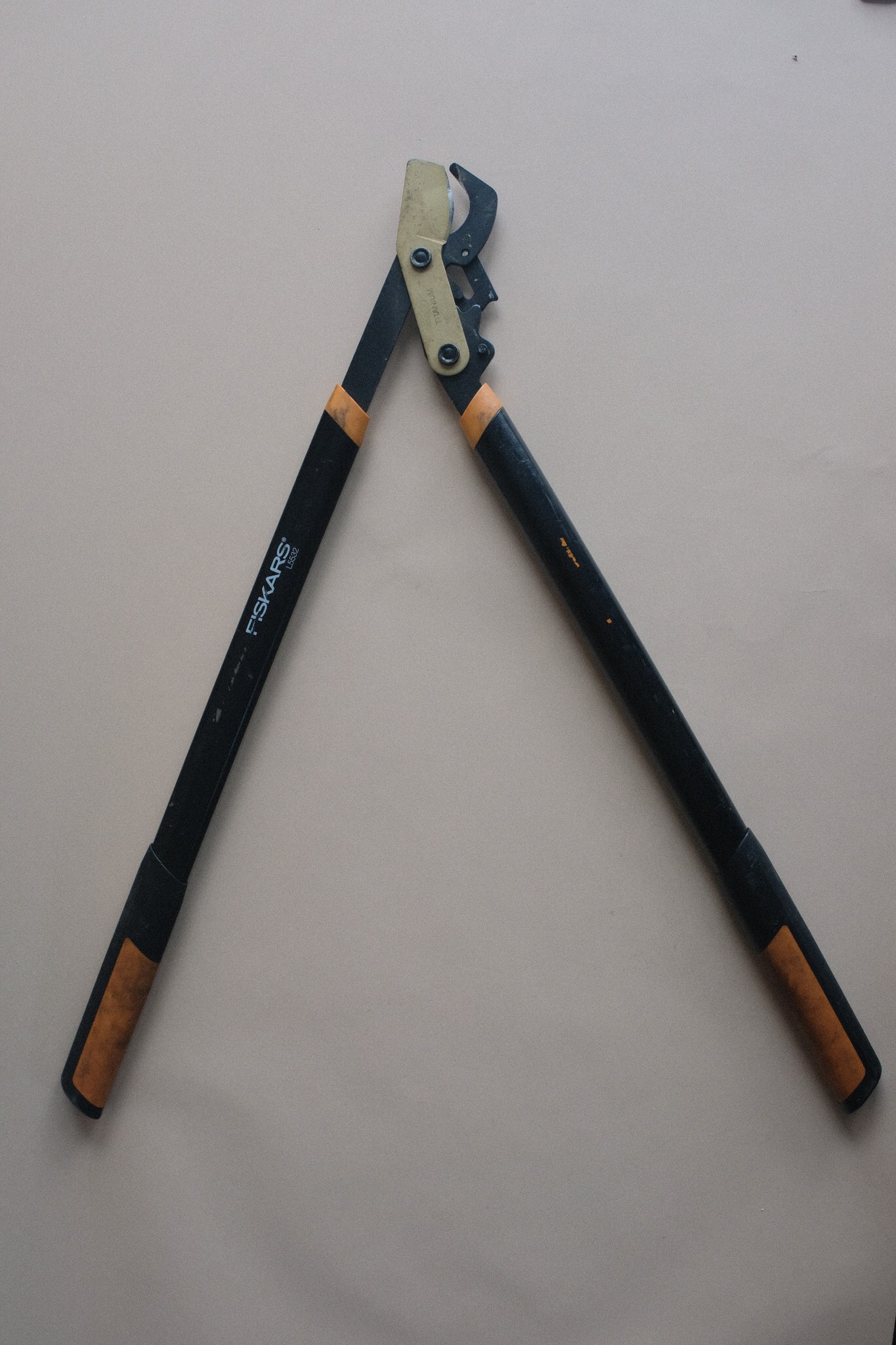
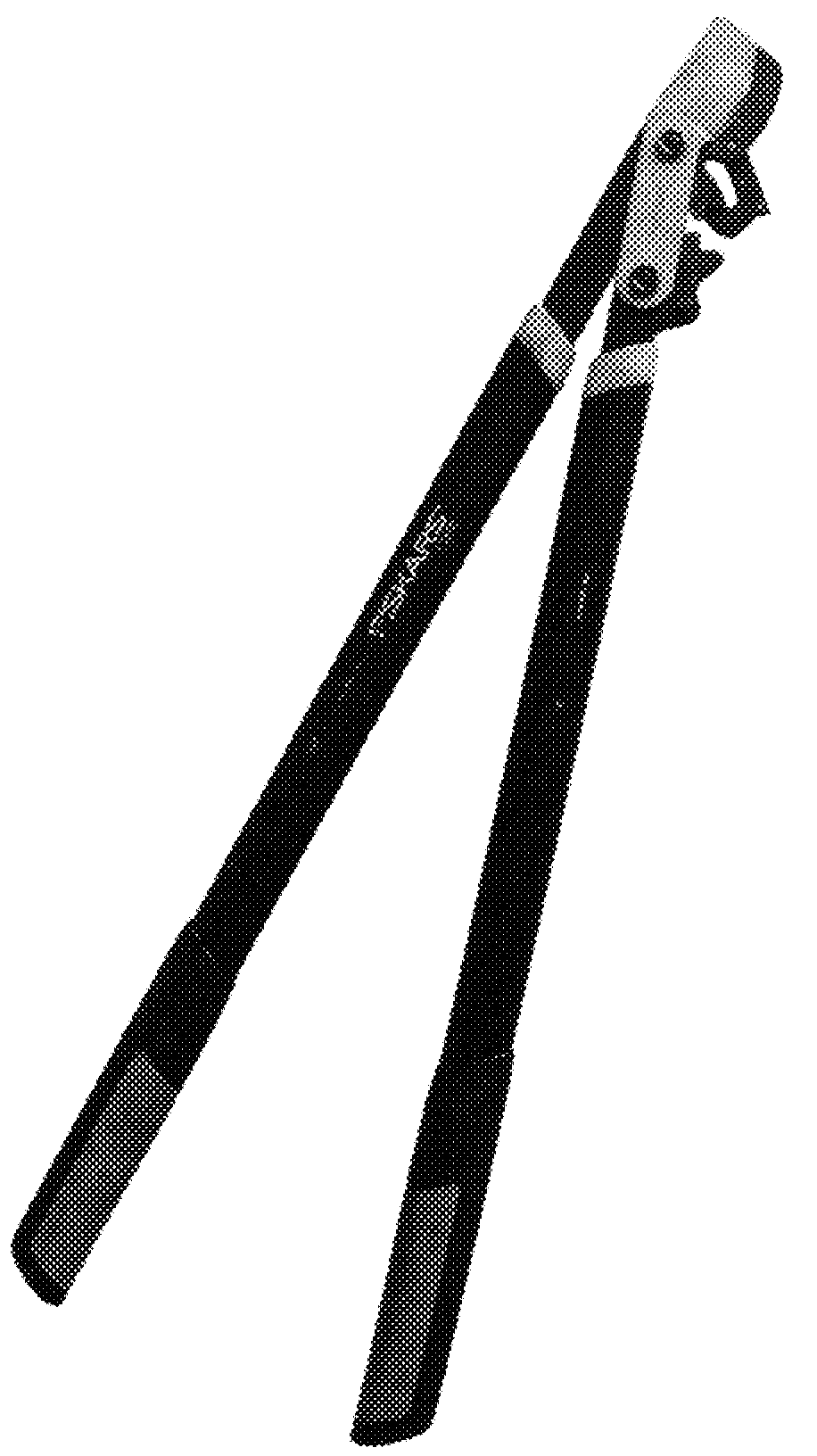
Another tool for smooth and easy pruning, loppers allow us to cut back thick and woody branches like Magnolia and Mountain laurel that are impenetrable with our other tools.
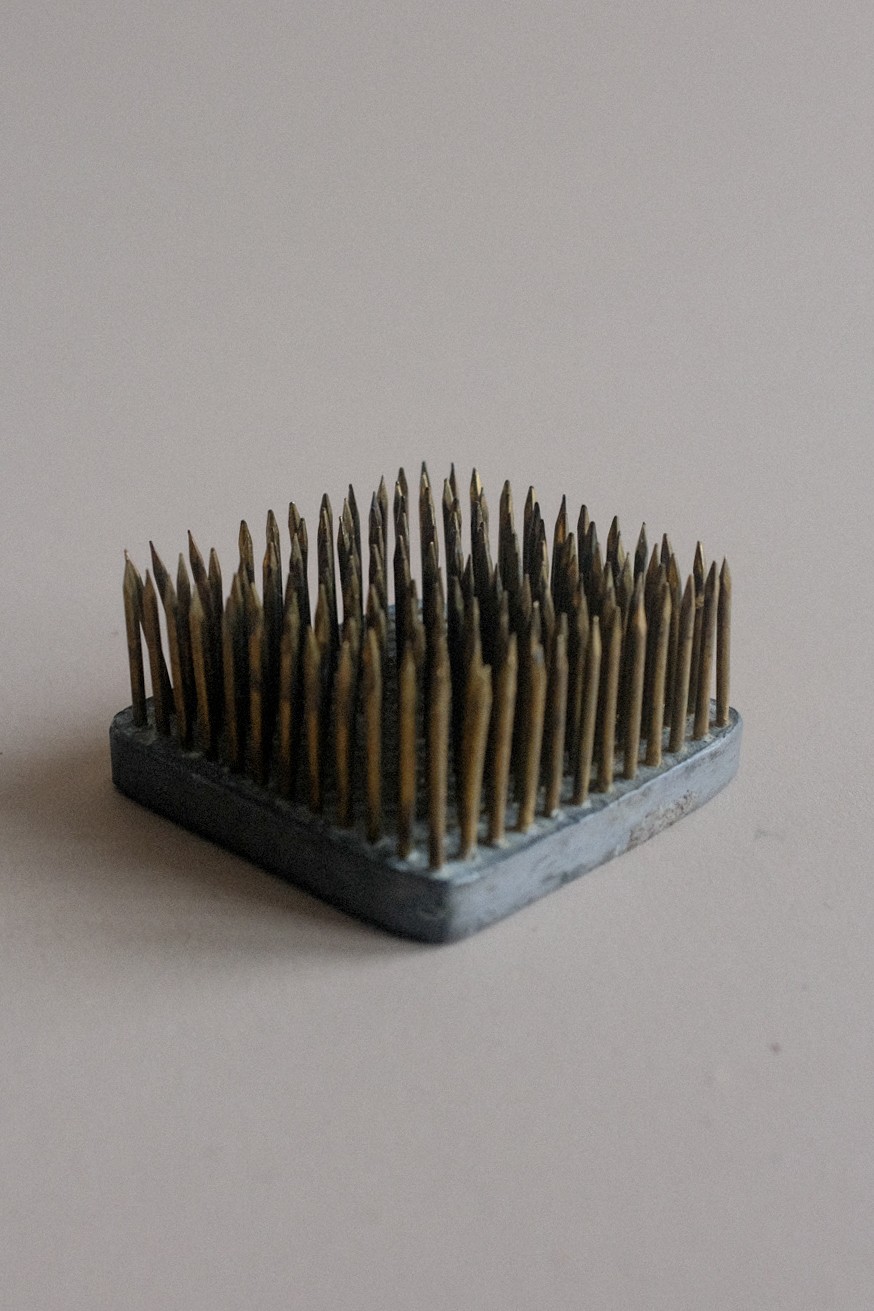
We use these little workhorses in nearly all of our interventions. Their spiky form acts as a pin cushion for stems that get stabbed into each thorn-like point of steel, which — as if by magic when seen at a distance — holds it firmly in place. This method dates back to at least the 14th century in Japan where the practice of Ikebana relied on the meticulous placement of individual flowers.
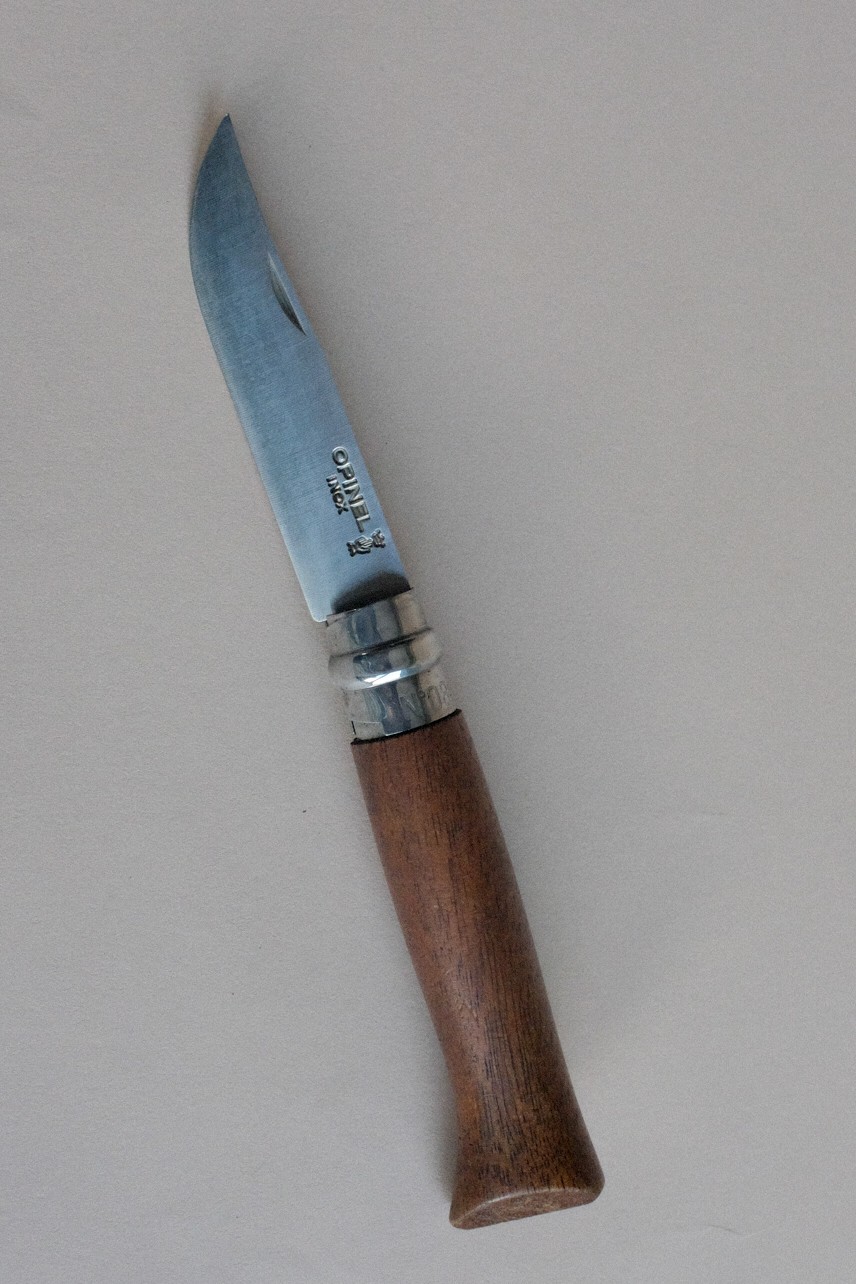
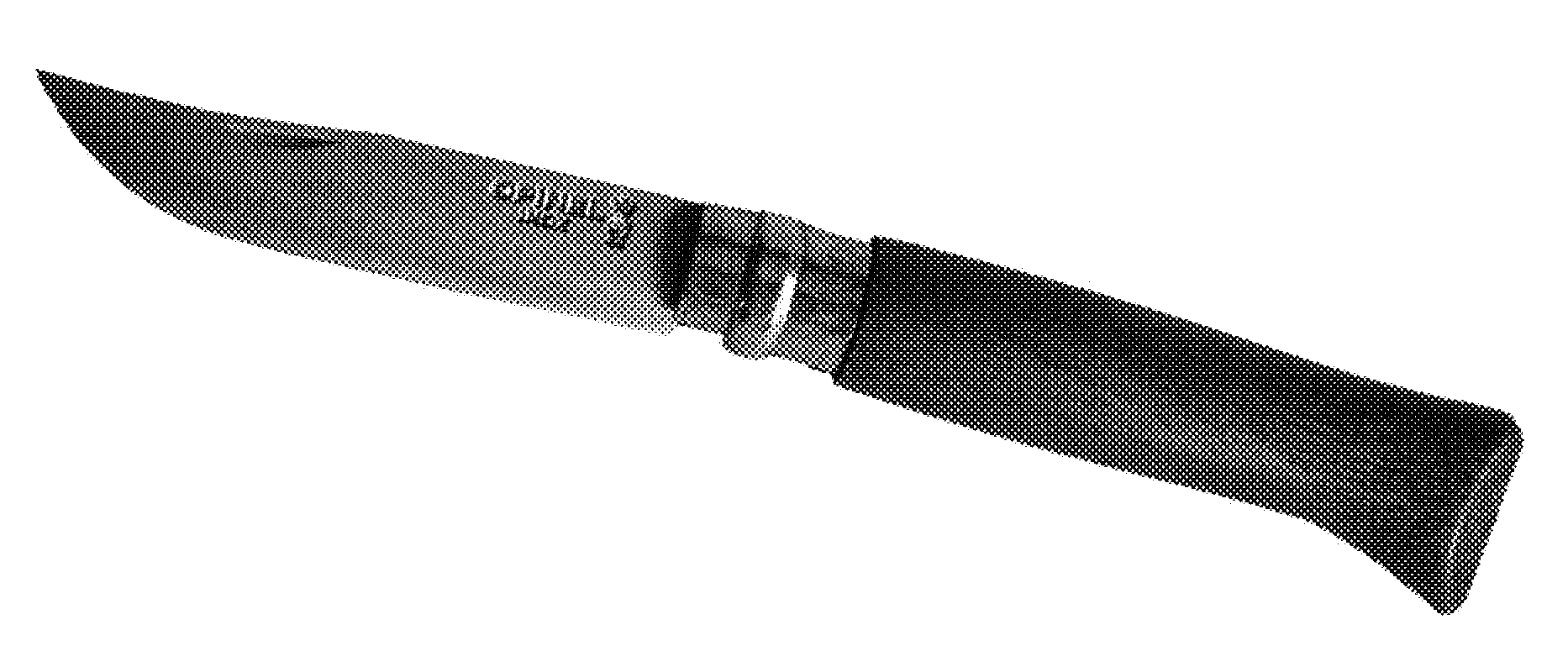
A florist without tools is like a flower without water. You’d be hard-pressed to find our founder Alex Crowder without her go-to folding knife, Opinel No. 8. A classic, these knives have been hand-crafted in France since 1890. As the makers put it, this blade is perfect for everything from “sharpening your pencils to pruning your roses.”
Archive
Archive
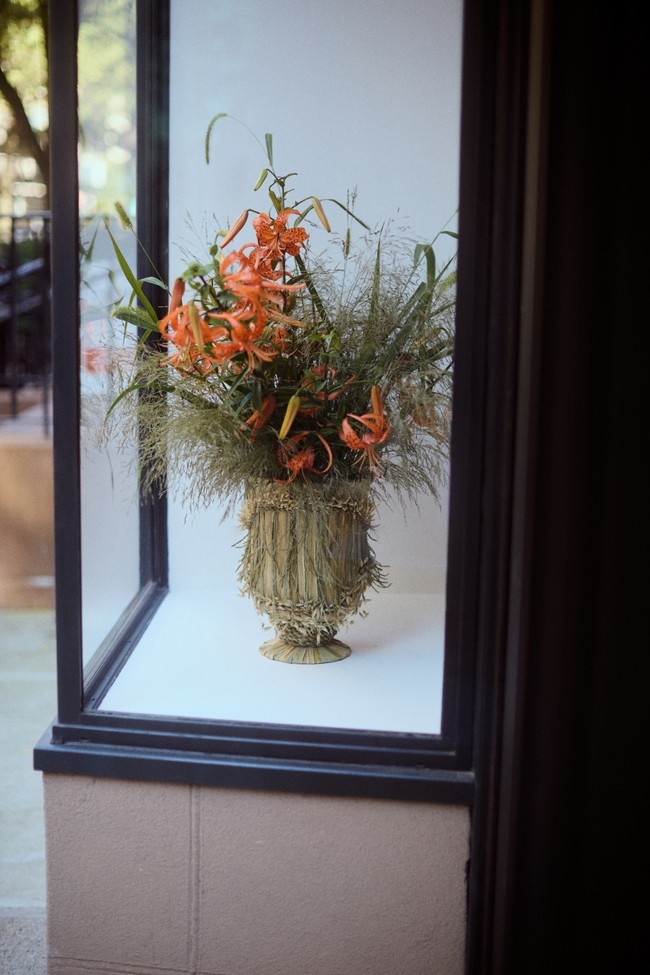
Vibrant tiger lillies and blueberry branches. Photo: Alyona Kuzmina.
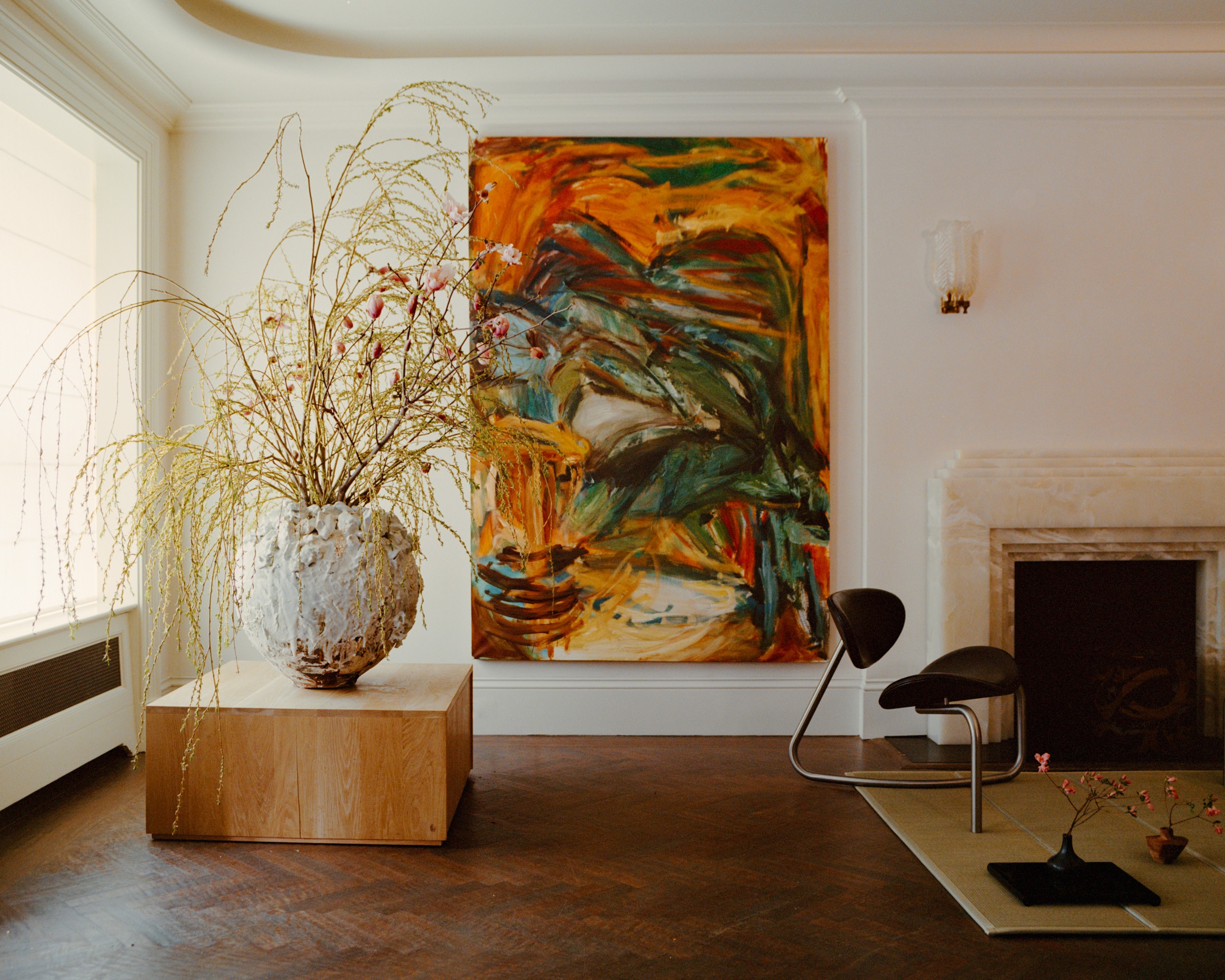
Magnolia, weeping willow and azalea buds inside of a tranquil space designed by Rob Johansen and photographed by William Jess Laird.
Orange tiger lilies in a subtle yet significant vessel in the back room of Somerset House. Photo: Marco Galloway
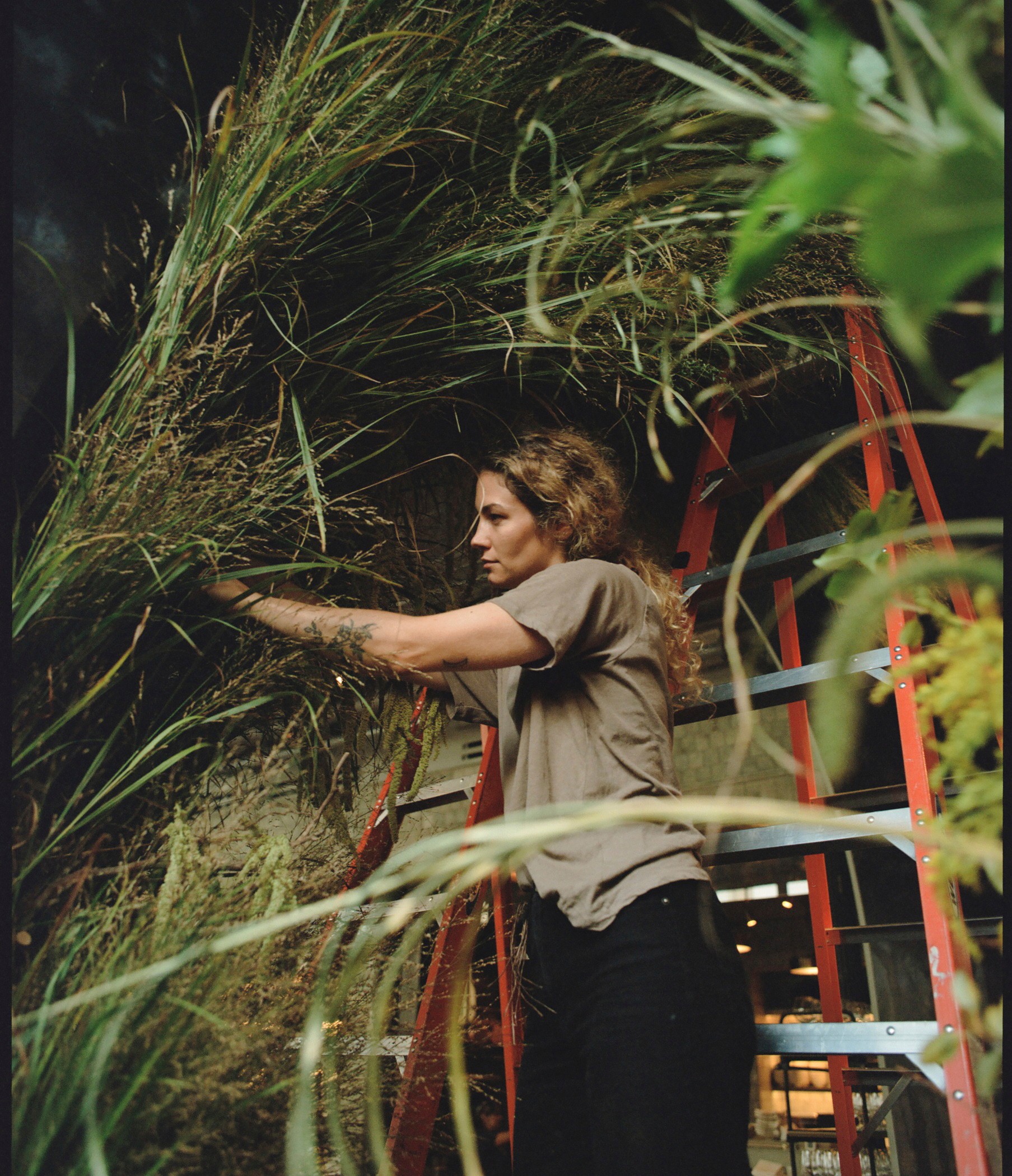
The archway at Roman & Williams, adorned in late summer’s finest foraged greens. A slurry of grasses were nestled into an armature of mountain laurel and garnished with long green-bean-looking catalpa pods to create this vertical meadow of fringe which crawls 14 feet up the wall and arcs over guest below. Photo: Austin Sandhaus
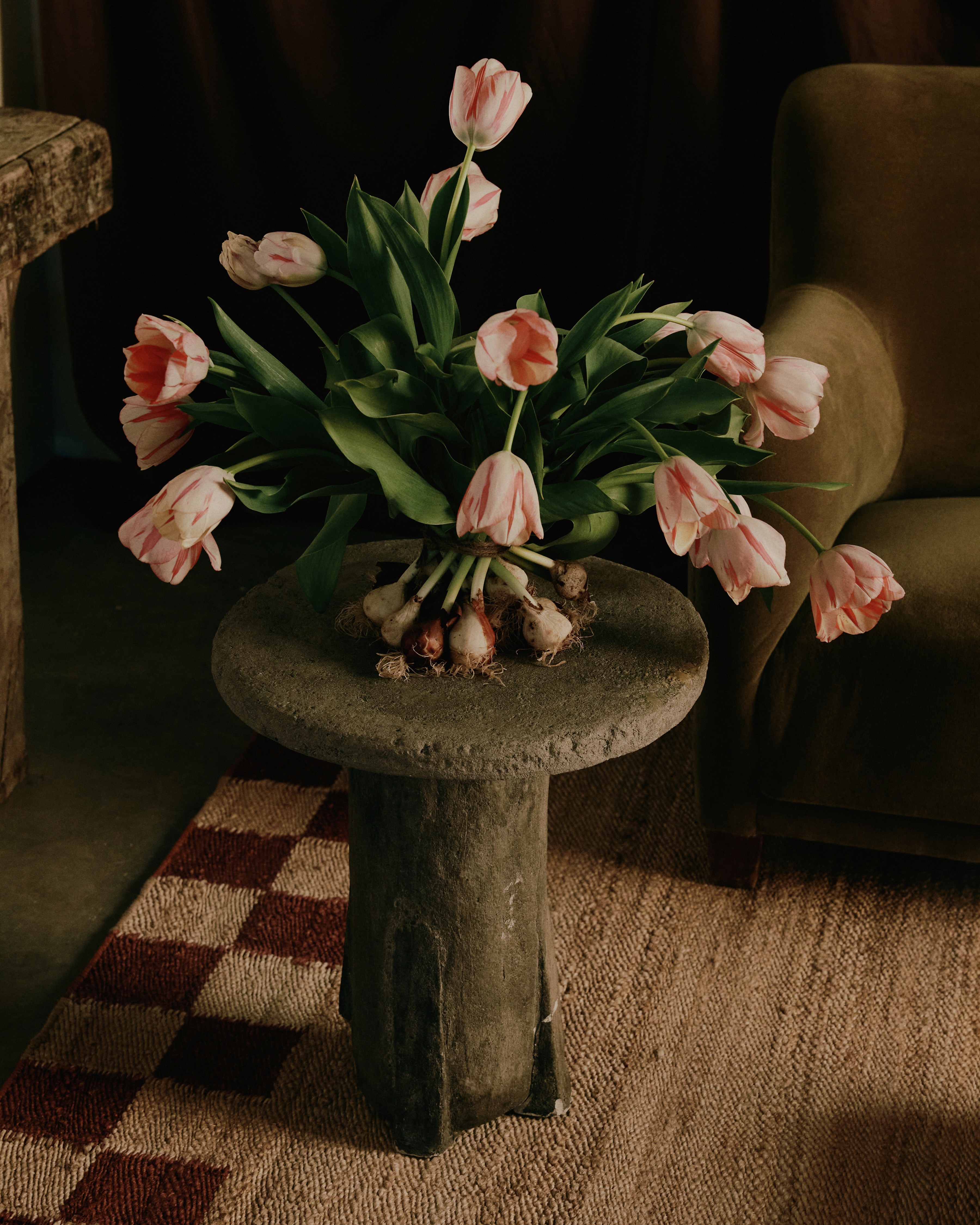
Tulip season for Nordic Knots shot and styled at Galerie Was. Photo: William Jess Laird
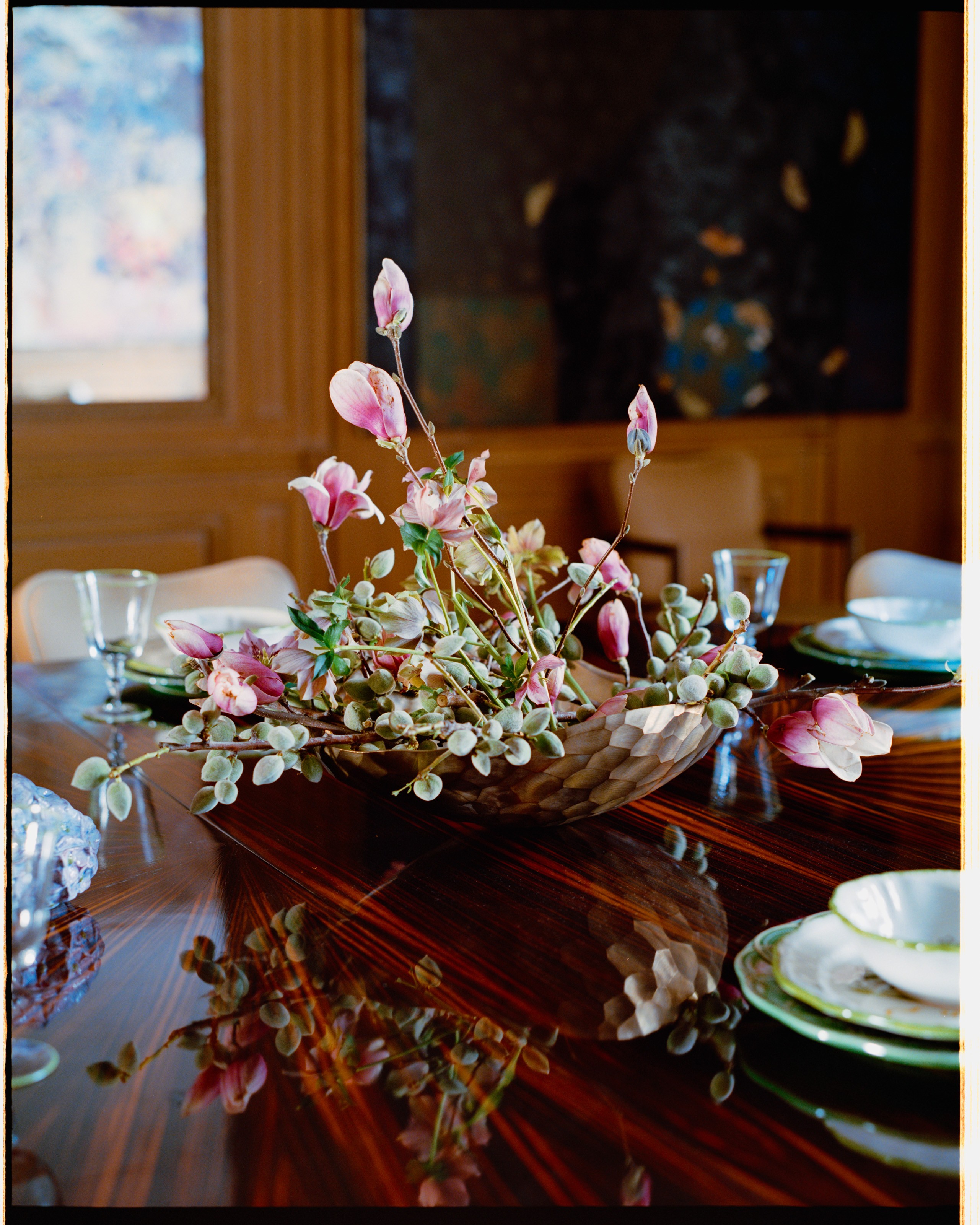
Magnolia, hellebores and almond husks inside of a garden-inspired dining space designed by Rob Johansen.Photo: William Jess Laird.
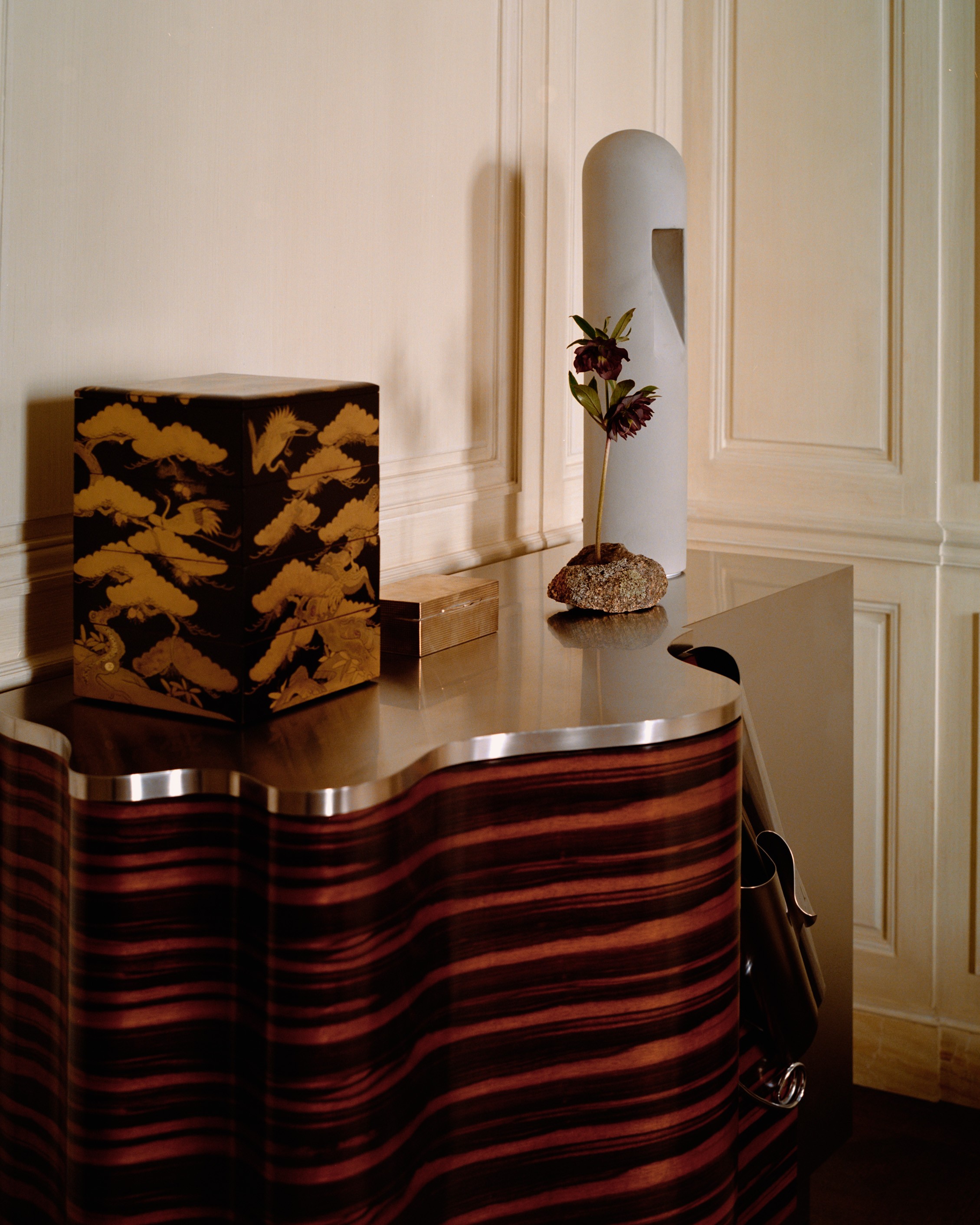
A single Hellebore stem inside of an apartment designed by Rob Johansen.Photo: William Jess Laird.
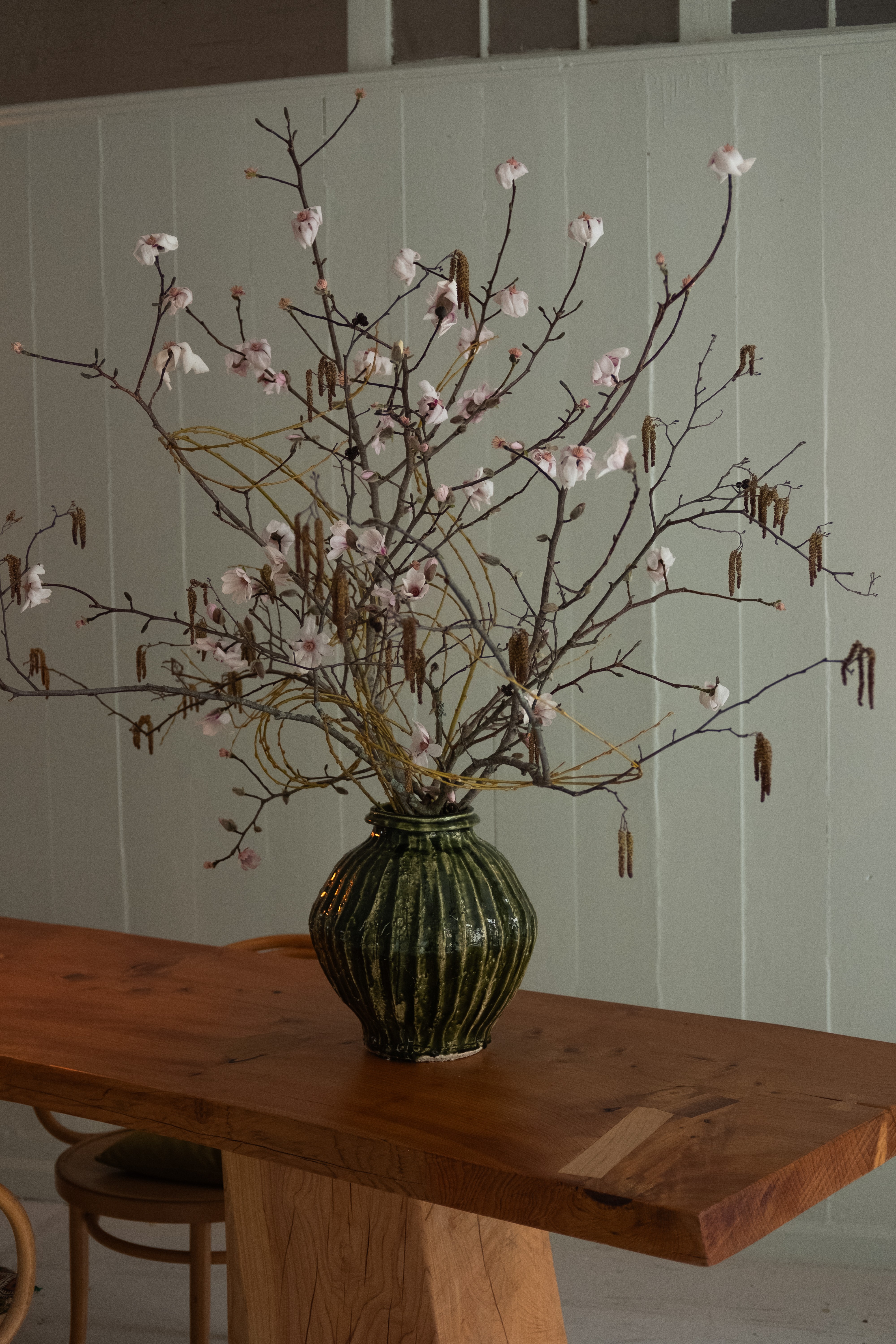
A beloved trine: magnolia, willow and birch with catkins. This was the entryway intervention at Tiwa Gallery for our dear friend Cadis' show. Photo: Field Studies Flora
A private spring luncheon at La Mercerie. Photo: Andrea Gentl and Martin Hyers
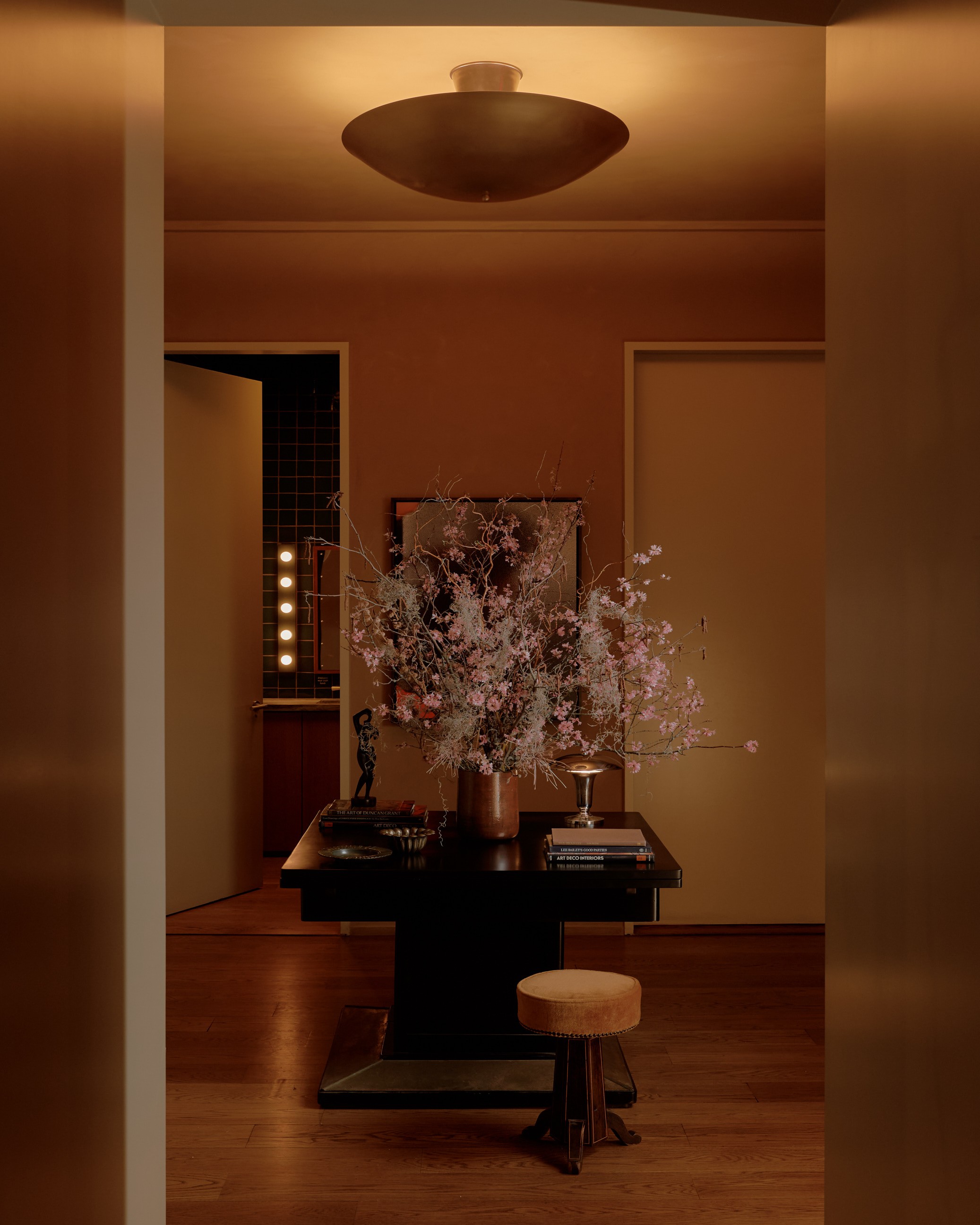
Frothy cherry and Spanish moss displayed in the antechamber of Quarters. Styling: Tim Brown, Photo: William Jess Laird
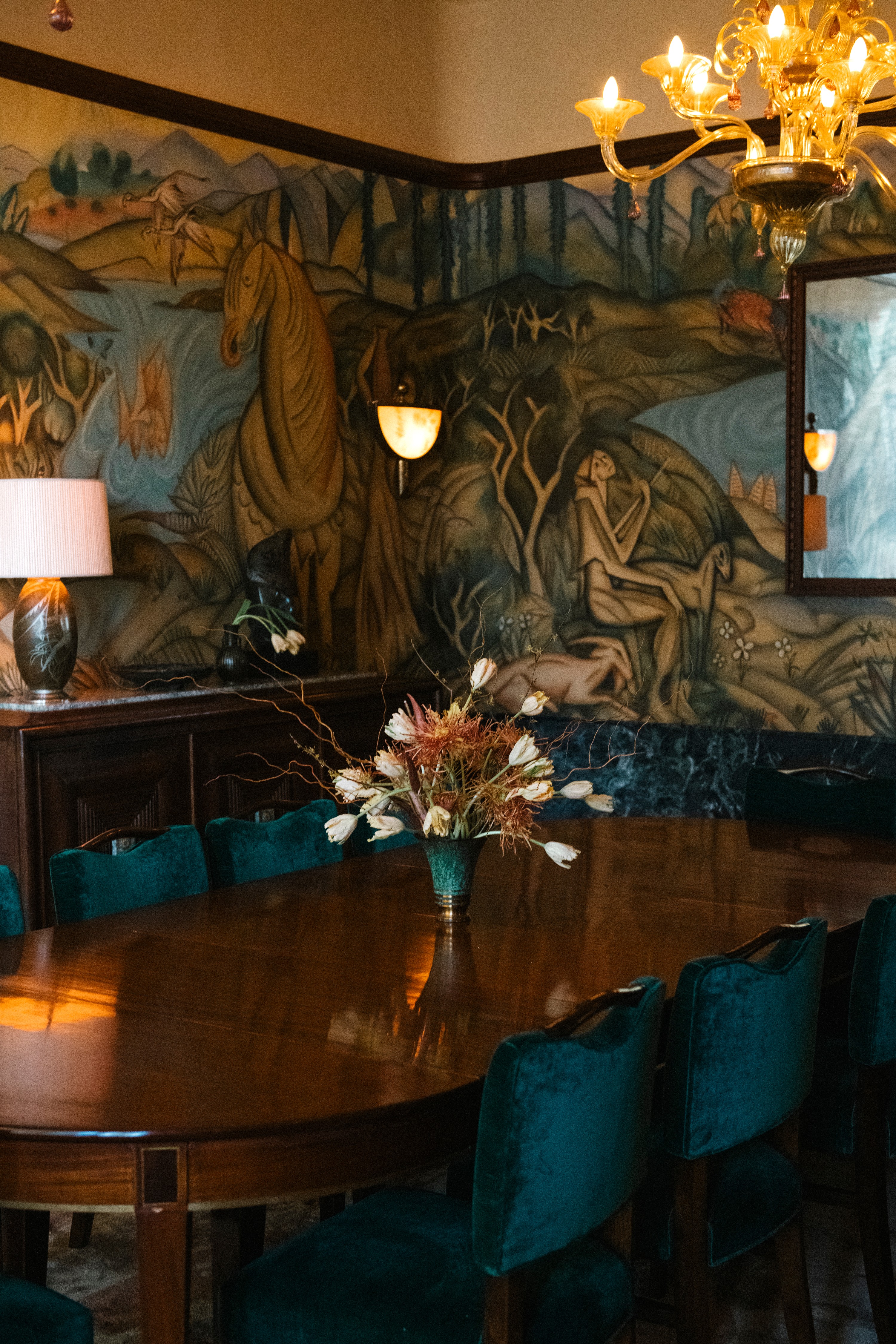
Inside the hand painted private dining room at Locanda Verde Hudson Yards. Photo: Adrianna Glaviano.
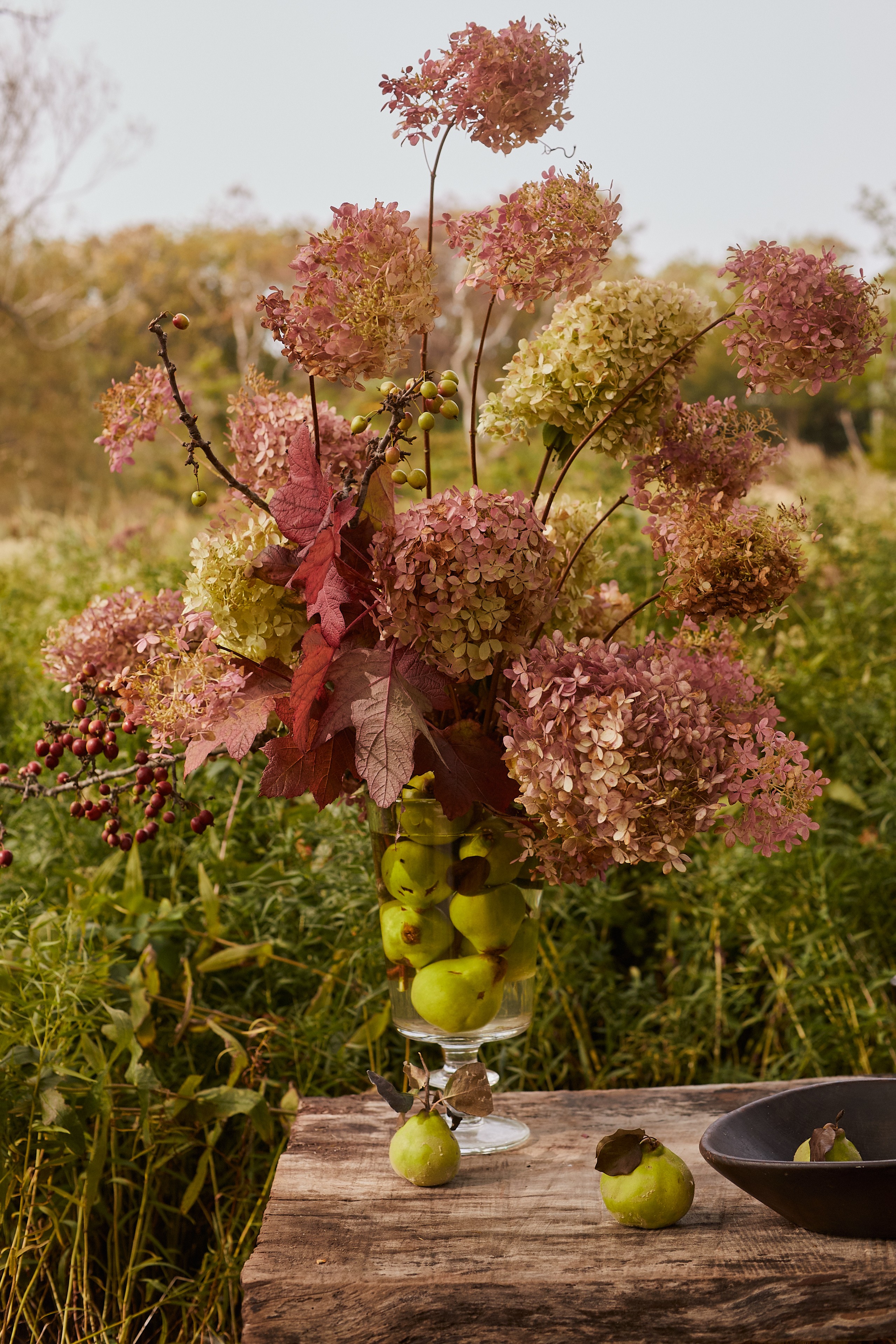
Hydrangea and electric green quince for The Financial Times story on Roman and Williams. Photo: Billal Taright